

Sweet Gem Peach
Prunus persica 'Sweet Gem'


Plant Sentry™ Protected
Your order is protected by our compliance system that:
- Prevents restricted plants from shipping to your state
- Ensures plants meet your state's agricultural requirements
- Protects gardens from invasive pests and diseases
Specifications
| Hardiness Zone | 5a to 9b |
|---|---|
| Sunlight | Full sun |
| Height | |
| Width | |
| Growth Rate | Fast |
| Preferred Soil | Clay, Loamy, Peaty, Sandy |
| Blooms In | Spring |
| Flower Color | Pink |
| Fragrant | Yes |
| Plant Characteristics | Cold hardy, Flowering, Edible, Self-pollinating, Ornamental Berries/Fruit, Attracts pollinators, Fall Color/Interest, Fast-growing, Self-fertile |
| Botanical Name | |
| Does Not Ship To | AK, CA, HI, ID, MT, OR, PR, VI, WA |
Description
There is something deeply satisfying about walking out to your own tree and picking a sun-warmed peach that no grocery store can replicate. Sweet Gem Peach (Prunus persica 'Sweet Gem') delivers exactly that experience, producing sweet, juicy, yellow-fleshed fruit on a tree that works just as well in a home backyard as it does in a dedicated orchard setting. This cultivar of the classic peach, also known simply as the peach tree or common peach, earns its name with fruit that is genuinely worth waiting for.
Spring Bloom and Seasonal Appeal
Before the fruit even arrives, Sweet Gem puts on a show. In early spring, the bare branches erupt in clusters of pale pink blossoms that appear before the leaves, creating one of the most striking displays of any fruit tree. Bees and other early pollinators move in quickly, making this tree a valuable source of pollen and nectar at a time of year when few other flowering plants are active. As the season progresses, the lance-shaped green foliage fills in and the developing fruit becomes visible tucked among the leaves. By late summer, the peaches take on their characteristic golden skin with a warm blush, and the tree delivers a harvest that makes the wait worthwhile. Fall brings a final flourish of yellow foliage color before the tree goes dormant for winter.
Fruit Characteristics and Uses
Sweet Gem produces medium to large peaches with firm, yellow flesh and a flavor profile that balances sweetness with just enough acidity to feel complex rather than flat. The fruit is well-suited to fresh eating right off the tree but holds up equally well for canning, freezing, baking into pies and cobblers, or turning into jams and preserves. Because peaches do not continue to sweeten after harvest, allowing them to ripen fully on the tree is the key to peak flavor. You will know it is time when the background skin color shifts from green to golden yellow and the fruit gives slightly to gentle pressure.
Landscape and Garden Fit
Sweet Gem Peach works well as a specimen tree in a sunny lawn area, as an anchor in a mixed fruit garden, or planted in a row for a small home orchard. Its upright, rounded canopy provides light shade in summer without overwhelming neighboring plantings. The tree is self-fertile, meaning a single tree will set fruit without a pollination partner, though planting a second peach variety nearby can improve overall yields in some seasons. Site selection matters more for peaches than for most other fruit trees: full sun, excellent drainage, and good air circulation around the canopy will do more for your harvest than almost any other factor.
A Word on Care
Peaches are honest about what they need. They are not particularly complicated, but they do reward attentive growers. Annual pruning is genuinely necessary, not optional, because fruit forms on the previous year's wood and an unpruned tree quickly becomes a tangle of unproductive branches. Staying ahead of common issues like peach leaf curl (a fungal disease that distorts new leaves in wet springs) with preventive copper fungicide sprays before bud break keeps the tree healthy and productive for years. With consistent care, a Sweet Gem Peach tree can produce reliable harvests for 15 years or more, making it one of the more rewarding investments a home gardener can make in their landscape.
Planting & Care
Delivery and Shipping
Shipping Rates
Ships in 3-5 business days • Tracking provided • Weather protected
| Under $50 | $9.99 |
| $50 - $99.99 | $14.99 |
| $100 - $149.99 | $16.99 |
| $150 - $198.99 | $24.99 |
| $199+ | FREE |
✓ Zone-specific timing • ✓ Professional packaging • ✓ Health guarantee
Find on Page
Type to search specs, description, care, FAQ, and shipping.
Other varieties
-

-

-

Prunus avium 'Black Tartarian'
Regular price From $13838Unit price /Unavailable -

-

Ozark Premier Japanese Plum Tree
Prunus salicina 'Ozark Premier'
Regular price $5455Unit price /Unavailable -

Prunus cerasus 'Montmorency'
Regular price From $13611Unit price /Unavailable -
-


The tree arrived in good condition and as continued to grow and be in good health! So pleased, and I can’t wait to see the fruit that it produces!
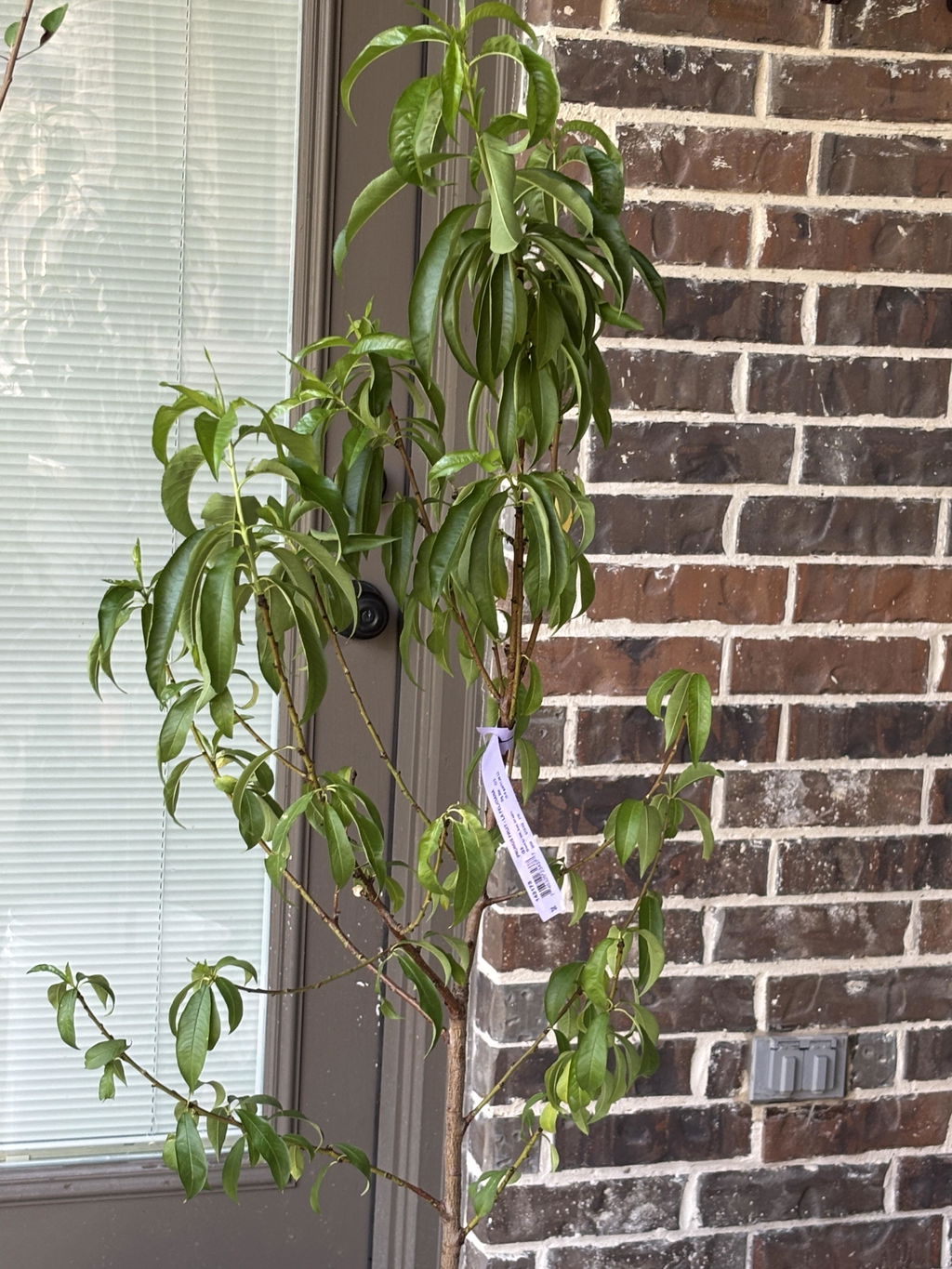
A La Feliciana peach settling in and putting on healthy growth is exactly what you want to see in the first season. Once it starts fruiting you are in for a treat. Thanks for sharing the update, Lynzi, and happy growing!
My tree shipped out within 7 to 10 days as it was supposed to. Arrived very well packaged in a box and was in great condition with beautiful pink flowers on it. I had it in the ground within a few hours and watered and I am loving it. Wish I could post a photo. Thank you for the beautiful peach tree!
Thanks, Michelle! Thrilled your Elberta Peach Tree #5 Container arrived fast, blooming and healthy—enjoy sweet peaches, and reach out anytime for Elberta Peach Tree care tips from the Nature Hills team!
Great tree
Hello Robert,
Thank you so much for your wonderful feedback! We're delighted to hear that you're enjoying your great tree. If you ever have any questions about caring for it or want tips on how to help it thrive even more, please don't hesitate to reach out—we’re here to support you every step of the way.
Wishing you happy planting,
The Nature Hills Plant Experts
Great tree
Hello Robert,
Thank you so much for taking the time to share your feedback! We’re delighted to hear that your tree has brought you satisfaction. If you ever have any questions about caring for your tree or want tips on helping it thrive even more, please don’t hesitate to reach out. We're always here to support your gardening journey.
Bloom on,
The Nature Hills Plant Knowledge Team
The tree was healthy and I planted it as soon as it arrived. Temperatures were very hot and shipment took a very long time.. I don’t think I’ll order from someplace so far away again. Also the stick which was fastened to the trunk was broken.
Hello Norma,
Thank you so much for taking the time to share your experience with us. We truly appreciate your feedback and are glad to hear that your Elberta peach tree arrived healthy and was promptly planted, especially considering the challenging hot temperatures.
We sincerely apologize for the long shipping duration and understand your concerns about ordering from a distant location. We continually strive to partner with reliable carriers to minimize transit times, especially during extreme weather conditions. Regarding the broken stake on your tree, we are truly sorry for this oversight. If you'd like, please reach out to our customer service team—we’d be happy to provide a replacement stake or offer guidance on how best to support your peach tree as it grows.
For preparing your tree under hot climate stress, consider generous mulching and consistent watering during evenings to help retain soil moisture. We also have helpful planting and care guides available on our website that might assist you now.
Thank you again for your honest review; your input helps us improve. Please don’t hesitate to contact us if we can assist further.
Bloom on,
The Nature Hills Plant Knowledge Team
The tree was healthy and I planted it as soon as it arrived. Temperatures were very hot and shipment took a very long time.. I don’t think I’ll order from someplace so far away again. Also the stick which was fastened to the trunk was broken.
Dear Norma,
Thank you so much for taking the time to share your experience with your Elberta peach tree. We genuinely appreciate your feedback, and we’re glad to hear the tree arrived healthy and was promptly planted. We completely understand how the combination of hot temperatures and an extended shipping time can be concerning, and we’re sorry that the shipping took longer than expected—especially over long distances.
Regarding the broken support stick, we apologize for any inconvenience this caused. Support sticks help young trees establish themselves, and we recommend checking local gardening stores where durable, farm-grade stakes may be available to provide extra support your tree might need during growth.
If you decide to try trees with shorter shipping times in the future, our website offers regional sorting features to help select plants grown closer to your area, potentially reducing transit stress and delivery times.
Should you need any guidance with care specifics for your peach tree or wish to explore options better aligned with your regional climate, please don’t hesitate to reach out. We’re always happy to help your garden thrive.
Wishing you happy planting,
The Nature Hills Plant Experts
Miss Peach Tree tod me that she is very hppy here. She immediately grew alot of leaves so I know she is happy to be in Oregon. We will see how she bears fruit in the future.
Hi,
Thank you so much for sharing your wonderful update about your Miss Peach Tree! We’re delighted to hear that she’s settling in well and putting out plenty of leaves—that’s a great sign she’s happy in the Oregon climate. Peaches can sometimes take a little time to start bearing fruit as they focus energy on establishing strong roots first, so your patience and care will surely pay off.
If you’d like, we’re here to help with tips on nurturing your tree through the seasons, from fertilizing schedules to pruning pointers, which can support a healthy and fruitful harvest in the future. Feel free to reach out anytime!
Rooting for your garden’s success,
Your Nature Hills Plant Care Team
Miss Peach Tree tod me that she is very hppy here. She immediately grew alot of leaves so I know she is happy to be in Oregon. We will see how she bears fruit in the future.
Hi,
Thank you so much for sharing your lovely experience with your Miss Peach Tree! We’re thrilled to hear she’s already flourishing and putting out lots of leaves—what a wonderful sign that she feels right at home in Oregon. As your tree continues to settle in, keeping her well-watered, especially during the dry months, and feeding her with a balanced fertilizer will encourage healthy growth and better fruit production down the road.
If you ever need tips on peach tree care or want to share updates on her fruiting progress, we’d love to hear from you. Here’s to many bountiful seasons ahead!
Bloom on,
The Nature Hills Plant Knowledge Team
Tree is great, and growing well. My only complaint is on early delivery, after explicitly asking for it to be delayed. Fortunately, I was able to get it planted before leaving for a trip. Otherwise All Good!!
Hi,
Thank you so much for taking the time to share your feedback! We’re delighted to hear that your tree is growing well and you are happy with its condition. We sincerely apologize for the early delivery despite your request to delay it — we understand how important timing can be, especially when plans are involved. We truly appreciate your flexibility in managing to get it planted before your trip.
If you ever need assistance adjusting delivery preferences or have any other questions, please don’t hesitate to reach out to our Customer Care team. We want your planting experience to be as smooth and enjoyable as possible!
Bloom on,
The Nature Hills Plant Knowledge Team
Tree is great, and growing well. My only complaint is on early delivery, after explicitly asking for it to be delayed. Fortunately, I was able to get it planted before leaving for a trip. Otherwise All Good!!
Hi,
Thank you so much for taking the time to share your feedback with us. We're thrilled to hear your tree is thriving and growing well—that’s exactly what we hope for every one of our customers!
We sincerely apologize for the delivery arriving earlier than expected despite your request to delay it. We understand how important timing can be for planting—even more so when you have a trip planned—so we appreciate your patience and are glad things worked out for you in the end. We’ll make sure to reinforce clear communication around delivery preferences to prevent this in the future.
If you need any care tips to keep your tree healthy and strong while you're away, please don’t hesitate to reach out. We’re always here and happy to support you.
Rooting for your garden’s success,
Your Nature Hills Plant Care Team
I planted this last fall, expecting to wait a year or two before I got fruit from the little tree but this spring there is a peach. I am eagerly watching for it to be ready to eat!
Hi Georgia,
Thank you so much for sharing your wonderful peach tree success story! We’re thrilled to hear that your Elberta Peach Tree surprised you with a fruit so soon—what a delightful reward for your care and patience. Watching that first peach develop must be incredibly exciting!
As you eagerly await its ripeness, be sure to monitor the fruit’s color and firmness; Elberta peaches are typically ready to pick when they have a deep yellow-orange color and give slightly to gentle pressure. Protecting your growing fruit from birds with netting, if you haven’t already, can help ensure you get to enjoy it first! Also, continued care like consistent watering and occasional fertilizing will support healthy fruits for seasons to come.
Thank you again for your support and for trusting Nature Hills to be part of your gardening journey—we can’t wait to hear about your first delicious peach! If you have any questions along the way, we’re always here to help.
Bloom on,
The Nature Hills Plant Knowledge Team
I planted this last fall, expecting to wait a year or two before I got fruit from the little tree but this spring there is a peach. I am eagerly watching for it to be ready to eat!
Hello Georgia,
Thank you so much for sharing your wonderful news about your Elberta Peach Tree! It’s truly exciting to hear that your little tree has surprises for you so soon—and spotting your very first peach must feel incredibly rewarding after your care and patience. Watching that peach ripen will surely be such a special moment!
As your peach ripens, you might want to keep an eye on the fruit for signs of optimal ripeness—such as a deep golden color, slight softness when gently squeezed, and a sweet fragrance. If you'd like, our blog offers great tips on harvesting and caring for peach trees to help your harvest be as tasty and healthy as possible.
Please don’t hesitate to reach out with any questions as your tree grows along its journey—we’re always excited to support your gardening successes.
Wishing you happy planting,
The Nature Hills Plant Experts
I have one semi-dwarf elberta tree which beared approximately 1 bushel of fruit last fall. Sizes ranged around 2 to 3 inches in diameter. Now I have the problem of finding out what time of year to prune this tree, some say spring, which I dont believe, others say anytime in February. I hope I can find out through this e-mail. My E-mail address is [redacted]. Ans I also reside in Concord, NH.
Hello Harry,
Thank you so much for taking the time to share your experience with your semi-dwarf Elberta peach tree! It’s wonderful to hear that your tree produced such a generous bushel of fruit—those 2 to 3-inch peaches sound delicious!
Regarding pruning your tree, here in Concord, NH, the best time to prune Elberta peach trees is indeed late winter, typically in February, just before the sap starts moving and buds begin to swell in early spring. Pruning during this dormant period helps prevent disease and allows for proper shaping before the growing season starts. Avoid pruning in spring after leaf-out as it can lead to stress or excessive sap loss. A good resource on peach tree pruning that you might find helpful is our guide at NatureHills.com, which offers step-by-step tips about pruning techniques and timing.
If you find yourself needing further advice or examples images, don’t hesitate to reach back out through our email or website. We’re here to assist you in helping your tree thrive and produce many more delicious peaches!
Wishing you happy planting,
The Nature Hills Plant Experts
I recently took over care for my Grandparents yard/garden. What I believe to be an Alberta Peach Tree, planted approx. 6-7 years, is growing & producing. Trees production would have been 2 - 4 bushes if not for birds. Anything I can do to prevent wildlife invasion? Otherwise, BEST Peach Cobbler, Icecream & Peach Ive ever had! Answer from Nature Hills: There are many possible remedies, but netting the tree is probably the best option.
Dear Kellyofmass,
Thank you so much for sharing your delightful “What a Peach” story with us! We’re thrilled to hear your Elberta Peach Tree is thriving and that its fruit has inspired such wonderful dessert creations. Your grandparents must be smiling down at your loving care.
Birds can definitely be grateful visitors, sometimes you just wish an apple or peach never sees them first! As you noted, netting the tree is often the most effective safeguard—it creates a gentle barrier while letting your tree mellow naturally. Besides netting, you might also try gently shaking the branches early in the day to encourage birds to pause their feast or using lightweight scare devices like reflective tape or garden streamers. Just rotating these tactics helps because birds can get accustomed to the same deterrence.
If you're interested, we have some great guides on managing fruit tree pests and bird protection on our website that might offer a few other evolved approaches suited to your yard’s unique conditions.
We’re so happy that your spoils make the BEST Peach Cobbler and ice cream—you’ve practically found the secret recipe handed down! Please don’t hesitate to reach out with any more questions as you nurture this loving family yard.
Wishing you happy planting,
The Nature Hills Plant Experts
My peach tree is growing beautifully. Very satisfied!
Hello Janice,
Thank you so much for sharing your wonderful update! It’s truly a joy to hear that your Elberta Peach Tree is growing beautifully and bringing you satisfaction. These trees can be such a rewarding addition to any garden with their delicious fruit and lovely blossoms.
If you ever have questions about care tips—like proper pruning to encourage more fruit, or guidance on pest prevention—we’re always here to support you. Be sure to keep your tree well-watered during dry periods and consider a balanced fertilizer to keep growth strong!
Wishing you happy planting,
The Nature Hills Plant Experts
My peach tree is growing beautifully. Very satisfied!
Dear Janice,
Thank you so much for sharing your wonderful update! We're thrilled to hear that your Elberta Peach Tree is growing beautifully and that you’re very satisfied with your experience. Watching your peach tree flourish is truly one of the joys of gardening, and your success speaks to the care you're providing.
If you have any questions as your tree continues to grow—whether about pruning, fertilizing, or protecting your peaches from pests—please don’t hesitate to reach out. We're here to support you every step of the way to help your fruit harvest be as bountiful as possible!
Bloom on,
The Nature Hills Plant Knowledge Team
Elberta peach trees produce a ton of flowers.
Hi Suzanne,
Thank you so much for sharing your experience with your Elberta peach tree! We're thrilled to hear that it’s producing a fantastic display of flowers. These blossoms are such a beautiful promise of the delicious peaches to come. If you ever want tips on nourishing your tree through the growing season, pruning advice, or managing pest control, please don't hesitate to reach out—we’re happy to help make your peach harvest successful.
Enjoy watching your garden flourish!
Bloom on,
The Nature Hills Plant Knowledge Team
Elberta peach trees produce a ton of flowers.
Hi Suzanne,
Thank you so much for sharing your experience with the Elberta peach tree! We’re thrilled to hear that your tree is bursting with flowers—that’s a wonderful sign of healthy growth and a promising fruit harvest ahead. If you’re interested in getting the most out of your blossoming tree, ensuring proper watering and fertilizing during the bloom period can really support fruit development.
If you ever have questions about pruning, pest management, or optimizing your harvest, don’t hesitate to reach out. We’re here to help your garden thrive every step of the way!
Rooting for your garden’s success,
Your Nature Hills Plant Care Team
The flowers produced by the Elberta peach tree are beautiful. They are wonderful and the fruit is a bonus.
Hi Meme,
Thank you so much for sharing your delightful experience with the Elberta Peach Tree! We’re thrilled to hear that its beautiful flowers have added charm to your garden—and a tasty bonus fruit is always a wonderful surprise. To keep your tree thriving and fruit-bearing for seasons to come, be sure to provide it with full sun, well-drained soil, and regular watering during dry spells. Pruning in late winter can also help encourage healthy growth and plentiful blossoms.
If you ever have questions about care or want tips tailored to your region, feel free to reach out—we’re always here to help your garden flourish.
Bloom on,
The Nature Hills Plant Knowledge Team
The flowers produced by the Elberta peach tree are beautiful. They are wonderful and the fruit is a bonus.
Dear Meme,
Thank you so much for sharing your lovely experience with your Elberta peach tree! We're delighted to hear that the tree’s flowers have impressed you—they truly are one of nature’s joys. And having that delicious fruit as an added bonus makes it all the more rewarding.
If you’d like to maximize your tree’s health and fruit production, make sure it’s getting plenty of sunlight and regularly pruned to encourage strong growth. You might also enjoy our care guides on pruning and peach tree maintenance, which you can find on our website. Feel free to reach out if you ever have questions or need more tips—we’re always here to help your garden thrive.
Bloom on,
The Nature Hills Plant Knowledge Team
My Elberta peach tree seems to out produce the across the street neighbors peach tree by a lot, guessing at least twice as much.
Hello Banker,
Thank you so much for taking the time to share your experience with your Elberta peach tree! We're thrilled to hear it’s such a prolific producer, especially outpacing your neighbor’s tree. Elberta peaches are known for their generous yield, but benefiting from good soil, proper pruning, and care can make all the difference in really maximizing fruit production.
If you’re interested, be sure to keep up with seasonal pruning to encourage strong growth and good airflow, which helps not only with yield but also with fruit quality. Regular watering and feeding with a balanced fertilizer tailored to fruit trees will keep your Elberta thriving year after year here at Nature Hills we also have helpful guides on our website if you want occasional tips on ongoing peach tree care.
Thanks again for sharing, and happy harvesting this season!
Bloom on,
The Nature Hills Plant Knowledge Team
My Elberta peach tree seems to out produce the across the street neighbors peach tree by a lot, guessing at least twice as much.
Dear Banker,
Thank you so much for taking the time to share your experience with your Elberta peach tree! It’s wonderful to hear that your tree is such a heavy producer—even outpacing the neighbors' peaches is quite an endorsement of its vitality. This variety truly does have a reputation for delivering abundant, delicious fruit when given proper care and growing conditions.
To keep that impressive yield thriving, you might consider applying light fertilization in early spring and ensuring your tree receives plenty of sunlight and well-drained soil. Regular pruning can also encourage stronger branch structure to support more fruit. If you’d like, we have some excellent guides on care and maintenance specifically for peach trees on our website, and our team would be happy to recommend tailored tips anytime.
Thanks again for sharing your positive update! We love hearing about happy gardeners and thriving plants.
Rooting for your garden’s success,
Your Nature Hills Plant Care Team
