


Buttonbush
Cephalanthus occidentalis


Plant Sentry™ Protected
Your order is protected by our compliance system that:
- Prevents restricted plants from shipping to your state
- Ensures plants meet your state's agricultural requirements
- Protects gardens from invasive pests and diseases
Specifications
| Plant Characteristics | Cold hardy, Native, Flowering, Wet Soils, Ornamental Berries/Fruit, Attracts Butterflies, Attracts Hummingbirds, Attracts pollinators, Deer-resistant, Hedge/Screen |
|---|---|
| Hardiness Zone | 5a to 9b |
| Sunlight | Full sun, Partial shade |
| Height | |
| Width | |
| Watering Needs | High |
| Preferred Soil | Chalky, Clay, Loamy, Peaty, Sandy |
| Growth Rate | Moderate |
| Growth Habit | Bushy, Spreading |
| Blooms In | Summer |
| Flower Color | White |
| Foliage Color | Green |
| Fragrant | Yes |
| Native | Yes |
| Pet Safety | Toxic to pets |
| Suitable Space | Outdoors |
| Botanical Name | |
| Species | |
| Class | Lamiales |
| Does Not Ship To | AK, HI, ID, MT, PR |
Description
In a competition for the most interesting blooms, this shrub definitely takes the cake. But the Buttonbush (Cephalanthus occidentalis) has a lot more to offer than to pose as a simple conversation starter.
Where to begin? This deciduous shrub was all but made for areas too wet for most other plants. Native to the eastern part of North America USDA growing zones 5 to 9, it's been used for years as a way to dress up boggy sites!
In the early spring, Buttonbush covers itself in glossy green leaves in a whorled to opposite arrangement. Its coloring will stay evenly green all summer long, and the bush as a whole will have a dense-packed irregular growth habit. As the spring progresses, bright white flowers will bloom all across the plant. Not just any ordinary petaled blooms though. No, these blossoms look like shiny, unearthly orbs!
These flowers are made up of tightly packed spherical clusters with what looks like needles sticking out of all sides. Don't worry though, unlike the pincushions they resemble, these blooms aren't pokey in the slightest.
While Native Buttonbushes are fascinating to look at, they are more often added to gardens and landscapes as a way to attract birds and pollinators. Even adding just one bush will draw butterflies from near and far. If you're lucky, you might even walk outside to find a Hummingbird or two fluttering about.
After the flowers have come and gone, Buttonbush will produce round, ball-like fruit. While it's not all that appealing to humans, the birds will make sure there isn't a single morsel of the reddish-brown fruit left!
If you're one of those plant owners who find themselves overwatering their garden more often than not, this is the bush for you! There's no such thing as too much water. So even the most "doting" of gardeners can grow Buttonbush!
Snip a few of those eye-grabbing flowers to add to your late-spring bouquets to keep on the kitchen counter. They're sure to inject some texture and maybe even spark up a conversation while preparing dinner!
Planting and Application:
Native plants play an essential role in maintaining the ecosystems that live in the region. They've been used to restore wetlands, control erosion, and create wildlife habitat here in the United States. Quite a resume for just one plant! Though it has been building it since its commercial introduction in 1735.
Use this shrub in your woodland gardens as a pretty accent or attention-getting centerpiece! Whether you're adding to an already existing perennial garden, or looking at a brand new backyard that needs work, Buttonbush is a plant you'll want to keep in mind! If your backyard ends in either a pond or lake, try planting a Buttonbush along its edges to create a fantastic border. It'll thrive in the damp soil and you and your guests won't find yourselves accidentally wandering into a stray puddle. Win-win!
Shade gardens are another area where this deciduous shrub excels. It'll do just fine in the partial shade and you'll find yourself with plenty of birds, hummingbirds, and pollinators taking advantage of the reprieve from the sun. If you're a bird enthusiast, then Buttonbush is a must-have addition to your birdwatching garden. One bush can sometimes attract upwards of 20 different bird species!
Larger spaces are also a great place to use Buttonbushes. Place a few together to create a stunning mass planting that's sure to be the talk of the town. Water gardens, ponds, Rain Gardens, or simply hide the soggy area where the HVAC unit drains.
Planting near your patio is a great idea! Not only will it create an interesting outdoor texture that you can admire while lounging in the summer sun, or light up the night in your Moon Garden! It's sure to pique the interest of any guests you have over.
- Native to North America
- White Spherical Cluster Flower Heads
- Green Textured Foliage
- Brings Butterflies & Birds to Your Yard
- Blossoms Are Bouquet Interest
- Hedges, Water Gardens, Erosion & Unique Specimens
#ProPlantTips for Care:
We've all been there. We buy a brand new plant and can't wait to take the best care of it. Most of us have lost a plant or two to our unfortunate over-desire to overwater. The good news is that there is almost no possible way you overwater a Buttonbush. They're known for how well they do in damp soil and even flooded areas! Standing water is no match for this plant's adaptability!
Plus, as we mentioned earlier, this is a native plant! This water lover tolerates almost anything thrown at it, except drought of course! You can plant in full sun or partial shade and Buttonbush will do just fine, in hotter climates they can tolerate more shade.
Pruning probably isn't something you'll need to worry about, but cutting the bush back near the ground with a sharp pair of shears in the late winter can revitalize quite well. Renewal pruning every 3-5 years helps too! Simply remove the oldest fattest stems as close to the ground as possible and let the younger shoots take over.
- Full Sun, Partial Shade & Full Shade
- Thrives in Moist & Soggy Conditions & Wetlands
- Any Enriched Soil That's Not Stagnant
- Prune or Renewal Prune
- Hardy Native Deciduous Shrub
Do your natural habitat, along with the overall aesthetic of your garden, a favor, and plant a Buttonbush or two! Whether you're looking for a unique centerpiece or a way to attract more pollinators to your garden, Buttonbush is ready and willing to deliver! Order yours from our expert growers at Nature Hills Nursery today!
Planting & Care
Delivery and Shipping
Shipping Rates
Ships in 7-10 business days • Tracking provided • Weather protected
| Under $50 | $9.99 |
| $50 - $99.99 | $14.99 |
| $100 - $149.99 | $16.99 |
| $150 - $198.99 | $24.99 |
| $199+ | FREE |
✓ Zone-specific timing • ✓ Professional packaging • ✓ Health guarantee
Find on Page
Type to search specs, description, care, FAQ, and shipping.

My button bush is already growing and showing new growth. It’s very healthy. I’ve ordered 4 or 5 other bushes in the last year and they are all doing great! Definitely will buy from Nature Hills in the future.
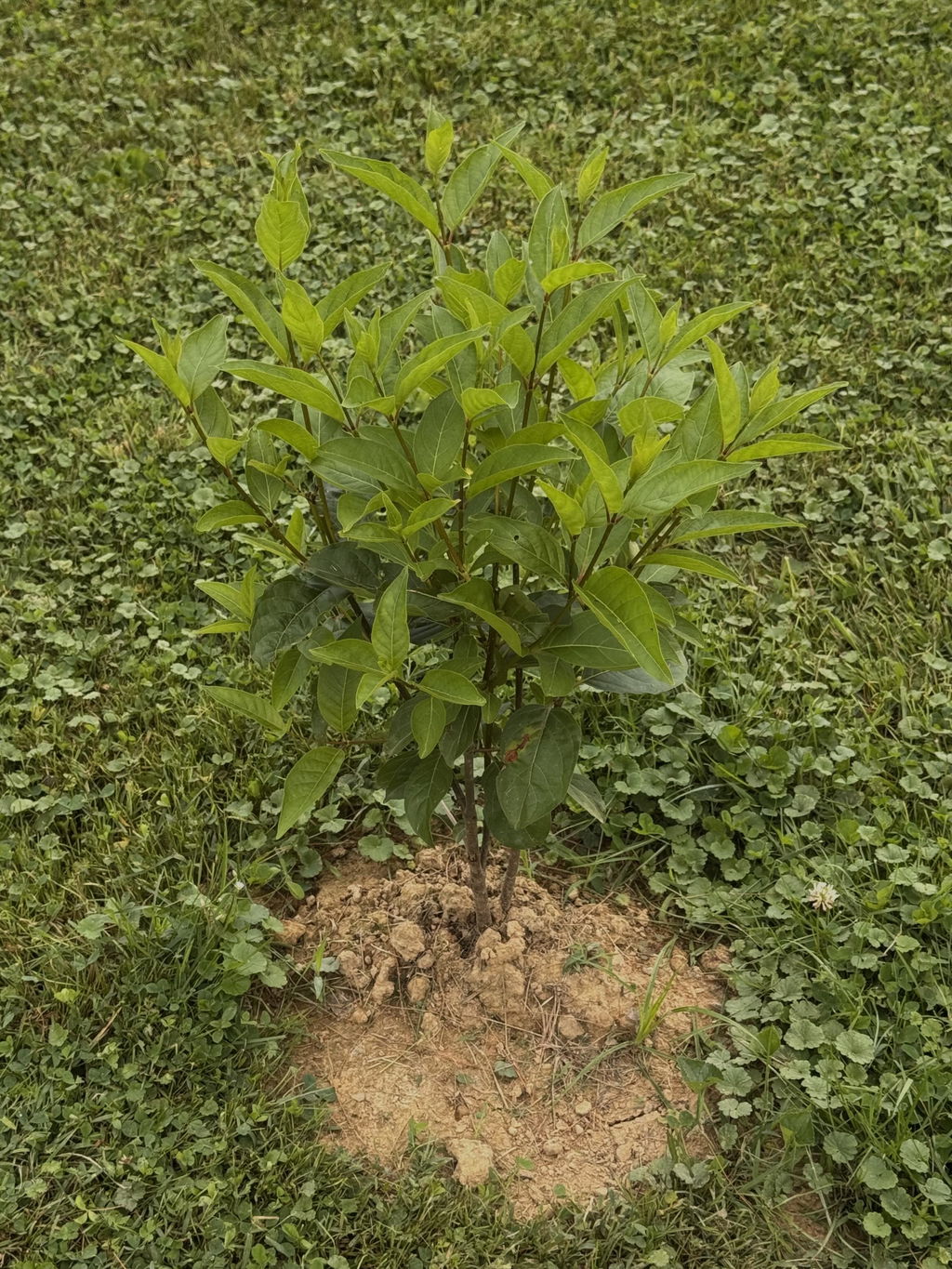
Buttonbush is such a rewarding plant to watch wake up, and new growth right out of the gate is a great sign it settled in well. It sounds like you have a real knack for getting plants established. Thanks for sticking with us across so many orders, Karen, and we look forward to helping you add to the garden again.
Love my buttonbush! It arrived in great shape and I am excited to see what butterflies come to check it out.
Buttonbush is such a great choice for pollinators. Those round, white flower clusters are real magnets for butterflies, native bees, and even hummingbirds once the plant gets established. Give it a season to settle in and you will have a lot to watch. Thanks for sharing, Jeff.
