


Sweetgum Tree
Liquidambar styraciflua


Plant Sentry™ Protected
Your order is protected by our compliance system that:
- Prevents restricted plants from shipping to your state
- Ensures plants meet your state's agricultural requirements
- Protects gardens from invasive pests and diseases
Specifications
| Hardiness Zone | 5a to 9b |
|---|---|
| Sunlight | Full sun, Partial shade |
| Height | |
| Width | |
| Growth Rate | Moderate |
| Watering Needs | Moderate |
| Preferred Soil | Clay, Loamy, Sandy |
| Landscape Use | Woodland Garden |
| Blooms In | Spring |
| Flower Color | Red, Green |
| Fragrant | Yes |
| Native | Yes |
| Native To |
Alabama,
Arkansas,
Connecticut,
Florida,
Georgia,
Illinois,
Indiana,
Kentucky,
Louisiana,
Maryland,
Mississippi,
Missouri,
North Carolina,
Oklahoma,
Pennsylvania,
South Carolina,
Tennessee,
Texas,
West Virginia
+13 moreshow less |
| Plant Characteristics | Drought resistant, Fast-growing, Fragrant |
| Botanical Name | |
| Does Not Ship To | AK, HI, ID, MT, PR, VI |
Description
Outstanding accent! One of North America's finest and most colorful native species trees for fall color is the showy American Sweetgum (Liquidambar styraciflua)! Nature Hills Nursery is proud to grow and sell this majestic national treasure for use in either residential or commercial landscapes!
From a distance, American Sweetgum is a graceful presence. You'll admire the energetic form all year long, with strong, upturned branches on bold display. Young star-shaped leaves add a dazzling green cloak all season. These perfectly noticeable leaves feature personable notches along the margins. The leaves are very aromatic when crushed or bruised!
Sometimes spelled Sweet Gum, and having many names depending on your region, including American Storax, Redgum, Satin-Walnut, Star-Leaved Gum, and Alligatorwood, Sweetgum trees have a lot of character! American Sweetgum leaves turn fiery reds through plum purples, spiced gold and harvest orange to celebrate the end of the season.
Spring brings upright red/green flower clusters that transform into green, and then brown spikey balls. Even if you live in the warmer part of its range, you'll be treated with a reliable fall performance. Over time, you'll even be able to feel good about feeding local songbirds with their famous Sweetgum seed fruit balls.
Planting and Application:
These aren't "cookie-cutter" trees, but rather become a special accent or focal point to relish. With a long history as a great shade and specimen tree for landscape curb appeal, these native trees also have several medicinal qualities and produce fine lumber. They earned their name because the dried sap produced a sweet, chewy treat similar to chewing gum.
Add one as a destination at the end of a planned garden walk. You'll be astounded at the color play in fall...each leaf is draped in a different color! Why not place an outdoor fire pit nearby and include a ring of wood stumps for an annual sing-along?
These special trees look right at home in a park-like corporate campus, as well as maximize the diversity of species in your plantings to create a wise landscaping investment by adding an informal grouping. One planted in your front lawn, with a wide mulched bed to catch the spikey balls that drop, will cast cooling shade and become a prominent feature in your home's landscape all year long!
- Distinctive Star-Shaped Leaves
- Upright, Stately Form - Break-Resistant Branches!
- Fall Color is a Vibrant Mix of Red, Orange, Purple & Yellow
- Grows Quickly & Valuable Timber
- Used for Chewing Gum in the Past
- Native Tree Supports Local Wildlife with Shelter & Food
- Shade, Specimen, Large Accent & Great Native Tree
#ProPlantTips for Care:
Sweetgum Trees need full sun, but young trees can handle some part shade, especially afternoon shade and the dappled shade of an understory setting. Until they outgrow their neighbors that is!
Plant Sweetgum in well-drained native soil with regular moisture throughout their first couple of years in the ground. Once established, however, Sweetgum can tolerate both moist soil and periodic drought, plus they have some salt, alkaline, and clay tolerance as long as it has good drainage. Add a 3-4 inch thick layer of mulch over the soil surface, spread out to the dripline (ends of the branches) but please avoid piling it up against the trunk.
Prune if needed when dormant to remove broken branches, but wait a bit later in the spring (when you see leaves forming) before trimming any live branches. Otherwise, similar to Maple trees, it will result in sticky sap dripping and oozing.
- Upright, Stately Form & Strongest Limbs in Full Sun & Part Shade
- Tolerates Moist Soils & Periodic Drought
- Widely Adaptable to a Wide Range of Well-Drained Soil Conditions
- Pruning Best Done In Spring
- Pest Resistant, Salt & Clay Conditions
Perhaps best of all, American Sweetgum is easy to grow, and puts on height for shade quickly. Order yours from the Nature Hills native tree specialists today!
Planting & Care
Delivery and Shipping
Shipping Rates
Ships in 3-5 business days • Tracking provided • Weather protected
| Under $50 | $9.99 |
| $50 - $99.99 | $14.99 |
| $100 - $149.99 | $16.99 |
| $150 - $198.99 | $24.99 |
| $199+ | FREE |
✓ Zone-specific timing • ✓ Professional packaging • ✓ Health guarantee
Find on Page
Type to search specs, description, care, FAQ, and shipping.
Other varieties
-

Liquidambar styraciflua 'Slender Silhouette'
Regular price $12030Unit price /Unavailable -

Liquidambar styraciflua 'Happidaze'
Regular price $16531Unit price /Unavailable -

Liquidambar styraciflua 'Burgundy Blush'
Regular price $14269Unit price /Unavailable


Couldn't ask for a healthier tree. Shipment of Sweet Gum came as described I planted the same day its doing Great!
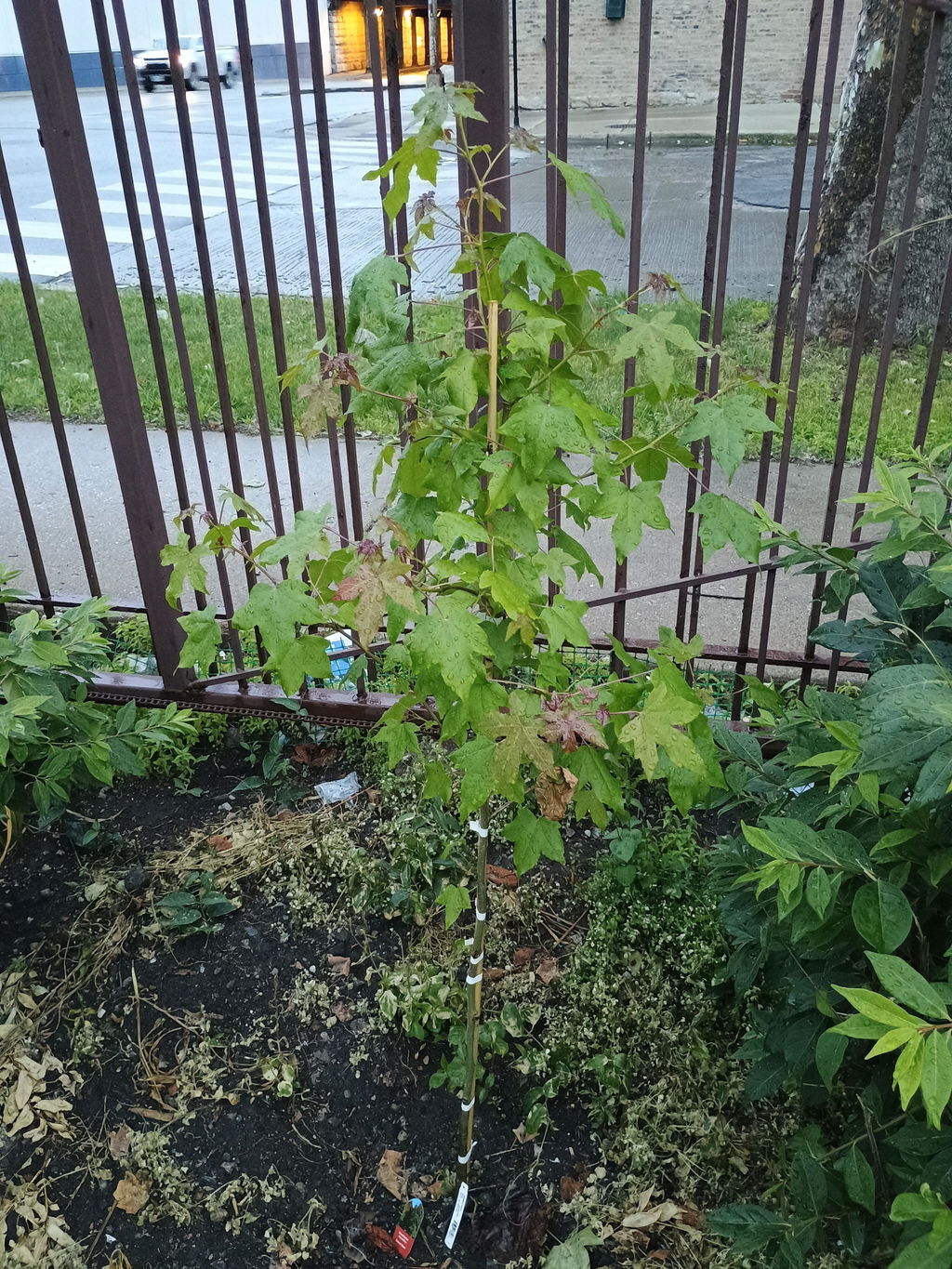
Planting the same day it arrives is exactly the right move, and it sounds like the tree rewarded you for it. Sweetgums are tough once they get established, and a healthy start like yours sets them up for years of great fall color. Thanks for sharing the update, Bruce.
Beautiful tree and it arrived in perfect condition
Burgundy Blush is such a standout tree, and hearing it made the trip in great shape is good to know. Give it a season to settle in and those fall colors will really come into their own. Thanks for sharing, Jan!
I planted these in the fall. So far, nothing has shown signs of life this spring. I am disappointed with my purchase. I normally buy local or from another nursery supplier online, but chose to order from Nature Hills because of their tree selection, specifically Sweetgums. I will revert to using my other supplier in the future.
I enjoyed the article. There should have been pictures of the little balls also. This is the second year that my tree has produced them. I use them to decorate my front door. I think that my tree is beatuful!
Hi Saw,
Thank you so much for sharing your experience and kind words about your Sweetgum tree! We're delighted to hear it’s thriving and that you enjoy using those distinctive sweetgum balls for decorating your front door—they really do add a unique and natural charm.
You’re right; pictures of the sweetgum seed pods would have been a great addition to our article. We appreciate the suggestion and will consider including them to better showcase the full beauty of this fascinating tree. If you’d like, we can also send you a link to a gallery with more images and care tips to help you continue enjoying your tree’s seasonal gifts.
Keep up the gorgeous work with your tree, and if you ever have questions about care, pruning, or attracting wildlife with your Sweetgum, we're always here to help!
Rooting for your garden’s success,
Your Nature Hills Plant Care Team
I think that the Sweet Gum tree is a really awesome tree! It was somewhat easy to plant and looks really good in my yard!
Dear Turdburgler,
Thank you so much for sharing your experience with your Sweetgum tree! We’re delighted to hear that you found it both appealing and fairly easy to plant. Sweetgums truly are fantastic trees, known for their stunning autumn foliage and unique spiky seed pods, which can add wonderful texture to your yard.
As your Sweetgum continues to grow, make sure to water it regularly, especially during its first couple of years, and watch for signs of stress during dry spells. Mulching around the base can also help retain moisture and protect the roots. If you ever want tips on upgrading your tree care routine or expanding your garden with complementary plants, don’t hesitate to reach out!
Thank you again for choosing Nature Hills for your gardening journey. We’re thrilled to be part of your growing landscape.
Rooting for your garden’s success,
Your Nature Hills Plant Care Team
This is the most gorgeous tree. I have seen it potted for the front porch (stays small), seen it in pastures, seen it in 6 of snow as well as in the desert. As long as it has enough water, this tree just grows! And as for fall colors, breathtaking!
Dear California M.,
Thank you so much for sharing your wonderful experience with the Sweetgum tree! We’re delighted to hear how adaptable and stunning this tree has been in a variety of environments—from porch pots to snowy pastures to deserts. It’s truly a fantastic choice, especially with its striking fall colors that make driving seasons extra special.
Your note about ample water being key is absolutely spot on. Sweetgums thrive best when given consistent moisture, especially in hotter or drier areas. For container planting, regular watering and occasional fertilizing can help maintain a compact, healthy tree that excels right on your porch.
If you’d like, we have some great resources on seasonal care and pruning tips for Sweetgum trees on our website. Please feel free to reach out anytime—we love helping green thumbs like you flourish.
Wishing you happy planting,
The Nature Hills Plant Experts
Similar to a maple tree & creates shade in summer and beauty in the fall
Hi Cc,
Thank you so much for sharing your experience with your Sweetgum tree! We’re thrilled to hear that it’s providing both refreshing shade in the summer and those gorgeous fall colors you love. You’re absolutely right—the Sweetgum’s vibrant foliage can beautifully echo the look of a maple, while adding its own unique charm to your landscape.
If you’re looking for tips to keep your Sweetgum healthy and vibrant through the seasons, make sure it’s planted in well-drained soil with plenty of sunlight. Regular watering during dry periods and mulching around the base can help maintain moisture and improve overall growth. Also, pruning minor dead branches in late winter can promote better airflow and stunning appearance.
Should you have any more questions or want to explore opening your yard up to other complementing trees or shrubs, feel free to reach out—we’re here to help your garden thrive!
Bloom on,
The Nature Hills Plant Knowledge Team
Similar to a maple tree & creates shade in summer and beauty in the fall
Dear Cc,
Thank you so much for sharing your experience with your Sweetgum Tree! We’re delighted to hear how its vibrant fall colors and lush summer foliage are adding both beauty and shade to your space. The comparison to a maple is spot on—Sweetgums really do provide that striking fall display.
If you ever want tips on caring for your tree or ideas on companion plants to enhance its appeal, feel free to reach out. Sweetgums thrive best with deep watering during dry spells and well-drained soil, which helps keep that green canopy healthy all summer long.
Wishing you happy planting,
The Nature Hills Plant Experts
Surprised how fast mine is growing. Fall leaves are spectacular!
Hi Dirty G.,
Thank you so much for sharing your wonderful experience with your Sweetgum Tree! We love hearing how quickly it’s thriving and that you’re enjoying those stunning fall colors—it truly is one of the most beautiful autumn trees. To keep it happy and healthy, make sure it gets plenty of sunlight and regular watering as it continues to establish. Pruning younger branches can help shape the tree and promote even growth. If you ever want more tips on soil care or seasonal maintenance, feel free to reach out—we’re always here to help you get the best results.
Bloom on,
The Nature Hills Plant Knowledge Team
Surprised how fast mine is growing. Fall leaves are spectacular!
Dear Dirty Gladys,
Thank you so much for sharing your wonderful experience with your Sweetgum Tree! We’re thrilled to hear that it’s growing quickly and that you’re enjoying those spectacular fall leaves—they truly make a yard special. To keep your Sweetgum healthy and vibrant, be sure to water deeply during dry spells and consider mulching around the base to retain moisture and protect roots.
If you ever want tips on soil care or pruning for your tree's best shape, don’t hesitate to reach out. We’d love to continue supporting your gardening journey!
Rooting for your garden’s success,
Your Nature Hills Plant Care Team
I know others may have an issue with the gumballs but I remember one of these trees in my neighborhood growing up. The fruit dropping is no big deal compared to the beauty & fall color they provide. Highly recommend them
Hi Doug,
Thank you so much for sharing your wonderful experience with the Sweetgum Tree! We absolutely love hearing how its stunning fall color sparks such beautiful memories for you. We completely understand how the occasional gumball can be a bit messy for some, but like you, many folks find the vibrant autumn hues are more than worth it.
If you ever want tips on minimizing gumball cleanup, gently mowing over them with a mulching mower can help break them down before they become a nuisance.
We truly appreciate your high recommendation and hope your garden continues to bring you joy and beauty all season long.
Bloom on,
The Nature Hills Plant Knowledge Team
I know others may have an issue with the gumballs but I remember one of these trees in my neighborhood growing up. The fruit dropping is no big deal compared to the beauty & fall color they provide. Highly recommend them
Hi Doug-69,
Thank you so much for taking the time to share your wonderful experience with the Sweetgum Tree! We're thrilled to hear it brings back such cherished memories from your childhood neighborhood. You're absolutely right—the vibrant fall color they offer truly makes them a special addition to any landscape. While the gumballs can be a minor nuisance to some, it’s so refreshing to see how you focus on the tree’s stunning beauty and charm.
If you’re looking for tips on managing those dropped fruit balls or keeping your tree healthy throughout the seasons, feel free to reach out—we’d be happy to help. There are also some great online resources available for cleanup strategies and maintenance best practices to make towing the gumballs easier for you.
Thank you again for your enthusiastic recommendation and for being part of our nature-loving community!
Bloom on,
The Nature Hills Plant Knowledge Team
We planted these trees on the west side of our home for a windbreak. They withstood an F1 tornado without any damage. They do have those spiky balls, but those are a minimal nuisance compared to the beauty and strength of these trees. They also grow very fast and the fall color is very beautiful.
Hi Angelique,
Thank you so much for sharing your wonderful experience with the Sweetgum trees! We’re truly grateful you took the time to tell us how they’ve become such a reliable and beautiful part of your home, especially having bravely withstood an F1 tornado—that really speaks to their strength. It’s great to hear that while the spiky seed balls can be a minor inconvenience, the trees’ rapid growth and stunning fall colors make up for it in full circle.
If you ever want to reduce spiky seed ball litter from falling, a gentle cleanup under the trees or using garden-safe mulch beneath can help manage them without disturbing your trees. Also, feel free to check out our care guides on deep watering during dry spells to maintain that strong growth you’ve already seen!
Thanks again for trusting us with your planting needs—you’re helping cultivate a resilient and beautiful landscape.
Wishing you happy planting,
The Nature Hills Plant Experts
We planted these trees on the west side of our home for a windbreak. They withstood an F1 tornado without any damage. They do have those spiky balls, but those are a minimal nuisance compared to the beauty and strength of these trees. They also grow very fast and the fall color is very beautiful.
Hello Angelique,
Thank you so much for sharing your wonderful experience with your Sweetgum Trees! We're thrilled to hear they not only serve as a strong windbreak but also stood resilient against an F1 tornado—that truly speaks volumes about their strength. The spiky seed balls can indeed be a minor nuisance, but it’s great to know their rapid growth and stunning fall colors have more than made up for it. If you’re interested, proper seasonal clean-up can help manage the seed balls, and mulching beneath your trees can keep your landscaping tidy while benefiting the soil.
We appreciate your thoughtful feedback and are here if you ever want tips on maintaining your Sweetgum Trees or selecting more resilient plants.
Bloom on,
The Nature Hills Plant Knowledge Team
I realize how beautiful this tree can be, and the Fall color is wonderful, but the sweet gum balls that fall not only can cause a serious fall if you step on them, but it is a danger to dogs. My dog almost died after he swallowed one, and had to have emergency surgery. $2,800.00 later, and almost loosing a beloved pet I would say that there are other trees that are just as beautiful and not nearly as dangerous.
Dear Lk,
Thank you so much for taking the time to share your experience with the Sweetgum tree. We are deeply sorry to hear about the frightening ordeal your dog went through—what a distressing situation. Your feedback is incredibly important, especially regarding the safety of pets and family.
Sweetgum “gum balls” can indeed be a hazard for pets and a slip risk because of their hard, spiky nature, and we completely understand your concern. If you still treasure having ornamental trees but want to avoid this type of issue, we’d be happy to help suggest some beautiful, pet-friendly alternatives with minimal litter or spiny seed balls. For instance, consider nurturing flowering dogwood or redbud trees—both known for their attractive shape and vibrant colors without presenting similar dangers.
Also, because nature always supplies some clean-up needs, regular maintenance to sweep or rake up fallen balls quickly can reduce hazards during peak drop seasons. If you’d like tailored advice for safe planting options or best care practices to protect both your furry friend and household, please don’t hesitate to reach out.
We’re grateful you chose Nature Hills and hope to support you as you create a beautiful and safe garden.
**Glowing well wishes,**
Bloom on,
The Nature Hills Plant Knowledge Team
I realize how beautiful this tree can be, and the Fall color is wonderful, but the sweet gum balls that fall not only can cause a serious fall if you step on them, but it is a danger to dogs. My dog almost died after he swallowed one, and had to have emergency surgery. $2,800.00 later, and almost loosing a beloved pet I would say that there are other trees that are just as beautiful and not nearly as dangerous.
Dear lk,
Thank you sincerely for sharing your experience with the Sweetgum Tree. We’re so sorry to hear about the frightening ordeal your dog went through—such a situation is truly heartbreaking, and we completely understand how costly and concerning this must have been for you. Your feedback about the sweet gum balls is invaluable and reminds us all of the hidden hazards that certain plants can pose.
For fellow pet owners considering trees, we often recommend looking into pet-safe alternatives that provide beautiful fall colors but don’t carry the same risks. Some wonderful options include dogwood, red maple, or serviceberry, which offer excellent seasonal beauty while being much safer for furry friends. We’re also happy to help suggest planting ideas tailored to meet your needs if you ever wish to explore more eco-friendly and pet-conscious landscape options.
If you’d like, please don’t hesitate to reach out for personalized advice on choosing the best trees or managing your current outdoor space safely.
Wishing you happy planting,
The Nature Hills Plant Experts
I can see why the sweetgum fruit (called gumballs by some) would be a nuisance to some people. However, I have a sentimental attachment to this kind of tree because there was a huge sweetgum in our front yard when I was a little kid. For some reason when I was a toddler I started calling the gumballs "charlie pops". I have no idea where I got the name from, but it seemed appropriate, and that's what my parents call them to this day. I think sweetgum trees are majestic, and could easily be mistaken for oaks if it weren't for the shape of the leaves. However, the sweetgum tree in our front yard was really tall, and even the lowest branches were so high up you needed binoculars to see what shape the leaves were.
Dear whitelghter491,
Thank you so much for sharing such a heartfelt and delightful story about your sweetgum tree! It’s wonderful to hear about the sentimental attachment you have, especially with such a charming childhood memory of calling the gumballs “charlie pops”—what a unique and endearing name that has clearly become a family favorite. We completely agree; sweetgum trees are truly majestic and have such an impressive stature! Their elegant, star-shaped leaves and towering height often do give them that distinguished, oak-like presence.
If you ever notice those “charlie pops” becoming a challenge when they drop, a handy tip is using a sturdy rake designed to handle those infamous spiked seed pods, or even a leaf blower to gather them swiftly. For diligent cleanup, lining the area beneath the tree with mulch can help protect grass and make cleanup a bit easier.
We’re thrilled that your experience with the sweetgum tree connects so deeply with childhood memories, and hope it continues to bring beauty and joy to your garden!
Wishing you happy planting,
The Nature Hills Plant Experts
I can see why the sweetgum fruit (called gumballs by some) would be a nuisance to some people. However, I have a sentimental attachment to this kind of tree because there was a huge sweetgum in our front yard when I was a little kid. For some reason when I was a toddler I started calling the gumballs "charlie pops". I have no idea where I got the name from, but it seemed appropriate, and that's what my parents call them to this day. I think sweetgum trees are majestic, and could easily be mistaken for oaks if it weren't for the shape of the leaves. However, the sweetgum tree in our front yard was really tall, and even the lowest branches were so high up you needed binoculars to see what shape the leaves were.
Dear Whitelghter491,
Thank you so much for sharing such a heartfelt and charming story about your sweetgum tree! It’s wonderful to hear how those 'charlie pops' hold such a special place in your childhood memories—what a unique and endearing nickname! Sweetgums truly are majestic trees, with their dramatic height and star-shaped leaves adding both beauty and character to any yard.
We totally understand how the spiky fruit can be a little troublesome to clean up, but as you’ve found, they also carry so much sentimental value. If you’re ever looking for ways to manage the gumballs, gently shaking the low-hanging branches slightly before it drops, or using a wide-flanged rake can make collection easier without harming the tree. Also, given their towering size, enjoying the canopy through binoculars sounds like a perfect way to connect with your nostalgic memories!
Thank you again for taking the time to leave such a vivid tribute—we love hearing personal plant stories they truly bring life and meaning to the gardening experience.
Bloom on,
The Nature Hills Plant Knowledge Team
We purchased our property 14 years ago and have a sweet gum tree beside our driveway. I'm not sure when it was planted, but it was only about 10 tall when we bought our home. The tree is gorgeous and we love the shade that it provides, and as we have a small property with only three other trees on our lot we were initially very happy with it. HOWEVER - it is now huge, drops "gumballs" everywhere (and they are dangerous to step on whether barefooted or not), it coats over half of our four-car driveway with sap and because of the (otherwise blessed) shade from the tree and the heat & humidity (in South Carolina) it facilitates the growth of fungus on our driveway. I love trees and will not cut them down, but we have to have the driveway pressure washed annually and over the past 8 years or so, the tree roots have completely buckled our driveway - if we ever want to sell our house we will have to replace the it (the driveway). But I now know, from experince, not to plant any tree next to a driveway and to keep sweet gum trees away from high traffic areas : )
Hello Robin,
Thank you so much for sharing your detailed experience with your sweetgum tree—what a lovely journey you've had watching it grow over the years! It’s wonderful to know how much you enjoy its shade and beauty. At the same time, we appreciate you candidly highlighting some of the challenges that come with having such a large tree near your driveway.
Sweetgums are indeed majestic, but as you’ve discovered, their seed pods (“gumballs”) can pose a slipping hazard, and their sap combined with moisture can sometimes lead to driveway precautions, like the fungus you mentioned. Tree roots invading paved surfaces is a common concern with many larger trees planted close to driveways.
For anyone considering planting sweetgums in similar conditions or managing existing ones, one practical tip is periodic root pruning or installing physical root barriers. This may help protect driveways and impede root expansion underneath pavement—though it’s always good to consult a certified arborist before moving forward. Mulching around the base and maintaining good moisture patterns also supports tree health while helping trap sap issues on coverings rather than seeping elsewhere.
It sounds like your driveway maintenance routine is holding up well despite these challenges! Your insight on avoiding planting large trees too close to high-traffic paved areas is invaluable for fellow plant lovers.
If you ever want recommendations on smaller native shade trees well suited to your South Carolina climate but with less invasive roots or messy yield, we’re happy to help!
Sending you best wishes for many more enjoyable shadows from your greenery.
Bloom on,
The Nature Hills Plant Knowledge Team
We purchased our property 14 years ago and have a sweet gum tree beside our driveway. I'm not sure when it was planted, but it was only about 10 tall when we bought our home. The tree is gorgeous and we love the shade that it provides, and as we have a small property with only three other trees on our lot we were initially very happy with it. HOWEVER - it is now huge, drops "gumballs" everywhere (and they are dangerous to step on whether barefooted or not), it coats over half of our four-car driveway with sap and because of the (otherwise blessed) shade from the tree and the heat & humidity (in South Carolina) it facilitates the growth of fungus on our driveway. I love trees and will not cut them down, but we have to have the driveway pressure washed annually and over the past 8 years or so, the tree roots have completely buckled our driveway - if we ever want to sell our house we will have to replace the it (the driveway). But I now know, from experince, not to plant any tree next to a driveway and to keep sweet gum trees away from high traffic areas : )
Dear Robin,
Thank you so much for sharing your sweetgum tree story and your honest reflections after 14 years. We truly appreciate you taking the time to provide such detailed feedback! Your tree sounds absolutely majestic, and it’s wonderful to hear how much you’ve enjoyed its shade and presence on your property.
You’re spot on with your experience—sweetgum trees can indeed grow quite large and drop those spiky “gumballs,” which are wonderfully natural but can be tricky to manage, especially around driveways and busy areas. Sap and increased humidity encouraging fungus growth on your driveway is a common effect with dense shade like that, especially in southern climates like South Carolina’s.
Since you aren’t considering removal, some suggestions to ease maintenance might include regularly raking the sap drop zones and gumballs to prevent buildup. You might also look into sealing or resurfacing your driveway with materials more resistant to root buckling or fungal stains if you plan a future repair, and consulting with an arborist to evaluate root patterns around foundation-critical areas could help you manage the tree’s growth and mitigate damage.
Your advice about avoiding tree planting near high-traffic zones is wonderfully insightful and will undoubtedly be helpful for fellow tree lovers weighing planting locations! Thank you for sharing these lessons from real-life experience.
If you ever want tips exploring alternative groundcover plants or root barriers to place around the tree base that might reduce driveway impact, we’d be very happy to assist in tailoring recommendations to your property needs.
Wishing you happy planting,
The Nature Hills Plant Experts
