


Cayenne Dogwood
Cornus amomum 'Cayenne'
This one's sold out. These are ready to ship
Other Dogwood varieties
-

-

Cornus sericea 'Baileyi'
Regular price From $8703Unit price /Unavailable -

-

-

-


Plant Sentry™ Protected
Your order is protected by our compliance system that:
- Prevents restricted plants from shipping to your state
- Ensures plants meet your state's agricultural requirements
- Protects gardens from invasive pests and diseases
Specifications
| Hardiness Zone | 4a to 9b |
|---|---|
| Sunlight | Full sun |
| Height | |
| Width | |
| Growth Rate | Moderate |
| Watering Needs | High |
| Preferred Soil | Clay, Loamy, Peaty, Sandy |
| Landscape Use | Hedge & Privacy, Mass Planting, Woodland Garden, Slope Planting, Rain Garden |
| Growth Habit | Bushy, Compact, Spreading |
| Blooms In | Spring |
| Flower Color | White |
| Foliage Color | Green, Other, Red |
| Plant Characteristics | Cold hardy, Flowering, Fall Color/Interest, Ornamental Berries/Fruit, Clay Tolerant, Wet Soils, Deer-resistant, Hedge/Screen |
| Botanical Name | |
| Does Not Ship To | AK, HI, ID, MT, PR, VI |
Description
Talk about hot and spicy! First Editions® Plants has introduced a new and exciting type of dogwood to the market! The First Editions® Cayenne Dogwood (Cornus amomum 'Cayenne'). This spicy shrub is a fantastic improvement on an American classic.
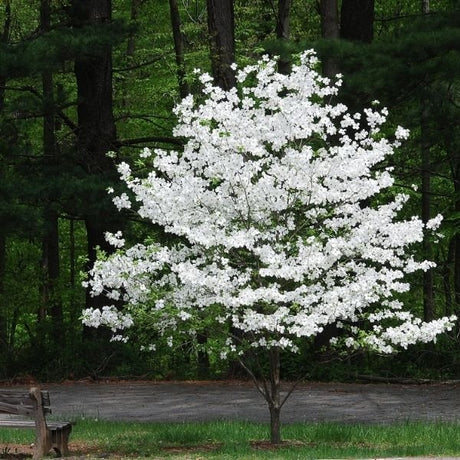
Springtime brings fresh green leaves and beautiful white flowers. These big landing pads are sought after by beneficial insects, bees, and butterflies all spring, with sparse, intermittent, additional flowering sometimes continuing into summer! The show continues with a summer of thick green foliage and porcelain blue berries that is quite attractive to songbirds. Then in the fall after the orange-red leaves drop, you are left with a winter of fire-red stems! These stand out against the greys and browns of winter like red-hot pokers.
Red Twig Dogwoods are well-loved American trees and shrubs. You can count on them for reliable color year in and year out. They are super hardy native cultivars that thrive without much care all over the country. Heat and cold-hardy, thriving throughout USDA growing zones 4-9 and growing 6-8 feet in height but spreading 8-10 feet wide.
Planting and Application:
Cayenne Red Twig Dogwood creates naturalized thickets and wildlife-friendly groves, filling areas with lovely foliage and color for privacy and property definition! Plant on a hillside or slope to control erosion and fast rainwater and they also work well in tough Rain Garden situations.
Excellent massed or as a specimen or effective in shrub borders where plants can be combined with evergreens or Red Twig Dogwoods for a unique display! The variegated foliage stands out against an evergreen hedge or a dark home as a foundation planting. This tall and wide shrub loves moist areas and is perfect for wetland mitigation. Try them in big masses for a show-stopping winter effect. They are great specimen plants in small gardens, too. Try growing them naturally without any shearing to keep them in size to enjoy flowers and fruit without shearing them off!
- Clusters of White Blossoms
- Gorgeous Green Spreading Form
- Bright Blue Berries for Birds
- Orange Fall Color & Dramatic Red Stems
- Four Season & Wildlife Interest
- Great in Masses, Naturalizing, Hedges & Privacy
#ProPlantTips for Care:
Dogwoods are tolerant of partial shade, however, for redder stems and good fall leaf color, full sun is best. Best grown in organically rich, medium to wet soils in full sun to part shade. Cayenne is tolerant of a wide range of soils, including swampy or boggy conditions. Mulch with a layer 3 to 4 inches deep to 3 feet outside of the canopy to ensure the root stays cool in the hot summer. Increase water during dry extreme heat. In the fall, prune the beautiful red stems for your Holiday containers or renewal prune your shrub by trimming out only the thick, old stems down to ground level every 3-5 years to leave the young stems in place to bloom and fruit with abandon.
- Loves Full Sun but Can Grow in Partial Shade
- Adaptable to Wet & Dry Soils
- Can Grow in Wet or Dry Conditions
- Seldom Damaged by Deer & Extraordinarily Cold Hardy
- Prune In Late Winter/Early Spring
A new classic, First Editions® Cayenne Dogwood deserves a place in your garden this year. Order yours from Nature Hills today!
Planting & Care
Delivery and Shipping
Shipping Rates
Ships in 3-5 business days • Tracking provided • Weather protected
| Under $50 | $9.99 |
| $50 - $99.99 | $14.99 |
| $100 - $149.99 | $16.99 |
| $150 - $198.99 | $24.99 |
| $199+ | FREE |
✓ Zone-specific timing • ✓ Professional packaging • ✓ Health guarantee
Find on Page
Type to search specs, description, care, FAQ, and shipping.

