


Sargent Flowering Crabapple Tree
Malus sargentii


Plant Sentry™ Protected
Your order is protected by our compliance system that:
- Prevents restricted plants from shipping to your state
- Ensures plants meet your state's agricultural requirements
- Protects gardens from invasive pests and diseases
Specifications
| Hardiness Zone | 4a to 7b |
|---|---|
| Sunlight | Full sun |
| Height | |
| Width | |
| Growth Rate | Slow |
| Watering Needs | Moderate |
| Blooms In | Spring |
| Flower Color | Pink, White |
| Fragrant | Yes |
| Plant Characteristics | Cold hardy, Compact/Dwarf, Flowering, Fall Color/Interest, Ornamental Berries/Fruit, Disease resistant, Attracts pollinators, Hedge/Screen |
| Botanical Name | |
| Does Not Ship To | AK, CA, HI, ID, MT, OR, PR, VI, WA |
Description
Architectural & Fragrant Sargent Crabapple Tree!
- Naturally Dwarf Crabapple
- Small Space Gardens
- Exceptional Spring Display
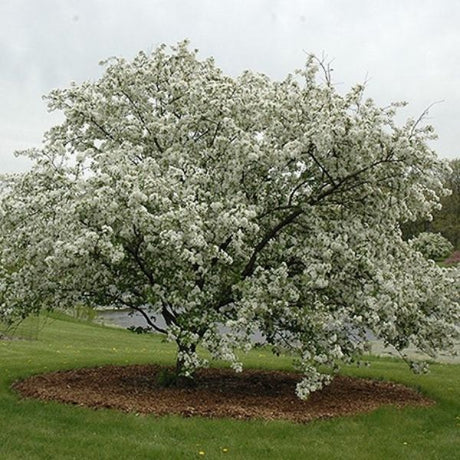
- Stunning Pink-Red Buds Open to Snowy White Flowers
- Delightfully Fragrant Blooms
- Butterfly & Bee Magnet
- Ornamental Landscape Tree
- Dark Green Dense Foliage Turns Yellow in Fall
- Mounded, Wide-Spreading Form
- Bright Red Fruit Persist all Winter
- Architectural Branching 4 Season Interest
- Edible Fruit for Jelly
- Fruit Attracts Birds
- Planters & Bonsai!
Gain year-round interest with the unique-sized and shaped canopy of the Sargent Flowering Crabapple Tree (Malus sargentii)! This dwarf selection fits wonderfully in foundation plantings and is perfectly sized for small modern lots and courtyards!
Join millions just like you who are delighted by the abundant clusters of fragrant, early spring flowers! The dense, spreading canopy is festooned with pretty pink buds that burst open into fragrant white flowers decorated with brilliant golden stamens.
Welcome spring with this scented beauty! Butterflies and local bee populations, as well as hungry songbirds too, will all appreciate your thoughtfulness!
Watch as the spring flowers slowly morph into brilliant, dark red crabapples over the long summer. Even after the yellow leaves drop in fall, the lovely branching and persistent, pea-sized fruit make a wonderful winter display.
How to Use Sargent Crabapple Tree In The Landscape
Whether you add one to a collection of Flowering Crabapples...or count on it as a specimen patio tree. The redolent aroma of Sargent is a dream come true after a long, hard winter.
One of the smallest Crabapples, Sargent features a branch structure that adds a sculptural effect all year long! The mounded canopy spreads wide and displays zigzagging branches. No wonder people adore this variety as long-lived Bonsai, container specimen, or Espalier!
When grown in the ground becomes a true garden highlight! All summer, dark green leaves grow densely to cast refreshing shade.
Use as a backdrop to Butterfly Gardens, or run a hedgerow to create a privacy screen along your property line. Grow in large planters, on balconies, postage stamp lots, and rooftop gardens. You’ll easily enjoy all the benefits of a Flowering Crabapple anywhere!
Fantastic as a standout specimen planting for all sizes of landscape, Sargent is perfect for adorning your front entry, lining a driveway and accenting a porch or patio with selective shade! Add a pretty treatment of Holiday lights and outdoor decorations for a real showcase.
Oh...and yes, the dark-red berries are edible!
Creating lip-smacking preserves, these tart cousins of the Apple are pectin-rich! Helping thicken jellies and add a bright tone. Harvest your fair share before hungry birds eat them all!
#ProPlantTips For Care
Crabapple trees require full sun, so provide your tree at least 6 hours of direct sunlight a day in USDA growing zones 4-7. The dwarf dense spreading crown won’t interfere with utility lines.
Preferring moist, well-drained soil that is organically enriched, plus a generous layer of mulch to insulate and retain moisture. Sargent can be tolerant of drier conditions once it’s established.
Head over to our Garden Blog for more Scoop on Crabapples! Easy care and low maintenance, the Sargent Ornamental Crabapple Tree will delight you for years to come! Order yours at NatureHills.com today!
Planting & Care
Delivery and Shipping
Shipping Rates
Ships in 3-5 business days • Tracking provided • Weather protected
| Under $50 | $9.99 |
| $50 - $99.99 | $14.99 |
| $100 - $149.99 | $16.99 |
| $150 - $198.99 | $24.99 |
| $199+ | FREE |
✓ Zone-specific timing • ✓ Professional packaging • ✓ Health guarantee
Find on Page
Type to search specs, description, care, FAQ, and shipping.
Other varieties
-

-

-

Prairifire Flowering Crabapple Tree
Malus x 'Prairifire'
Regular price $9314Unit price /Unavailable -

Royal Raindrops® Flowering Crabapple Tree
Malus 'Royal Raindrops'
Regular price $6999Unit price /Unavailable -

Sweet Sugar Tyme® Flowering Crabapple Tree
Malus 'Sweet Sugar Tyme'
New arrivalRegular price $11499Unit price /Unavailable -

Coralburst® Flowering Crabapple Tree
Malus x 'Coralburst'
Regular price $6999Unit price /Unavailable -

-
Donald Wyman Flowering Crabapple Tree
Malus 'Donald Wyman'
Regular price $10499Unit price /Unavailable


Plants similar to Sargent Flowering Crabapple Tree
-

Syringa x 'Bloomerang Dark Purple'
Regular price From $4833Unit price /Unavailable -

Syringa vulgaris
30% offSale price $5221 Regular price $7459Unit price /Unavailable -

-

-

Syringa pubescens subsp. patula 'Miss Kim'
Regular price From $3680Unit price /Unavailable -

Lavender Twist® Weeping Redbud
Cercis canadensis 'Lavender Twist'
Regular price From $8999Unit price /Unavailable -

Syringa x hyacinthiflora 'Scentara Double Blue'
Regular price From $9224Unit price /Unavailable -

Cornus sericea 'Baileyi'
Regular price From $8703Unit price /Unavailable


