


Photo courtesy of Proven Winners - www.provenwinners.com
Lemony Lace® Elderberry
Sambucus racemosa 'SMNSRD4'


Plant Sentry™ Protected
Your order is protected by our compliance system that:
- Prevents restricted plants from shipping to your state
- Ensures plants meet your state's agricultural requirements
- Protects gardens from invasive pests and diseases
Specifications
| Plant Characteristics | Cold hardy, Low Maintenance, Compact/Dwarf, Native, Flowering, Ornamental Berries/Fruit, Attracts pollinators, Hedge/Screen, Disease resistant, Fast-growing, Groundcover, Deer-resistant, Fragrant, Drought resistant, Edible |
|---|---|
| Hardiness Zone | 3a to 7b |
| Sunlight | Full sun, Partial shade |
| Height | |
| Width | |
| Watering Needs | Moderate |
| Growth Rate | Moderate |
| Growth Habit | Bushy, Upright |
| Blooms In | Spring |
| Flower Color | White |
| Foliage Color | Yellow, Green, Other |
| Pet Safety | Toxic to pets |
| Suitable Space | Outdoors |
| Botanical Name | |
| Species | |
| Cultivar | |
| Class | Magnoliopsida |
| Does Not Ship To | AK, HI, ID, MT, OR, PR |
Description
If your landscape needs a little boost to take it over the top, this traffic-stopping plant is just the ticket. Compact and colorful, this small shrub makes a big impact in your yard.
Bright yellow, lacy leaves are deeply cut and appear delicate. The fine-textured leaves of the Proven Winners® ColorChoice® Lemony Lace® Elderberry PP26,613 (Sambucus racemosa 'SMNSRD4') are simply spectacular! They keep that bright color straight through summer's heat.
This plant has a free-form upright growth habit. It brings visual energy, especially as the branches sway to and fro in the slightest breeze.
Lemony Lace® Elderberry adds an intense pop of color and brings an informal, organic look to the landscape. New leaves open with a slight red tinge, which makes you look twice, or even three times!
Lemony Lace® blooms before the plants leaf out in spring. The flowers are fluffy creamy-white flowers that bring in the pollen and nectar-seeking pollinators and beneficial insects! Later, the flowers give way and become showy red berries in late summer to fall. These ornamental berries are like catnip for local songbirds!
The plant displays the most exquisite lemony leaf color in full sun. The new growth holds that nice yellow color, and ages to chartreuse and green inside the plant. It is a brilliant display that can't be ignored!
Planting and Application:
Use Lemony Lace® wherever you need an accent that stays compact and colorful! It will stop you in your tracks. Get ready to have people stop and ask about it! Lemony Lace® makes a gorgeous, no-fuss addition to any foundation, hedge, or border planting. You'll love the lower privacy or screening, vivid landscape backdrops, and bright color!
Combine it with burgundy plants, like Black Lace® Elderberry or a Tiny Wine® Ninebark, and you've got a traffic-stopping showpiece in your garden. You can also use the deep, mysterious dark purple of Black Beauty® Elderberry as a backdrop shrub instead. Mix with equally chartreuse Tiger Eyes® Sumac, or Darts Gold Ninebark! Next, add brilliant contrast and fall color by pairing it with the round, leathery leaves of the Blue Shadow Fothergilla shrub. Add evergreen Juniper groundcover to face the front of the planting bed.
Lemony Lace® Elderberry makes a fantastic focal point for you and your guests to look at as you sit on your porch, deck, or patio. Create a fabulous planting by placing a few in front of large evergreen trees.
Be sure to repeat the golden color in smaller plants like large-leaved, chartreuse Hostas or Emerald n Gold or Blondy® Euonymus wintercreeper. Then, punch up the planting bed with a few containers of bright annuals that you change out every year. Bright gold Golden Creeping Jenny would make a perfect coordinating 'Spiller' in these containers.
Have fun with this plant!
Lemony Lace® is a name that says it all! This wonderful shrub works as a specimen plant or accent for any landscape. Use a few in your sunny perennial border as an accent or use multiple plants as a bright backdrop for shorter plants.
Create a fantastic low screen or informal hedge in a sunny area. Repeat the use of this plant in sunny mixed borders and perennial gardens around your yard to tie each of the beds together as a glamorous, unified whole!
For a solid hedge, space them out 2-3 feet on center. For a looser, more relaxed look, increase the spacing to 3-4 feet. Measure from the center of one to the center of the next.
Be sure to invest in a good pair of binoculars to keep near your outdoor furniture. You'd be amazed how relaxing it is to do some bird watching in your own yard. And birds do love those berries!
Some Elderberries produce edible berries that can be used in jelly, but not this variety! Lemony Lace® berries are only ornamental for humans. But if you want fruit for your feathered friends, Lemony Lace® Elderberry will set fruit if planted near a Sambucus racemosa variety.
They will tolerate almost any soil! Lemony Lace® introduces brilliant yellow color in Rain Gardens, natural wetlands, and waterfront properties.
- Gorgeous Chartreuse Foliage
- New Growth is Edged in Red
- White Flat-Topped Flower Clusters in Spring
- Red Fall Berries Loved by Songbirds
- Incredible in Cut Flower Arrangements
- Useful Size For Containers, Hedges, Specimens & Showy Backdrops
#ProPlantTips for Care:
Lemony Lace® is a tough plant, too. It is very cold hardy and wind-resistant, and deer won't touch it. It thrives in full sun and well-drained soil, especially in the North. It does great in partial shade in warmer climates of USDA planting zones 4 to 7. This plant is reliable and easy. It is hardy in a wide range of temperatures, adapts to many different soils, and is able to come back from even severe pruning with ease.
Provide 3-4 inches of arborist Mulch to ensure that the shallow roots are kept cool and moist. Give it regular water during its first year, then water during drought and excess heat. Fertilize in the spring and mid-summer with an acid fertilizer, such as Dr. Earth's Acid Lovers Premium and Organic Fertilizer.
Elderberry bushes flower on last year's wood, so cut the plant back to the desired shape after the plant flowers, though this will remove any later fruit. To enjoy flowers and fruit for the birds, it is recommended you instead renewal prune when dormant, removing 3-year-old canes back to the ground. Cut back all 2-year canes by half and remove all weak and dead canes. Some homeowners cut all the branches down to the ground each year. This produces vivid, fresh new growth and keeps Lemony Lace® plants smaller.
- Grows in Full Sun or Partial Shade
- Highly Adaptable to Any Well-Drained Soil Type
- Thrives In Moist to Dry Conditions Once Established
- Flowers On Old Wood - Prune After Flowering
- Deer Resistant, Easy to Grow & Few Pest or Disease Issues
- Cold & Heat-Hardy, Tough, Rugged & Widely Adaptable
Use this soft, fluffy shrub with its sunny color to brighten up your landscape. This field-tested Proven Winners® ColorChoice® selection might steal the show with its bright yellow, finely dissected leaves. Go with it, you'll love this special variety. Order your Lemony Lace® Elderberry today at Nature Hills Nursery!
Planting & Care
Delivery and Shipping
Shipping Rates
Ships in 7-10 business days • Tracking provided • Weather protected
| Under $50 | $9.99 |
| $50 - $99.99 | $14.99 |
| $100 - $149.99 | $16.99 |
| $150 - $198.99 | $24.99 |
| $199+ | FREE |
✓ Zone-specific timing • ✓ Professional packaging • ✓ Health guarantee
Find on Page
Type to search specs, description, care, FAQ, and shipping.

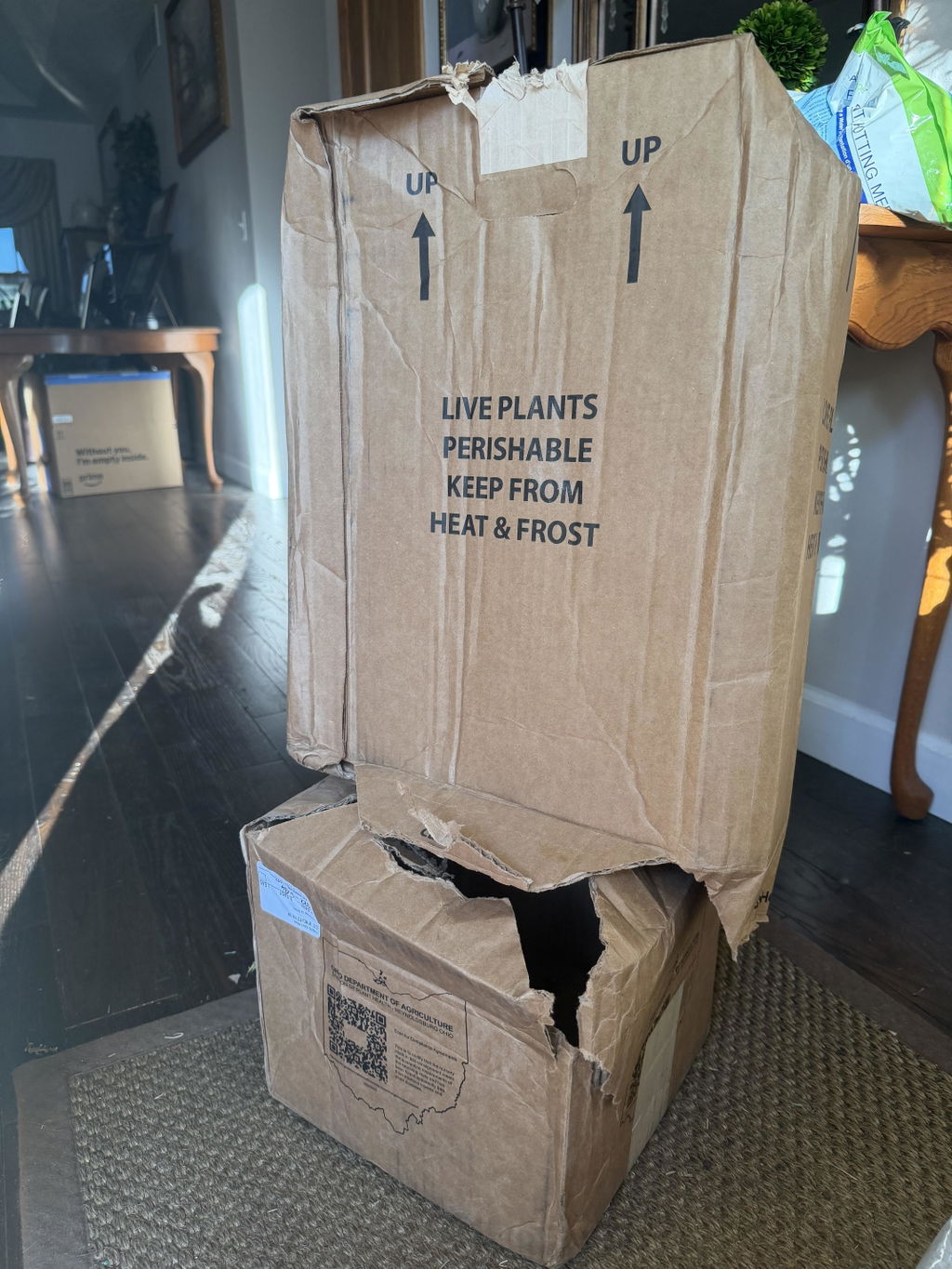
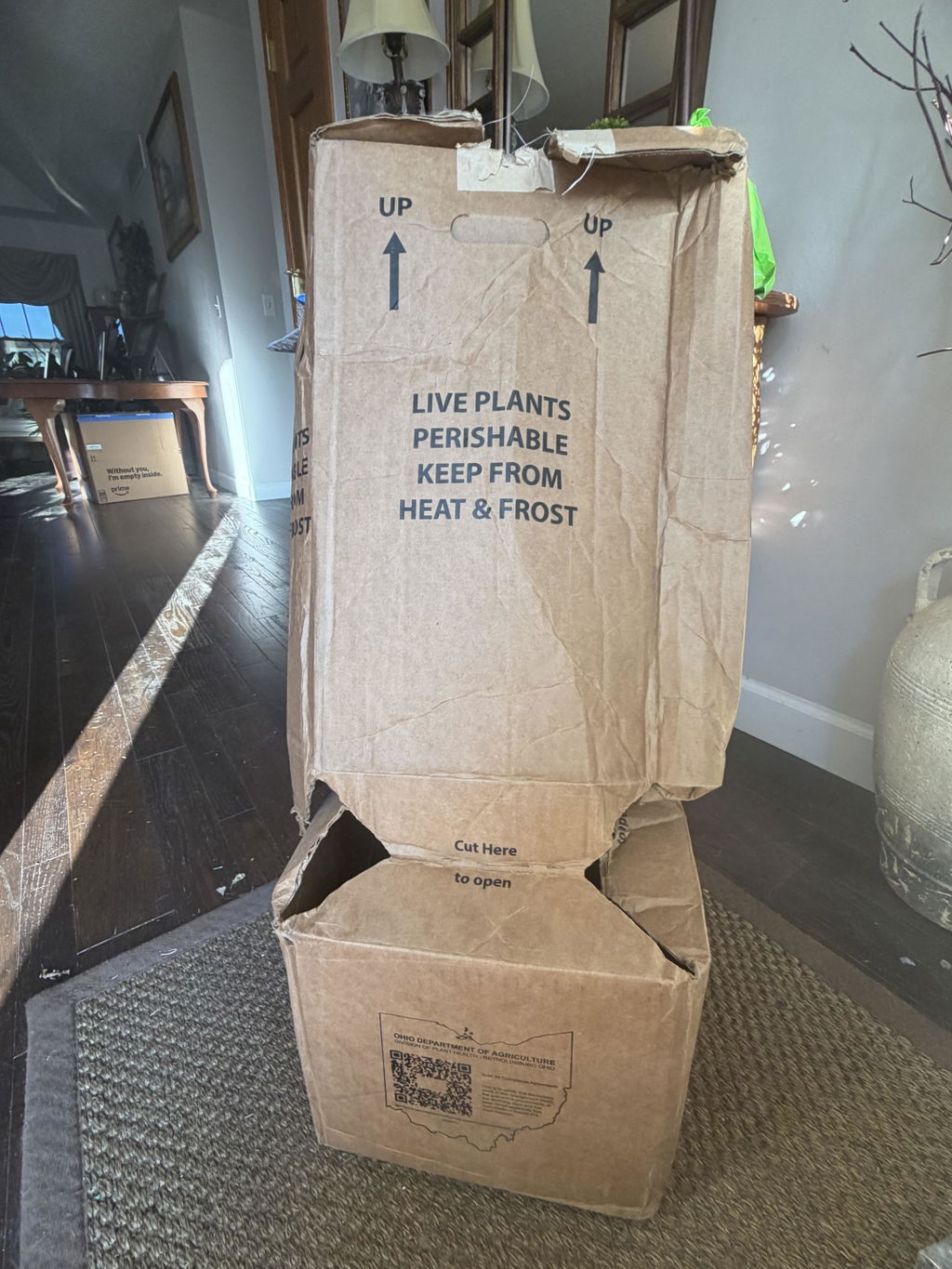
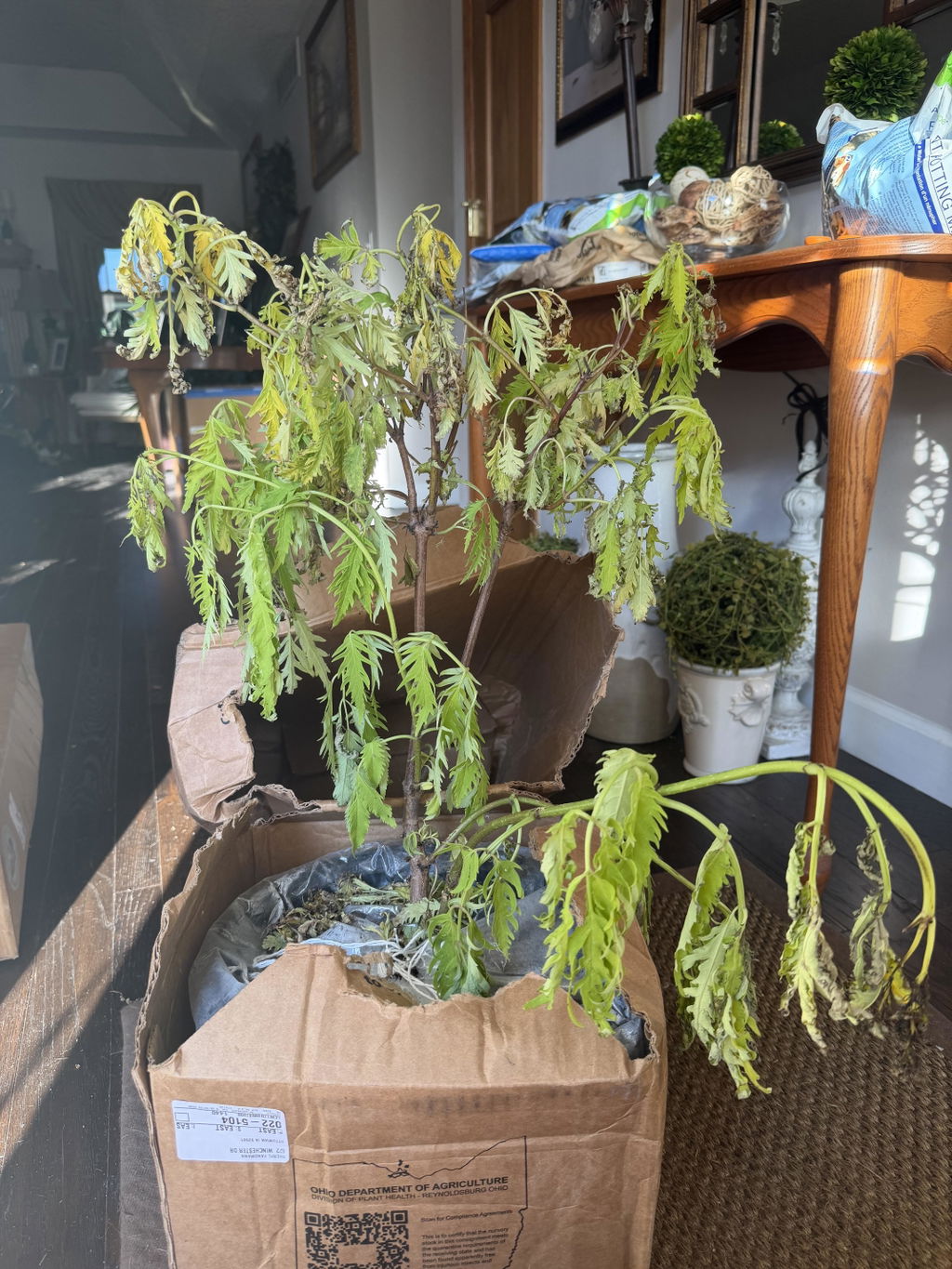
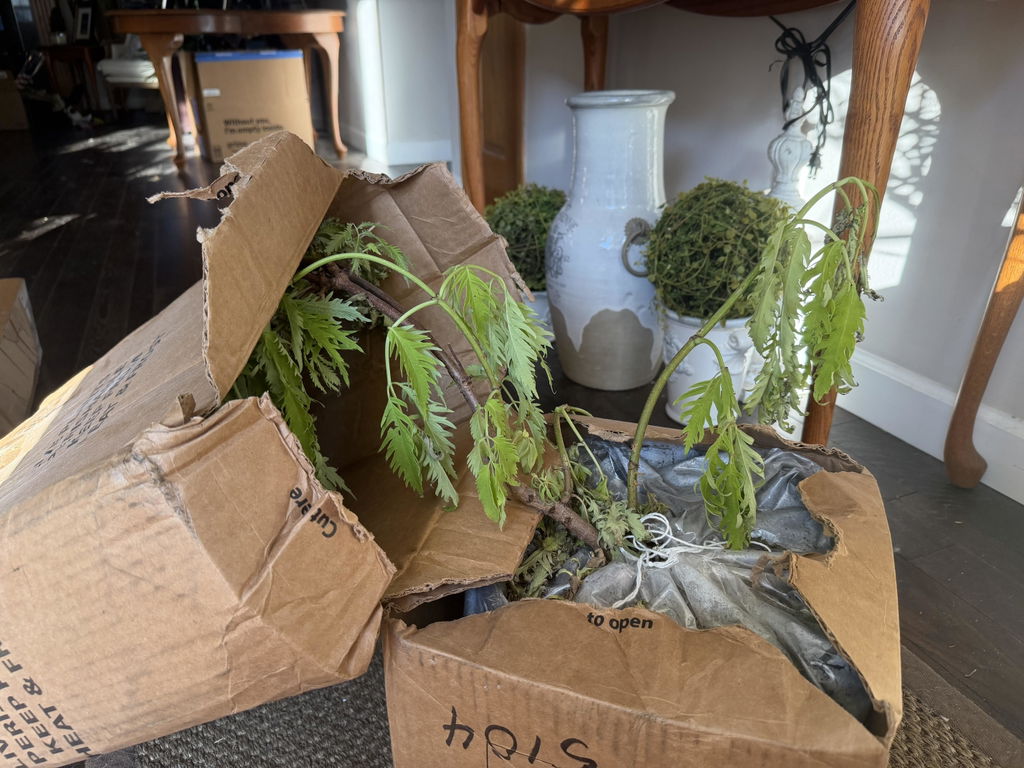
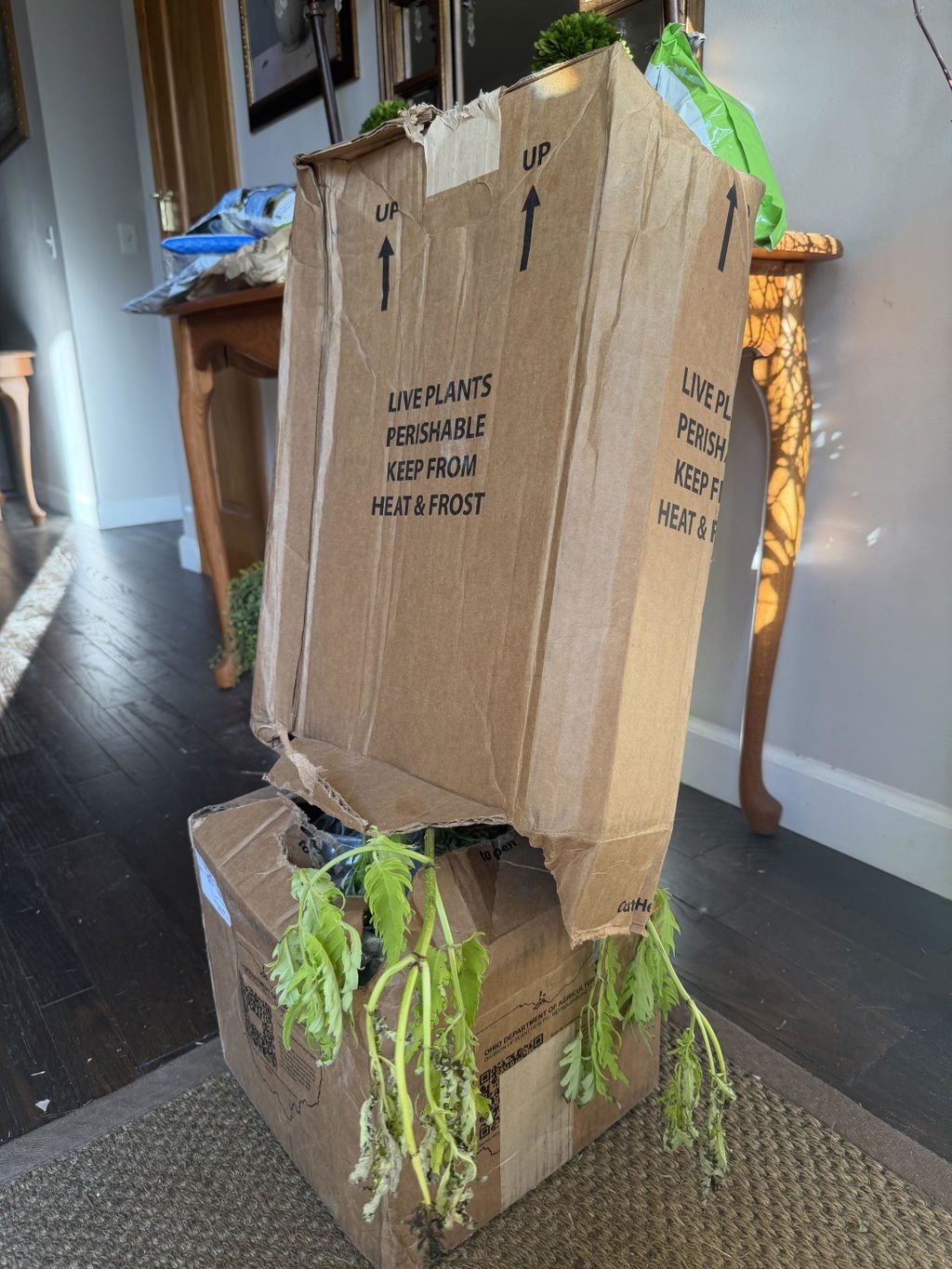
The packaging was smashed when my lemony lace elderberry was delivered. I immediately put it in a bucket of water. 24 hours later at least a third of the plant was brown and needed to be trimmed. It is currently looking very sick and it is doubtful that it will survive. I emailed Nature Hills with pictures attached,called multiple times and left a message, with no response whatsoever from Nature Hills. I have purchased several plants and trees over the years from Nature Hills and have been very satisfied, however, if there is a problem with your purchase don’t expect any response from Nature Hills.
Arrived in great shape and perked up immediately after planting. I'm already seeing growth and it seems to be thriving.
Lemony Lace settles in quickly when it's happy, and early new growth is a great sign. It should fill out nicely over the season and that ferny foliage will keep earning its spot next to whatever neighbors it has. Thanks for sharing the update, David.
Arrived a little brown but getting better
A little shipping stress on the foliage is pretty common with elderberries, and it sounds like yours is already bouncing back, which is a good sign. Once it settles into the ground and the roots get established, Lemony Lace tends to push out strong new growth quickly. Thanks for the update, and feel free to reach out to our team if you have any concerns as it continues to recover.
