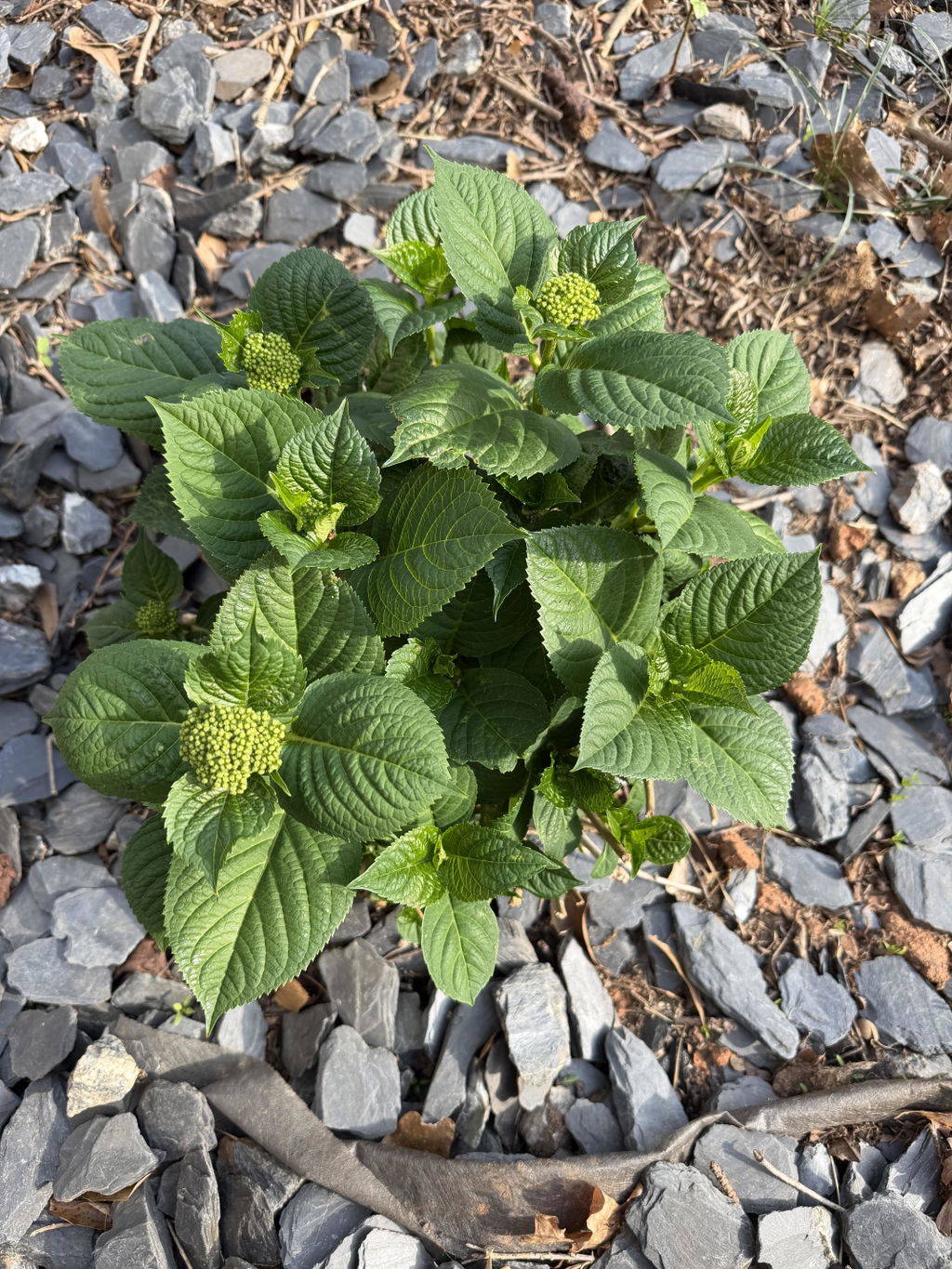
FLARE™ Panicle Hydrangea
Hydrangea paniculata 'FLARE'


Plant Sentry™ Protected
Your order is protected by our compliance system that:
- Prevents restricted plants from shipping to your state
- Ensures plants meet your state's agricultural requirements
- Protects gardens from invasive pests and diseases
Specifications
| Plant Characteristics | Cold hardy, Low Maintenance, Compact/Dwarf, Flowering, Fall Color/Interest, Heat Tolerant, Container Friendly, Non-invasive |
|---|---|
| Hardiness Zone | 3a to 8b |
| Sunlight | Full sun |
| Height | |
| Width | |
| Watering Needs | Moderate |
| Preferred Soil | Clay, Loamy, Peaty, Sandy |
| Growth Rate | Moderate |
| Growth Habit | Bushy, Spreading, Trailing, Upright |
| Blooms In | Fall, Summer |
| Flower Color | Pink, White |
| Foliage Color | Green |
| Pet Safety | Toxic to pets |
| Suitable Space | Outdoors |
| Plant Name | Hydrangea |
| Botanical Name | |
| Species | |
| Cultivar | |
| Class | Magnoliopsida, Cornales |
| Does Not Ship To | AK, HI, ID, MT, PR |
Description
Some shrubs peak once and fade. Hydrangea paniculata 'Kolmavesu', sold exclusively as FLARE™ by Bloomin' Easy®, earns its place in the garden by changing character entirely across the growing season. What opens in early summer as crisp white cone-shaped panicles slowly blushes to pink, then deepens into a saturated red by fall, all on the same flower head. This color shift is driven by anthocyanin pigments that intensify as temperatures cool, making FLARE™ particularly vivid in northern gardens where fall arrives with a chill. Compact at just 2–3 feet tall and wide, it fits containers, borders, and foundation plantings where larger hydrangeas overwhelm.
A Compact Hydrangea That Goes the Distance
FLARE™ was bred with small-space gardeners in mind. At 2–3 feet in both height and spread, it fits the front of a mixed border, anchors a patio container, or lines a walkway without ever needing a hard renovation cut to stay in bounds. Its tidy, rounded habit requires no staking and no structural pruning, just a late-winter cutback to keep energy focused on new growth and new blooms.
Compared to older panicle hydrangeas like 'Limelight' or 'Pinky Winky', FLARE™ is significantly more compact while still delivering the same dramatic conical flower clusters. Each bloom head can stretch 6–8 inches long, large relative to the plant size, making the color transition impossible to miss from across the yard.
Three Seasons of Color from One Shrub
The bloom timeline begins in early to midsummer with pure white panicles held upright on strong stems. By late summer, blush pink tones develop as the flowers mature. Then, as nights cool in early fall, anthocyanin production accelerates and the flowers shift decisively to rose and red. In Zones 3–5, where fall temperature swings are most dramatic, the color deepens to a rich burgundy-red. In warmer zones, the transition is subtler, more dusty rose than red, but still distinct.
Subtle Fragrance
A detail competitors rarely mention: FLARE™ carries a light, sweet fragrance on warm summer mornings. It won't fill the entire yard, but plant it near a patio, entryway, or window and you'll catch it when conditions are right. This makes it a natural choice for sensory gardens or accessible raised planters.
Wildlife Value
The open flower clusters attract a range of native pollinators. Bumblebees, sweat bees, and various butterflies visit regularly during the long bloom window that stretches from early summer through fall. Unlike some ornamental plants bred purely for visual appeal, FLARE™ produces accessible pollen that native bees can actually use.
Hardiness and Where It Thrives
Hardy in USDA Zones 3–8, FLARE™ is among the most cold-tolerant hydrangeas available, surviving winter lows of -40°F without special protection. This makes it a reliable choice across a huge portion of North America, from the northern plains to the mid-Atlantic. It tolerates summer heat in Zone 8 with afternoon shade provided, and it handles the freeze-thaw cycles of Zones 3 and 4 better than virtually any other hydrangea group.
- Zones 3–8: one of the coldest-hardy hydrangea options available
- Compact 2–3 ft habit fits containers, borders, and small-space gardens
- White to pink to red color progression across one long bloom season
- Subtly fragrant, noticeable near patios and entryways on warm mornings
- Blooms on new wood: prune late winter for guaranteed annual blooms
- Deer resistant and low maintenance once established
Planting and Care Basics
Full sun produces the best bloom count and the richest fall color, though FLARE™ accepts part shade, especially in hot climates. Plant in well-drained soil, as waterlogged clay is the main thing to avoid. Water consistently during the first season to establish roots, then step back. Fertilize lightly in spring with a balanced slow-release product and prune in late winter before growth begins. Because FLARE™ blooms entirely on new wood, timing matters: prune before buds break, and you'll never lose a season of flowers.
Design Ideas for FLARE™ Panicle Hydrangea
In the landscape, FLARE™ works beautifully as a low hedge along a pathway, massed in groups of three for a bold border statement, or grown as a standalone specimen in a large decorative container. Its compact size makes it a strong companion for ornamental grasses, coneflowers, and black-eyed Susans, plants that share its sun and soil preferences and extend the visual interest of the planting bed through fall.
For container growing, choose a pot at least 18–24 inches in diameter with excellent drainage. Use a quality potting mix amended with compost. Container-grown plants may need winter protection in Zones 3–4: move them to an unheated garage or bury the pot to the rim in a sheltered spot.
Ready to Plant? Order FLARE™ Panicle Hydrangea Today
FLARE™ Panicle Hydrangea earns its place in the garden three times over: as a summer showpiece, a fall color accent, and a reliably hardy shrub that comes back stronger each year. Shop Nature Hills for FLARE™ Panicle Hydrangea and get a quality Bloomin' Easy® plant shipped at the right time for your zone.
Planting & Care
Delivery and Shipping
Shipping Rates
Ships in 7-10 business days • Tracking provided • Weather protected
| Under $50 | $9.99 |
| $50 - $99.99 | $14.99 |
| $100 - $149.99 | $16.99 |
| $150 - $198.99 | $24.99 |
| $199+ | FREE |
✓ Zone-specific timing • ✓ Professional packaging • ✓ Health guarantee
Find on Page
Type to search specs, description, care, FAQ, and shipping.

Beautiful plants, packed almost perfectly! I bought 5 of these bobos to replace roses dying of rose rosette virus. There was very minimal and insignificant damage to just a few stem ends, and to have this successful shipping with plants of this size was quite a feat! Thank you! Growing nicely, and I’m sure will be lovelier every year!
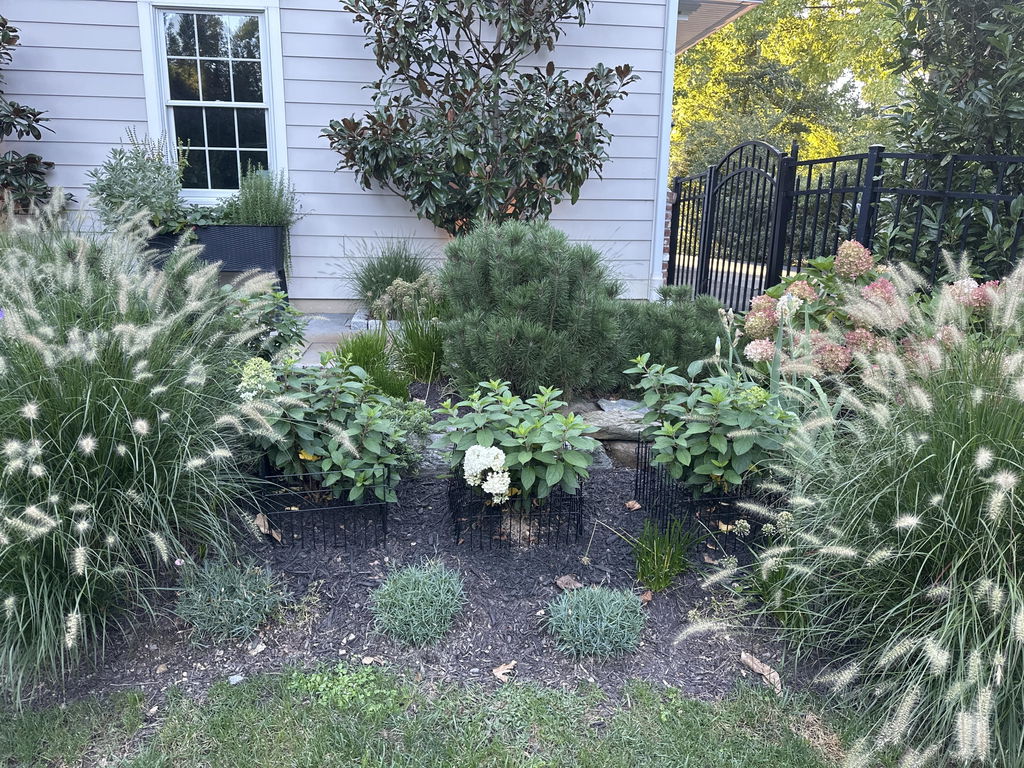
You can tell their plants are packaged with so much love! We received our hydrangea tree and she’s PERFECT. I will definitely be ordering again and again!
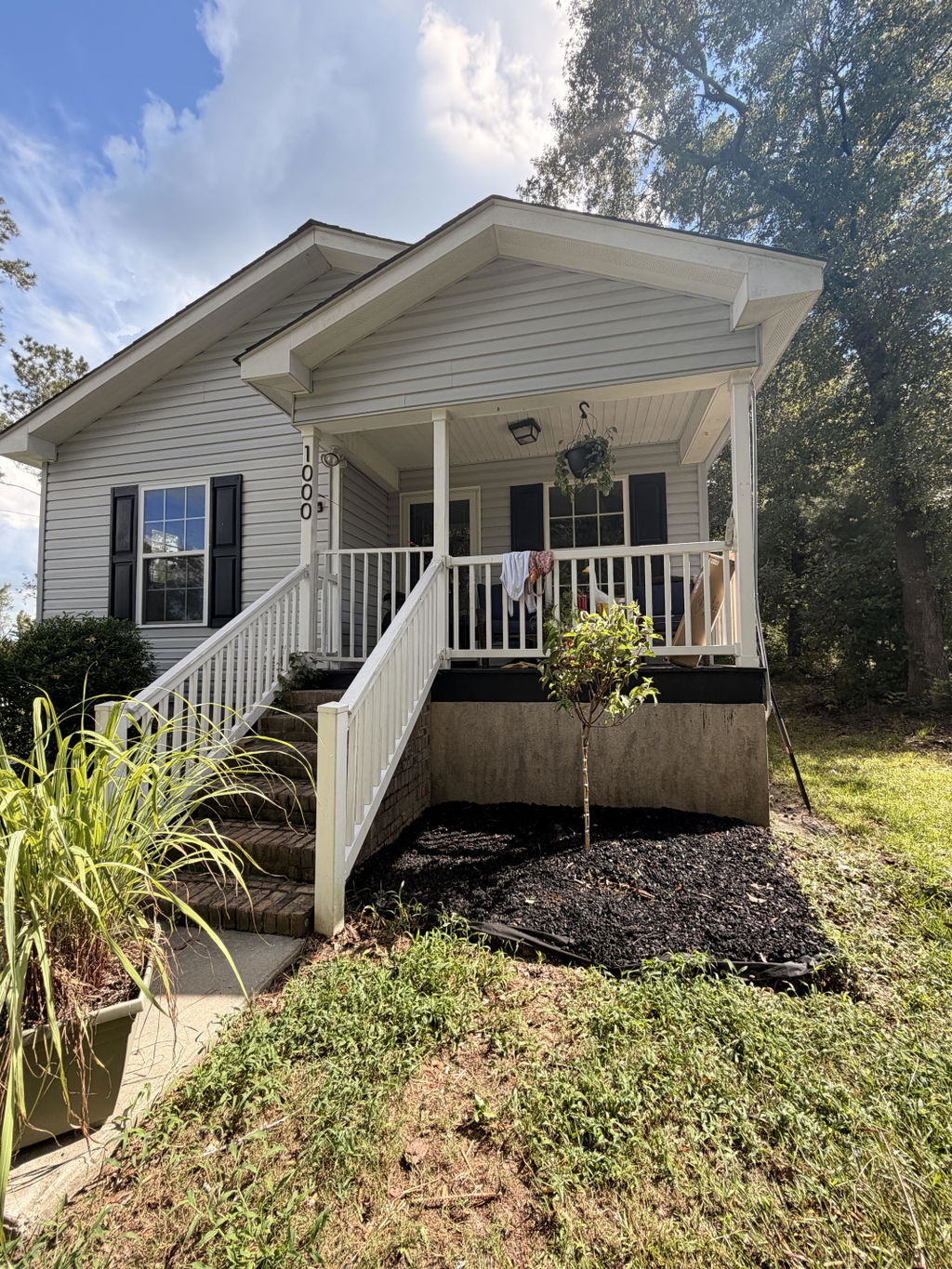
Vanilla Strawberry is hard not to love, and it sounds like yours arrived ready to impress. We do take the packaging seriously, so it's good to know it showed. Give her a sunny spot and consistent water through the first season and she'll reward you for years to come. Thanks for the kind words, Shelby, and we look forward to your next order.
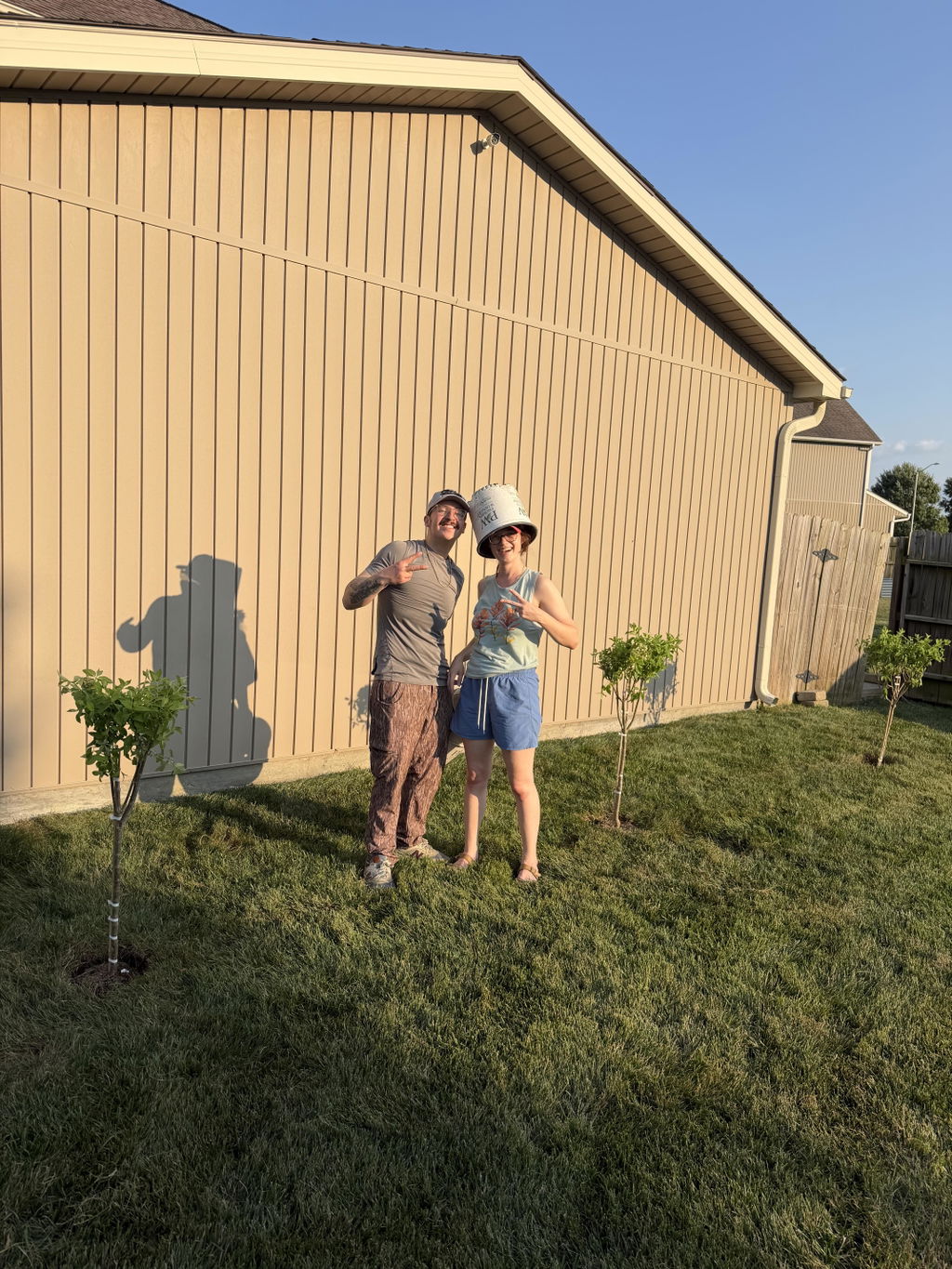
This is my second Invincibelle Limetta. The 1st I gave to a neighbor as a good gesture after I had purchased a plant while waiting for another shipment to arrive.
Each hydrangea were very nice considering their quart size container. The price came to around $42 with shipping & 1 year guarantee, and while that seems like a lot considering its size, try to find a nice hydrangea in late July without going to an expensive garden center. Unless you plan to pay in excess of $80, and are willing to take whatever they have left in stock, you won't have much luck. Plant was well packaged, UPS left in the shade for me.
Very happy with the purchase.
** Just a warning for people planting new Limetta's in areas where rabbits/voles are plentiful. **
It took 1 night for a rabbit or vole to eat every stem but 1 on my newly planted hydrangea. What was a beautiful plant is now quite sad looking. I surrounded it today with a 16" tall translucent pail to save what's left, but the damage is extensive. Of all 15 hydrangeas I've planted since late May, this is the only one rabbits have destroyed or even looked at. So keep in mind, that your new Invincibelle Limetta should be surrounded by a cage or other fencing to keep out the fury thieves.
* 2nd update - yesterday my plant cage arrived so I enclosed my Limetta with a nice cage to keep the rabbits out. I felt pretty confident that this was the cure, gave a quick watering and off I went. This morning I glanced over to see nothing left of the plant but small stems from the root ball. This tells me that voles are the likely cause and the plant will require a solid guard approximately 3-4" high to keep out the rodents. I'll be replacing the plant with a 2 gal version from a garden center 73 miles away. Hoping the more mature plant will deter the voles from continued foraging on my wallet. *
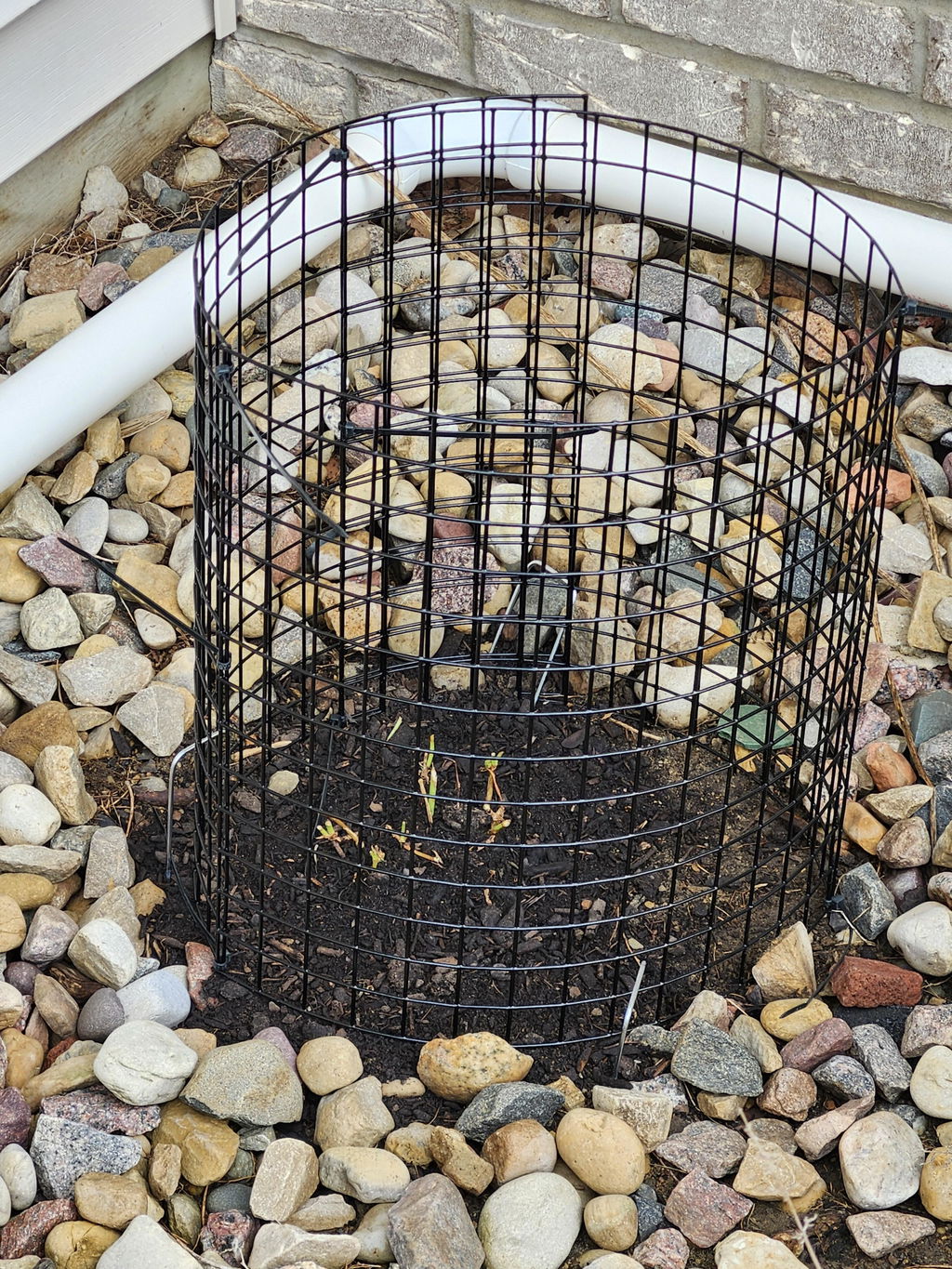
Having a second Invincibelle Limetta on the way after giving the first one to a neighbor is a pretty good sign the plant made an impression. You make a fair point about sourcing hydrangeas in late July. Local garden centers are usually picked over by then, and the variety selection gets slim fast. Give it a season to settle in and it should fill out well from that quart size. Thanks for sharing your experience, Jeff.
So far so good. Be nice if they could bloom before fall. Hopefully.
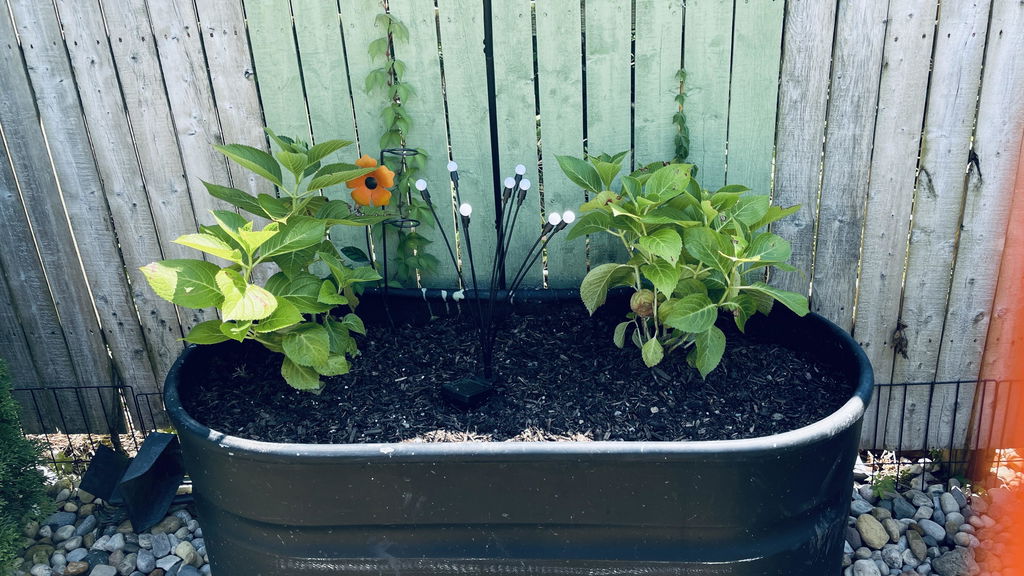
Wee Bit Innocent is a reliable re-bloomer, so even if the first flush is late in the season, it should come back strong each year as it settles in. A little patience in year one usually pays off well with hydrangeas. Thanks for planting one, Karin, and we hope you get some blooms to enjoy before the season wraps up.
Gorgeous!
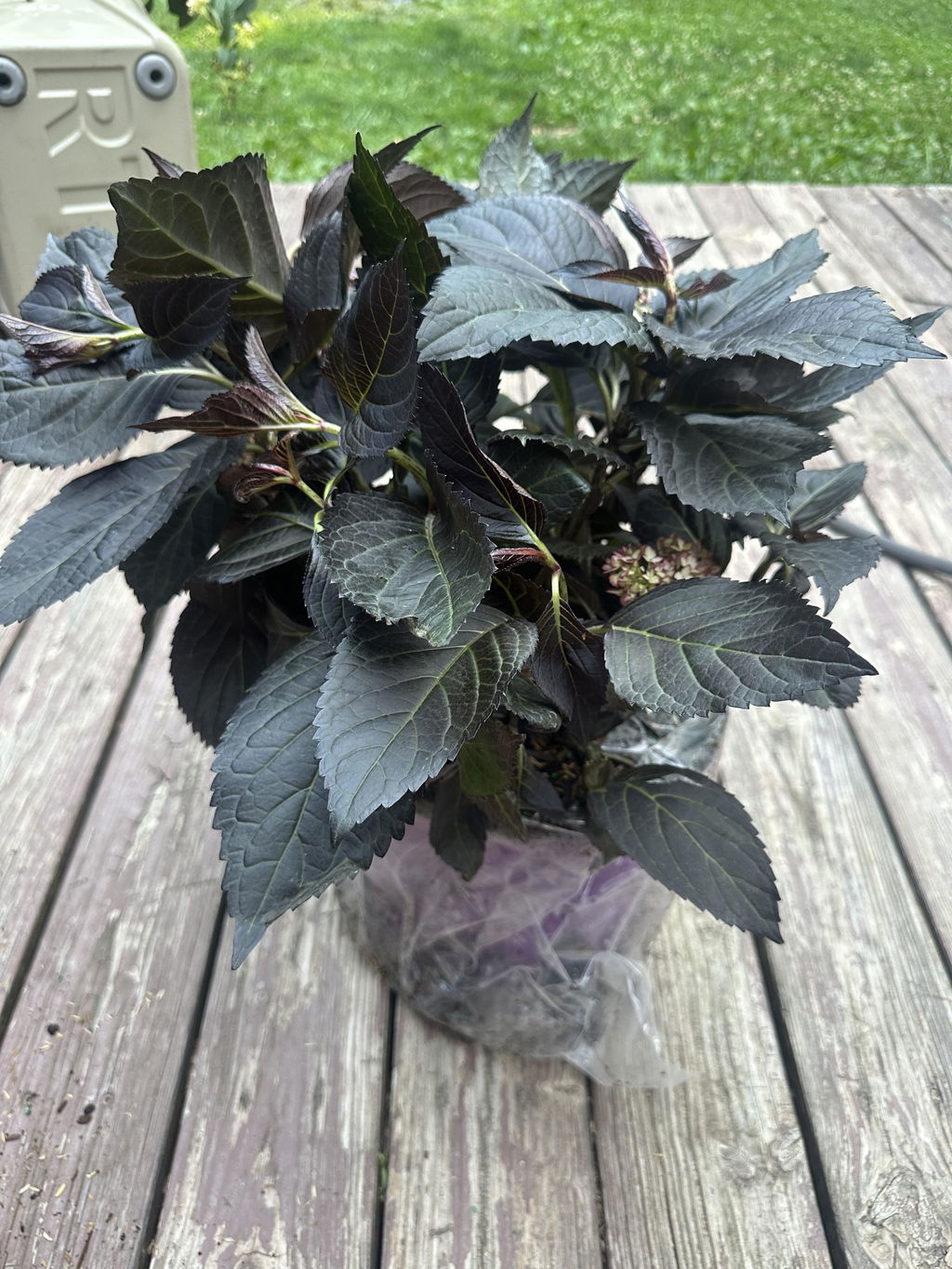
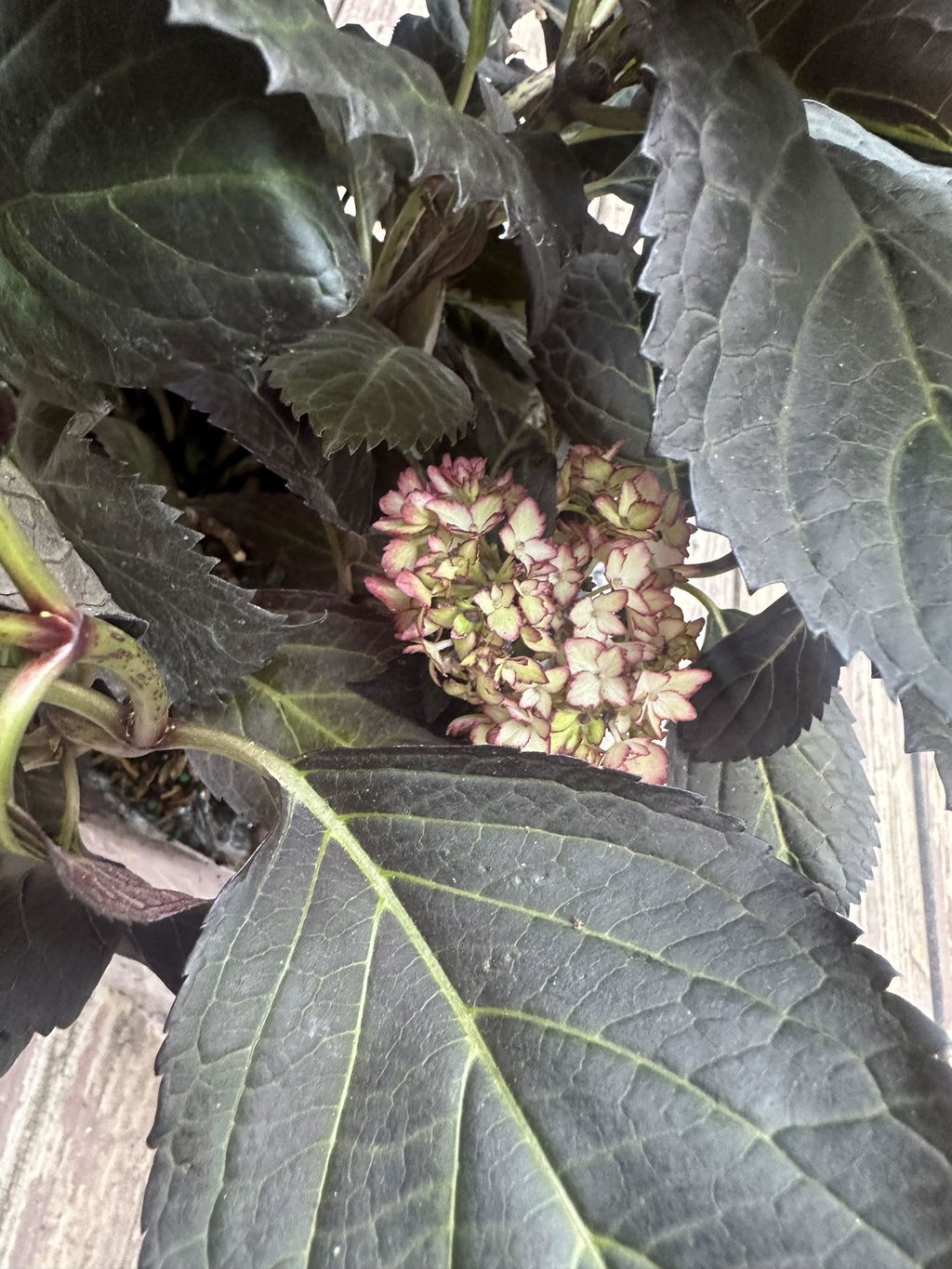
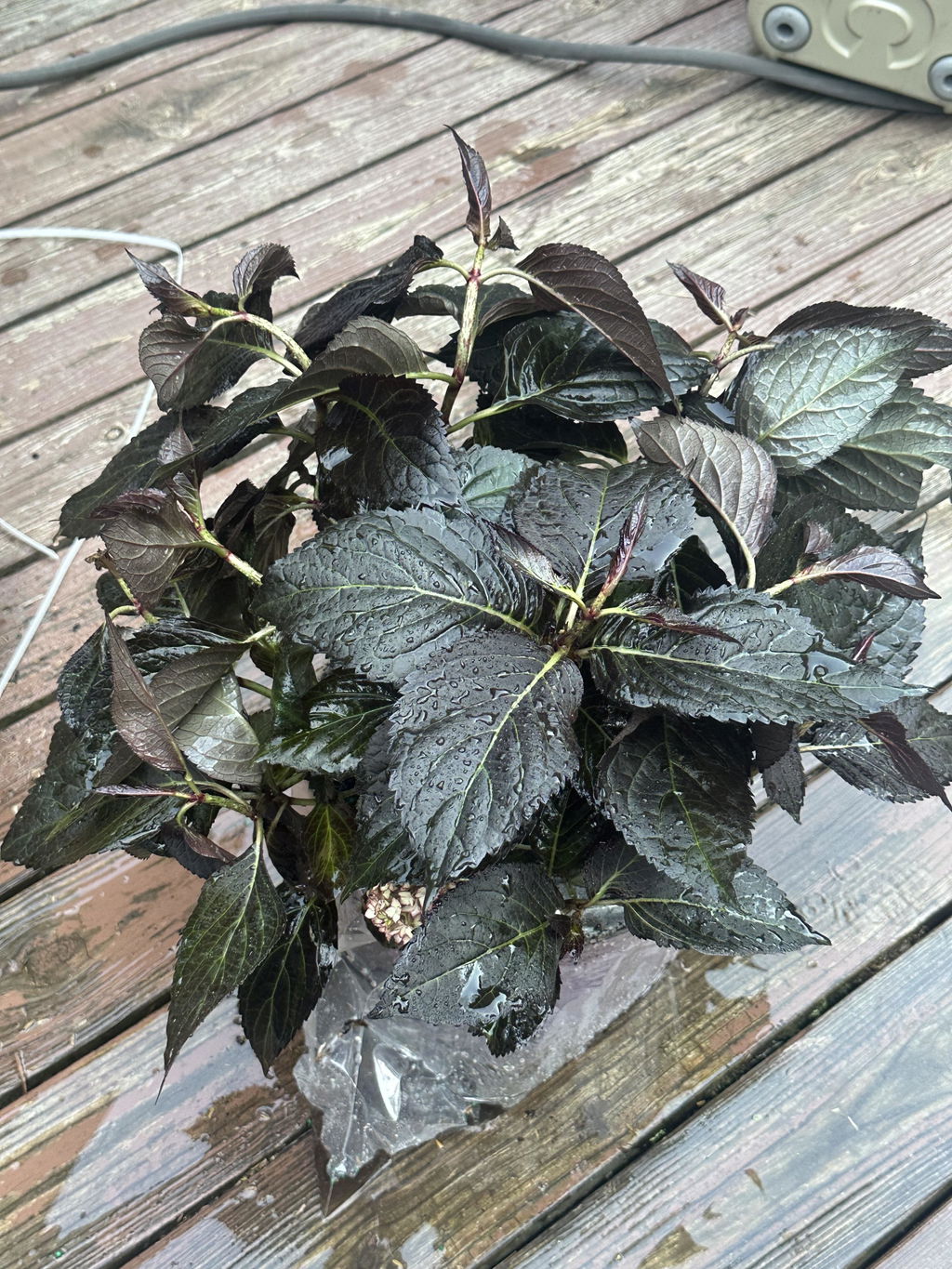
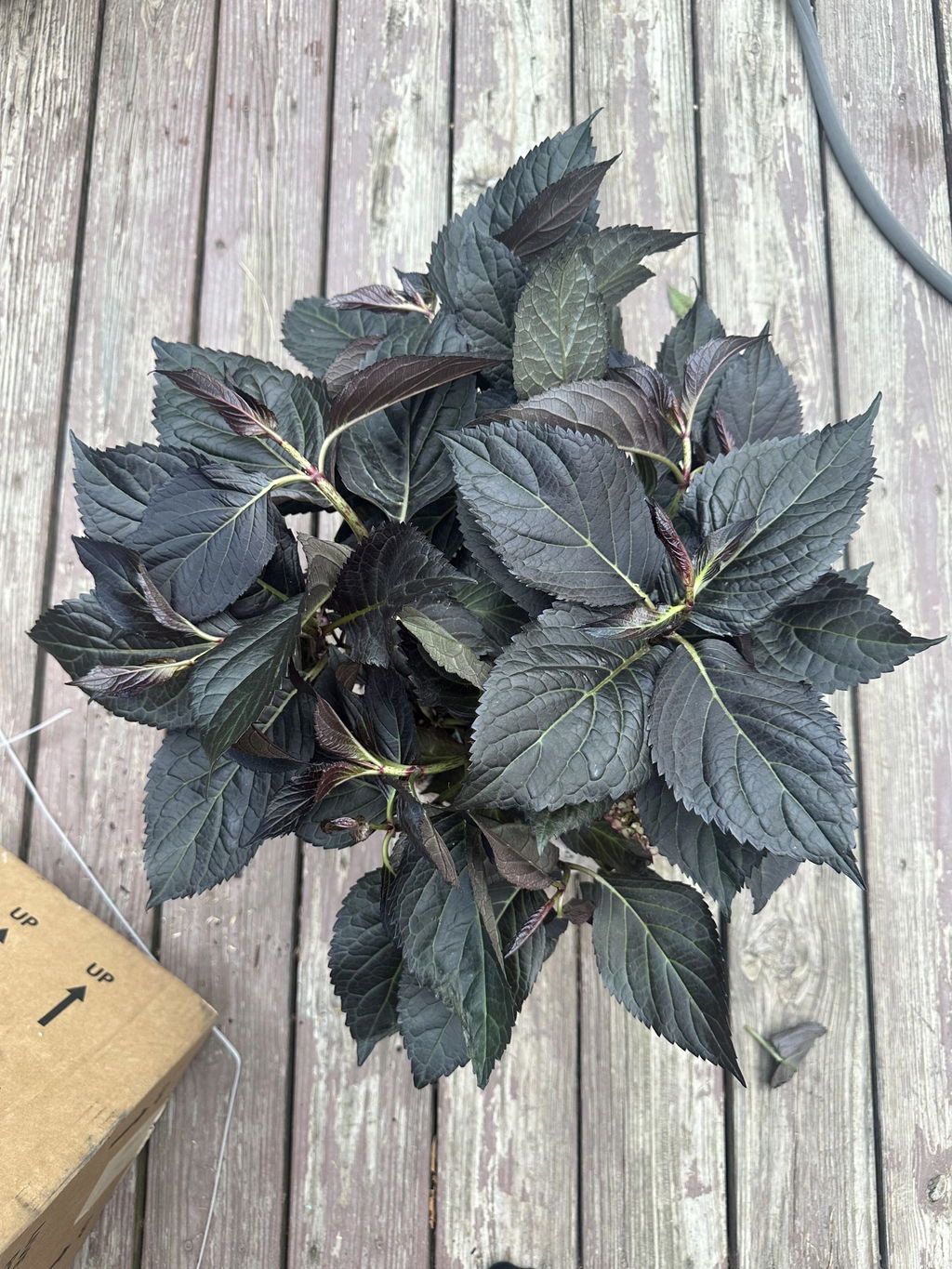
Bigleaf hydrangeas like Eclipse can really make a statement in the garden, and it sounds like this one arrived ready to hit the ground running. If you want big, bold blooms, keep the soil consistently moist and give it some afternoon shade in hotter climates. Thanks for sharing, Mary, we hope it puts on a great show for you this season.
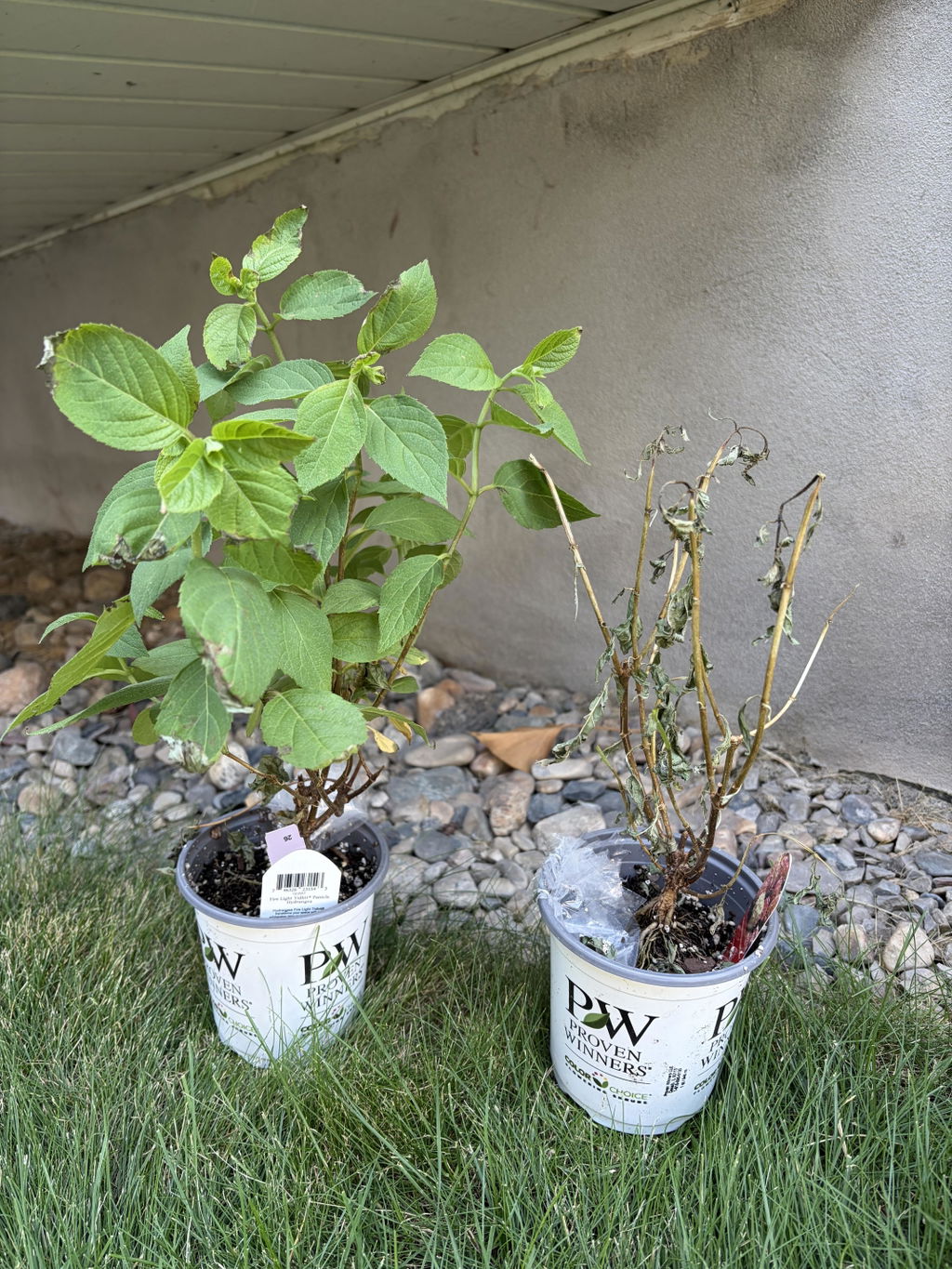
Nature Hills Nursery shipped 2 Tidbit Panicle Hydrangeas to my home in the same container. One arrived in good condition and the other was essentially dead. I have planted the good Hydrangea, and it seems to be doing well in my garden. I recommend different packaging when shipping 2 plants together. Both plants should have their base pot on the same side of the container with verbiage on the box stating, "This Side Up". The 1 that did not make it was planted with the base pot facing the opposite direction of the other plant. When the box got turned "upside down" in relation to the Hydrangea that arrived in good condition, some of the moist soil in the "bad" plant apparently fell out.
I received 2 of the #2 pots. Love, love, love these Summer Crush Bigleaf Hydrangeas! So well packaged and so healthy!
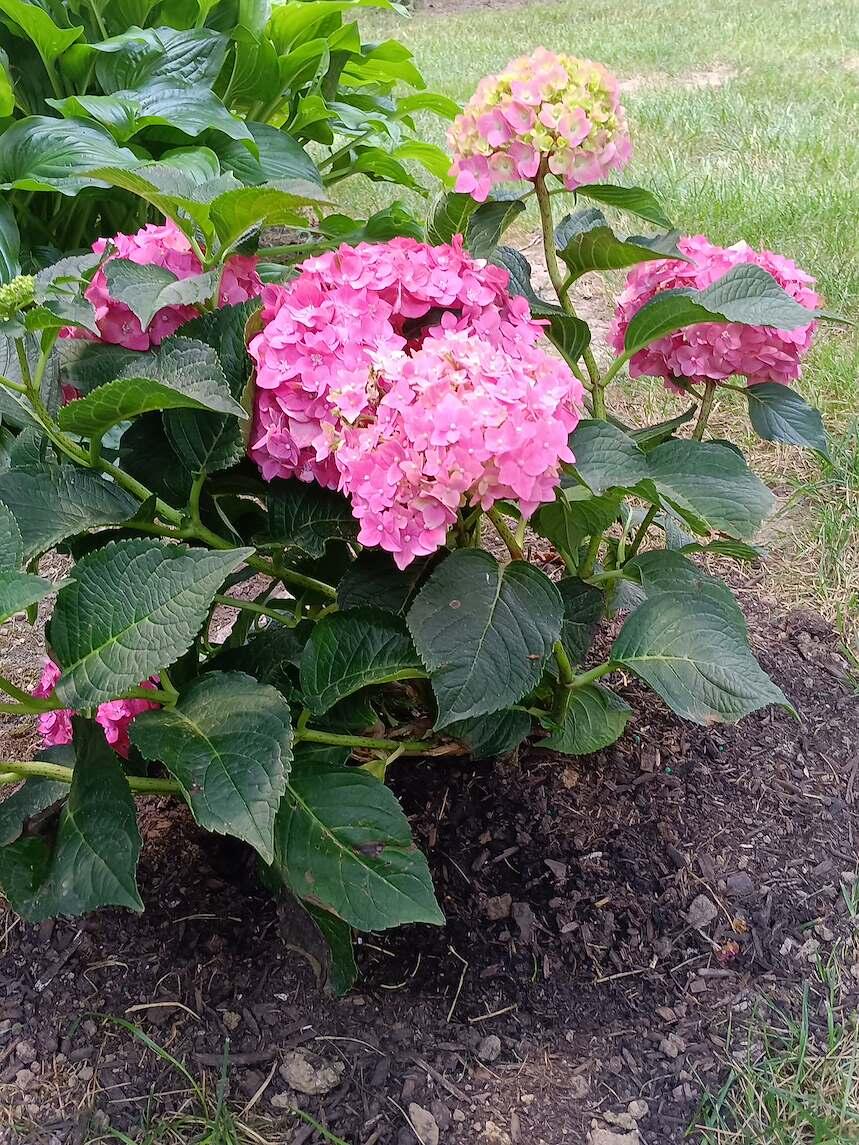
Summer Crush is such a reliable performer, and it's great to hear yours arrived in good shape and ready to get established. These do best when you keep the soil consistently moist through their first season, so they can put energy into rooting rather than just surviving. Thanks for sharing, Irish2OH. We hope they reward you with plenty of those deep raspberry blooms.
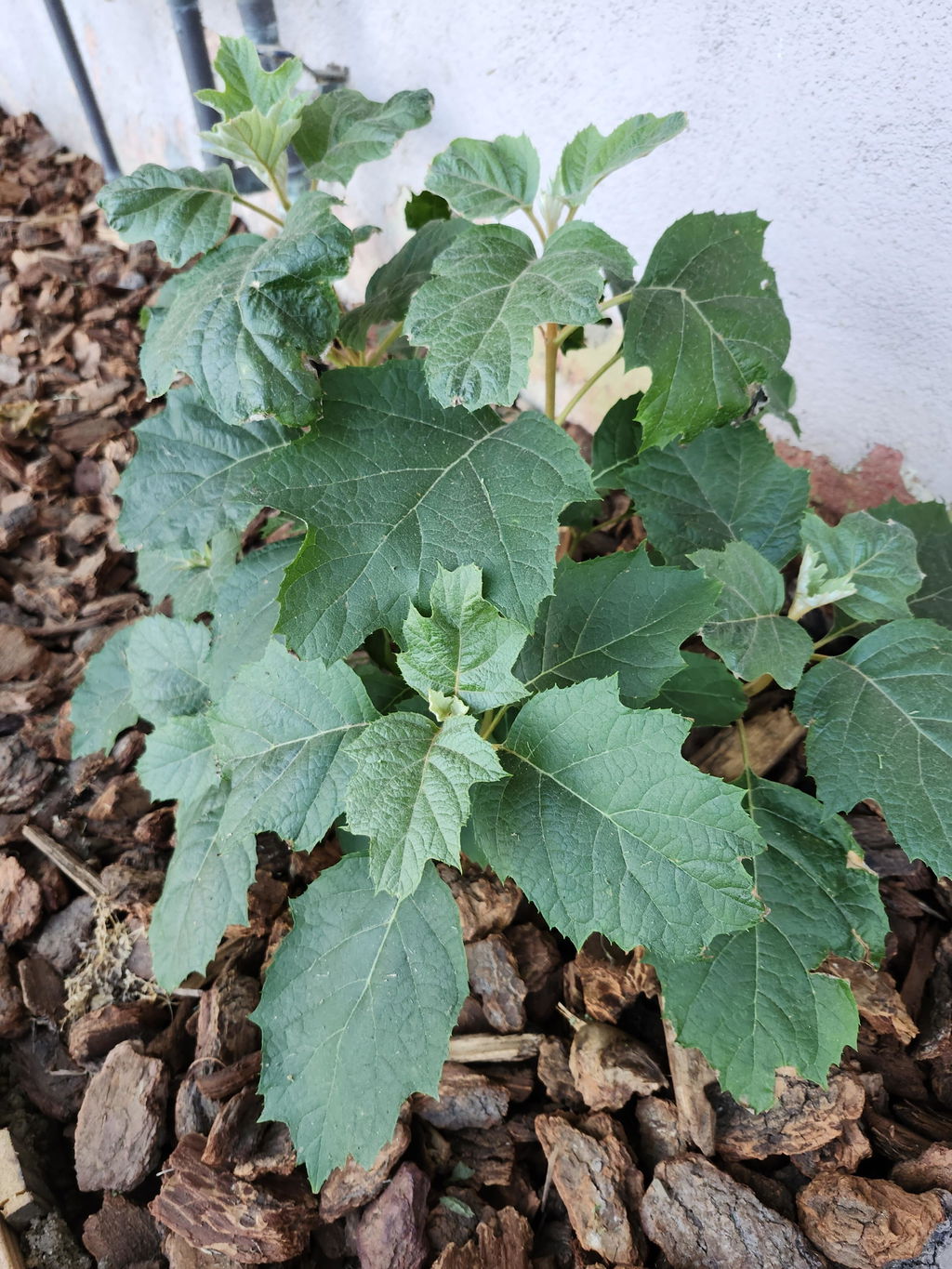
First of all, the communication with this company has to be the worse I've ever experienced, it took almost 3 months before I got the oakleaf hydrangea( I emailed this company several times regarding the shipping info with no response) not to mention that I ordered a red slipper but got a alice white hydrangea (they charged me for a red slipper tho)
Upon arrival, this plant was in terrible shape, broken new growth, torn leaves and not enough soil around its roots, the box it came in looked like it had been kicked around. Now that the hydrangea has been planted and being cared for it looks much better.
Unfortunately!!!
I won't be ordering from this company ever again
Terrible quality Azure Skies Hydrangeas. I ordered #3 pots and they took 3 smaller plants, bundled them together and shoved them into a #3. When you plant them the root systems are not even established so they literally fall apart. As you can see from the photos they are terrible quality. Avoid avoid avoid and go support your local nursery instead.
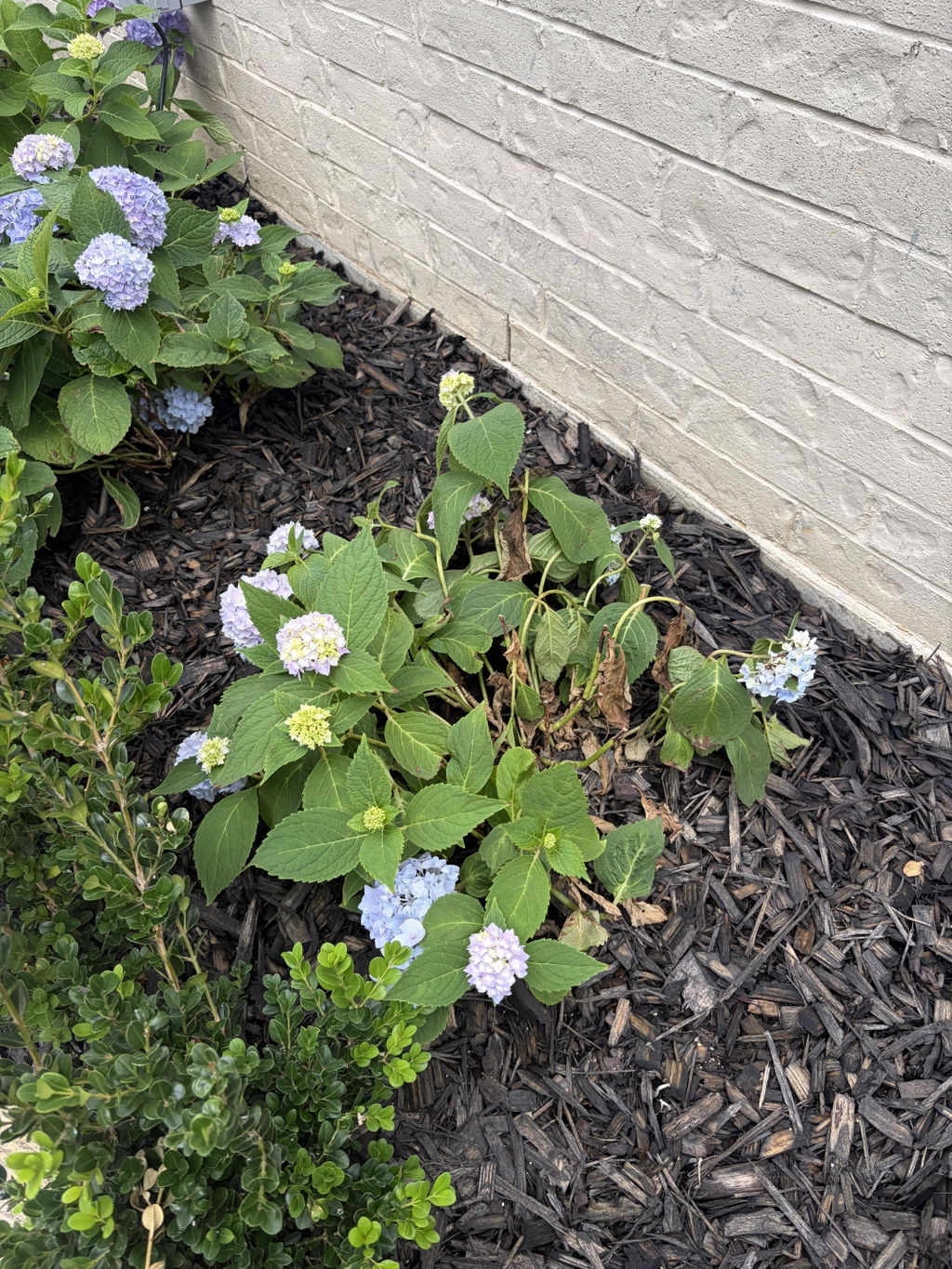
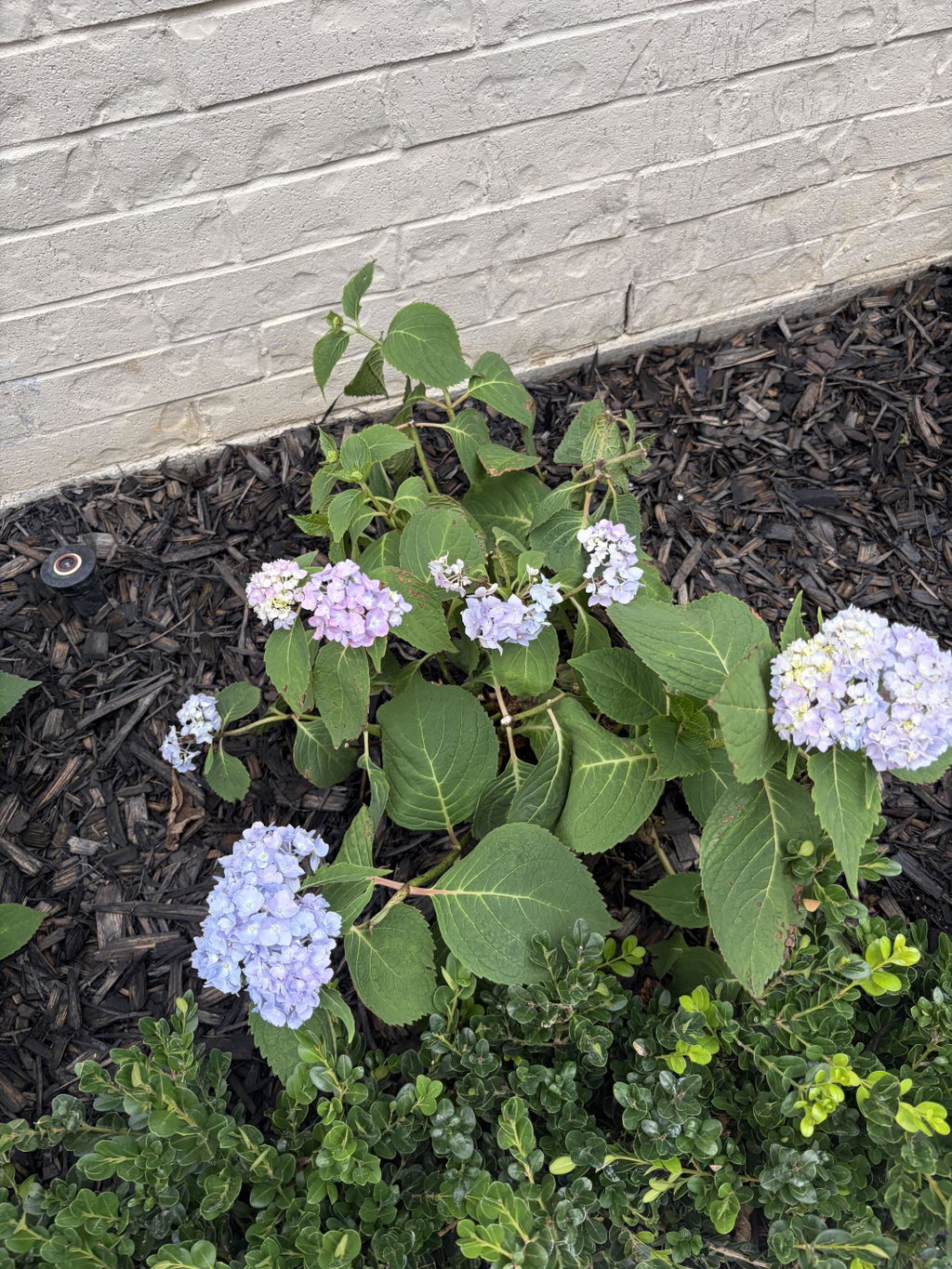
I ordered two of these plants. I received one, dying little plant. Emails have gone unanswered. If you call, you get their voicemail and no one will call you back. The website says “use our live chat”, but that does not exist. I got scammed by this company.
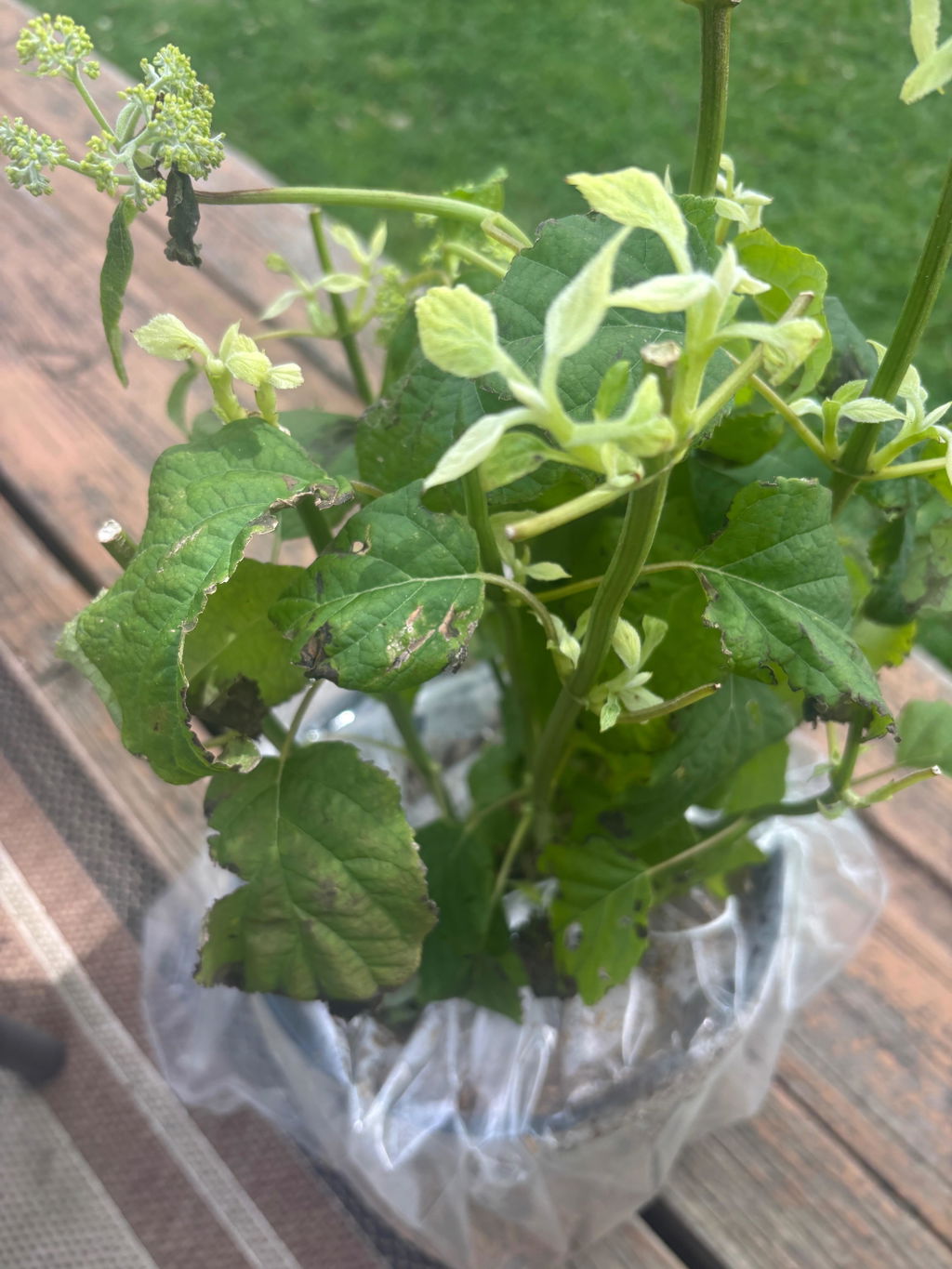
Arrived in great condition! Did go through a small
Shock and lost a leaf or two but bounced right back. Doing good!
Shipping stress can shake a hydrangea for a bit, so it's good to hear Ruby Snow settled in and started pushing forward. Panicle hydrangeas tend to be pretty resilient once their roots get established. Thanks for the update, Diana, and enjoy the blooms this season!
Disappointed in this one. It looked less than healthy when received, dead leaves in the box and some were deformed and spotty. As a new gardener I thought it was just in shock from travel and planted right away. Watered often and kept removing the damaged leaves. Today I noticed fine webs on the underside, suspect spider mites. Removed bad leaves again and washed the plant. Hoping it survives. Bought 3 different shrubs, this was the largest and most costly unfortunately. Satisfied with my other plants
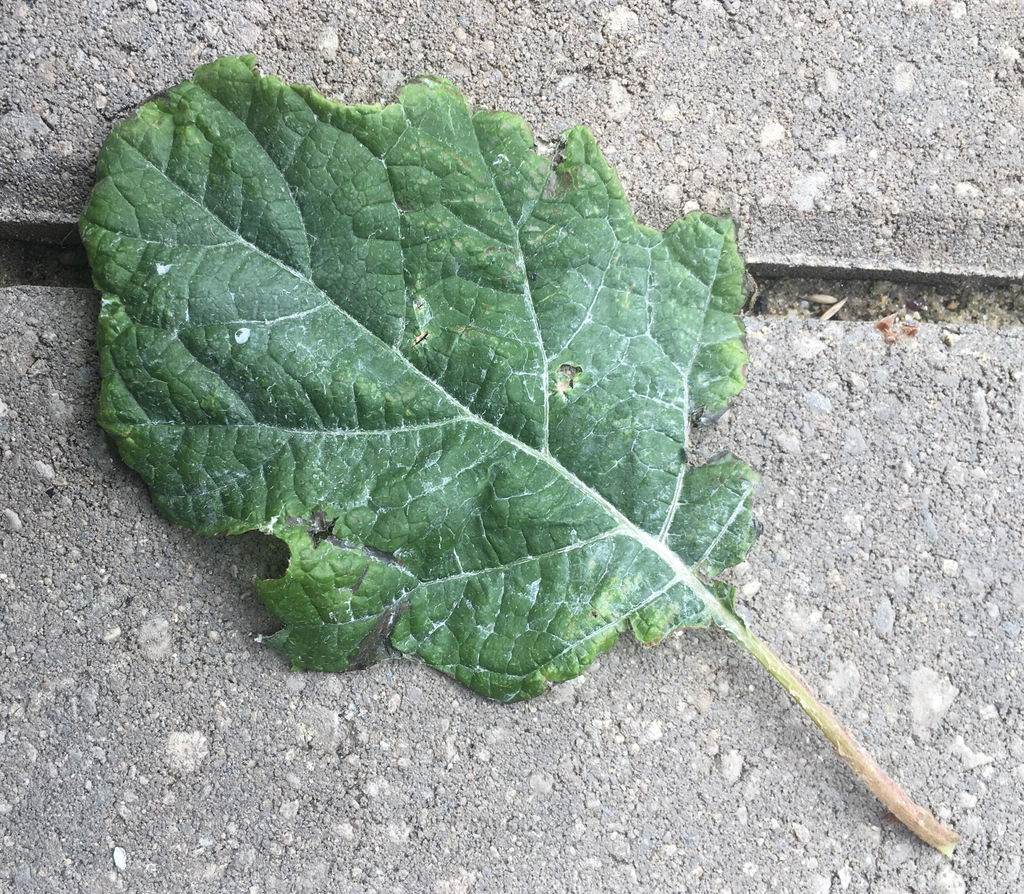
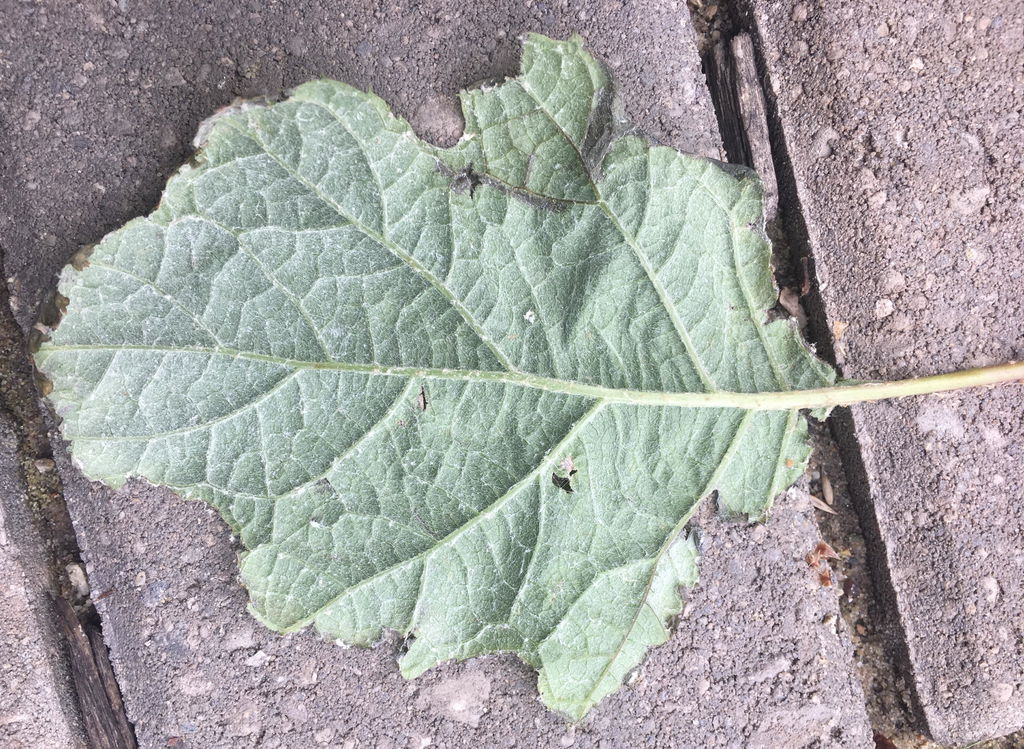
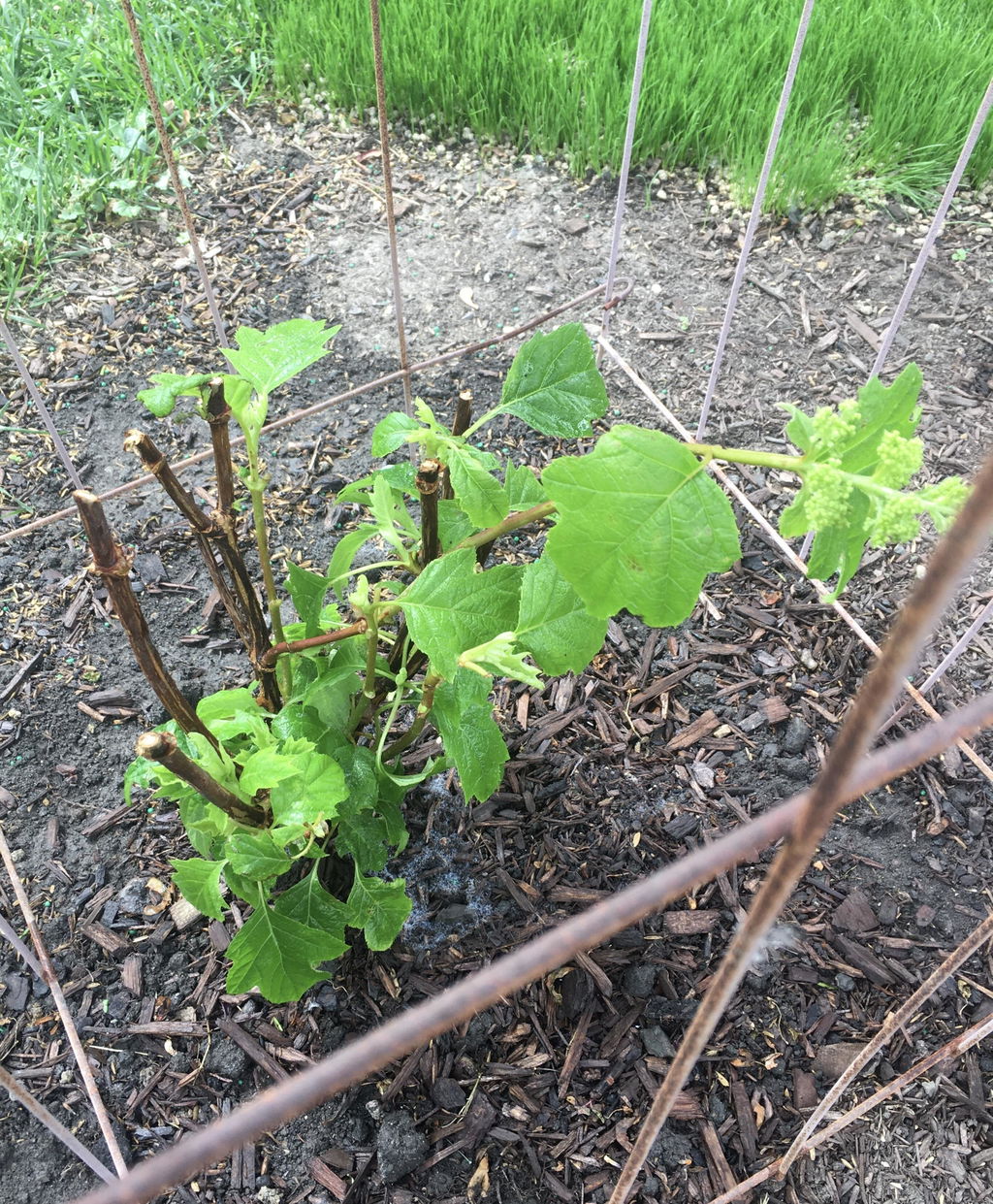
I Loved these! I had a pink Victorian home so wanted the White Annabelle Hydrangeas. - After a couple years they were so full and beautiful year after year. They recommended the Root booster for about $15 and added that as well. You will not regret buying these. Beautiful year after year!
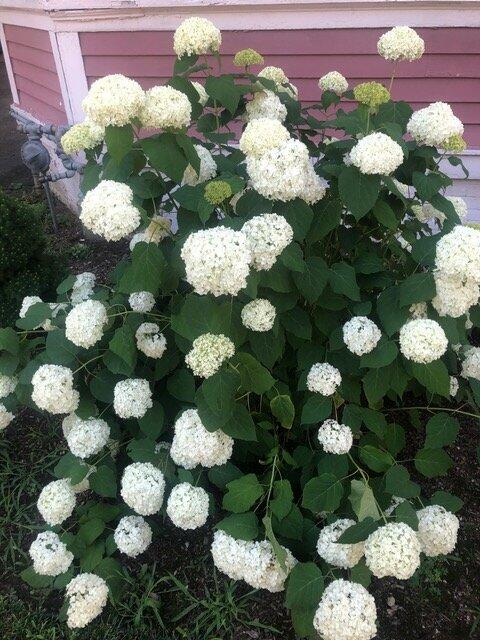
White Annabelle against a pink Victorian house sounds like a great pairing. It's really satisfying to hear they've filled in well and come back strong year after year, which is exactly what this variety does when it gets established. The root booster is a solid addition at planting time, and it sounds like it paid off for you. Thanks for sharing the recommendation, Brenda. The Nature Hills Team
Arrived in great condition and seem very happy in the ground. Two weeks in and doing great.
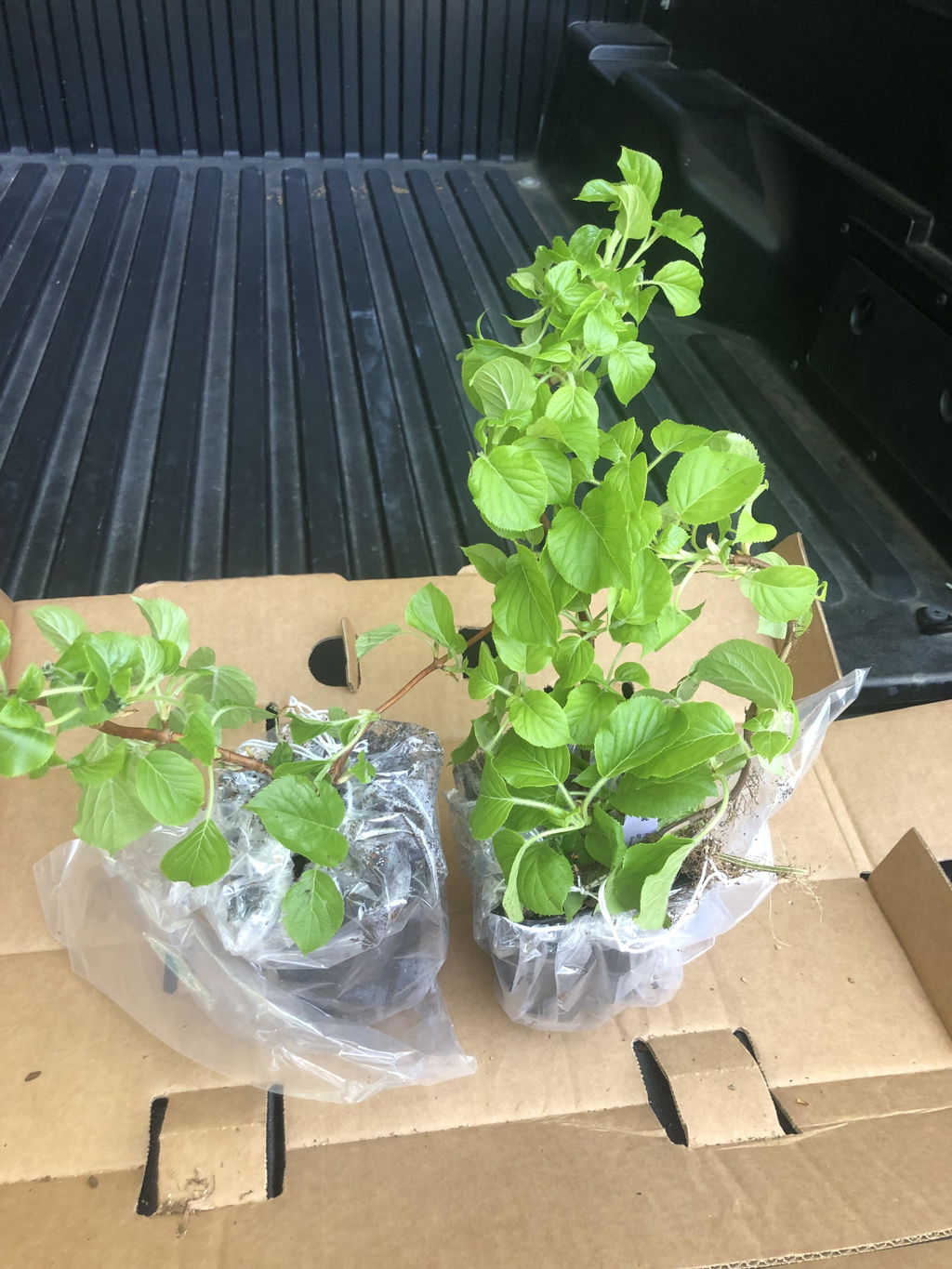
Climbing hydrangea can take a little time to settle in after planting, so it's great to hear yours hit the ground running. Give it consistent moisture through the first season and it will reward you with strong new growth. Thanks for the update, David.
Plant arrived dead. I’ve reached out multiple ways email, chat support, social media(they deleted my comment) it’s been over a week now so might as well just take this as a loss and never order from this company ever again. Google the reviews. Search Facebook. Plenty of negative reviews saying this is a scam. I should have done more research on this company.
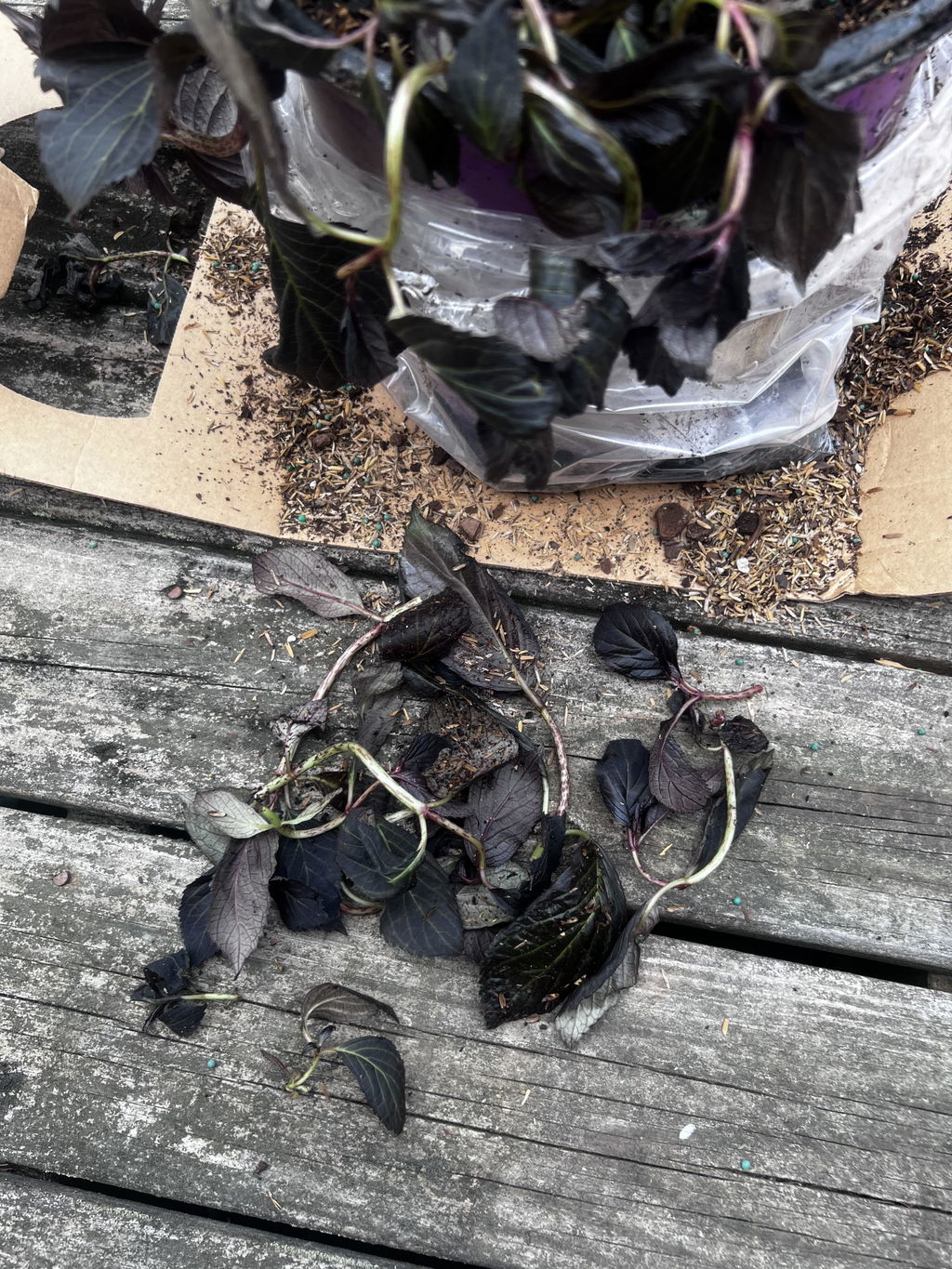
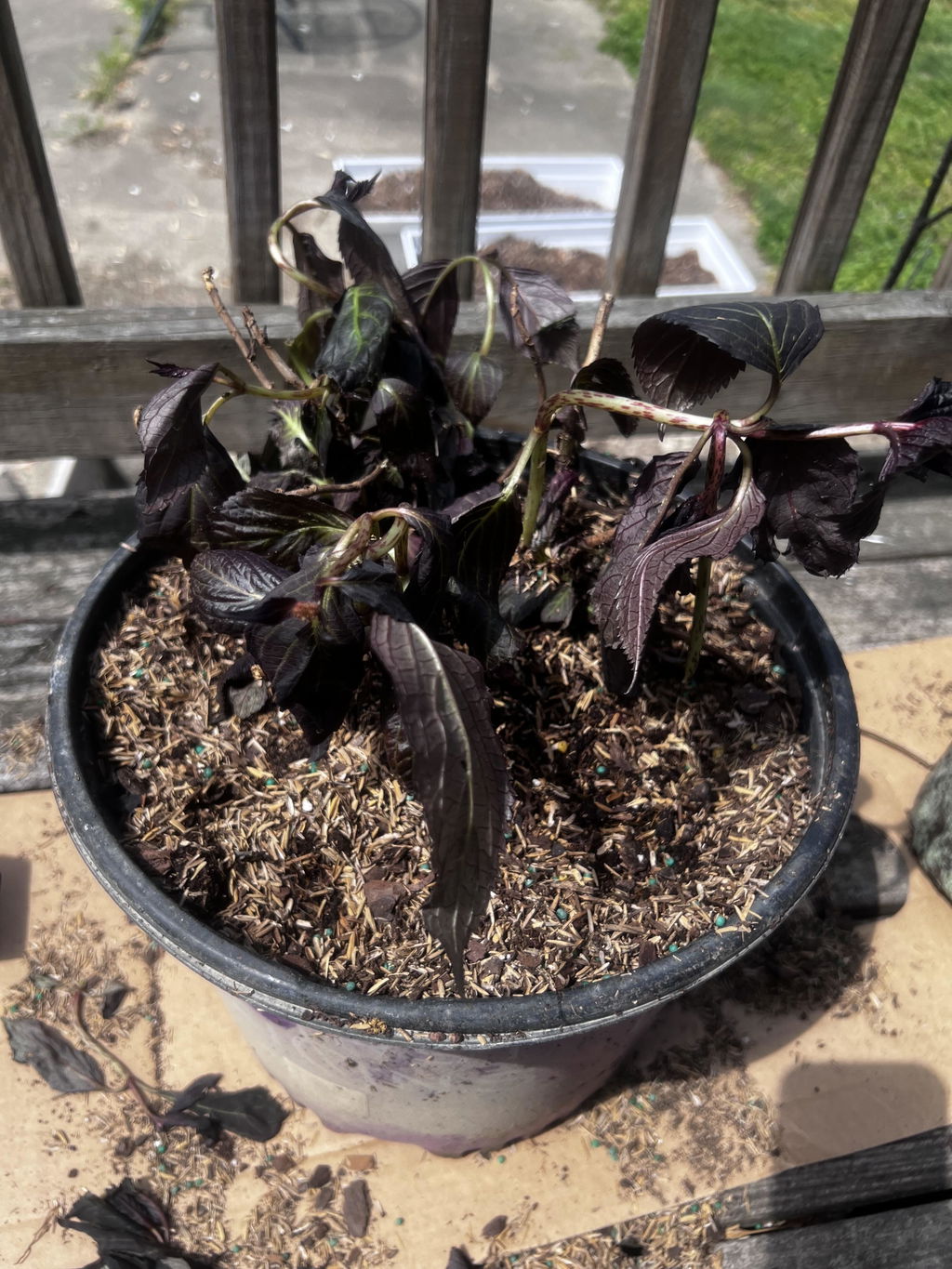
My plant came in pretty much dead
Dried leafs and broken stems
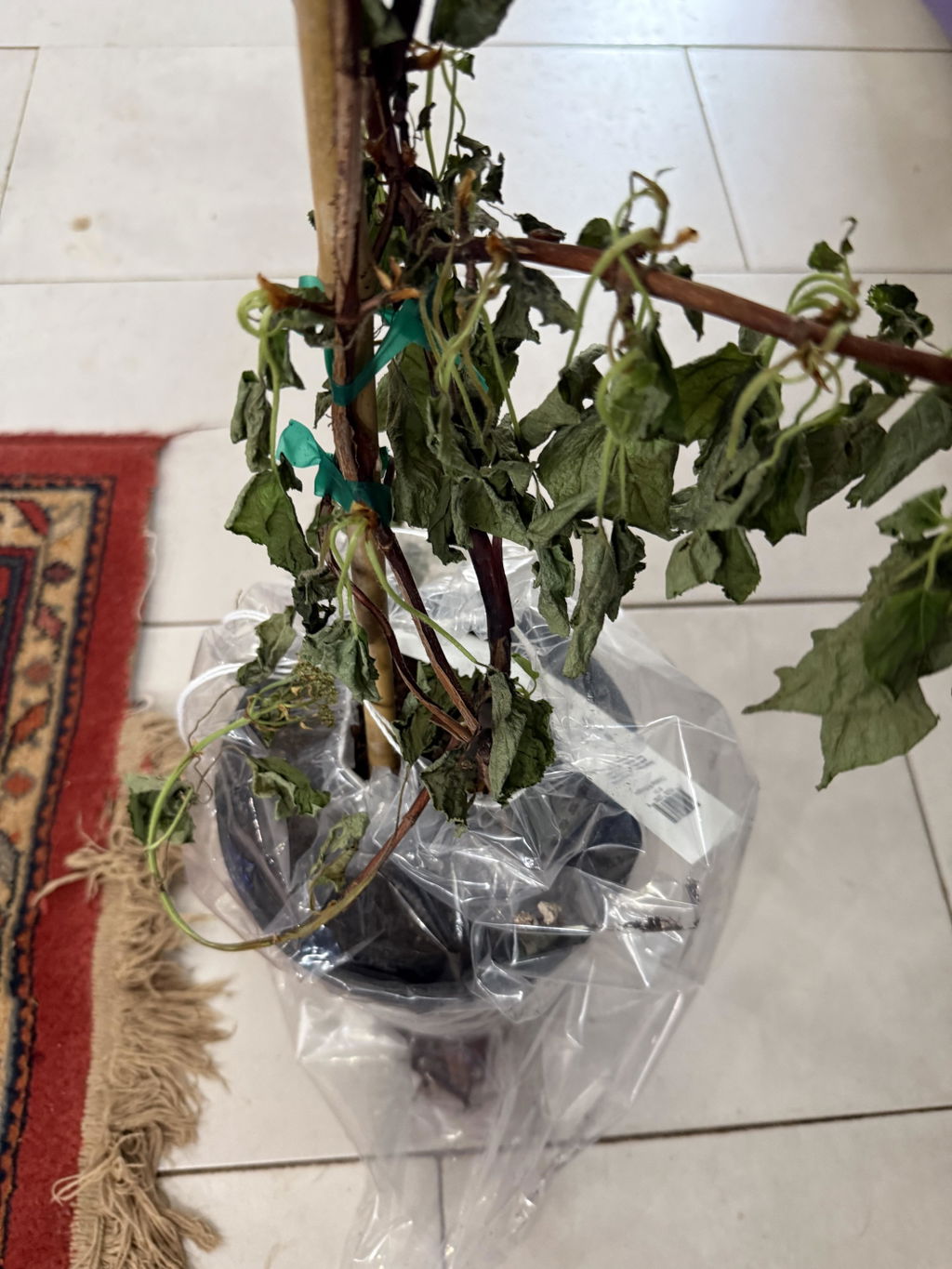
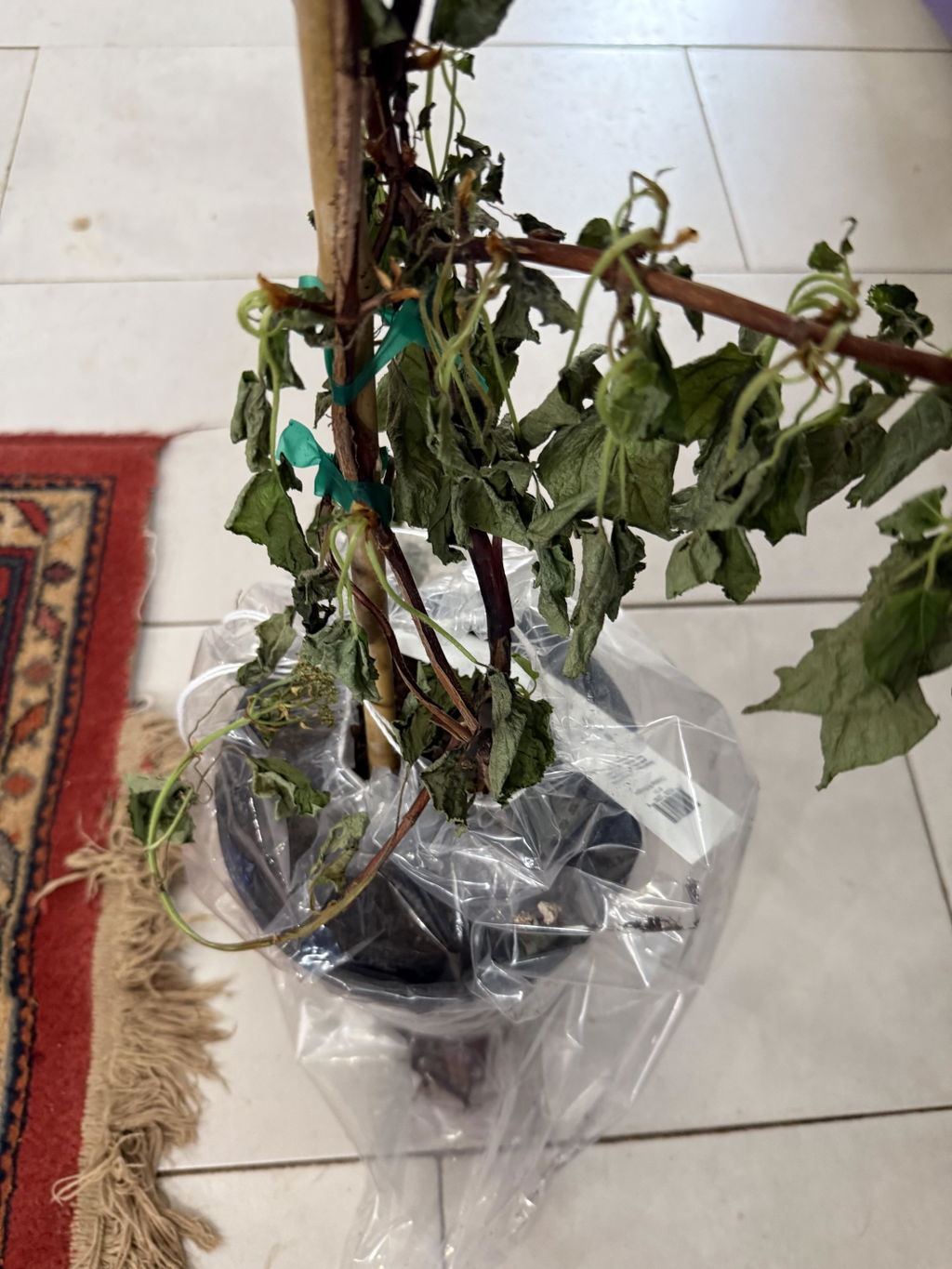
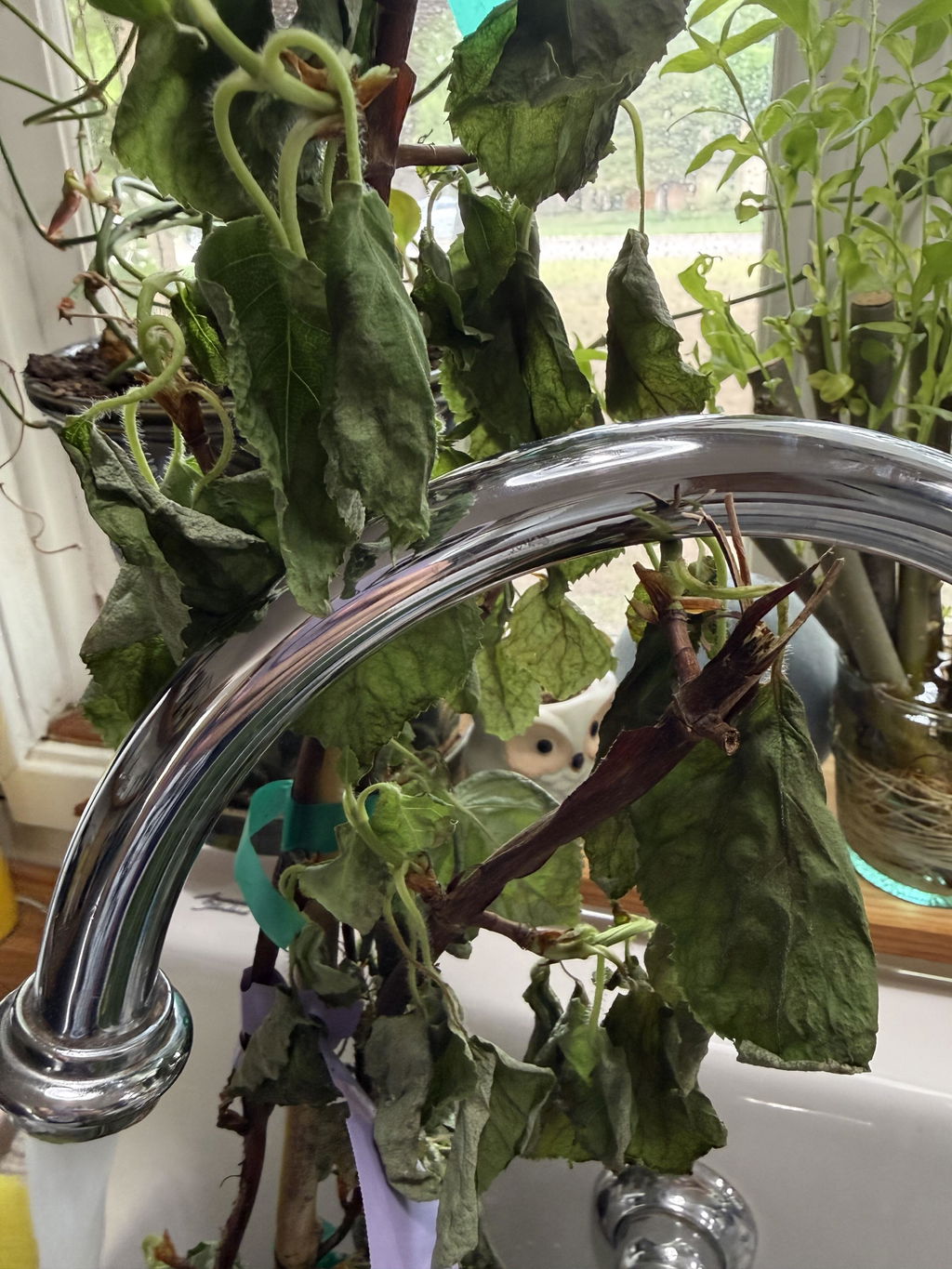
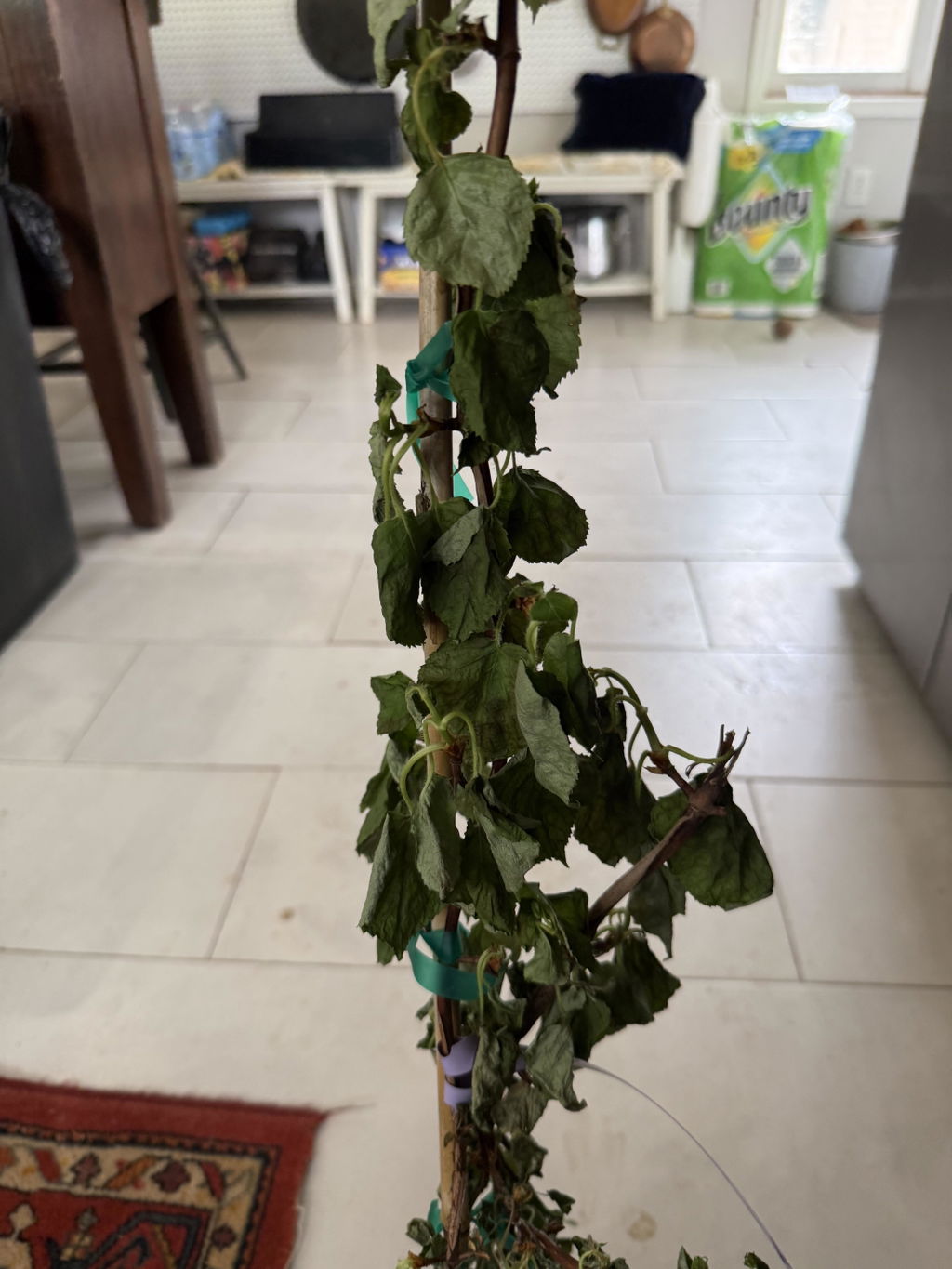
They're vigorously growing. Dark green leaves and flowers are popping up. Couldn't be happier.