


Whitespire Birch Tree
Betula populifolia 'Whitespire'


Plant Sentry™ Protected
Your order is protected by our compliance system that:
- Prevents restricted plants from shipping to your state
- Ensures plants meet your state's agricultural requirements
- Protects gardens from invasive pests and diseases
Specifications
| Plant Characteristics | Cold hardy, Fast-growing, Fall Color/Interest, Wet Soils, Non-invasive, Flowering, Drought resistant, Attracts pollinators, Disease resistant |
|---|---|
| Hardiness Zone | 3a to 7b |
| Sunlight | Full sun, Partial shade |
| Height | |
| Width | |
| Watering Needs | Moderate |
| Preferred Soil | Chalky, Loamy, Sandy |
| Growth Rate | Fast |
| Blooms In | Spring |
| Flower Color | Yellow, Green |
| Suitable Space | Outdoors |
| Botanical Name | |
| Species | |
| Cultivar | |
| Class | Magnoliopsida, Fagales |
| Does Not Ship To | AK, HI, ID, MT, PR |
Description
Elegant Accent Whitespire Birch Attractive Bark!
You've probably seen the stunning white logs with the beautiful deep gray chevrons, carefully stacked next to the stone fireplace at the ski chalet in Aspen. Or perhaps you've just caught a glimpse in decorators' magazines.
Maybe you've admired the pretty deciduous tree 3 blocks over. The chalky-white bark, fluttering leaves, and crisp, clean form are hard to miss!
We can easily assume that you fell in love with the Whitespire Birch Tree (Betula populifolia 'Whitespire'), it makes a fabulous, fine-textured accent tree.
Tall and stately, the Whitespire's showy bark does not exfoliate or peel. It will create a magnificent focal point in both daytime and at night.
Garden designers across the country love this improved selection of Gray Birch with its good pest resistance and enormously ornamental features. The pyramidal shape is instantly recognizable.
Use this as a wonderful, sophisticated choice for both front or backyard landscaping in colder zones. You simply can't go wrong with Whitespire Birch!
There are several ways it's grown and sold. Choose from a multi-stemmed "clump" or a single trunk.
The Whitespire Birch gives you several standout seasons during the year. Bright green leaves and cute, dangling catkins provide summer interest and refreshing, dappled shade. You can easily grow smaller plants in this shade.
You'll love the way the dark green leaves turn a rich, bright yellow in autumn. Next comes winter, when that showy bark adds tremendous visual interest and captures your attention. The bark turns white when the trunks get to be about two or three inches in diameter.
For a gorgeous, easy-care tree that really delivers on style, order Whitespire Birch today!
How to Use Whitespire Birch in the Landscape
In a front yard, this makes a perfect decorative accent in front of a picture window. Use one to anchor a walkway or garden bed. It is sure to draw the eye year-round.
In the backyard, use several trees to create a wonderful view from your deck or patio. Plant several in a loose grouping and create a mulched planting bed for them to grow in. Add evergreen shrubs for year-round structure, then spice up the design with flowering plants. You'll love the look, and the polite, airy privacy these pretty trees will give you.
You might choose to leave space to run a wood mulch path between a few of the trees. Create a high-end destination spot under their branches.
They'll look incredible when planted in front of a row of taller evergreen trees. Soften the look of windbreaks, and existing "fortress style" privacy plantings. They seem to catch the slightest breeze and the gentle sound of the wind fluttering through the leaves adds to your enjoyment.
While away a lazy afternoon on a hammock and a good book. Life is short, enjoy your yard to the fullest!
No matter how you use this wonderful tree, be sure to include exterior lighting in your landscape design to show this tree off all night as well! Point the lights upwards into the tree's canopy for an inspired nighttime setting.
Use a single-stem plant as a formal specimen plant. These make excellent plants for framing larger buildings.
For a really interesting look in a natural grouping, try using both a multi-stemmed clump and single stems together. Clumps are grown with 3 or 4 stems, and still achieve an overall upright habit.
Mixing the two forms together is the best way to replicate a natural stand and create a small Birch forest. Draw your plan on paper first, then play around with the trees while they are still in their nursery pots until you get a loose, curving zig-zag.
Space them from 7 to 15 feet apart. Choose to vary the spacing to create a retreat in your yard. The closer you plant them, the more quickly their canopies will touch. For a row of individual trees, place them 15 feet apart. In this application, buy the single stem form.
Birch loves cool, moist soil with their leaves in full sun. Try them along a north-facing slope or a site where the house or building may shade the root zone, but their canopy receives at least 6 hours of sunlight a day. In that location, Birch will be robust, vigorous, and stress-free.
They are also great trees to add to the Middle Zone of Rain Gardens. They are happy to have periodically damp soil to grow into.
- Super Showy, Smooth, Chalky-White Bark
- Shiny, Dark Green Leaves
- Bold, Clear-Yellow Fall Color
- Refined Pyramidal Form
- Fast Growing Accent or Shade Tree
#ProPlantTips for Care
Birch are easy-care trees that thrive in either full sun or partial shade. It's not fussy about soil type and can grow even in poor soils. This tree is wonderful in urban settings. Rugged Birch can easily handle air pollution.
The only thing you'll need to do is plant this deciduous tree in well-drained soil, and keep it watered, as it won't tolerate drier conditions in periods of drought. Cool, moist soils are ideal. An evenly scheduled moderate amount of moisture is best. As you get into the warmer, drier regions, the plants will appreciate additional moisture as needed to keep them stress-free especially later in summer going into winter.
Be sure to mulch the area beneath if you are in the warmer zones as it will help to maintain even moisture at the roots. Using a thick layer of mulch around the tree spread out 3 feet beyond the canopy will really help cover the top of the root system and protect it. Please don't let the mulch touch the trunk of the tree, and pull the mulch back and keep it a few inches away from the trunk.
Birch will bleed sap if pruned in winter or early spring, so wait until the leaves are out on your Birch trees before you prune them. Once established, the Whitespire Birch is very low maintenance!
- Full Sun Trees
- Well-Drained Soils
- Moderate to High Moisture
- Good Pest Resistance & Urban Tolerant
- Prune After Leaves Emerge
- Deer Seem to Leave it Alone
Place your order for the Whitespire Birch Tree today. This is truly an outstanding choice for cooler growing zones. Shipping to your doorstep from NatureHills.com!
Explore More from Nature Hills
Whitespire Birch makes an excellent addition to any landscape, and you'll find many other beautiful options in our collection of trees, including fast growing trees and drought tolerant varieties perfect for zone 4 plants, trees & shrubs. For expert care guidance, check out our #ProPlantTips: How to Care for & Grow Birch Trees article, and if you're planning a screening design, our guide on Best Privacy Trees and Shrubs to Plant This Spring offers valuable planting insights.
Planting & Care
Delivery and Shipping
Shipping Rates
Ships in 7-10 business days • Tracking provided • Weather protected
| Under $50 | $9.99 |
| $50 - $99.99 | $14.99 |
| $100 - $149.99 | $16.99 |
| $150 - $198.99 | $24.99 |
| $199+ | FREE |
✓ Zone-specific timing • ✓ Professional packaging • ✓ Health guarantee
Find on Page
Type to search specs, description, care, FAQ, and shipping.

The tree arrived timely and was packaged very secure. We planted a couple days later and it is a healthy looking tree!!
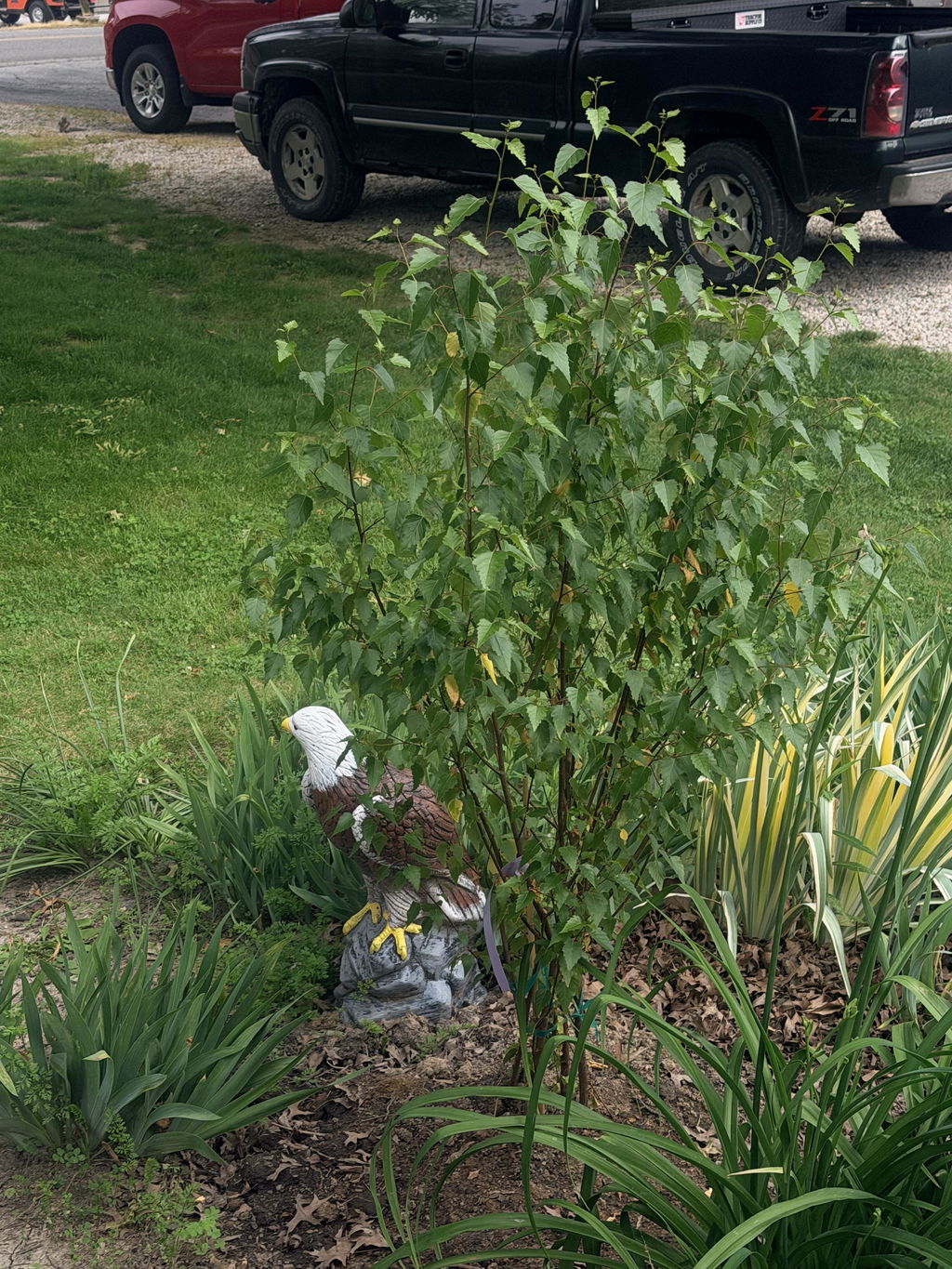
Whitespire Birch is a great choice, and it sounds like yours is off to a solid start. Getting it in the ground within a couple of days of arrival is exactly the right move. Keep it well watered through the first season while the roots settle in, and it should reward you for years to come. Thanks for sharing the update, Conita!
The tree is doing great. I didnt expect it to explode the way it has. Thank you.
Whitespire Birch can surprise you with how quickly it takes off once it settles in. That kind of early vigor is a great sign for the seasons ahead. Thanks for sharing the update, Richard.
Arrived perfect
Whitespire Birch establishes best when it arrives in good condition, so it's great to hear the tree made the trip without any issues. Give it consistent moisture through the first season and it should reward you with that distinctive white bark for years to come. Thanks for letting us know, Andrew.
Excellent trees full of life taking to transplant well and looking forward to watching them grow.
Whitespire Birch transplants beautifully when it gets a good start, and it sounds like yours did exactly that. Once established, the white bark really starts to stand out, especially as the canopy fills in over the next couple of seasons. Thanks for sharing, Ronald, and enjoy watching them grow.
Beautiful and healthy leaves just budding when arrived, totally love the trees
Received as described and doing nicely now six months after planting!
Someone at nature hills told me that no 2 lavender twist trees will look the same when mature. Well, mine already in 2 years, looks different the one I planted 4 years ago. By different I mean how they are twisting. Very neat tree, I really like the lavender twist redbud tree!
