


Winterthur Viburnum
Viburnum nudum 'Winterthur'


Plant Sentry™ Protected
Your order is protected by our compliance system that:
- Prevents restricted plants from shipping to your state
- Ensures plants meet your state's agricultural requirements
- Protects gardens from invasive pests and diseases
Specifications
| Plant Characteristics | Cold hardy, Native, Flowering, Fall Color/Interest, Ornamental Berries/Fruit, Deer-resistant, Clay Tolerant, Wet Soils, Attracts pollinators, Hedge/Screen |
|---|---|
| Hardiness Zone | 5a to 9b |
| Sunlight | Full sun |
| Height | |
| Width | |
| Watering Needs | Moderate |
| Preferred Soil | Clay, Loamy, Sandy |
| Growth Rate | Moderate |
| Growth Habit | Bushy, Spreading |
| Blooms In | Spring, Summer |
| Flower Color | White |
| Foliage Color | Green |
| Fragrant | Yes |
| Native | Yes |
| Native To |
Alabama,
Arkansas,
Connecticut,
Delaware,
Florida,
Georgia,
Kentucky,
Louisiana,
Maryland,
Mississippi,
New Jersey,
New York,
North Carolina,
Pennsylvania,
Rhode Island,
South Carolina,
Tennessee,
Texas,
Virginia,
Washington DC,
West Virginia
+15 moreshow less |
| Suitable Space | Outdoors |
| Botanical Name | |
| Species | |
| Cultivar | |
| Class | Magnoliopsida |
| Does Not Ship To | AK, HI, ID, MT, PR |
Description
Turn your landscape into a grand setting for entertaining. Ecologically sound Winterthur Viburnum (Viburnum nudum 'Winterthur') is a thoughtful choice that offers interest year-round. Start off spring with lustrous new leaves and a lovely flowering display. Of course, choosing Winterthur Viburnum doesn't mean a trade-off in terms of beauty. You'll cherish the faithful performance of these long-lived deciduous accent shrubs.
The butterflies will come to gather nectar from the fragrant clusters of creamy-white blooms. The long-lasting blooms support honey bees and other beneficial insects that play a critical role in our global food web. Winterthur has long been noted for its glossy, textured leaves. Even in dappled shade, they'll capture, reflect and twinkle in any available light all season long.
Springtime flowers develop over the summer into green berries that color-change from pink to blue. This dynamic presentation is truly exciting to watch! But this special deciduous shrub truly shines starting once the temperatures take a dip in fall. The thick green foliage burnishes to a dramatic burgundy hue for an exceptional fall color display. Mix this special choice with Brandywine™ to encourage pollination.
Planting and Application:
Reclaim your entire property for satisfying outdoor living, no matter the size. Wend Winterthur hedges through your property to shape and define the space. Excellent screening plant for modern lots and fantastic upright spreading growth habit perfect for shrub borders and backdrops. Sturdy and sophisticated multi-stemmed Viburnum shrubs bring structure and a regal presence to your landscape. No wonder professional designers weave them into their plans!
Winterthur makes an excellent Rain Garden mass planting to filter potentially polluted runoff from roofs and houses. Space them four feet apart for a fast fill. Pollinator plantings, wildlife groupings, and bird-friendly shelterbelts. Songbirds also appreciate the nutrition in these berries. Native to low woods, Viburnum nudem is nicknamed Wild Raisin; and wildcrafters have listed them on edible lists for permaculture plantings. These compact native shrubs also have a beautifully elegant form. They look incredibly capped with snow, even after the foliage has dropped.
Run a double row in a fantastic allée for a moment on the promenade to enter an outdoor kitchen or dining room. Or use them to create garden walls that enclose without becoming oppressive. Don't forget to include our other special wildlife shrubs for a lasting legacy. You can even grow Winterthur Viburnum in oversized garden containers for many years. Try a series of them placed along the railing of your balcony for privacy and ornamental beauty.
- Fragrant, Flat-Topped Clusters of Creamy-White Flowers
- Feed Your Spirit, Butterflies & Local Songbirds
- Dramatic Berries Start Off Vivid Pink, Then Morph to Brilliant Blue
- Glossy, Dark Green Leaves & Excellent Autumn Color
- Award-Winning Compact Selection of Native Shrub
#ProPlantTips for Care:
Winterthur Viburnum performs well in average garden soil, but also tolerates damp soils. It needs at least four hours of sunlight a day to stay happy and healthy. Don't plant too close to walls, as they appreciate good air circulation. It can be grown in either full sun or partial shade without much fuss, muss, or maintenance.
Wait until after the flowers are finished to correct any branching. Please plan for their eventual mature height and width to avoid pruning for size control. They flower on last year's growth, so don't delay too long to prune crossing or broken branches. Develop a pruning plan and avoid taking off too much...you'd hate to risk losing the gorgeous berries for the year. Instead, Renewal prune every 3 - 4 years by removing the oldest fattest stems to the ground and encouraging new growth still enjoy the berries.
For the best berry production, plant several Winterthur or include Brandywine™ Viburnum in your planting scheme.
- Grow in Full Sun To Part Shade
- No Significant Pests or Diseases
- Wonderful Selection for Low-Lying, Moist Soils
- Adaptable Handles Tough Sites, Clay & Compacted Soil
- Easy to Grow, Juglone Tolerant & Deer Resistant
Delight in the many charms of Winterthur Viburnum. It's a rock-solid choice with great fall color that you can count on, year after year. Winterthur Viburnum is beloved by plant experts the world over. Nature Hills Nursery has limited inventory and does sell out quickly. Please order enough to complete your entire project today!
Planting & Care
Delivery and Shipping
Shipping Rates
Ships in 3-5 business days • Tracking provided • Weather protected
| Under $50 | $9.99 |
| $50 - $99.99 | $14.99 |
| $100 - $149.99 | $16.99 |
| $150 - $198.99 | $24.99 |
| $199+ | FREE |
✓ Zone-specific timing • ✓ Professional packaging • ✓ Health guarantee
Find on Page
Type to search specs, description, care, FAQ, and shipping.
Other varieties
-

-

Chicago Lustre Arrowwood Viburnum
Viburnum dentatum 'Synnestvedt'
Regular price $8192Unit price /Unavailable -

-

Sugar N' Spice™ Korean Spice Viburnum
Viburnum carlesii 'Select S'
Regular price $10023Unit price /Unavailable -

Viburnum x rhytidophylloides 'Alleghany'
Regular price $8142Unit price /Unavailable -

-

Spice Island™ Korean Spice Viburnum
Viburnum carlesii 'Select A'
Regular price $10023Unit price /Unavailable -


Plant arrived in excellent shape. Nice size plant for the price! The plant is thriving well in s mistly sunny area
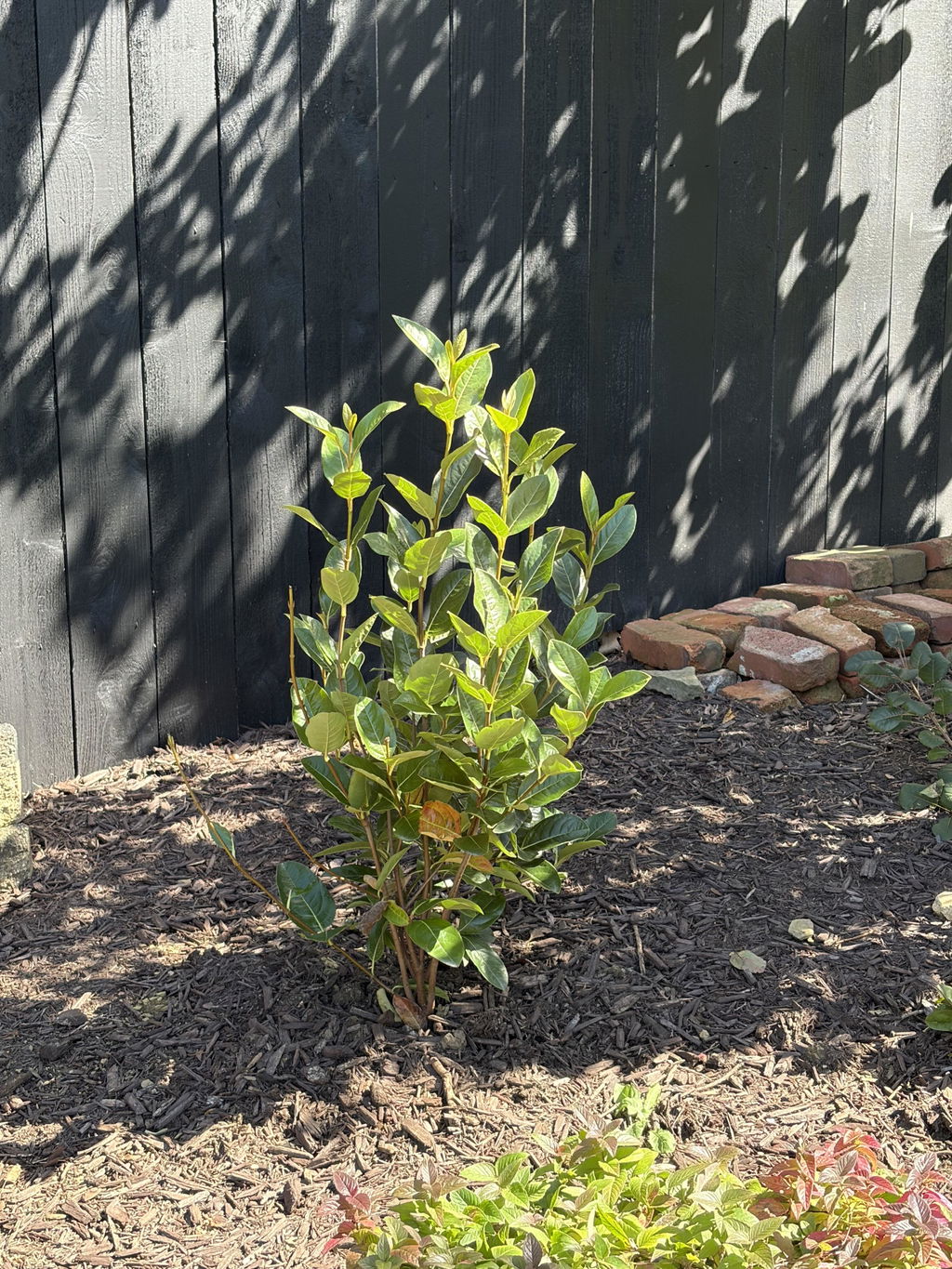
Winterthur Viburnum is a great fit for a mostly sunny spot, so it sounds like yours is right where it wants to be. Thanks for mentioning the size and value too. We hope it puts on a good show for you each season, between the spring blooms and the fall berry color.
