Creating a woodland garden is like inviting mother nature to design your backyard!
Woodland garden plants thrive in dappled shade, cool, highly organic soil, and beneath the quiet shelter of tall canopy trees. Using shade-tolerant perennials, small shade-loving shrubs, and understory trees, you can build layers of lush greenery and bursts of blooms that thrive where full-sun annuals and perennials won't.
Woodland gardens rely on shade-loving plants like Ferns, Hostas, and Hydrangea bushes alongside native understory trees, groundcovers, and spreading perennials to create a relaxing forest-inspired oasis!

Whether you're looking to brighten a shady corner, bring life under a canopy of Oaks and Maples, or build a pollinator-friendly sanctuary, there are plenty of woodland perennials and shrubs that will flourish! The secret is layering textures, colors, and heights to mimic the look of a natural forest floor.
What Makes A Woodland Garden
A woodland garden is all about mimicking the look, feel, and function of a natural forest edge or understory right in your backyard. Instead of formal beds or full-sun borders, it focuses on shady, layered plantings that thrive beneath a heavy tree canopy.
Here are the key elements that make a woodland garden:
1. Shade & Canopy Layers
- Tall canopy trees (like Oaks, Maples, or mature Evergreens) provide dappled to full shade.
- Understory trees (Redbud, Dogwood, Serviceberry) add a middle layer.
- Shrubs, perennials, and groundcovers create the forest floor.
2. Native, Shade-Loving Plants
- Plants are chosen that naturally thrive in shade: Ferns, Hostas, Hydrangeas, Foamflowers, and woodland Phlox.
- Many are native woodland species, supporting birds, pollinators, and local ecosystems.
3. Layered Textures & Natural Look

- Instead of rigid rows, woodland gardens are designed to look informal and natural.
Plants are layered by height, with flowing groupings, drifts, and self-seeding perennials.
4. Soil & Moisture Conditions
- Woodland gardens favor rich, organic soil similar to a forest floor, often amended with leaf mold or compost.
- They typically thrive in cooler, moist, well-drained sites, but plant choices can adapt them to drier or wetter woodland edges.
5. Habitat & Wildlife
- Woodland gardens attract birds, butterflies, hummingbirds, and beneficial insects by offering food, cover, and nesting spaces.
- Fruiting trees (like Serviceberry or Pawpaw) and shrubs (like Mountain Hydrangea or Sweetspire) double as wildlife habitat.
6. Calm, Restful Atmosphere
- A woodland garden is designed for serenity and shade relief, often including winding paths, mossy stones, and a seating area.
- Seasonal changes: spring ephemerals, lush summer greens, fiery fall foliage, all keep it alive year-round.
Top Plants For Your Woodland Garden
Woodland Understory Trees
Understory trees bring structure and dappled blooms to woodland gardens, filling in beneath the taller canopy trees.
-
Japanese Maple (Acer palmatum) - With fiery fall color and delicate leaves, this elegant tree is perfect for woodland edges and shaded courtyards.
-
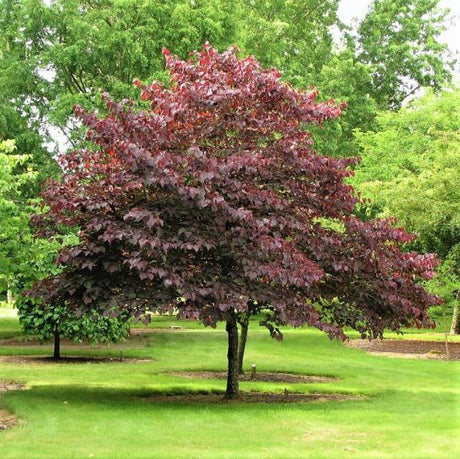
Forest Pansy Redbud (Cercis canadensis ‘Forest Pansy’) - Heart-shaped purple foliage paired with pink spring flowers makes this Redbud a showstopper under taller trees.
-
Pawpaw Tree (Asimina triloba) - A native understory fruit tree with large tropical-looking leaves, maroon spring flowers, and custard-like fruit. It thrives in moist, shady woodland soils.
-
American Hornbeam (Carpinus caroliniana) - Also called Musclewood or Ironwood, this small native tree has smooth gray bark, finely textured foliage, and brilliant fall color. It’s very shade-tolerant.
-
Eastern Red Mulberry (Morus rubra) - A small native fruiting tree that tolerates shade, producing sweet, edible berries loved by wildlife.
- Pagoda Dogwood (Cornus alternifolia) - A layered, horizontal-branching Dogwood species that does very well in dappled shade with showy spring flowers and blue-black fruits.
Woodland Shrubs
Shrubs add seasonal flowers, fragrance, and texture while thriving in partial to full shade.
-
Oakleaf Hydrangea (Hydrangea quercifolia) - Stunning cone-shaped blooms, bold foliage, and fiery fall color.
-
Azalea Bushes (Rhododendron spp.) - Colorful spring blooms light up shady spots with cheerful tones.
-
Virginia Sweetspire (Itea virginica) - Fragrant white flower spikes in spring and red fall foliage.
-
Fothergilla (Fothergilla gardenii) - Bottlebrush blooms with a honey-like fragrance followed by brilliant autumn hues.
-
Mountain Hydrangea (Hydrangea serrata) - A native shade-loving Hydrangea with lacecap blooms and strong cold-hardiness.
- Barrenwort (Epimedium spp.) - Delicate spring blooms and drought-tolerant groundcover for shady areas.
Woodland Perennials

Perennials bring reliable blooms and foliage textures that return year after year in your shady retreat.
-
Hosta (Hosta spp.) - Bold, textured leaves in shades of green, blue, and gold - excellent companions for Ferns.
-
Astilbe (Astilbe chinensis) - Plumes of pink, red, or white flowers rising above ferny foliage.
-
Columbine (Aquilegia canadensis) - Nodding blooms beloved by hummingbirds, perfect for woodland borders.
-
Solomon’s Seal (Polygonatum odoratum) - Graceful arching stems with dangling white flowers in spring. See the unique variegated form here.
-
Foamflower (Tiarella cordifolia) - Native woodland perennial with frothy white blooms and heart-shaped leaves.
- Foamy Bells (×Heucherella spp.) - A cross of Coral Bells and Foamflower, with colorful foliage and airy blossoms.
Woodland Groundcovers & Spreading Plants
Groundcovers fill in the forest floor, prevent weeds, and provide a lush carpet beneath taller plants.
-
Ferns (Boston Fern, Christmas Fern, Lady Fern) - Airy fronds thrive in shade, adding texture and movement.
-
Lungwort (Pulmonaria officinalis) - Speckled foliage and early spring flowers in blue and pink.
-
Wild Ginger (Asarum canadense) - Glossy, heart-shaped leaves that spread into a dense groundcover.
-
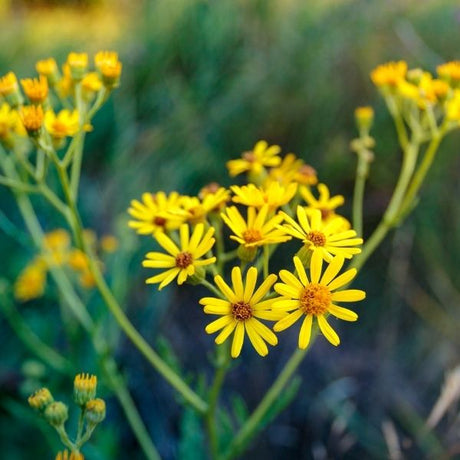
Ligularia (Ligularia dentata) - Bold foliage and daisy-like yellow blooms that thrive in moist shade, adding dramatic texture to the woodland floor.
-
Mayapple (Podophyllum peltatum) - A native woodland colonizer with umbrella-like leaves that form dense colonies in moist shade. In spring, it hides small white flowers under its foliage, followed by yellowish fruit.
-
Wild Blue Phlox (Phlox divaricata) - Phlox is a spring-blooming native that spreads slowly by rhizomes, carpeting shaded areas with fragrant blue to lavender flowers.
-
Creeping Phlox (Phlox stolonifera) - A shade-tolerant native that spreads as a soft groundcover, with cheerful pink, purple, or white flowers.
- Golden Ragwort (Packera aurea) - Semi-evergreen foliage forms a mat, topped with golden-yellow daisy-like blooms in spring. Great for naturalizing.
Into the Woodland Wonder!
A woodland garden thrives on layers! Understory trees for height, shrubs for structure, perennials for seasonal blooms, and groundcovers for finishing touches. By choosing shade-loving plants that play well together, you can create a sanctuary that feels like a forest retreat just steps from your back door. Add a winding path or stone bench, and let mother nature do the rest.
Happy Planting!