
NatureHills.com carries so many fruit trees that ripen in the hot month of July! Go beyond the watermelon for tasty, hydrating and cooling summer treats! Here are a few trees, regardless of growing zone, that has a reliable mid-season harvest to keep you and your family cool during the hottest summer month!
Juicy Homegrown July Fruit
Kick off your summer barbecues and healthy summer snacking with fruit that helps you cool off in the summer heat! These juicy treats have all the antioxidants, natural sugars, electrolytes and hydration to revitalize you after a day of sweating in the sun.
Kids running around the yard with juice trickling down their arms and chin, their faces stained with summer berries, July means the harvest season is in full swing for most of the U.S.! The heat brings out the sugars and the color of most fruit, plus there’s nothing quite like a freshly plucked piece of produce still warm from the summer sun!
What is the Best Fruit to Grow in July?
Squash, Cucumbers, and more are coming out of the garden, Strawberries are winding down and the first August fruits are starting to form on the branches. But July is equally chock-full of fresh summer produce for you to start harvesting from your orchard!
Here’s a breakdown of the fruit trees that generally ripen in time for your summer get-togethers, barbecues, and block parties!
Apples

Apples are typically a fall crop, only a few ripen in July, though many are hot growing zone trees that ripen this early in the growing season. While many are not the best for keeping and long-term storage, most July-ripening Summer Apples are great for fresh eating, desserts and sauces.
- Yellow Transparent
- Gravenstein
- Anna
- Dorsett Golden
Apricots and Apriums

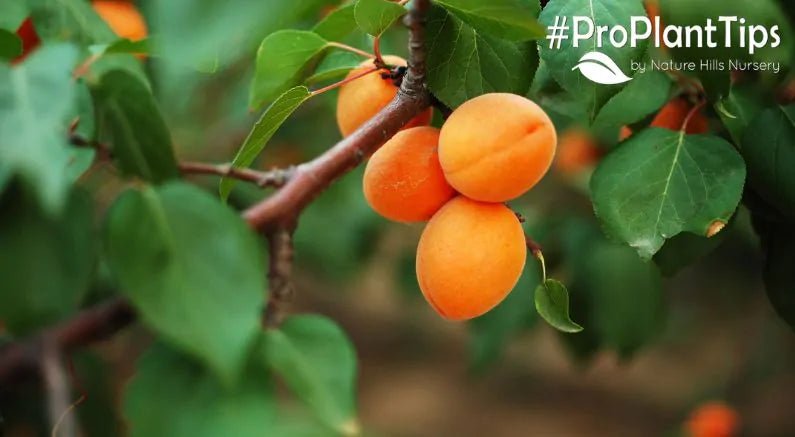
Many July harvested cultivars can be found in this group of fruit trees! Again, your growing zone and climate will have a lot to determine when ripeness is achieved.
- Chinese
- Goldcot
Aprium (Plum/Apricot Hybrid)
Cherries & Pluerry

Cherries are usually a June crop and usually, most trees are done fruiting by the hot summer months. However, there are a few exceptions to that rule! Most Cherry varieties harvest early in the season with the Cherry harvest ending by mid-July again depending upon what variety and in what climate you are growing them in.
Sweet Cherries
- Lambert
- Lapins
Sour/Tart Cherries
- Meteor
- English Morello
Pluerry

Citrus
Most Citrus fruits are harvested in winter, but the exact month depends on the type of Citrus and the climate it is grown in. Limes (Citrus aurantifolia) and Lemons (Citrus limon) ripen all year.
- Improved Dwarf Meyer Lemon
- Eureka Lemon
- Kaffir Lime
- Bearss Lime
- Star Ruby Grapefruit

Pear Trees
Most Pear varieties are harvested in fall, but there are a few that can be harvested in July if you are in warmer climates.
- Asian Pears like Hosui
- Summercrisp Pear
Peaches & Nectarines
Most Peaches and Nectarines are July harvested depending on the hardiness zone they are being grown in, and are very well-known summertime treats! Many of the dwarf varieties ripen sooner than others as well!
Peaches

Nectarines
- Flavor Gold Columnar
- Independence
Plums, Plumcots & Interspecific
Most Plum and related varieties begging to harvest in July and into fall depending upon the specific varieties and depending upon the climate you are growing in.
Plumcots, etc…

- Emerald Drop Pluot
- Splash Pluot
- Geopride Plumcot
What Fruit Tree Produces Fruit The Quickest?
Most grafted trees produce fruit their first year in the ground, but you shouldn’t let them so they can focus on establishing roots first. Fruiting is
All of Nature Hills' fruit trees and some shrubs are grafted onto a rootstock which ensures you’ll see your first harvest between 3-5 years of age. We then ship mature root systems that are already at least 3 years of age, so once your plant has been established in your native soil, you’ll not be waiting long for that first harvest!
Weather & Climate Variations

Keep in mind, the weather patterns, a late or early spring, summer temps barging in early and your growing zone will greatly alter when fruit trees flower and fruit ripens! Harvest dates can vary depending upon where you are growing your plants. You can always check with your local County Agricultural Extension office for information on the best trees for your area!
There is a tremendous amount of variation in ripening dates between zone 4 and zone 9 which can and will greatly affect the harvest times depending upon where you are growing the plants. Plus the amount of sun available may have some impact on ripening too.
Can You Plant Fruit Trees in Late Summer or July?
July is usually the start of intense hot summer weather. This can take a toll on trying to establish a young tree. But it can be done, especially for those in cooler climates. If you are in a very hot growing zone, it might be best to wait until autumn and things cool off. But with careful watering and frequent attention to the watering detail, you can have a very successful July planting!

So that means go ahead and plant!
What Do You Do With Fruit Trees in July?
Be sure to plant in a well-watered location with ample organic and enriched soil. Avoid fertilizer at first, water will be your tree's best friend these first few very hot and steamy months. Saturate the planting area before and after planting your tree then use the finger test to ensure the soil remains moist consistently, checking every couple of days. Daily if you are seeing temperatures over 90°F (32.°C).

Include Nature Hills Root Booster when planting and top the soil off with 3-4 inches of arborist bark chips covering the ground a couple of feet from the trunk. This helps hold in moisture and keep things on an even keel. It also insulates new roots from the summer heat and lowers evaporation.
Summer is also the best time to prune your tree to shape and control the size, plus remove water sprout growth. Read more about pruning fruit trees here.
Cool Summer Treats
Summer get-togethers, pool parties, and healthy snacks for the kids on break from school become better with fresh fruit picked from your own backyard! Nothing is quite as wholesome as watching your family pick fresh produce from your own tree in the backyard of your home landscape! You’ll know exactly what went into, and onto, your plants!
All of these lovely trees offer spring blooms, shade, and sometimes fall color and all increase your property value while filling your pantry with fresh fruit, preserves, delicious baked goods and sauces for all your favorite recipes.
The edible landscaping craze is sweeping the nation! Secure your food access and sustainability, and increase your fresh food variety availability, regardless of the size you have with easy-to-grow fruit trees from Nature Hills! These double-duty trees and plants are not just healthy food for your pantry but also ornamental flowering landscape additions that provide shade and curb appeal as well!
Don’t forget to pick up a suitable pollinator for your fruit tree if they need a pollination buddy! And check out high-density planting to save space!

Happy Planting!
Achieve successful home orchards and enjoy summer harvests into high gear by including these mid-season trees in your orchard to extend your harvest and sweeten your life with the help of NatureHills.com today!
As always, head over to NatureHills.com #ProPlantTips for care and garden info any time and we’ll be glad to help you select the perfect fruit trees and more for your landscape!

