Shop With Confidence: FREE Growing & Glowing Promise

Free Shipping on Orders $199+

Using Herbs for Decoration!

Using Herbs for Decoration! - Nature Hills Nursery

Charlotte Weidner |

Want your Herb plants to do more for you than taste good? Hold onto your socks because the world of Herbs is blurring the lines between useful edible medicinals and ornamental plants! Now you can enjoy them for more than just tasty garnish and seasoning around the garden and landscape!

Flavorful and Scented Landscaping!

flavorful herb

Don’t hide your herbs in the vegetable garden or use them as strictly Kitchen Garden herbs! Today’s newest Herbs are dressed up and ready for their close-up in your front yard and flower gardens!

No longer needing to be utilitarian plants, these beauties will kick up the edible landscaping scene with their pollinator-friendly and cut flower-worthy blooms, enhanced sizes, and forms, and heightened aromatics to improve your garden experience! Stimulate the senses and inject some aromatic greenery anywhere into your world with Herbs!

Decorating With Herbs in the Landscape

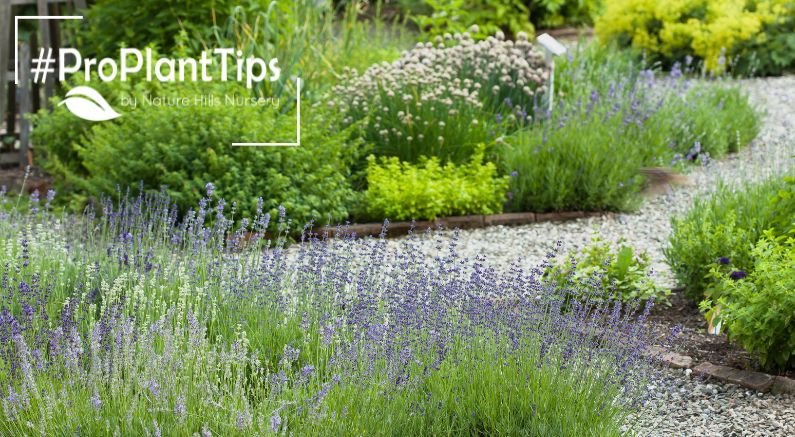
Edible landscaping means turning garden beds and landscaping borders into multi-purpose planting sites that not just look great, but also feed and perfume your world! Herbs are fantastic for bringing in butterflies and beneficial pollinators, filling in the gaps between plants, and their aromatic foliage even drives away pests!

Great Edging & Filler

Herbs as edging

Got some xeric spots that need to be filled? Maybe a garden bed that needs a lacy and eye-catching facer plant to hide the bare stems of larger plants and shrubs? Herbs are a fantastic way to add fresh bright greenery to your garden and ease the transition between lawn and garden. Try the lacy charm of Late & Spicy Cilantro as a filler and flowering plant!

  • Create frilly drifts of fine-textured Dill or accent small spaces with Chamomile.
  • Try a row of Sage instead of flowering Salvia
  • Use Highland Cream Thyme and Creeping English Thyme along garden edges.
  • Fill Rock Gardens with Rosemary or Lavender plants, and Oregano.
  • The spiky interest of Lemon Grass fills your garden and helps keep mosquitoes away!
  • Marjoram, Catnip, Catmint, and Lovage look gorgeous in groupings
  • Tall Herbs like Rue, Borage, Fennel, and Comfrey dress up the back of the border

Scented & Flowering Accents

Monarda
Basil's big leaves and Parsley’s frilly foliage are wonderful skirting and fringe to use throughout the flower and shrub garden! Use Mints and Thyme as edging along pathways and sidewalks to perfume your garden strolls! Bee Balm, Lemon Balm, and Cat Mints are fantastic edible and medicinal landscaping plants that have drifts of unusual flowers.

A Hi Ho Silver Thyme or Chocolate Mint form dense clumps of perfumed greenery and blooms, plus they look fantastic in a garden of the senses and as edging along the edges at the front of the border. Creeping Thyme are traditional plants in cracks and crevices, happily rambling between the stones of your pathways and in rockery gardens and retaining walls!

Double-Duty Beyond the Herb Garden

chives

Mints, Pineapple Sage, and Chives are wonderful for bringing in the butterflies and bees! Want more pollinators and beneficial insects? Then you need to include Herbs everywhere! Ladybugs, dragonflies, and more are highly attracted to these plants! But oddly enough, pests seem discouraged by the volatile oils in their leaves. Borage looks pretty in a salad or your drink and attracts a wide variety of beneficial bugs!

Many Dill plants like Late & Blue, or Parsley plants are host plants for the caterpillars of Swallow Tail butterflies and other butterfly larvae! Plant a few extra to feed them for flying flowers each year!

Anise Hyssops, Pineapple Sage, and Chive flowers even attract hummingbirds!

  • Fill Rock gardens with Tansy and Tarragon, or try a Tri-Color Sage
  • Sensory garden plants are fragrant and flavorful from top to bottom like Mint and Sage!
  • Many Herbs are great Companion Plants

Go big with a Bay Laurel tree or Kaffir Lime tree on your poolside patio for shade and double-duty culinary foliage!

Decorating With Herbs on the Porch and Patio

You don’t even need a yard to enjoy these space-saving aromatic beauties! Any sunny porch, balcony, terrace, seating area planter, or window box can house plenty of Herbs!

Container & Planter Fillers, Spillers & Thrillers!

dill plant

Create a barbecue side planter with Rosemary and Dill within arms reach for the grill, or a planter of Mint by your poolside bar for fresh Suntea, Mojito, or other refreshing drink additions and garnish! A planter of Parsley and Basil in the middle of a bistro set means edible garnish and fresh salads pick-me-ups that also act as table bouquets and décor!

Why buy an annual flowering plant as fillers or spillers in mixed planters on your front or back porch, when a Basil or Parsley will look just as pretty? Let Creeping Thymes spill over windowbox edges, or add spiky height and drama with the unique blooms and foliage of a Pink Flowering Chive.

Include some pesticide-free edible flowers too! All Herb flowers are edible, and so are many other varieties of flowers that are more than just pretty faces!

Balcony, Porch & Patio Gardens

herbs by the door

Hot front porches and balconies in the sun look better with a Mediterranean Tuscan Blue Rosemary or one of the many varieties of Lavender perfuming your reading nooks and gracing your pots either as formal or informal decorations! These space-saving plants are natural for growing in tight spots! Use a Cascading Rosemary as a spiller, or a Tall Dark & Traditional Oregano as an upright filler.

Many trailing and creeping Herbs even do great in hanging baskets!

Decorating With Herbs Indoors

Throughout the growing season, many Herbs offer up a wide variety of ways for you to decorate indoors too! In addition to flavoring your food and preserves, drying them as a seasoning, or using them as a garnish, Herbs have a ton of uses indoors!

Cut Flowers

lavender in hands

Dill, Lavender, and Chive blooms look fantastic in the cut flower garden, and many in the Mint family like Spearmints, Sages, and Catmints do too! Try using the fine-textured foliage of a Burgundy & Late Fennel, Purple-Leaf Basil, or Curly Leaf Parsley in your bouquets as greenery! You’ll create gorgeous and aromatic bouquets and flower arrangements with an unexpectedly chic and country flair by including Herbs among the other more expected blooms!

The perfect centerpiece for a relaxed dinner or outdoor dining set, both living and cut Herb stems set the stage for a bohemian dining experience!

Houseplants

These plants even do fantastic in a sunny, indirect windowsill or sunroom, so as soon as the season is winding down, many of these plants can be brought in as houseplants for the winter, or kept year-round as windowsill gardens!

Dried Décor!

Dried Herbs

Instead of bringing in the last Herbs as houseplants for the winter, harvesting the entire plant before a frost and drying them is a great way to preserve your harvest and extend the enjoyment of the garden all winter!

Gather bundles of the plant and tie them into little bouquets. Hang them upside down as kitchen decorations that can be used as a seasoning, or use the dried flowers and stems in botanical bouquets and wreaths.

Great Gifts!

Herbs are easy-to-grow gift plants that anyone will enjoy receiving!

Easy To Grow Herbs!

The best location to grow Herbs outdoors is anywhere in the garden that has at least 6 hours of sunlight and enriched well-drained soil and consistent moisture to support their vigorous growth. Indoor grown Herbs need all day, bright but indirect sunlight and very close attention to moisture levels.

  • Full Sun
  • Well-drained soil - Never soggy
  • Enriched, highly organic medium & regular fertility
  • Regular moisture needs
  • Pinch back or snip plants for Branching & Keeping them bushy
  • Cut back most Herbaceous annual and perennial Herbs in autumn (or bring them indoors before frost)

Scented, Flavorful & Double-Duty Herbs!

It’s time to think outside the vegetable garden and use Herbs everywhere! These flavorful, aromatic, and beautiful plants deserve to be in your home’s spotlight! Check out all the amazing flowering Herbs, convenient 3-Pack Herbs, and unique varieties available today at NatureHills.com!

Happy Planting!

Shop Garden Herbs
Previous Next

Frequently Asked Questions

Can I use potted herbs as decorative accents inside my home?

Yes, potted herbs make excellent decorative accents indoors, bringing fresh fragrance, texture, and color to any room. Compact varieties like Basil, Parsley, Chamomile, and Thyme work especially well in containers on windowsills, kitchen counters, or tabletops where they can receive bright light. Choose decorative pots that complement your interior style and group herbs together for a more impactful display. Start with a sunny south or west-facing window and water consistently to keep your indoor herb arrangement both beautiful and productive.

How do I design an herb garden that looks attractive and is still easy to harvest?

Designing an attractive and functional herb garden starts with placing low-growing edging herbs like Creeping Thyme or Highland Cream Thyme along borders, mid-height herbs like Sage, Basil, and Parsley in the middle rows, and taller herbs like Fennel, Borage, or Rue at the back so every plant stays accessible. Keep beds no wider than 4 feet so you can reach the center from either side without stepping in and damaging plants. Group herbs with similar water and sun needs together, and use ornamental varieties like Late and Spicy Cilantro or Chamomile as flowering fillers to keep the design visually interesting between harvests. Start with a simple tiered layout, shop Nature Hills for the varieties that suit your zone, and harvest regularly to encourage bushy regrowth and keep plants looking their best.

What herbs work best as decorative border plants in a garden bed?

Several herbs excel as decorative border plants depending on your design goals. For edging and low-growing accents, Highland Cream Thyme and Creeping English Thyme work beautifully along garden edges, while Chamomile adds delicate charm to small spaces. Taller back-of-border options include Fennel, Borage, Rue, and Comfrey, which provide striking vertical interest. Start by identifying the height and texture gaps in your existing beds, then select herbs that fill those roles while pulling double duty as edibles or pollinator attractors.

How can I grow herbs indoors year round for both use and decoration?

Growing herbs indoors year-round is very achievable with the right setup. Most culinary herbs thrive in a sunny south-facing window that receives at least 6 hours of direct light daily, or under a grow light set 4 to 6 inches above the foliage for 12 to 16 hours per day. Compact varieties of Basil, Thyme, Chives, Parsley, and Mint perform especially well in containers indoors and double as attractive greenery on windowsills, kitchen shelves, or tabletop displays. Start with well-draining pots, a quality potting mix, and consistent watering to keep soil evenly moist but never waterlogged, and you will have fresh herbs at your fingertips all year long.

Can I grow herbs in containers or window boxes to decorate a porch or patio?

Yes, herbs are excellent choices for container gardens, window boxes, and patio displays, offering both beauty and function in a compact space. Fragrant varieties like Lavender, Rosemary, Basil, and Mint thrive in pots and add color, texture, and aroma right where you spend time outdoors. Choose containers with good drainage, use a quality potting mix, and place them where they will receive at least 6 hours of sunlight daily. Start with a mix of upright and trailing varieties to create visual interest, and harvest regularly to keep plants full and productive all season long.

Which herb varieties have the most visual appeal for decorative garden arrangements?

Many herbs offer exceptional decorative value beyond their culinary uses. Lavender and Rosemary bring structure and year-round interest to rock gardens and borders, while tall statement herbs like Fennel, Borage, and Rue create dramatic backdrops in the rear of garden beds. For edging and ground-level appeal, Highland Cream Thyme and Creeping English Thyme form beautiful low spreads along pathways, and ornamental varieties of Basil, Parsley, and Sage add bold foliage contrast throughout mixed plantings. Visit naturehills.com to browse our full selection of decorative herb varieties and find the right combinations for your garden style and growing zone.

How much sunlight do ornamental herbs need to stay healthy and attractive?

Most ornamental herbs thrive in full sun, meaning at least 6 to 8 hours of direct sunlight per day, which keeps their foliage vibrant, their growth compact, and their aromatic oils at their most potent. Herbs like Lavender, Rosemary, Thyme, and Sage are especially sun-loving and will become leggy or lose their ornamental appeal in shadier spots. A few herbs such as Mint, Parsley, and Cilantro can tolerate partial shade with 3 to 4 hours of sun, making them good choices for spots with afternoon shade in warmer climates like USDA zones 7 and above. Assess your garden's light conditions before planting and match each herb to the right exposure to get the best performance from both their appearance and their flavor.

How can I use herb foliage and flowers to decorate my outdoor living spaces?

Herbs are incredibly versatile for decorating outdoor living spaces, offering fragrant foliage, pollinator-friendly blooms, and interesting textures that rival traditional ornamentals. Use trailing varieties like Creeping English Thyme or Highland Cream Thyme along patio edges, tuck Rosemary or Lavender into container arrangements, and place Lemon Grass in large pots to add bold structure while naturally repelling mosquitoes. Basil, Parsley, and Mint make beautiful filler plants in mixed porch containers, and tall herbs like Fennel and Borage add dramatic vertical interest to garden borders near seating areas. Start by replacing one or two standard ornamentals in your existing patio pots or border plantings with herbs, and you will quickly discover how much beauty and fragrance they bring to your outdoor living experience.

Which herbs do well as decorative edging along garden paths or walkways?

Creeping English Thyme and Highland Cream Thyme are excellent choices for edging along garden paths, as they stay low, spread beautifully, and release a lovely fragrance when brushed. Chamomile and Marjoram also work wonderfully as soft, attractive borders that add texture and bloom. For a bolder edge, a continuous row of Sage delivers the same visual impact as ornamental Salvia with the added bonus of being harvest-ready. Plant these herbs along your walkway edges in well-drained soil and enjoy both the beauty and the aromatic reward every time you pass by.

How do I keep decorative herb containers looking full and healthy throughout the growing season?

To keep decorative herb containers looking full and lush all season, pinch back flowering stems regularly to encourage bushy new growth and prevent bolting, especially in heat-loving herbs like basil and cilantro. Container herbs dry out faster than in-ground plants, so check soil moisture daily during summer and water thoroughly when the top inch feels dry. Feed every two to three weeks with a balanced liquid fertilizer to replace nutrients lost through frequent watering. Harvest often, replant any spent herbs mid-season, and combine trailing varieties like creeping thyme with upright herbs like rosemary to maintain visual interest from spring through fall.