Shop With Confidence: FREE Growing & Glowing Promise

Free Shipping on Orders $199+

The Many Health Benefits of Gardening!

The Many Health Benefits of Gardening! - Nature Hills Nursery

Charlotte Weidner |

Studies show that just 15 - 30 minutes of outdoor activity a day boosts your health in every way! Promoting physical, mental, and emotional well-being!

You may not notice - but you’re using every major muscle group! Plus many other physical factors, both inside and out!

Gardening for your Body!

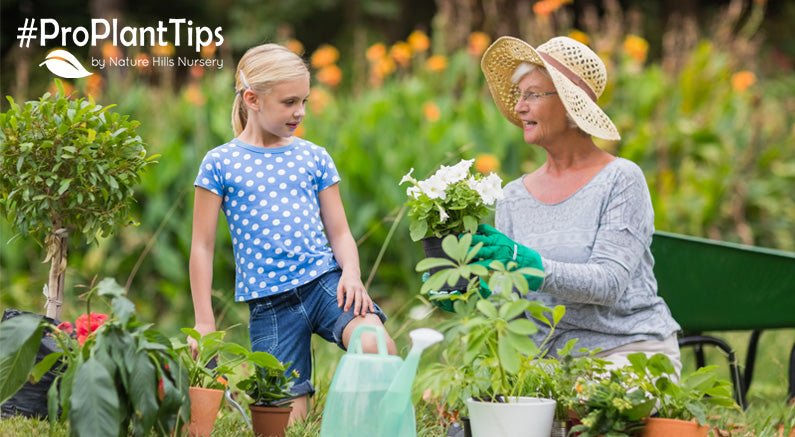
Using hand-held tools, instead of gas or electric, not only reduces your carbon footprint but also strengthens your body! It’s a full-body workout! Benefiting every major muscle group, and helps joints and increases blood circulation!

Shovels and wheelbarrows for the back, shears and rakes work the arms, lifting bags of soil and mulch for the legs, and strengthening hands with hand tools. In addition, you’re up, moving, working up a sweat and getting fresh air.

Working Your Body By Gardening

Gardening also improves:

  • Balance
  • Flexibility
  • Range of motion
  • Endurance
  • It’s Aerobic!

Gardening for Mental Health:

  • Quiet time - The mind wanders while pulling weeds, racing thoughts slow down. Forgetting your hectic schedule or worries, even for a brief period.
  • Positive Outlook - It’s hard not to watch seeds grow or flowers bloom and not instill hope and positivity!
  • Mood Boosters - Studies published about the microbe Mycobacterium vaccae, triggers the release of serotonin!
  • Reduces anxiety and depression.
  • Stress Reduction - Just 30 minutes in fresh air relieves stress, reducing cortisol levels!
  • Empowers - Growing your own food, increases self-sustainability, and combats feelings of helplessness.
  • Sensory - Gardening stimulates the senses - The smells, sights, sounds, feelings, and flavors - for a fully fulfilling experience!
  • Therapeutic - Aids recovering from injury, illness or loss

Gardening for Physical Health

  • Aids weight loss & increases metabolism
  • Lowers high blood pressure
  • Promote restful sleep
  • Fights disease & illness by increasing immune system
  • Recovery from addiction

Gardening for the Spirit

The feeling of getting back to your roots, feeling in tune with nature, and communing with the higher powers is important as exercise. Spending time in Nature, in a Garden like where it all began, is vital to health and well-being.

Benefits of Sunlight

Our skin works just like plants, but instead of photosynthesizing, we make Vitamin D! Even just 15 minutes a day of natural light boosts the immune system, improves mood, reduces stress, relieves psoriasis, reduces effects of Type II Diabetes, and reduces chances of some cancer!

Fresh Air!

What’s the first thing you do when you walk outside on a fresh morning? The smell of earth, air cleansed for a new day, the smell of rain, petrichor - you can’t help but take a deep breath!

Being cooped up, breathing recycled office air or stuffy air inside our homes - it takes its toll on our well-being.

Fresh air benefits:

  • Immune system
  • Oxygenates the body
  • Fighting off infection & bacteria
  • Aids the digestive system
  • Triggers serotonin
  • Sharpens the mind & senses
  • Aids focus & concentration
  • Increases energy levels
  • Cleanses the lungs
  • Lowers blood pressure
The Gardening Community Infographic

Get involved & socialize:

Face it, it’s hard to stop gardeners or plant enthusiasts from talking about what they love! Fight feelings of isolation and connect with kindred spirits in the process! Plus it boosts self-esteem.

  • Form or join a community garden
  • Share your vegetables or armloads of flowers with neighbors
  • Host seed swaps
  • Make new friends in gardening forums

Bonus benefits of the outdoors:

Vegetable gardening provides fruit and vegetables to further boost your health! Don’t worry about growing too much, you’ll feel great sharing what you reap with your friends and family. Plus you’ll know exactly what went into, and onto, your food!

We see headlines about food insecurity and shortages, and it can be overwhelming! Securing your family’s fresh food access can be done on any scale, and reduce the worry!

Lastly…

  • Get the kids involved - Nurture a love for nature, and instill a lifelong healthy habit for young minds, bodies & hearts!
  • Don’t forget bug spray, sunscreen, safety gear, a good pair of garden gloves & sunhat
  • Stretch - don’t start your workout without a few stretches
  • Good form - Lift with your knees
  • Drink plenty of water - Gardening encourages those 8 glasses of water a day!
  • Start small and start slow - If you are like me, gardening is a full-contact sport! Try not to overdo it and schedule your activities as you would reps at the gym!
  • Stop & smell the roses - There’s no reason for all your hard work to go unnoticed, especially by you...take breaks and enjoy your handiwork!
  • Your curb appeal never looked better & you’ll have armloads of flowers and veggies to enjoy!

Spending more time outdoors and exercising outdoors is just what the doctor ordered! For the cost of a Gym membership, you’ll get all the benefits of nature and more!

As far as hobbies go - gardening is one of the healthiest! So let NatureHills.com help you create your own Green Space and lead you down the path towards a healthier you!

Previous Next

Frequently Asked Questions

How does spending time gardening improve your physical and mental health?

Gardening provides a full-body workout that engages every major muscle group, improves balance, flexibility, and endurance, and boosts circulation, all while just 30 minutes outdoors has been shown to lower cortisol levels and reduce stress. Exposure to the soil microbe Mycobacterium vaccae triggers serotonin release, which helps reduce anxiety and depression, and even 15 minutes of natural sunlight supports immune function through Vitamin D production. To get the most out of these benefits, aim for at least 15 to 30 minutes of hands-on gardening each day using hand tools like shears, rakes, and shovels to maximize both the physical and mental rewards.

Which vegetables, herbs, and flowers are easiest for beginners to grow successfully at home?

Beginners find the most success with fast-growing, forgiving crops like radishes, lettuce, green beans, and zucchini in the vegetable garden, along with herbs such as basil, mint, chives, and parsley that thrive in containers or garden beds across most growing zones. For flowers, sunflowers, marigolds, nasturtiums, and zinnias are nearly foolproof, germinating quickly from seed and blooming reliably through summer. Start seeds indoors 6 to 8 weeks before your last frost date, or direct sow warm-season crops like beans and zucchini outdoors once soil temperatures reach at least 60 degrees Fahrenheit. Visit naturehills.com to browse starter-friendly plants suited to your specific growing zone and get your garden off to a confident start.

How many hours of sunlight do common vegetables and flowers need to thrive each day?

Most vegetables and flowering plants require a minimum of 6 hours of direct sunlight per day to thrive, with sun-loving crops like tomatoes, peppers, and squash performing best with 8 or more hours. Shade-tolerant vegetables such as lettuce, spinach, and kale can get by with 3 to 6 hours of filtered or partial sun. Before planting, observe your garden beds throughout the day to track sunlight patterns, and choose plants from naturehills.com that match the light conditions your space naturally provides.

How often should I water my garden to keep plants healthy without overwatering?

Watering frequency depends on your climate, soil type, and the specific plants you are growing, but most garden plants thrive with about 1 inch of water per week from rainfall or irrigation combined. Sandy soils drain quickly and may need watering every 2 to 3 days, while clay soils retain moisture longer and may only need water once a week. The best way to check is to stick your finger 2 inches into the soil, and if it feels dry at that depth, it is time to water. Water deeply and less frequently rather than a little every day, and always water at the base of the plant in the early morning to reduce evaporation and prevent fungal disease.

How do I test and improve my soil to give plants the best chance of healthy growth?

Testing your soil with a simple pH kit or through your local cooperative extension service reveals whether your soil is acidic, neutral, or alkaline, which directly affects nutrient availability for your plants. Most garden plants thrive in a pH range of 6.0 to 7.0, and you can adjust accordingly by adding lime to raise pH or sulfur to lower it. Improve overall soil structure and fertility by working in 2 to 3 inches of compost each spring before planting, which boosts drainage, aeration, and microbial activity. Start with a soil test this season, then amend based on your results to give every plant you add the strongest possible foundation.

How do I know when my plants need fertilizer and which type should I use for best results?

Plants typically signal nutrient deficiency through yellowing leaves, stunted growth, or poor flowering. A simple soil test, available at most garden centers for under $20, will tell you exactly which nutrients are lacking and guide your fertilizer choice. Slow-release granular fertilizers work well for most trees, shrubs, and perennials applied in early spring, while liquid fertilizers deliver a faster boost for vegetables and annuals during the growing season. Start with a balanced 10-10-10 formula if you are unsure, then adjust based on your soil test results and the specific needs of your plants.

How do I start a productive vegetable garden in a small yard or raised bed?

Starting a productive vegetable garden in a small yard or raised bed is very achievable with smart planning. Build or select a raised bed that is no wider than 4 feet so you can reach the center without stepping on the soil, and fill it with a quality mix of topsoil, compost, and aged manure to give roots the nutrients they need. Focus on high-yield, compact varieties like bush beans, cherry tomatoes, lettuce, and herbs, and practice succession planting every 2 to 3 weeks to keep harvests coming all season. Start seeds indoors 6 to 8 weeks before your last frost date based on your USDA hardiness zone, then transplant seedlings outside once nighttime temperatures stay consistently above 50 degrees Fahrenheit.

How do I choose plants that will thrive in my specific climate zone and growing season?

Choosing plants suited to your climate starts with knowing your USDA Hardiness Zone, which you can find by entering your zip code on the USDA Plant Hardiness Zone Map or directly on naturehills.com, where every plant listing includes its compatible zones. Beyond cold hardiness, consider your average frost dates to determine your growing season length, your regional humidity, and whether your summers are hot and dry or mild and wet. Visit naturehills.com, filter plants by your zone, and read each plant description carefully for heat tolerance, sun requirements, and mature size to ensure a successful match for your specific conditions.

How can I design a low-maintenance landscape that stays attractive through every season?

Designing a low-maintenance, four-season landscape starts with choosing native and regionally adapted plants that thrive in your USDA hardiness zone without constant intervention. Layer your plantings with a mix of evergreens for winter structure, early spring bulbs, summer-blooming perennials, and ornamental grasses or shrubs with fall color and interesting seed heads. Apply 2 to 3 inches of mulch each spring to suppress weeds, retain moisture, and reduce watering needs throughout the season. Visit naturehills.com to browse plants filtered by your zone and growth habits, making it easy to build a cohesive, attractive landscape that practically takes care of itself.

Which companion plants work best together to support vegetables, herbs, and flowers in the garden?

Companion planting works best when you pair plants that naturally support each other, such as the classic Three Sisters combination of corn, beans, and squash, where corn provides a trellis, beans fix nitrogen in the soil, and squash shades the ground to retain moisture and suppress weeds. Tomatoes thrive alongside basil, which repels aphids and whiteflies, while marigolds planted at the borders of any vegetable bed deter nematodes and many common pests. Herbs like dill and fennel attract beneficial predatory insects but should be kept away from each other and away from tomatoes, as they can inhibit growth. Start planning your companion planting layout before the growing season and visit NatureHills.com to find the right herbs, flowers, and vegetable starts to build a productive, balanced garden.