Shop With Confidence: FREE Growing & Glowing Promise

Free Shipping on Orders $199+

How To Repot Your Container Grown Fruit Trees

How To Repot Your Container Grown Fruit Trees - Nature Hills Nursery

Nature Hills Nursery |

#ProPlantTips from Nature Hills on Repotting Container Grown Fruit Trees

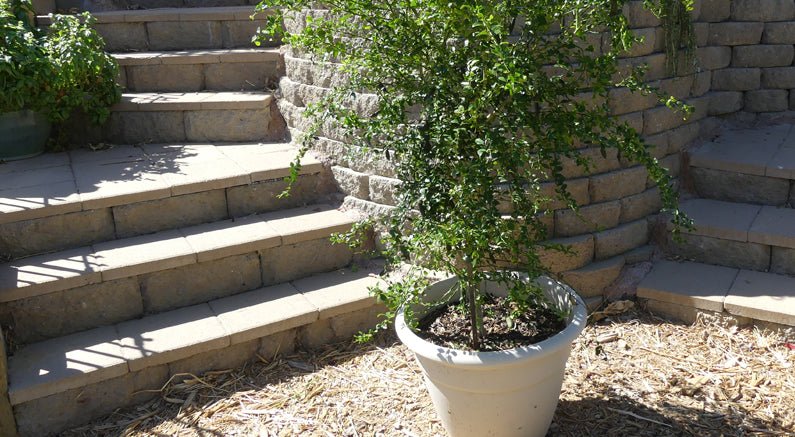
Let Ed Laivo, Nature Hills resident Fruit Horticulturalist, show you tips and tricks of repotting container grown fruit trees for the best results.

What size pot comes next as you repot your fruit tree into a larger size container? You'll learn everything from the right potting soil mix to use to how to handle the roots of the plant as you repot it.

Growing fruit in containers is a wonderful way to produce delicious food, and gain a highly ornamental patio plant in the process. If you live in a cold growing zone, and must grow tender fruit - like the Australian Finger Lime - in containers, you'll definitely want to watch.

Previous Next

Frequently Asked Questions

How do I know when my container fruit tree needs to be repotted?

Your container fruit tree is ready for repotting when roots begin circling the bottom of the pot, growing out of drainage holes, or the tree shows signs of stress like slowed growth or rapid moisture loss after watering. Generally, plan to move up one pot size at a time, increasing the diameter by 2 to 4 inches, and the best time to repot is in early spring before new growth begins. Check the root system annually by gently lifting the root ball, and visit naturehills.com to watch Ed Laivo's expert guidance on repotting techniques for the best results.

How do I check if my fruit tree is root-bound and what signs should I look for?

A fruit tree is root-bound when roots begin circling the bottom of the pot, pushing through drainage holes, or visibly crowding the soil surface. You may also notice the tree drying out much faster than usual between waterings, showing stunted growth, or becoming top-heavy and unstable. To confirm, gently tip the container on its side and slide the root ball out for a closer look. If roots are densely matted or wrapping in circles, it is time to move up to a container that is 2 to 4 inches larger in diameter and repot in spring before the growing season kicks in.

Should I move my fruit tree into a larger pot or just replace the soil in the same container?

When a fruit tree becomes root-bound, moving it into a larger container is almost always the better choice over simply refreshing the soil in the same pot. Stepping up to a container that is 2 to 4 inches larger in diameter gives the roots room to expand and supports healthy new growth. If the tree is already in the largest practical container for your space, you can root-prune and replace the soil as a temporary measure, but expect to repeat this process every few years. Check the roots each spring before new growth begins and repot into the next size up as soon as you see roots circling the bottom or escaping the drainage holes.

What size pot should I choose when repotting a container fruit tree?

When repotting a container fruit tree, choose a pot that is 2 to 4 inches larger in diameter than the current container. Going too large too quickly can lead to excess soil moisture and root problems, so gradual sizing up is key. Select a pot with adequate drainage holes and use a quality potting mix suited for container fruit trees. Watch Nature Hills' video guide with fruit horticulturalist Ed Laivo for step-by-step repotting techniques to give your tree the best start in its new container.

Do I need to prune the roots when repotting a fruit tree, and how much can I safely remove?

Root pruning when repotting container fruit trees is generally not necessary unless roots are heavily circling or matted, in which case you can safely trim away up to one-third of the root mass using clean, sharp pruners. Focus on removing any dead, damaged, or tightly coiled roots that could girdle the tree over time. The best time to repot and prune roots is during late winter or early spring before new growth begins, minimizing stress on the tree. After repotting, water thoroughly and keep the tree in a sheltered spot for a week or two while it establishes in its new container.

How do I repot a fruit tree without shocking or damaging it?

Repot your container grown fruit tree by moving up only one container size at a time, typically increasing by 2 to 4 inches in diameter, to avoid excess soil moisture that can stress the roots. Use a quality potting mix rather than garden soil, and gently loosen circling or compacted roots before placing the tree in its new container. The best time to repot is late winter or early spring before active growth begins, which gives roots time to establish with minimal stress. For step-by-step guidance from a fruit tree specialist, watch Nature Hills' repotting video featuring horticulturalist Ed Laivo at naturehills.com.

Should I trim the branches and top growth at the same time I repot my fruit tree?

When repotting a container grown fruit tree, it is generally best to avoid heavy pruning at the same time, as the tree is already under stress from root disturbance. Light trimming to remove dead or damaged branches is acceptable, but save any significant shaping or size reduction pruning for the dormant season, typically late winter before new growth begins. Focus your energy on getting the tree settled into its new container with fresh potting mix and proper watering, then return to pruning tasks once the tree has had a few weeks to establish.

How deep should I plant my fruit tree in the new pot, and should the root crown stay above the soil line?

When repotting your container fruit tree, position the root crown (the point where the trunk meets the roots) slightly above the soil line, just as it was in the previous container. Burying the crown too deep invites rot and can eventually kill the tree. Set your tree in the new pot, backfill with a quality potting mix, and confirm the crown sits about half an inch above the final soil surface to allow for slight settling after watering.

How often should I repot or root-prune a container grown fruit tree?

Container grown fruit trees generally need repotting or root pruning every 2 to 3 years, or when you see roots circling the bottom of the pot or emerging from drainage holes. The best time to repot is in late winter or early spring before new growth begins, which minimizes stress on the tree. When moving up in container size, choose a pot only 2 to 4 inches larger in diameter than the current one to avoid excess soil moisture retention. If you prefer to keep the tree in the same container, root pruning by trimming back the outer root mass and refreshing the potting mix will keep it productive and healthy.

How do I care for my fruit tree after repotting to help it recover and thrive?

After repotting, water your fruit tree thoroughly and place it in a sheltered spot with bright indirect light for one to two weeks to reduce transplant stress before returning it to full sun. Avoid fertilizing for at least four to six weeks, as the roots need time to settle into the new potting mix before they can handle nutrients. Keep the soil consistently moist but never waterlogged, and monitor for wilting or leaf drop, which are normal short-term responses to repotting. Watch our repotting video with Ed Laivo at Nature Hills for step-by-step guidance on soil selection, root handling, and timing to set your container fruit tree up for long-term success.