Shop With Confidence: FREE Growing & Glowing Promise

Free Shipping on Orders $199+

Perfume Your World With Fragrant Freesia!

Perfume Your World With Fragrant Freesia! - Nature Hills Nursery

Charlotte Weidner |

White Freesia

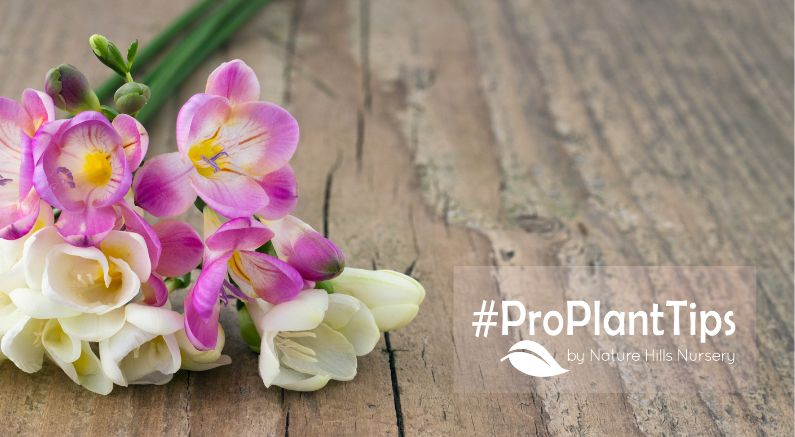
Freesia flowers are fragrant masterpieces! Bringing vibrant color, sweet scents, and a touch of elegance to your garden! These herbaceous perennials, native to South Africa, grow from unique corms which are a modified type of underground stem.

Beloved for their graceful appearance, spicy-sweet fragrance, and versatility in the landscape. Whether you're an experienced gardener or a beginner, Freesia corms are easy to grow and a joy to cultivate!

From mixed borders to patio pots, these petite bloomers add bold color and perfume wherever they're planted. Explore how to plant and care for these fragrant little flowering plants!

All About Freesia!

Yellow Freesia

Freesia is a genus of 16 species, plus numerous hybrids and cultivars, prized for their tubular, trumpet-shaped flowers and delightful aroma. Each corm produces a rosette fountain of slender, spikey green leaves that remain attractive all season long.

The flowers, arranged along elegant, tapering stems, have a six-petaled structure and come in a dazzling array of colors—red, yellow, pink, white, and more.

Their clean, modern lines make them a favorite for both garden displays and floral designs!

Freesia's fragrance is a delightful blend of peppery, sweet, and citrusy notes, making them a popular choice for perfumes and bouquets.

Using Freesia In The Garden

Freesia corms are fast-growing and perfect for adding charm to gardens, containers, and floral designs:

  1. Mixed Borders and Cottage Gardens
    Tuck Freesia into perennial borders and cottage gardens for vibrant color and a sweet scent that attracts pollinators like butterflies and bees.
  2. Containers and Small Spaces
    Freesia's petite size (rarely growing taller or wider than 2 feet) makes them ideal for patio pots, planters, hanging baskets, and window boxes.
  3. Pathways and Edging
    Plant Freesia along paths, walkways, or garden borders for a fringy, fragrant finishing touch.
  4. Mass Plantings
    Create dramatic groupings, rows, or mass plantings of Freesia for a bold, colorful impact in your garden.
  5. Indoor Elegance
    Freesia can be forced indoors in containers during the winter (or really any time), adding color and fragrance to your home during the colder months. Go ahead and snip a few stems to add to your bouquets.

How To Plant Freesia Corms

  1. Choose the Right Time
    Plant Freesia corms in spring after the last frost or in fall if you live in zones 9–10, where they can remain in the ground year-round.
  2. Prepare the Soil
    • Freesia thrives in well-drained soil of nearly any type.
    • Amend heavy soils with sand or compost, or create raised beds or berms. Freesia easily can be grown in containers if your soil is heavy and boggy.
  3. Planting Depth and Spacing
    • Plant corms about 2 inches deep with the pointed end facing up.
    • Space corms 6 inches apart to allow room for growth.
  4. Water and Mulch
    • Water thoroughly after planting to help the soil settle. We recommend using the Finger Test to ensure you are watering correctly.
    • Apply a 3–4 inch layer of mulch to retain moisture and suppress weeds.
Yellow Freesia Banner

Caring For Freesia

  1. Sunlight
    Freesia needs full sun but will tolerate partial shade, especially in hot climates.
  2. Watering
    Water regularly to keep the soil evenly moist but not soggy. Use the Finger Test to determine when it's time to water.
  3. Fertilizing
    Apply a balanced fertilizer during the growing season to encourage healthy blooms.
  4. Deadheading
    Remove spent flowers to promote continuous blooming. Allow the leaves to remain after flowering, as they help store energy in the corm for the next season.
  5. Pruning
    Cut back the foliage once it has turned yellow and died back naturally.

Lifting Freesia In The Fall

In colder regions (zones 1–8), Freesia can be enjoyed as annuals or grown indoors or planted outside in the spring and lifted in the fall before frost. Storing your corms in a cool, dark place over the winter until next spring.

  • As Annuals: Plant Freesia in spring and enjoy them throughout the growing season.
  • In Containers: Bring Freesia indoors before the first frost and treat them as houseplants.
  • Lifting and Storing Corms: Dig up the corms in fall, clean and dry them, and store them in a cool, dry place (50–60°F) until spring.

Enjoy Fragrant Freesia!

Freesia corms are perfect for gardeners looking to add vibrant color, spicy-sweet fragrance, and low-maintenance beauty to their landscapes. Their versatility makes them suitable for gardens of all sizes, from expansive flower beds to cozy patio planters.

Order your Freesia today and experience the joy of growing these fragrant, elegant blooms. With their stunning appearance, they're sure to become a favorite in your life!

Happy Planting!

Buy Freesia At NatureHills.com
Previous Next

Frequently Asked Questions

How do you care for freesia plants in the garden?

Freesia are low-maintenance plants that thrive in full sun with well-drained soil and consistent moisture during their active growing season. Water regularly but avoid waterlogging, as corms can rot in soggy conditions. In USDA zones 9 to 11, freesia can remain in the ground year-round, while gardeners in cooler zones should lift and store corms after the first frost in fall. Feed with a balanced bulb fertilizer at planting and again as flower stems emerge to encourage the most vibrant blooms.

How do you plant freesia corms correctly?

Plant freesia corms in spring after the last frost, or in fall in warmer climates, spacing them about 2 inches deep and 2 to 3 inches apart with the pointed end facing up. Choose a location with full sun to partial shade and well-draining soil to prevent rot. For containers, use a quality potting mix and ensure pots have drainage holes. Water thoroughly after planting and keep the soil consistently moist until growth emerges.

Where is the best place to plant freesia in your yard?

Freesia thrives in a variety of garden settings, making it a versatile choice for nearly any spot in your yard. These compact plants, which rarely exceed 2 feet in height or width, work beautifully in perennial borders, cottage gardens, container plantings, and along pathways or garden edges. They perform best in a location that receives adequate sunlight and allows their spiky foliage to remain visible throughout the season. For maximum impact, try mass plantings in a sunny border or tuck them into patio pots near a seating area where their sweet, citrusy fragrance can be fully enjoyed.

How do you grow freesia successfully from corms to bloom?

Plant freesia corms in spring after the last frost, setting them 2 inches deep and 3 to 4 inches apart in a sunny, well-drained location. These fast-growing plants rarely exceed 2 feet in height, making them equally suited to garden borders, mass plantings, or patio containers. Water consistently after planting and expect vibrant, fragrant blooms to follow as the season progresses. For best results, group corms in clusters of 10 or more to create a bold, colorful display that highlights their spicy-sweet fragrance.

Are freesias annuals or perennials in home gardens?

Freesias are tender perennials, hardy in USDA zones 9 to 11, where they can remain in the ground year-round. In colder climates, they are typically grown as annuals or treated as seasonal bulbs that must be lifted and stored after the first frost. The good news is that with a little extra care, gardeners in cooler zones can replant their saved corms each spring and enjoy these fragrant bloomers season after season. If you are outside of zones 9 to 11, plan to dig up your corms each fall and store them in a cool, dry place until it is time to replant after your last frost date.

Can you grow freesia indoors as a houseplant?

Yes, freesia can absolutely be grown indoors in containers, and they make a wonderful houseplant especially during the colder winter months. Their compact size, rarely exceeding 2 feet in height or width, makes them well-suited for pots, planters, and window boxes inside your home. To enjoy blooms any time of year, simply plant the corms in a well-draining container and place them in a bright, sunny window. Visit naturehills.com to browse our freesia corm selections and get started on your indoor fragrant garden today.

How do you care for freesia plants grown indoors?

Freesia grown indoors thrive in bright, indirect light and consistently moist but well-drained soil. Keep them in a cool location, ideally between 55 and 65 degrees Fahrenheit, as warmer temperatures can shorten bloom time. Water regularly but avoid waterlogging the corms, which can cause rot. Once blooms fade, allow the foliage to die back naturally before storing the corms in a cool, dry place for replanting.

When should you plant freesia corms for the best results?

Plant freesia corms in spring after the last frost date has passed, or in fall if you live in a warmer climate where winters are mild. These South African natives thrive when given a proper seasonal start, so timing your planting to avoid freezing temperatures is essential for strong growth and abundant blooms. Check your local last frost date and plan accordingly, then tuck your corms into well-prepared soil and look forward to their spicy-sweet fragrance filling your garden.

How do you get freesia to bloom again the following season?

To get freesia to rebloom the following season, the key is properly lifting and storing the corms after foliage dies back in fall. Allow the leaves to yellow and wither naturally so the corm can absorb nutrients, then carefully dig them up, brush off excess soil, and store them in a cool, dry location around 50 degrees F through winter. In zones 9 to 11, freesia corms can often be left in the ground year-round. Replant your stored corms in spring after the last frost, or in fall if you garden in a warmer climate, placing them about 2 inches deep and 3 to 4 inches apart for the best display.

Why are my freesia plants not blooming?

Freesia corms require proper planting depth, adequate sunlight, and the right timing to produce blooms, so if yours are not flowering, one of these factors is likely the culprit. Corms planted too shallow, in shaded conditions, or during frost-prone periods will struggle to develop properly. Make sure your corms are planted in spring after the last frost in a location that receives full sun, and give them consistent moisture and well-draining soil throughout the growing season. If you are in a colder climate, consider growing freesia in containers so you can control their environment and even force them to bloom indoors during winter months.