Shop With Confidence: FREE Growing & Glowing Promise

Free Shipping on Orders $199+

Lovely Loropetalum - Chinese Fringe Flowers at Nature Hills!

Lovely Loropetalum - Chinese Fringe Flowers at Nature Hills! - Nature Hills Nursery

Nature Hills Nursery |

Fringe Flower (Loropetalum) also known as the Chinese Fringe Flower, or sometimes spelled Fringeflower, are long-lived woody shrubs that are fantastic low-maintenance broadleaved evergreens that are space-saving and widely underutilized in today's yards and gardens!

Read on to learn more about these unique landscape offerings at Nature Hills Nursery!

All About Fringe Flowers!

Fringe Flowers are members of the Witch Hazel family, and you’ll see the family resemblance when these showy shrubs are in full bloom! Flowering when your landscape needs a shot of color the most! Like their Witch Hazel cousins, Loropetalum bloom in the mid to late winter or early spring months!

Hot Pink Fringe

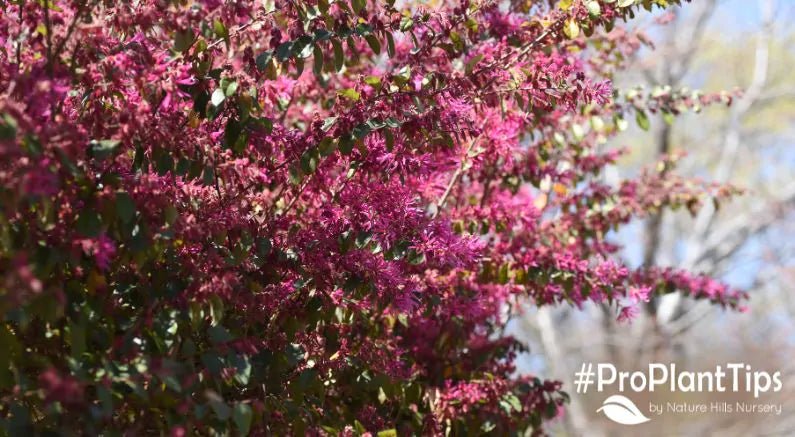
Long, slender petals form loose pompoms of colorful red, deep pink, burgundy, white, or purple flowers each with a soft fragrance and an allure that pollinators cannot resist! Long lasting on the shrub, you may even see a second flush of blooms in fall! Your bees, butterflies, and Hummingbirds will appreciate this double dose of nectar!

Featuring green foliage, burgundy, or even purple leaves, Loropetalum can change color throughout the year! New spring growth, summer foliage, and fall/winter color can be different in many varieties! The year-round colorful foliage can display different spring, summer, and fall tones as the pretty pointed leaves transform throughout the seasons!

This neat, tidy, compact flowering evergreen shrub won't need much pruning or attention to keep it in shape either! Heat and humidity-tolerant, these warm-climate shrubs are native to China and Japan and are available in a range of sizes and shapes from dwarf groundcovers to larger upright varieties.

Landscaping With Fringe Flower Shrubs

Infographic

Fringe Flower shrubs can be used in various gardening situations and add their beauty year-round!

The dramatic flowering display of the Ruby Chinese Fringe Flower and the multi-hued foliage of the Proven Winners® Jazz Hands Night Moves® Chinese Fringe Flower are both incredible specimens and focal points in both your landscape beds and large planters!

Use larger Fringe Flower shrubs as hedges, backdrops, and pretty privacy all year round!

Try a 5-6 foot tall Chinese Fringe Flower as a backdrop to your Rose Garden, or brighten a Perennial back-of-the-border!

A lovely White Chinese Fringe Flower can grow 6 - 10 feet in height and provides gorgeous privacy and screening Use any of these lovely shrubs evenly spaced along your property line for low hedging and privacy. It can be pruned to look formal or left to look more naturalistic and informal without overtaking your yard.

The 5 - 6 foot tall Ever Red Chinese Fringe Flower lights up your foundation plantings with its red streamer-like flowers, and Purple Diamond® Fringe Flower creates lower property division that separates your front yard from the sidewalk!

The year-round purple foliage of First Editions® Crimson Fire™ Fringe Flower, a burgundy-leaved and low-growing shrub is perfect for screening you're A/C unit from view!

Don’t forget the cute and petite little Purple Pixie® Weeping Fringe Flower or Jazz Hands Night Moves® Chinese Fringe Flower for your container gardens or patio planters! These smaller shrubs are fantastic edging and

Many Fringe Flowers have purple to burgundy foliage adding a unique depth to the other more usual greenery in your landscape. Mix these varieties of Fringe Flower with yellow and chartreuse-foliaged conifers like Junipers or Cypress!

Mix Loropetalum among other early spring flowering shrubs like Forsythia, Witch Hazel, and Serviceberry for a traffic-stopping color combo first thing in the season!

Loropetalum are such a beautiful and versatile addition to your garden no matter where you use their long-lasting beauty!

How To Plant Fringe Flower

Follow these steps to plant Chinese Fringe Flower shrubs. For best results, plant them in the spring or fall, but if you are able to water them regularly then you can plant them at any time during the growing season!

  1. Dig a hole as deep as the root ball and 2-3 times wider.
  2. Remove the plant from its nursery pot and loosen the soil around the roots.
  3. Set the plant into the hole with the top of the root ball at soil level or slightly above.
  4. Backfill the hole with soil and tamp down slightly to remove air pockets. Water well.
  5. Mulch with a layer of shredded bark to retain moisture and suppress weeds.

When planting, keep one hand on the pot and one hand on the top of the soil. Tip it over and tap it gently out of the pot. Try not to grab it only by the delicate branches, it's far better to hold the soil/root ball for this pretty plant to avoid damaging the growth.

Caring For Fringe Flower

If you are in Zone 7, you'll want to give Fringe Flower bushes a sheltered position to protect them from occasional cold snaps and harsh winters. No matter your zone, the root systems will appreciate a 3-4 inch deep layer of arborist mulch.

They like well-drained soil, so don't plant it too deeply. When siting this plant, you'll want to keep it away from foot traffic. This includes keeping it out of the path of dogs who may run through it.

White Fringe Flowers

Water new installations regularly and we recommend using the Finger Test, but once established, Loropetalum are highly drought tolerant but do appreciate extra watering before winter. If you see any dried leaves in the interior of your plant, simply grab the hose and completely saturate the soil around the base of your plant.

Although they require very little maintenance, they will benefit from well-drained, slightly acidic soil. Fertilize with an acid fertilizer, such as Dr. Earth Acid Lovers Organic and Natural Fertilizer twice a year in early spring and mid-summer.

Loropetalum blooms on old wood, so wait until after that first flush of fringy flowers before picking up the shears. You can Prune them back to conform to any landscape setting or size need. If you plan ahead for their mature height and spread, you may never have to prune them at all! Renewal pruning is recommended every 3-5 years.

  • Full Sun For Best Color & Partial Shade Tolerant
  • Slightly Acidic Well-Drained Soil
  • Regular Moderate Moisture Needs
  • Blooms On Old Wood - Prune After Flowering
  • Salt & Saline Tolerant
  • Great Disease & Pest Resistance
  • Deer Seldom Bother These Shrubs!

Gorgeous Early Season Blooms & Year-Round Color!

Gardeners in USDA planting zones 7 to 10 will be gushing about these vivid flowering broadleaf evergreens! Get acquainted with all the Loropetalum’s perks and beauty for your landscape! Then place your order with Nature Hills and grow these unique flowering ornamentals!

Happy Planting!

Previous Next

Frequently Asked Questions

When does Loropetalum bloom and how long does the flowering season last?

Loropetalum typically blooms in mid to late winter or early spring, making it one of the first flowering shrubs to bring color to your landscape when you need it most. The blooms are long-lasting on the shrub, and many varieties will produce a second flush of flowers in fall, giving you two seasons of color from a single plant. To maximize blooming, avoid heavy pruning in late summer or fall, as this can remove the developing flower buds for the following season.

Will deer eat Chinese Fringe Flower shrubs?

Loropetalum is generally considered deer resistant, making it a reliable choice for gardens in areas with moderate to heavy deer pressure. While no plant is completely deer proof, these shrubs are typically avoided due to their foliage texture and fragrance. For added protection in high-traffic deer areas, apply a deer repellent spray during the first season after planting until the shrub becomes well established.

Why is my purple Loropetalum turning green and how can I fix it?

Purple and burgundy Loropetalum foliage can fade to green when the plant receives insufficient sunlight, as these varieties need at least 6 hours of direct sun daily to maintain their rich coloration. Overly fertile soil or excess nitrogen fertilizer can also push the plant toward lush green vegetative growth at the expense of foliage pigmentation. If your plant is in a shadier spot, consider transplanting it in early fall or early spring to a sunnier location, and hold off on heavy nitrogen feeding, opting instead for a balanced slow-release fertilizer applied in spring.

Why is my Loropetalum not blooming and what can I do to encourage flowers?

Loropetalum typically blooms in mid to late winter through early spring, so if yours is not flowering, the most common culprits are improper pruning timing, insufficient sunlight, or overly rich fertilization that encourages leafy growth at the expense of blooms. Pruning should be done immediately after the spring bloom cycle ends, as cutting back later in the season will remove the developing flower buds for next year. Excess nitrogen fertilizer can also suppress flowering, so switch to a low-nitrogen, bloom-boosting fertilizer in late summer to encourage bud development. Make sure your plant receives at least partial sun, avoid pruning after midsummer, and apply a phosphorus-rich fertilizer in late summer to set the stage for a strong late winter or early spring flower display.

When is the best time to plant Chinese Fringe Flower for strong root establishment?

The best time to plant Chinese Fringe Flower is in spring or fall when temperatures are mild and the soil is workable, giving roots time to establish before summer heat or winter cold sets in. These heat and humidity-tolerant shrubs thrive in warm climates and perform best in USDA zones 7-10, where fall planting is especially effective since the soil stays warm longer to encourage root growth. Water consistently during the first growing season to help your new shrub anchor itself, and apply a layer of mulch around the base to retain moisture and regulate soil temperature.

How do I prune Loropetalum without sacrificing next season's blooms?

Loropetalum sets its flower buds shortly after blooming, so the best window to prune is immediately after the spring flowering flush ends, typically by late spring. Avoid pruning in late summer or fall, as you risk cutting off the buds that will become your winter and early spring blooms. Because these shrubs are naturally neat and compact, most varieties need only light shaping rather than heavy cutting. Remove any crossing or dead branches first, then lightly tip-prune to maintain your desired shape right after that spring bloom fades.

How large does Loropetalum grow at maturity and how much space should I allow?

Loropetalum comes in a wide range of sizes depending on the variety, from compact dwarf cultivars that stay under 2 feet tall and work well as groundcovers, to larger upright varieties that can reach 6 to 10 feet tall or more at maturity. When planting, check the specific variety's mature spread, as some dwarf types may only need 2 to 3 feet of space while larger hedge varieties may require 5 to 6 feet between plants. To avoid overcrowding and reduce the need for heavy pruning, always plant based on the mature size listed for your chosen cultivar rather than the size at purchase.

Can Loropetalum be grown successfully in a container or pot?

Yes, Loropetalum can be grown successfully in containers, and the dramatic foliage and fringe-like blooms make them stunning focal points in large planters. Dwarf and compact varieties are best suited for container growing, as larger types can reach 6 to 10 feet and will quickly outgrow a pot. Choose a container large enough to accommodate the root system, use a well-draining potting mix, and site the planter where the plant will receive adequate light for your chosen variety. Water consistently since containers dry out faster than garden beds, and plan to repot or transition to a landscape planting as the shrub matures.

Is Loropetalum cold hardy enough to survive winters in my planting zone?

Loropetalum is generally cold hardy in USDA zones 7 through 10, though some varieties offer improved cold tolerance into zone 6 with proper siting and protection. These shrubs thrive in warm climates and are native to China and Japan, so they prefer mild winters and can struggle with prolonged hard freezes. Check the specific variety you are considering, as hardiness can vary between dwarf and larger upright selections. Visit the individual plant pages at Nature Hills to confirm the hardiness zone range for your chosen variety before purchasing.

How do I prevent root rot in Loropetalum and what drainage conditions does it need?

Loropetalum is susceptible to root rot when planted in poorly draining or consistently waterlogged soil, so well-drained soil is essential for healthy plants. When planting, choose a site where water does not pool after rain, and if your soil is heavy clay, amend it with compost or plant in a raised bed to improve drainage. Always plant at or slightly above the surrounding soil level to prevent water from collecting around the crown. If you are growing Loropetalum in containers, use a quality potting mix and ensure pots have adequate drainage holes, emptying saucers after heavy watering.