Shop With Confidence: FREE Growing & Glowing Promise

Free Shipping on Orders $199+

Hügelkultur: What Is It & Why You Might Want One?

Hügelkultur: What Is It & Why You Might Want One? - Nature Hills Nursery

Nature Hills Nursery |

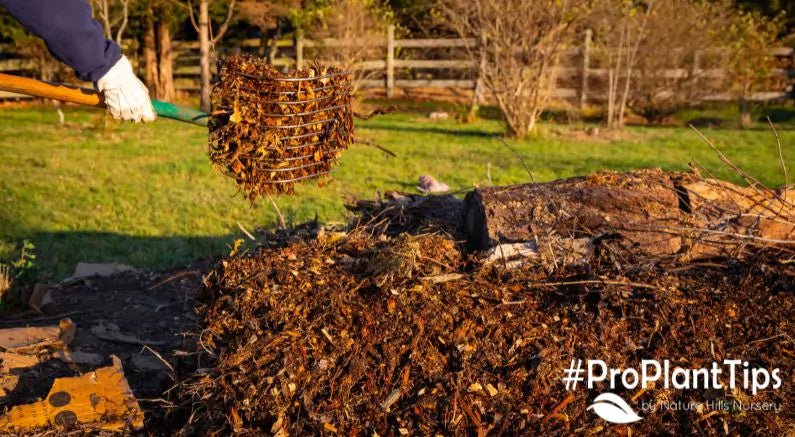
Got an unsightly compost bin, or a messy scrap pile of accumulated yard waste, or maybe just had a large tree come down in your yard? Don’t let that pile of logs, sticks, and leaves go to waste!

Turn it into something unique and beautiful - and incredibly beneficial!

What is Hügelkultur?

Hugel

Hügelkultur has been used for centuries in Eastern Europe, as part of a broader permaculture system. Literally translated as a “mound culture” or “mounded bed”, Hügelkultur is a horticultural technique where a long linear mound is constructed from decaying wood, yard debris, and other compostable biomass and plant materials.

Plus you can plant directly onto it!

How To Make a Hugelkultur Raised Bed

While large installations of Hügelkultur can be labor-intensive to build, that messy-looking compost bin or pile of dead branches in the backyard can be transformed into a smaller version and made to become part of your landscape instead of a scrap heap!

Hugelkultur Infographic
  • In a trench or on the ground itself, lay down larger hardwood logs in a row
  • On top, layer softwoods and smaller logs/larger branches parallel to the large logs
  • Start piling on smaller twigs, mulch chips, and leaf litter, alternating with compost until you have a large pyramidal heap that extends along the entirety of the largest logs. It can be as tall as you are able.
  • Cover with 10-20 inches of soil that you can plant directly into
  • Adding logs along the base or stones can give you a boost to continue piling more on top, or help keep the soil from washing away until the Hügelkultur outer layer settles and roots from turf or plants stabilize the soil.
  • Continue extending your Hügelkultur to lengthen it rather than continue making it taller than you can reach, creating a privacy berm or raised bed that decomposes naturally and slowly over time.

Hügelkultur can be either left as is, covered in turf or sod, covered in mulch, or immediately planted as a Raised Bed Garden.

Things To Be Aware Of When Creating A Hugel Bed

  • Avoid making the sides of your Hugelkultur bed too steep. You can cover a newly made mound in mesh netting, straw, or mulch to hold soil in place while plants work to take over. Also because of the increased exposure, plants grown on tall hügel beds may be more susceptible to wind and frost damage.
  • Tall plants growing on steep-sided beds may fall over or be difficult to tend. Grow shorter, sprawling plants until the hügel shrinks and breaks down further.
  • New Hugel Beds can be low in nitrogen, so enrich that top layer of soil with compost, fertilizer, or a cover crop of nitrogen-fixing clover if you are planting vegetables or flowers directly into a new Hügelkultur. It can take a couple of years for the natural processes to break down and the nitrogen becomes available to all layers.
  • You can use larger stems and branches secured into the ground to hold the logs in place while you pile on the other layers. Preventing them from rolling and eroding.
  • You can add earthworms to the upper layers to help speed the process.
worm

Over time, the logs and wood break down and you will notice increased biodiversity, beneficial insects, and native pollinators frequenting your garden! You will also notice your Hügelkultur mound shrinking as plant matter breaks down.

After several years, you can remove this mound spread its contents onto your vegetable gardens, and renew them with newly created Hügelkulturs!

Reasons Hügel Beds Are Great!

Hugel bed
  1. Rotting wood absorbs moisture like a sponge and becomes home to beneficial insects and fungi.
  2. Plus it becomes home for many native bees and other beneficial pollinators to overwinter!
  3. Acting as a slow compost bin, there is no need to turn your Hugel mound as you would need to turn a compost bin! These raised beds naturally aerate themselves and won’t become rotting piles of stinky mess.
  4. Increase the three-dimensional space of your garden and give height to a flat boring area, while disguising your compost pile as flower beds or screening!
  5. Require less space in the garden because fewer garden paths are needed and you can create dimensional layers to your landscape!
  6. Hügel beds warm faster in the spring, giving you a place to kick-start your spring annuals or cold-hardy veggies!
  7. Naturally sequesters carbon into the soil.
  8. Create planting berms if you have poor drainage areas.
  9. Raise ground for privacy, screening, and landscape dimension.
  10. Increase biodiversity and native insect and wildlife shelter.
  11. Improve soil quality, improve organic matter in soil & increase microorganism presence.
  12. Creates snow drift barriers and windbreaks when sited just right

Get More “Mound Culture” In Your Life!

Double-duty berms that solve more than one problem in the landscape, Hügel Beds disguise your messy compost pile, improve the ecosystem, elevate your landscape, and are a sneaky way to include permaculture methods right in your own backyard!

Get ready for spring sooner with the help of Nature Hills Nursery by checking out all our latest sales and promotions to get your spring garden blooming beautifully!

Happy Planting!

Shop Perennials

Previous Next

Frequently Asked Questions

How does hugelkultur differ from a standard raised bed in terms of setup, maintenance, and long-term soil health?

Hugelkultur differs from a standard raised bed in that it is built from the ground up using layered decaying wood, branches, leaf litter, and compost topped with 10 to 20 inches of soil, whereas a standard raised bed typically relies on imported soil or compost fill alone. Over time, the decomposing wood core acts like a sponge, retaining moisture and slowly releasing nutrients, which reduces the need for fertilizing and frequent watering compared to a conventional raised bed. A standard raised bed requires regular soil amendment each season, while a hugelkultur mound becomes increasingly fertile and self-sustaining as the organic layers break down over years. Start your hugelkultur bed with the largest hardwood logs on the bottom, build up with progressively smaller material, and plant into it immediately or allow it to settle for one season before planting for best results.

How do I build a hugelkultur bed from scratch using materials I already have in my yard?

Building a hugelkultur bed starts with laying your largest hardwood logs directly on the ground or in a shallow trench, then layering softwoods, smaller branches, twigs, wood chips, and leaf litter on top in a pyramidal shape. Continue alternating organic layers with compost until the mound reaches a workable height, then cap everything with 10 to 20 inches of soil for planting. To keep the structure stable, place logs or stones along the base to prevent soil from washing away until plants and turf roots anchor everything in place. Start building in fall so the woody materials have time to begin breaking down before your first planting season, and consider covering the freshly built mound with straw or mesh netting to hold soil in place while your plants establish.

Which logs, branches, and organic materials work best when layering a hugelkultur bed?

For the base layer, use larger hardwood logs first, then layer softwoods and smaller branches on top, followed by twigs, mulch chips, and leaf litter alternated with compost as you work your way up. Hardwoods are preferred for the foundational logs because they decompose more slowly, providing a long-lasting sponge-like core that retains moisture and nutrients over time. Finish with 10 to 20 inches of soil on top for planting. Avoid using allelopathic woods like black walnut, which can inhibit plant growth, and stick to whatever untreated woody debris and yard waste you have on hand to get started.

What types of wood should I avoid in hugelkultur, and can certain species attract pests or spread disease?

When building a hugelkultur bed, avoid using allelopathic woods like black walnut, which releases juglone and can inhibit or kill many plants. Cedar, black locust, and other naturally rot-resistant woods should also be used sparingly or avoided, as they decompose very slowly and can delay the nutrient-cycling benefits of your mound. Fresh wood from diseased trees, or species known to harbor pests like elm (Dutch elm disease) or ash (emerald ash borer), should never be used as they can spread problems throughout your garden. Stick to untreated hardwoods like oak, maple, or fruit woods for the best results, and always source logs from healthy trees to keep your hugelkultur bed productive and problem-free.

How tall or deep should I build a hugelkultur bed depending on whether I am growing vegetables, flowers, or perennials?

The ideal height of a hugelkultur bed depends on what you plan to grow, but a general rule is to aim for 2 to 4 feet of total mound height covered with 10 to 20 inches of soil on top. Vegetables and annual flowers do well on lower, more accessible mounds in that 2 to 3 foot range, while deep-rooted perennials and shrubs can take advantage of taller mounds that provide more decomposing biomass over time. Keep in mind that taller beds increase exposure to wind and frost, so avoid steep sides and stick to shorter, sprawling plants near the top. Start with a modest height you can comfortably tend, extend the length of your bed rather than adding more height, and stabilize the soil with mulch or netting while your plants establish.

Should I build a hugelkultur bed directly on the ground, inside a raised bed frame, or in a container setup?

Hugelkultur beds work best built directly on the ground or in a trench, as the technique relies on direct contact with native soil to support decomposition and allow beneficial organisms to move freely through the mound. A raised bed frame can work as a border to help contain the base and prevent soil from washing away, especially in the early stages before plant roots stabilize the mound. Containers are not recommended, as hugelkultur depends on the volume and long-term breakdown of large logs and woody debris that no container can adequately accommodate. Start by laying your largest hardwood logs directly on the ground, use framing stones or border logs to support the base if needed, and cover the mound with 10 to 20 inches of soil before planting.

How well does hugelkultur perform in clay soil, compacted ground, or areas with poor drainage?

Hugelkultur actually thrives in challenging soil conditions because the mound structure elevates your planting zone entirely above problematic ground, sidestepping poor drainage and compaction rather than fighting them. The decomposing wood core acts like a sponge, absorbing and slowly releasing moisture while the biological activity generated by breakdown helps loosen and improve even the most stubborn clay beneath over time. Cover your base layer with 10 to 20 inches of quality soil and compost so roots establish well above the compacted or waterlogged zone from the start.

How do I successfully plant seeds and young transplants in a hugelkultur bed without stressing them from heat, moisture loss, or nutrient imbalance?

New hugelkultur beds can create challenges for seeds and transplants because fresh wood absorbs nitrogen as it breaks down and the mound's elevated exposure increases moisture evaporation. To offset these issues, top your mound with at least 10 to 20 inches of quality compost-rich soil before planting, and consider adding a slow-release balanced fertilizer to compensate for temporary nitrogen drawdown. Water young transplants more frequently than you would in a flat bed, especially during the first season, and apply a layer of straw mulch over the soil surface to retain moisture and regulate temperature swings. Start with hardy, drought-tolerant plants or fast-maturing crops in the first year, then expand to more demanding plants as the bed matures and the decomposing wood begins releasing a steady supply of nutrients and moisture.

How much compost and topsoil should I layer over the wood core of a hugelkultur bed before planting?

For a hugelkultur bed, aim to cover your layered wood core with 10 to 20 inches of soil before planting. You can alternate smaller layers of compost with leaf litter and wood chips as you build up the mound, then finish with that final soil depth on top. Because the decomposing wood will settle over time, erring toward the deeper end of that range gives roots a stable, nutrient-rich zone to establish in. Top dress with additional compost each season to replenish nutrients as the wood core continues to break down below.

Why might a hugelkultur bed be a better long-term investment than a traditional raised bed for a home gardener?

A hugelkultur bed functions as a self-sustaining system that actually improves over time, as the decomposing wood beneath the soil continuously releases nutrients, retains moisture, and generates subtle warmth that can extend your growing season. Unlike a traditional raised bed that requires regular amendments and fresh soil additions, a hugelkultur mound becomes more fertile and sponge-like as the buried logs break down over years, reducing your need for irrigation and fertilization. Start by burying the largest hardwood logs you can source at the base, layer in progressively smaller wood debris and compost, and finish with 10 to 20 inches of quality topsoil so you can begin planting right away while the long-term decomposition process works beneath you.