Free Shipping on Orders $199+

Growing Zone: | Garden in
Find your Growing Zone!

How To Identify Evergreens Part 9: Yew Bushes and Trees!

How To Identify Evergreens Part 9: Yew Bushes and Trees! - Nature Hills Nursery

Charlotte Weidner |

Think all evergreen trees are just Pines or Spruce? Think again! Yews (Taxus) are a unique group of coniferous evergreens with soft needles, red berries, and elegant form, perfect for hedges, foundation plantings, and year-round greenery. Learn how to identify Yew Bushes & Trees with this simple, beginner-friendly guide.

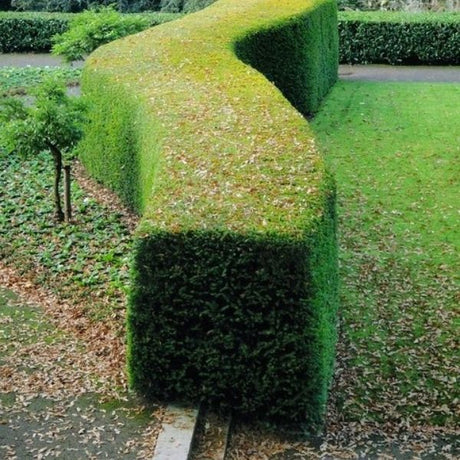
Yew foundation hedge

Ever wonder what that soft, dark green shrub in your neighbor's yard is, the one that's always trimmed just right and stays lush all year long? Chances are, you're looking at a Yew, a classy evergreen that flies under the radar but plays a major role in landscapes across North America.

This is Part 9 in our "How to Identify Evergreen Trees" series, where we help you tell apart the many beautiful and useful evergreens in your neighborhood or backyard. From texture and berries to form and flexibility, we'll walk you through how to spot a Yew at a glance, and why it just might be the evergreen your landscape has been missing!

What Is A Yew?

Yew flowers

Yews (Taxus spp.) are a group of evergreen coniferous shrubs and trees that are prized for their soft needles, rich green color, and incredible ability to be shaped, clipped, and sculpted into hedges, topiaries, and privacy screens.

They're often overlooked in favor of flashier evergreens, but Yews are quietly spectacular and incredibly easy to grow once you know what you're looking at.

How To Identify a Yew

Here are a few simple traits to help you recognize a Yew bush or tree in the wild or in your landscape:

  1. Soft, Flat Needles

Yew needles are soft to the touch, unlike prickly Spruce or stiff Pine. They grow in a flat, feather-like pattern along the twig and are typically dark green on top with lighter undersides.

  1. No Cones - Just Berries!

Yews don't produce the classic woody cones you'd expect from a conifer. Instead, they develop small, red, fleshy berries with a single cone-like seed inside. These berries look more like candy than cones, but they are toxic if ingested, so don't snack on them!

  1. Flexible Branches

Try bending a branch! Yew branches are surprisingly pliable, making them excellent candidates for tight shaping or hedging.

  1. Dense, Upright or Spreading Habit

Yews range from low, spreading groundcovers to tall, columnar privacy shrubs, but most share a tidy, compact look. When left unpruned, some Yews can grow into small trees with a natural, mounded form.

Where Do Yews Grow Best?

Yews love cooler climates and well-drained soils. They thrive in USDA zones 4 through 7, though some varieties tolerate zone 8. Partial to full sun is ideal, and they are extremely tolerant of pruning, making them great for formal gardens, foundation plantings, or evergreen accents.

They're also shade-tolerant, making them a rare evergreen that performs well in darker corners of the garden.

Exploring the Diversity of Yew Species

Yews (genus Taxus) are versatile evergreens that come in various shapes and sizes, suitable for different landscape needs. Here's a look at some notable species:

  1. English Yew (Taxus baccata)

A classic European species, the English Yew is known for its dense, dark green foliage and longevity. Often used in formal hedging and topiaries, it can be shaped easily and adds a timeless elegance to gardens. Check out the Spreading English Yew.

  1. Japanese Yew (Taxus cuspidata)

Native to Japan, this species is valued for its hardiness and adaptability. It features bright green needles and a broad, spreading habit, making it suitable for foundation plantings and hedges.

  1. Canadian Yew (Taxus canadensis)

Also known as American Yew, this low-growing species is native to North America. It thrives in shaded, forested areas and is often used as groundcover in naturalistic landscapes.

  1. Pacific Yew (Taxus brevifolia)

Found along the western coast of North America, the Pacific Yew is a slow-growing tree that can reach up to 50 feet in height. It is notable for its reddish bark and has been historically significant for its medicinal properties.

  1. Hybrid Yews (Taxus × media)

These are crosses between English and Japanese Yews, combining the best traits of both parents. Cultivars like Wardii and Densiformis are popular choices for hedges and foundation plantings due to their dense growth and adaptability.

Popular Yews You'll Find at Nature Hills

Ready to plant one of these classy evergreens? Here are some top Yews available at Nature Hills that bring beauty, structure, and versatility to your landscape:

Hick's Yew (Taxus x media 'Hicksii')

  • Narrow, upright shape, great for privacy hedges
  • Dense evergreen foliage, easy to shear and shape
  • Perfect for tight spaces or formal landscapes

Taunton Spreading Yew (Taxus x media 'Tauntonii')

  • Low-growing, spreading habit
  • Known for its excellent winter hardiness and disease resistance
  • Ideal for foundation plantings and under low windows

Densiformis Yew (Taxus x media 'Densiformis')

  • Classic mid-sized hedge shrub
  • Naturally rounded and super full
  • Works beautifully along walkways or in layered planting beds

Dark Green Spreader Yew (Taxus x media 'Dark Green Spreader')

  • Lower-growing habit stays low and wide
  • Perfect for slopes, rock gardens, or as a tidy evergreen carpet
  • Very low maintenance and tough

Captain™ Upright Japanese Yew (Taxus cuspidata 'Fastigiata')

  • Tall, narrow, columnar form makes it perfect for space-saving vertical accents
  • Deep green, soft needles stay lush and vibrant all year long
  • Naturally low-maintenance and easy to shape, great for privacy screens or structural design
  • Tolerates sun to shade and performs beautifully in a wide range of soils
  • Produces ornamental red berries that add seasonal charm and support wildlife

Why Yews Deserve a Spot in Your Landscape!

Yew berry

While Yews may be understated in the flower department, they still offer quiet support for local wildlife. Their dense evergreen branches provide excellent year-round shelter and nesting sites for birds, especially during colder months. Female Yew plants produce small, red, berry-like arils that attract birds like Thrushes and Waxwings.

And while Yews aren't a major nectar source, their early-season pollen can offer a subtle snack for bees and beneficial insects just waking up in spring.

Yews are the quiet achievers of the evergreen world! Versatile, shade-tolerant, low-maintenance, and long-lived. Whether you need a formal hedge, a shady foundation filler, or a statement shrub, there's a Yew variety that fits the bill!

When you order from Nature Hills Nursery, you're not only getting top-quality plants, but you're also supporting sustainable gardening practices. Thanks to Plant Sentry™, every Yew is shipped responsibly, helping protect native ecosystems and prevent the spread of harmful pests and diseases.

Happy Planting!

Shop for Yew Bushes at Nature Hills!
Previous Next

Compare Plants

Browse the features and specs side-by-side to find the best fit for your garden.

A table comparing the facets of 4 products
Facet
Wardii Yew Shrub
Wardii Yew Shrub
View details
Hicks Yew
Hicks Yew
View details
Densiformis Yew
Densiformis Yew
View details
Captain Upright Pyramidal Yew
View details
Rating
Rating----
Type
TypeShrubShrubShrubTree
By
ByNature Hills NurseryNature Hills NurseryNature Hills NurseryNature Hills Nursery
Flower Color
Flower Color
  • Yellow
  • White
  • Green
  • Yellow
  • White
  • Yellow
  • White
  • White
Growing Zone Range
Growing Zone Range
4-7
4-8
4-7
4-7
Mature Height
Mature Height
3-4 ft
12 ft
4 ft
8-10 ft
Width
Width
8-12 ft
4 ft
4-6 ft
5-6 ft
Price
Price
Regular price $9674
Regular price From $3330
Regular price From $4233
Regular price $9640

Frequently Asked Questions

What does a yew tree look like?

Yew trees and shrubs feature soft, flat needles that grow in a feather-like pattern along the branches, with dark green tops and lighter undersides. Instead of typical woody cones, yews produce distinctive small red berries that contain a single seed. These evergreens maintain their rich green color year-round and have flexible branches that make them ideal for shaping and pruning. Look for the combination of soft needles and red berries to easily distinguish yews from other conifers in your landscape.

Are yews evergreen?

Yes, yews (Taxus spp.) are evergreen conifers that maintain their rich, dark green foliage year-round. Unlike deciduous plants, yews keep their soft, flat needles through all seasons, making them excellent choices for providing continuous structure and color in your landscape. These hardy evergreens thrive in USDA zones 4-7 and work particularly well for hedges, foundation plantings, and privacy screens. Choose yews when you need reliable evergreen coverage that can be easily shaped and maintained through regular pruning.

How to identify a yew tree?

Yews (Taxus spp.) are easily identified by their soft, flat needles that grow in a feather-like pattern along twigs, with dark green tops and lighter undersides. Unlike other conifers, they produce small red fleshy berries instead of woody cones, though these berries are toxic if eaten. Their flexible branches and dense growth habit make them popular for hedging and topiary work. Look for the combination of soft needles, red berries, and the ability to bend branches easily without breaking to confirm you've found a yew.

When is the best time to plant yew bushes or trees?

The best time to plant yew bushes and trees is during spring after the last frost or in early fall, typically 6-8 weeks before the first hard frost in zones 4-7. Spring planting allows the root system to establish during the growing season, while fall planting takes advantage of cooler temperatures and consistent moisture. Avoid planting during summer heat or when the ground is frozen. Choose a location with well-draining soil and partial shade to full sun, then water deeply after planting and maintain consistent moisture for the first growing season.

Is a yew an evergreen?

Yes, yews (Taxus spp.) are evergreen conifers that maintain their soft, dark green needles year-round. Unlike typical conifers, they produce small red berries instead of woody cones and have exceptionally soft, flat needles that feel pleasant to touch. Yews thrive in zones 4-7 and excel as foundation plantings, hedges, and privacy screens due to their dense growth habit and tolerance for heavy pruning. Choose yews when you need reliable evergreen structure that can be easily shaped and maintained in your landscape.

What do yew trees look like?

Yew trees and shrubs feature soft, flat needles that are dark green on top with lighter undersides, arranged in a feather-like pattern along flexible branches. Unlike other conifers, they produce small red berries instead of woody cones, though these berries are toxic if eaten. Yews have a dense, elegant form that responds exceptionally well to pruning and shaping. Look for their distinctive soft-to-the-touch foliage and red berries to distinguish them from prickly spruces or stiff pines in your landscape.

Are yew trees evergreen?

Yes, yews (Taxus spp.) are evergreen coniferous trees and shrubs that maintain their rich, dark green foliage year-round. Unlike deciduous plants, yews keep their soft, flat needles through all seasons, making them excellent choices for continuous landscape color and structure. They thrive in USDA zones 4-7 and tolerate heavy pruning, making them ideal for hedges, foundation plantings, and topiary work. Plant yews in partial shade to full sun locations where you need reliable evergreen coverage throughout the year.

What USDA hardiness zones are suitable for growing yews?

Most yew varieties thrive in USDA hardiness zones 4-7, though some species like Japanese yew (Taxus cuspidata) can tolerate zone 3 conditions. English yew (Taxus baccata) performs best in zones 5-7, while hybrid varieties often extend the range to zone 8. Check the specific cultivar's zone rating before planting, as cold tolerance varies significantly between different yew species and selections.

Are there yew trees in north america?

Yes, yew trees thrive throughout North America and are commonly used in landscapes from zones 4-7. While most yews in North American gardens are cultivated varieties of European yew (Taxus baccata) or Japanese yew (Taxus cuspidata), there is also a native species called Pacific yew (Taxus brevifolia) found in the Pacific Northwest. These evergreens adapt well to various growing conditions and excel as foundation plantings, hedges, and privacy screens. Look for their distinctive soft, flat needles and red berries to identify yews in your area.

Are yew berries edible?

No, yew berries are not edible and are toxic if ingested. While the bright red, fleshy berries may look appealing like small candies, they contain poisonous compounds that can be dangerous to humans and animals. All parts of the yew plant except the berry flesh are highly toxic, but it's safest to treat the entire berry as poisonous. Keep yews away from areas where children and pets play, and never consume any part of the plant.

Find Your Garden's Growing Zone!

Your Current Growing Zone:

Zone

ZIP Code:

✓ Growing Zone Set Successfully!

Your zone has been saved and will be used throughout the site.

⚠ Unable to locate a growing zone for that ZIP code.

Please check your ZIP code and try again.

Looking up your growing zone...

When ordering a tree or plant, make sure to know your planting zone.

You can determine your garden's USDA hardiness zone by entering your Zip Code below.