Shop With Confidence: FREE Growing & Glowing Promise

Free Shipping on Orders $199+

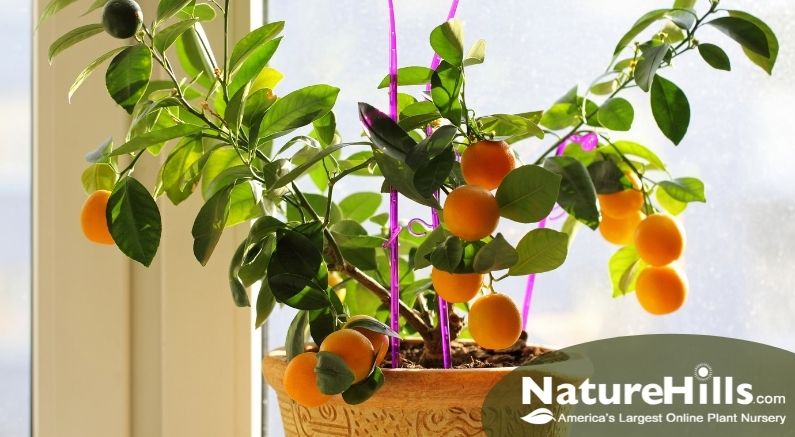
Bringing Citrus Trees Indoors

Bringing Citrus Trees Indoors - Nature Hills Nursery

Nature Hills Nursery |

Watch our "Fruit Whisperer", as Ed Laivo, one of America's top fruit tree experts, answers Jill Winger's question on how to best care for her new Dwarf Meyer Lemon Tree during the winter.

Planting, Managing Pests, Making the Move, Fertilizing & Watering

Ed has some really helpful hints for the home gardener in cold climates, like Wyoming (and let's not forget all the other hardy souls living in places like New York, Colorado, Minnesota, and our friends in Illinois!). If you want to grow Citrus Trees, but must bring them inside for the long winter - here's a video overview of what you need to know.

Dwarf Meyer Lemons are so much fun to grow, and they'll do well for you inside. Just follow along with Ed for the best practices.

Improved Dwarf Meyer Lemon Trees

Plant Highlights:
  • Zones 8-11 (Patio 4-11)
  • Medium growing
  • Fruiting Time 3 years
Notable characteristics:
  • Tolerates versatile conditions
  • Fragrant
  • Grow Indoors & Out
Previous Next

Frequently Asked Questions

When should I bring my citrus trees indoors before winter arrives?

Citrus trees should be brought indoors before nighttime temperatures drop below 50 degrees Fahrenheit, which typically means making the move in early to mid-fall depending on your region. Gardeners in colder climates like Wyoming, Colorado, Minnesota, and New York often need to act earlier in the season than those in milder areas. Watch for that first forecast of temps in the low 50s as your signal to transition your tree inside to a bright, sunny location where it can thrive through the winter months.

How do I acclimate a citrus tree to indoor conditions without sending it into shock?

Citrus trees need a gradual transition indoors before temperatures drop below 50 degrees Fahrenheit, so begin moving them inside when nights consistently reach that threshold in fall. Start by placing the tree in a sheltered outdoor spot like a covered porch for a week or two before bringing it fully indoors, allowing it to adjust to reduced light levels incrementally. Once inside, position your tree in the brightest south-facing window available or supplement with a grow light to maintain the light levels citrus requires to thrive through winter.

How much light does a citrus tree need indoors, and is a south-facing window enough to keep it healthy?

Citrus trees need a minimum of 8 to 12 hours of bright light per day to stay healthy indoors, and a south-facing window is your best option but may still fall short during the short days of winter. Supplementing with a grow light positioned 6 to 12 inches above the canopy can make a significant difference, especially in northern states like Minnesota, Colorado, or Wyoming where winter sunlight is limited. Rotate your tree every few days so all sides receive even exposure and avoid placing it near heating vents, which can dry out the foliage and stress the plant.

How can I increase humidity around my citrus trees to help them thrive indoors?

Citrus trees prefer humidity levels around 50 percent, which can be challenging to maintain in dry indoor environments during winter. Place a shallow tray filled with pebbles and water beneath the pot, making sure the bottom of the pot sits above the waterline to prevent root rot. You can also group your citrus with other houseplants to create a naturally more humid microclimate, or run a small humidifier nearby during the driest months. Mist the foliage lightly in the morning a few times per week to provide additional moisture while allowing leaves to dry before evening.

Should I fertilize my citrus tree while it is overwintering indoors?

During the winter months when your citrus tree is overwintering indoors, you should reduce or completely stop fertilizing, as the tree enters a period of slower growth and cannot efficiently use the nutrients. Fertilizing during this dormant phase can cause salt buildup in the soil and stress the tree unnecessarily. Resume a regular fertilizing schedule in early spring when you begin transitioning the tree back outdoors and new growth starts to appear.

How do I prevent and treat common indoor pests like spider mites, scale, and aphids on citrus trees?

Spider mites, scale, and aphids are common issues when citrus trees are brought indoors for winter, largely due to dry indoor air and reduced airflow. Inspect your tree thoroughly before bringing it inside in fall, and treat any visible pests with neem oil or insecticidal soap, covering both the tops and undersides of leaves. Once indoors, boost humidity around the tree and periodically wipe down leaves with a damp cloth to deter mites. Reapply neem oil or insecticidal soap every 7 to 14 days until the infestation is fully resolved.

Why are my citrus tree leaves turning yellow after I bring it inside for winter?

Yellow leaves on citrus trees brought indoors for winter are most commonly caused by overwatering, low light, or a sudden drop in humidity. When you move your tree inside, reduce watering frequency significantly since the tree is no longer in full sun and soil dries out much more slowly. Place your tree in the brightest south-facing window available or supplement with a grow light to provide at least 8 hours of light daily. Check that you are not watering until the top inch of soil is dry, and consider running a humidifier nearby to replicate the moisture levels citrus trees prefer.

Why is my citrus tree dropping leaves or fruit after moving it indoors?

Citrus trees commonly drop leaves or fruit after being moved indoors because the sudden change in light, temperature, and humidity causes stress to the plant. The shift from outdoor conditions to indoor environments with lower light levels and dry air is one of the most challenging transitions a citrus tree can experience. To minimize drop, place your tree in the brightest possible location, ideally near a south-facing window, maintain consistent watering without overwatering, and use a humidifier or pebble tray with water nearby to boost humidity around the plant.

Can I keep a citrus tree in a container year-round, and what pot size works best for long-term growth?

Yes, citrus trees like the Dwarf Meyer Lemon thrive in containers year-round, making them an excellent choice for gardeners in zones below 8 who need to bring them indoors during winter. Start your tree in a 10 to 12 inch pot and gradually size up to a 15 to 25 gallon container as the tree matures, ensuring the pot has excellent drainage to prevent root rot. Choose a container you can maneuver easily, since you will be moving it indoors before temperatures drop below freezing in fall and back outside once nighttime temps stay consistently above 40 degrees Fahrenheit in spring.

How do I know if my indoor citrus tree is getting enough light during the shorter days of winter?

Your indoor citrus tree needs a minimum of 8 to 12 hours of bright light daily to stay healthy through winter. Signs of insufficient light include yellowing leaves, dropping foliage, and weak or leggy new growth. Place your tree within a few feet of your sunniest south- or west-facing window, and if natural light falls short, supplement with a full-spectrum grow light set on a timer to maintain that 8 to 12 hour window.