Free Shipping on Orders $199+

Growing Zone: | Garden in
Find your Growing Zone!

High-Altitude Gardening Success In Colorado Springs

High-Altitude Gardening Success In Colorado Springs - Nature Hills Nursery

Nature Hills Nursery |

High-Altitude Gardening in Colorado Springs

Colorado Springs skyline

Gardening in Colorado Springs, also known as Olympic City, USA and nestled in the shadow of the awe-inspiring Pikes Peak, offers a one-of-a-kind blend of challenges and triumphs. With elevations stretching from 6,000 to 7,000 feet above sea level, local gardeners face intense UV rays, dramatic temperature swings, and dry air that’ll parch even the toughest green thumbs. But don’t worry, mother nature provides plenty of beautiful, hardy native plants perfectly suited for this high country, Southwestern US climate.

Whether you're in Briargate, Old Colorado City, or the Broadmoor, cultivating a garden that turns heads and feeds the soul is absolutely possible. All it takes is some smart plant picks and mountain-savvy gardening strategies.

Embracing The Colorado Springs Climate

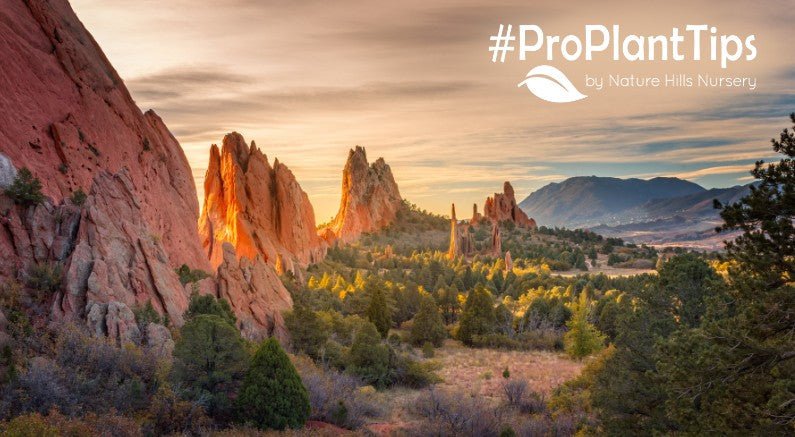
Colorado mountains

The semi-arid climate of Colorado comes with low humidity, strong sun, cold winters, and hot, dry summers. Sudden spring snow? Yep. A 40-degree temperature drop overnight in October? That too.

Colorado Springs’ soil ranges from clay-heavy and alkaline to sandy or rocky, depending on your neighborhood. If you live on the west side near Garden of the Gods, expect more decomposed granite and rocky soil. On the east side, in places like Stetson Hills, you’ll likely face alkaline clay that needs amending.

Colorado Springs’ Landscape & Weather Snapshot

  • Elevation: 6,000–7,500 feet
  • Average Rainfall: ~16 inches/year
  • USDA Hardiness Zones: Mostly Zone 5b, dipping to 5a in colder pockets
  • Frost Dates: Last frost is typically mid-May; first frost rolls in early October
  • Sun Intensity: High UV exposure requires plants with thick, waxy, or hairy leaves

Top Colorado Native Plants For High Elevation

Top 5 Native Trees

These native Colorado trees stand tall through wild winds, dry spells, and freezing nights.

  1. Colorado Blue Spruce – Our state tree and a real Rocky Mountain classic! Its silver-blue needles shimmer like mountain frost. Great for privacy, windbreaks, and adding a majestic vibe.
  2. Limber Pine – This rugged beauty is as tough as they come. Flexible branches shrug off snow, and it’s perfect for dry, rocky spots.
  3. Douglas Fir – Adaptable and fragrant, it grows well in cooler, shaded areas of your property.
  4. Gambel Oak (Scrub Oak) – A tenacious native that forms thickets, offers wildlife habitat, and thrives in tough soils. Find other suitable Oak Trees here.
  5. Quaking Aspen – That golden fall shimmer! The fluttery, coin-shaped leaves dance in the wind and whisper mountain magic.

Colorado Native Shrubs

Add depth, pollinator appeal, and year-round interest with these native shrubs.

  1. Rabbitbrush – Late-season bloomer with bright yellow flowers. Bees love it, and deer leave it alone.
  2. Mountain Mahogany – Drought-tolerant with fine, feathery seed heads and silvery bark.
  3. Fernbush – Fragrant and full of personality. Its white blooms bring in beneficial insects.
  4. Threeleaf Sumac – Fall color firecracker! Also attracts birds with its berries. Find other Sumac here.
  5. Chokecherry – Spring flowers, summer berries, and red fall foliage make this shrub a multitasking wonder.

Native & Adaptive Perennials for the Springs

These perennials aren’t just pretty, they’re tough as Colorado granite.

  1. Rocky Mountain Penstemon – Violet-blue spikes of flowers draw in pollinators and stand proud with minimal water. Find more Penstemon here.
  2. Blanket Flower (Gaillardia) – Like a sunset in bloom! Long-lasting flowers love heat and poor soil.
  3. Prairie Coneflower (Ratibida columnifera) – AKA Mexican Hat or Gray-Headed Coneflower. Drought-loving and whimsical!
  4. Silvery Lupine – Striking spires of purple-blue blossoms and silvery leaves that shine under the sun.
  5. Pasque Flower – One of the first to bloom in spring, with fuzzy stems and lavender petals. A native cutie with charm.

Fruiting Trees That Can Handle High Elevation

You can grow your own edible landscaping or a full orchard with these mountain-tough choices.

  1. Western Hackberry (Celtis occidentalis) – Hackberry trees are rugged, producing small, sweet purple berries beloved by birds and pollinators. It's drought-tolerant and highly adaptable to rocky or alkaline soils.
  2. Chokecherry (Prunus virginiana) – A Colorado native superstar! Its tart, deep red to black berries are perfect for jelly and syrup. Plus, it bursts with fragrant white spring flowers.
  3. Serviceberry (Amelanchier alnifolia) – Also known as the Saskatoon or Juneberry. The sweet, blueberry-like fruits are great fresh or baked, and the shrub puts on a fiery fall show.
    Pincherry (Prunus pensylvanica) – This small native tree explodes with white spring blossoms followed by bright red cherries. A pollinator magnet and wildlife favorite.
  4. Mountain Crabapple (Malus fusca) – Native to higher elevations in the West, this crabapple delivers tart little fruits that can be used in jams and jellies, and are also a magnet for birds.

High-Flying Fruiting Bushes & Vines

Sweet rewards from plants that play nice in the Pikes Peak region. These low-maintenance native bushes bring sweet rewards, pollinator power, and a natural fit for Colorado Springs' climate.

  1. Golden Currant (Ribes aureum) – This sunny native blooms with fragrant yellow flowers in spring, followed by tart, juicy berries that birds, bees, and humans adore. Find more Currants here.
  2. Wax Currant (Ribes cereum) – A dryland hero, this compact native has soft pink blooms and mild-tasting red berries. Extremely drought-tolerant and a great wildlife shrub.
  3. Buffaloberry (Shepherdia argentea) – This silvery-leaved stunner thrives in poor soils and produces tart red berries. A fabulous native for jams and great for wildlife habitat.
  4. Common Elderberry (Sambucus canadensis) – Native to moist spots in the Rockies, Elderberry offers large clusters of tiny white flowers followed by nutritious dark berries perfect for syrups and immune-boosting tonics.
  5. Western Sand Cherry (Prunus pumila var. besseyi) – A tough, low-growing shrub with sweet-smelling spring blooms and tasty dark cherries in summer. Ideal for xeriscaping and hedgerows.

Tips & Tricks For Colorado Springs Gardeners

  • Add compost regularly to increase water retention and aeration.
  • Consider raised beds or berms if you have especially compacted or rocky ground.
  • Test your soil’s pH: Most Springs soil leans alkaline (7.0+ pH), so choose plants that love those conditions or use soil sulfur to slightly acidify as needed.
  • Mulch Is Gold: Use arborist mulch as your secret weapon against moisture loss and temperature swings. It keeps your soil cool and moist. Apply 2–3 inches thick, especially around young plants.
  • Strong Sun: Go for plants with small, fuzzy, or waxy leaves, they hold up better to UV.
  • Wind Protection: Plant wind-tolerant species on the outer edges to shield more delicate greenery.
  • Water Smart: Drip irrigation and soaker hoses deliver water deep without wasting a drop.
  • Don’t Rush Spring: Late frosts are sneaky. Hold off on planting tender plants until mid-May.
  • Feed the Soil: Add compost and mulch regularly. The healthier the soil, the tougher your plants and the less stress they will be under.

Designing Your Rocky Mountain Retreat

Colorado Springs map

Layer your plants by height to mimic the nearby foothills. Combine native grasses, perennials, and evergreens for four-season beauty. Rock gardens shine here, not just for looks but because they drain well and match the natural landscape.

Add in a few touches that nod to the region, think flagstone paths, driftwood sculptures, or rustic raised beds. You’re not just planting a garden, you’re crafting a mini Front Range paradise.

Rooted In Success At 6,000 Feet!

From the mighty Colorado Blue Spruce to the pollinator-loving Rocky Mountain Penstemon, the key to Colorado Springs gardening is to plant smart, mulch deep, and water wisely. Choose native and adaptive plants that vibe with the climate, and you’ll create a yard that thrives through wind, sun, snow, and everything in between.

So grab your gloves, and let Nature Hills Nursery be your guide!

Happy Planting!

Previous Next

Compare Plants

Browse the features and specs side-by-side to find the best fit for your garden.

A table comparing the facets of 4 products
Facet
Douglas Fir Tree (Pseudotsuga menziesii), a tree featuring evergreen and broad, columnar form.
Douglas Fir Tree
View details
Quaking Aspen Tree (Populus tremuloides 'Quaking'), a tree featuring deciduous and pyramidal, rounded form.
Quaking Aspen Tree
View details
Gray - Headed Coneflower (Ratibida pinnata), a perennial featuring yellow flowers and perennial.
Gray - Headed Coneflower
View details
Hackberry Tree (Celtis occidentalis), a tree featuring green flowers and deciduous.
Hackberry Tree
View details
Rating
Rating----
Type
TypeTreeTreePerennialTree
By
ByNature Hills NurseryNature Hills NurseryAmerican BeautiesNature Hills Nursery
Flower Color
Flower Color
-
-
  • Yellow
  • Green
Growing Zone Range
Growing Zone Range
4-6
2-6
3-8
3-9
Mature Height
Mature Height
50-60 ft
40-60 ft
3-5 ft
50-75 ft
Width
Width
20-30 ft
20-30 ft
1-2 ft
25-40 ft
Price
Price
Regular price $6710
Regular price From $11022
Regular price $4633
Regular price $14280

Frequently Asked Questions

What is the typical growing season length in Colorado Springs, and when should I plant to avoid late frosts?

The growing season in Colorado Springs typically runs from mid-May through early October, giving you roughly 4.5 to 5 months of frost-free growing time. With the last frost occurring around mid-May and the first fall frost arriving in early October, timing is critical at this 6,000-7,500 foot elevation. Plan to start seeds indoors 6-8 weeks before the last frost date, then transplant tender vegetables and annuals outdoors after May 15th when soil has warmed. For best results, choose cold-hardy varieties and keep row covers handy for unexpected late spring snowstorms.

Which native or cold-hardy plants thrive best at high altitudes in Colorado Springs?

Native Colorado plants like Blue Spruce, Ponderosa Pine, and Rocky Mountain Juniper excel in Colorado Springs' Zone 5a-5b conditions at 6,000-7,500 feet elevation. These species handle intense UV exposure, temperature swings of 40+ degrees, and only 16 inches of annual rainfall through adaptive features like waxy needles and deep root systems. Look for plants with thick, hairy, or waxy leaves that naturally resist the high-altitude sun and dry air. Focus on natives from your specific microclimate - rocky granite soils on the west side or alkaline clay in eastern areas like Stetson Hills.

How do I test and amend the alkaline, rocky soil for better gardening success?

Test your Colorado Springs soil pH using a digital meter or lab test - most areas register 7.5-8.5 pH due to natural limestone deposits. For alkaline clay soil common on the east side, work in 2-3 inches of compost and sulfur at 1-2 pounds per 100 square feet to lower pH toward 6.5-7.0. Rocky west-side soils near Garden of the Gods need organic matter plus coarse sand to improve drainage around decomposed granite. Amend beds in fall before winter freeze-up, giving materials time to integrate before spring planting season.

What is the best way to water plants effectively in the dry, windy conditions of high altitude?

In Colorado Springs' dry, windy conditions at 6,000-7,000 feet elevation, water deeply but less frequently to encourage strong root systems that can access moisture below the surface. Apply 1-2 inches of water per week (including rainfall) early in the morning to minimize evaporation from intense UV rays and strong winds. Use drip irrigation or soaker hoses rather than overhead sprinklers to deliver water directly to root zones and reduce wind-blown water loss. Mulch around plants with 2-3 inches of organic material to retain soil moisture and protect against rapid temperature fluctuations.

How can I protect my garden from intense sunlight, hail, and strong winds?

In Colorado Springs' Zone 5b climate, protect your garden from intense UV by selecting native plants with thick, waxy, or hairy leaves that naturally resist sun damage. Install shade cloth (30-50% density) during peak summer months and create windbreaks using sturdy natives like Colorado Blue Spruce on the windward side of your property. For hail protection, use row covers or temporary structures during storm season (typically May through August). Plant in sheltered locations near buildings or natural barriers, and avoid tender plants in exposed areas above 7,000 feet elevation.

Should I use raised beds or berms for planting in compacted or poor mountain soil?

Yes, raised beds and berms are excellent solutions for Colorado Springs' compacted clay and rocky soils. Build beds 8-12 inches high with quality amended soil to improve drainage and root penetration in Zones 5a-5b conditions. Berms work particularly well on slopes and help capture precious rainfall in our 16-inch annual precipitation climate. Install them in fall before winter snowmelt to give soil time to settle before spring planting season.

When is the safest time to plant tender vegetables and flowers after the last frost?

In Colorado Springs (Zone 5b), the last frost typically occurs in mid-May, but wait an additional 1-2 weeks before planting tender vegetables and flowers to avoid surprise late-season cold snaps. The safest planting window for heat-loving crops like tomatoes, peppers, and basil is late May through early June when soil temperatures consistently reach 60°F or higher. Monitor nighttime temperatures closely, as they should stay above 50°F for at least a week before transplanting tender seedlings outdoors.

How do I choose the right site for my garden based on sun exposure and slope?

In Colorado Springs' intense high-altitude sun, choose sites with morning sun and afternoon shade protection, especially on south-facing slopes where UV exposure and heat stress are most severe. East-facing gentle slopes offer the best conditions, providing adequate sunlight while avoiding the harsh western exposure that can scorch plants in the thin mountain air. Avoid low-lying areas and north-facing slopes where cold air settles and extends the frost season beyond the typical mid-May to early October window. Test your chosen site's microclimate by monitoring temperature variations for a week before planting.

What irrigation methods like drip systems work best for water conservation at elevation?

A: Drip irrigation systems excel in Colorado Springs' high-altitude environment by delivering water directly to root zones, reducing evaporation losses that can reach 50% with overhead sprinklers in the intense UV and dry air. Install drip lines with pressure-compensating emitters rated for 1-2 GPH to maintain consistent flow across elevation changes, and add a timer system to water deeply but infrequently during early morning hours (5-7 AM). Pair your drip system with 2-3 inches of organic mulch to further conserve soil moisture. Start with 30-minute watering sessions every 2-3 days in Zone 5b conditions, then adjust based on your soil type and plant establishment.

How can I extend the short growing season using cold frames or hoop houses?

Cold frames and hoop houses can extend Colorado Springs' growing season by 4-6 weeks on both ends, protecting plants when temperatures drop into the 20s and low 30s. Install cold frames in late March to start cool-season crops like lettuce and spinach before the mid-May last frost, then use them again in fall to harvest through November. Hoop houses covered with 6-mil plastic can maintain temperatures 10-15 degrees warmer than outside air, perfect for Zone 5b gardeners wanting to grow tender herbs and greens. Position both structures facing south with good drainage and ventilation to prevent overheating during Colorado's intense sunny days.

Find Your Garden's Growing Zone!

Your Current Growing Zone:

Zone

ZIP Code:

✓ Growing Zone Set Successfully!

Your zone has been saved and will be used throughout the site.

⚠ Unable to locate a growing zone for that ZIP code.

Please check your ZIP code and try again.

Looking up your growing zone...

When ordering a tree or plant, make sure to know your planting zone.

You can determine your garden's USDA hardiness zone by entering your Zip Code below.