Shop With Confidence: FREE Growing & Glowing Promise

Free Shipping on Orders $199+

Great Shrub Alternatives for High-Maintenance Favorites!

Great Shrub Alternatives for High-Maintenance Favorites! - Nature Hills Nursery

Nature Hills Nursery |

We love it when things are easy to care for! That goes for our landscaping as well!

Ditch the fussy, high-maintenance shrubs that need constant shearing, pruning, fertilizing, spraying … and worrying! There's so much more out there for the hands-off gardener!

Whether it's pests, diseases, weather, upkeep, or deer-resistant challenges that keep you busy, there's an easy-going, drought-tolerant alternative available!

Some flowering shrubs are gorgeous, but they're just too much work for busy homeowners! Check out these best self-sufficient shrub alternatives to plant instead of disease-prone Roses and other needy plants that require constant attention.

1. Over-Sized Panicle Hydrangeas

Instead of planting those incredible Paniculata-type Hydrangeas like Limelight® that get too large for the foundation planting, let us help you with a selection of some of those very same plants that only get half the size.

Instead, try one of these smaller, low-maintenance shrubs for those applications:

  • Bobo® Hydrangea
  • French Manicure® Hydrangea
  • Little Lime® Hydrangea
  • Invincibelle Wee White®
  • Little Quick Fire® Panicle Hydrangea

All these selections only get in the 3-4 foot range instead of the 6-10 foot range.

2. Rose Bushes

Roses were made to be thought of as difficult when they first became popular. After all, the aristocracy didn't want anyone else growing them! Grandma's Roses did have some issues with disease and pests, which are still present to this day. But now there are so many easy-to-grow and disease-resistant Roses on the market that your head will spin!

Check with your local County Extension Office to see what challenges Roses may face in your area, to be sure and buy Roses that will perform best where you live. Whether it's Black Spot or Japanese Beetles, or some other disease … There's a Rose out there resistant to it!

Everyone still loves Roses, but not everyone has the patience to care for some of the Hybrid Teas and Grandifloras. For those of you who would love the Roses without all of the fuss, you should consider one of the great newer Shrub Rose selections that offer more disease resistance and continued bloom for your landscape, and then list some good options here.

Problem - High Maintenance

  • Oso Easy® Roses need no spraying or deadheading, plus they stay compact and full of flowers!
  • Knock Out® Roses - bloom from spring until frost and do not need deadheading. Disease-resistant, drought-tolerant, and only need pruning once a year.
  • Easy Elegance® Roses are perfect for beginners! Hardy and disease-resistant type of Shrub Rose that resists everything!

Problem - Constant Spraying, Chemicals & Insect Damage

  • Rugosa Roses - salt-tolerant wild and hybrid Roses that grow and bloom like crazy. Very hardy to cold and won’t be bothered by many pests or common Rose issues
  • Wild Roses - If they can grow in ditches, think of what they can do in your backyard!

Problem - Climate too Cold or too Hot?

  • Choose Roses rated for USDA growing zones 9, 10 and 11 for hot climates
  • Choose Roses rated for USDA growing zones 3 to 4 that have extreme cold in the winter
  • For Arctic USDA zone 2 winters - Choose Redleaf Rose, Rugosa Roses, or Purple Pavement Rose

Problem - High Humidity and Powdery Mildew

  • Sunbelt® Roses - highly heat and humidity-resistant
  • Try Rose alternatives like Rhododendrons, Gardenias, or Camellias

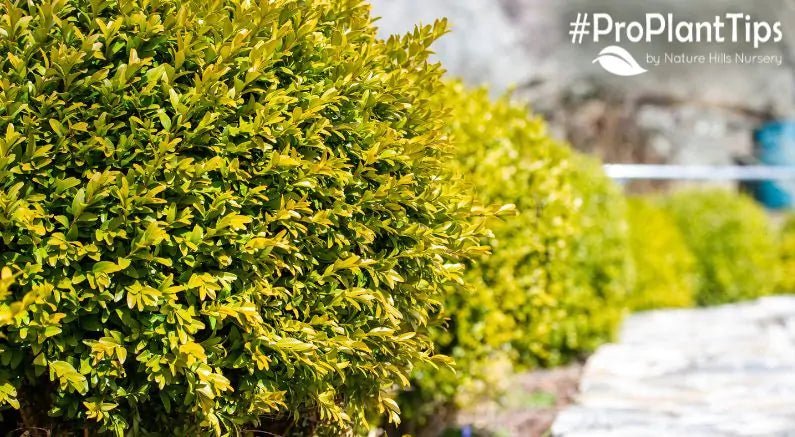
3. Formally Sheared Evergreens & Hedges

Problem - Sheared formal hedges look fantastic, but they need shearing at least a couple of times a year, plus the usual maintenance and issues that may arise. Even shearing once a year is a significant chore when you have a lot of hedges!

Instead, try one of these naturally neat and tidy shrubs that may only need a single trim to keep them looking just as formal and tidy.

  • False Holly (Osmanthus)
  • Deutzia
  • New varieties of Spirea
  • American Arborvitae
  • Native Inkberry Holly
  • Dwarf Conifers - False Cypress, Junipers, Bird’s Nest Spruce and Dwarf Alberta Spruce
  • Boxwood
  • Indian Hawthorn
  • Chinese Fringe Flower (Loropetalum)

Instead of planting a hedge that only offers green leaves, how about planting a hedge that wildly blooms?

Or instead of planting a hedge that will need constant pruning to keep nice and the size you want, choose a shrub that will mature at the height you need … without pruning!

4. Shrubs That Are Deer Buffets = Spray Spray Spray!

Wintercreeper Euonymus, Rhododendrons and Azaleas, Yew (Taxus), Hydrangea (Bigleaf/Panicle/Oakleaf), Blue Holly, Staghorn Sumac, Roses, and American Arborvitae (Thuja) are often favorites of hungry deer in some parts of the country. Even when they have plenty to eat outside of your yard. But when food is scarce, these and many other shrubs take a hit each winter.

You can spray every three months (or according to product directions) from the date of installation to train deer to not like your shrubs and go for the neighbors instead, put up expensive fencing and barriers … or you can simply plant shrubs that deer despise!

  • Plant Boxwood instead of Yews in areas where it does well
  • Plant Daphne instead of Rhododendrons in hot growing zones
  • Plant Oregon Grape Holly in place of Azalea in cold growing zones
  • Try Fragrant Sumac instead of Staghorn Sumac
  • Pieris are evergreen and fragrant alternatives to Azaleas
  • Use Snowball or Arrowwood Viburnum instead of Hydrangea
  • A Dwarf Alberta Spruce or False Cypress is a great alternative to Arborvitae
  • Weigela bushes are great alternatives to flowering shrubs
  • Try Deutzia or Rose of Sharon instead of Roses
  • Crape Myrtle shrubs are great deer-resistant shrubs, too!
  • Wintercreeper alternatives include Fothergilla
  • Scarlet Firethorn is a thorny barrier plant with colorful berries and evergreen foliage

5. Foolproof and Fuss-Free Shrubs

Quite a few shrubs need to be babied along and fussed over while they get established. Watered, papered, and worried over. In this hectic day and age, we need a plant-it-and-forget-it shrub! While all new shrubs need your attention their first year, these are the best for being the most resilient, easiest to get established, and foolproof shrubs for even the most black thumb out there!

In addition to the easy-care Landscape Roses above, try these shrubs for the forgetful or lazy gardener!

  • Forsythia
  • Yew (Taxus)
  • Viburnum
  • Native Buckeye Bushes
  • Flowering Quince
  • Abelia
  • Privet
  • Scarlet Firethorn
  • Bush Honeysuckle
  • Sweet Box
  • American Beautyberry
  • Possumhaw
  • Nandina (Heavenly Bamboo)
  • Sweetspire
  • Camelia

6. Water Hungry Shrubs

Rising costs and increased strain on the water supply mean that thirsty shrubs need to be replaced with more Xeric, water-wise options! Climate change, too, is increasing drought in some areas, so you need shrubs able to look good on less water!

  • Wax Myrtle
  • Manzanita
  • Abelia
  • California Lilac
  • Rockrose
  • Daphne
  • Hebe
  • Pittosporum
  • Pieris
  • Potentilla (Bush Cinquefoil)
  • Go Native - If they grow in your area anyway and already thrive without your involvement

Get a Fuss Free Landscape With Shrub Alternatives

Save time, money, keep chemicals out of the environment, reduce water dependency, and focus on more enjoyable aspects of your landscape by planting Shrubs that practically take care of themselves!

See our #ProPlantTips for Care for additional tips and tricks to make your existing landscape easier to care for, while you are including these lower-maintenance options! Nature Hills is here to help you squeeze every drop of enjoyment from your garden - without the work!

Happy Planting!

Previous Next

Frequently Asked Questions

Which shrubs make the best low-maintenance alternatives to hydrangeas for gardeners who want less pruning and watering?

For gardeners who love the look of large Panicle Hydrangeas like Limelight but want less pruning and a more manageable size, compact alternatives like Bobo, Little Lime, French Manicure, Invincibelle Wee White, and Little Quick Fire are excellent choices. These selections top out at just 3 to 4 feet rather than the 6 to 10 feet of their full-sized counterparts, making them ideal for foundation plantings and smaller spaces with far less corrective pruning needed. Browse these compact Panicle Hydrangea varieties at naturehills.com and choose one sized right for your space to enjoy big blooms with minimal upkeep.

How do I choose an evergreen shrub to replace arborvitae in a privacy screen without the same upkeep headaches?

Arborvitae can be plagued by bagworms, spider mites, and deer browsing, making them more trouble than they're worth for many homeowners. Look for naturally dense, upright evergreen shrubs that hold their shape without constant shearing, such as Sky Pencil Holly for narrow spaces or Cherry Laurel for broader screens in zones 6-9, both reaching mature heights with minimal pruning. Choose a shrub whose natural mature size fits your space so you never have to fight it back, and contact your local County Extension Office to confirm which evergreen alternatives perform best in your specific region before you plant.

Which shrubs can replace azaleas in spots that get more sun or have tougher soil conditions?

While the article focuses on hydrangeas and roses as low-maintenance alternatives, shrubs like Oso Easy roses, panicle hydrangeas such as Bobo or Little Quick Fire, and other disease-resistant flowering shrubs tend to outperform azaleas in sunnier exposures and less acidic or well-drained soils. Panicle hydrangeas in particular thrive in full sun and are adaptable to a wide range of soil conditions, staying in the 3 to 4 foot range with compact varieties. Visit naturehills.com to filter shrubs by your hardiness zone and light conditions to find the best sun-tolerant, fuss-free replacement for azaleas in your specific landscape.

How can I replace my roses with shrubs that attract fewer pests and need little to no spraying?

Modern shrub roses like the Oso Easy® series are bred for strong disease resistance and require no spraying or deadheading, making them a smart swap for high-maintenance Hybrid Teas and Grandifloras. Before purchasing, check with your local County Extension Office to identify the specific pest and disease pressures in your area, such as Black Spot or Japanese Beetles, so you can select a variety proven to resist those challenges. Visit naturehills.com to browse our full selection of disease-resistant shrub roses that deliver beautiful blooms with far less effort.

Which naturally compact shrubs stay small on their own so I can skip the constant pruning?

Naturally compact shrubs like Bobo Hydrangea, Little Lime Hydrangea, and Little Quick Fire Panicle Hydrangea stay in the 3 to 4 foot range without any shearing, making them ideal replacements for oversized varieties like Limelight that can reach 6 to 10 feet. Oso Easy Roses are another excellent choice, requiring no deadheading or spraying while still delivering season-long color. Browse Nature Hills' selection of self-sufficient shrubs and match your pick to your specific zone and space constraints for the best long-term results.

Which low-maintenance shrubs work best for a deer-resistant border that still looks polished all season?

For a deer-resistant border that stays attractive from spring through fall, shrub roses from the Oso Easy series are an outstanding choice, as they require no spraying or deadheading and naturally deter browsing deer with their thorny canes. Compact Panicle Hydrangeas like Bobo or Little Quick Fire top out at just 3 to 4 feet, making them easy to maintain without shearing while providing season-long color that deer tend to avoid. Visit your local County Extension Office to confirm which disease pressures and deer challenges are most common in your region, then select varieties proven to perform well in your specific hardiness zone. Start with one anchor shrub rose and one compact hydrangea, spacing them according to their mature width, and you will have a polished, low-effort border that largely takes care of itself.

Which shrubs provide strong year-round structure and visual interest without a lot of ongoing upkeep?

Shrubs that deliver dependable structure with minimal effort include compact Panicle Hydrangeas like Bobo and Little Lime, which stay in the 3 to 4 foot range and provide season-long interest from summer blooms through dried winter seedheads. Disease-resistant Shrub Roses such as the Oso Easy series offer repeat color without the spraying, deadheading, or fussing required by traditional Hybrid Teas. For the best results, match your selection to your USDA hardiness zone and check with your local County Extension Office to confirm which varieties perform best in your specific region.

Which native shrubs can replace common high-maintenance favorites while still thriving in my yard?

Native and naturally adapted shrubs offer a wonderful solution for gardeners tired of constant upkeep. Oso Easy Roses require no spraying or deadheading and deliver continuous blooms with strong disease resistance, making them a far better choice than traditional Hybrid Teas or Grandifloras. For foundation plantings, compact Panicle Hydrangeas like Bobo or Little Quick Fire stay in the 3 to 4 foot range, a practical alternative to larger varieties that outgrow their space. Visit naturehills.com to browse low-maintenance shrub selections suited to your hardiness zone and get personalized recommendations for your specific growing conditions.

How do sun exposure, shade tolerance, and soil type affect which shrub alternatives will thrive in my garden?

Most of the shrub alternatives highlighted here, including Panicle Hydrangeas like Bobo and Little Lime, perform best in full sun to partial shade and adapt well to a range of soil types as long as drainage is adequate. Oso Easy Roses thrive in full sun with at least six hours of direct light daily, which also helps reduce disease pressure by keeping foliage dry. Before selecting any shrub, check your USDA Hardiness Zone and do a simple soil drainage test by digging a hole, filling it with water, and confirming it drains within an hour. Contact your local County Extension Office for region-specific guidance on soil amendments and variety performance in your area.

When is the best time to plant low-maintenance shrub alternatives so they establish quickly and perform well?

The best time to plant low-maintenance shrubs like Bobo Hydrangea, Little Lime Hydrangea, or Oso Easy Roses is during spring or fall when temperatures are mild and roots can establish without the stress of summer heat. Fall planting is especially effective in Zones 5 through 9, giving shrubs several months of root development before winter dormancy sets in. Avoid planting during the heat of summer unless you can commit to consistent watering during the first 6 to 8 weeks. Shop naturehills.com now to find the right shrub for your zone and get it in the ground during the ideal planting window.