
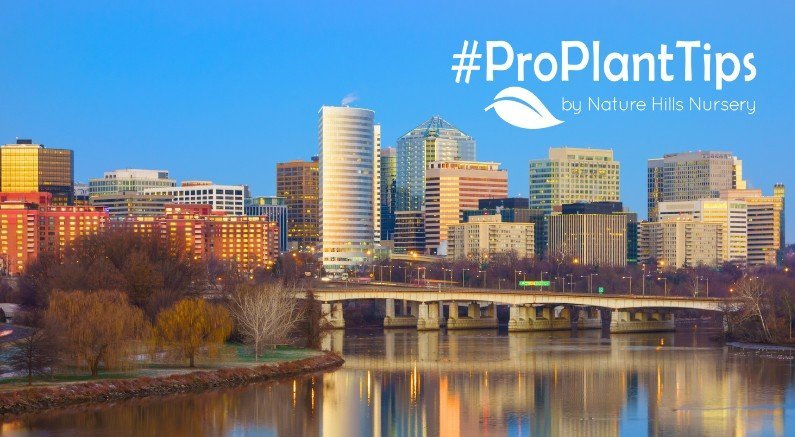

Gardening in Arlington, VA, offers a unique blend of challenges and opportunities! Whether you have a sprawling lawn or a modest balcony, choosing the right plants for Arlington's hot summers and mild winters is key.
This southeastern US state has a humid subtropical climate, variable seasons, and diverse soil conditions. From hot, humid summers to occasional winter freezes, selecting the right plants is key to ensuring a thriving, low-maintenance garden that can handle the area's climate.
With its USDA Hardiness Zone 7a and 7b, Arlington gardeners can enjoy a wide range of native trees, shrubs, perennials, and edible plants that support local wildlife, resist pests, and require less water. By understanding your soil, sun exposure, and plant adaptability, you can create a beautiful, resilient landscape that flourishes year after year!
Arlington, Virginia, with its urban charm and inviting climate, presents a delightful setting for gardening enthusiasts. Let's explore how you can create a vibrant and sustainable urban oasis right at home!
Climate and Soil Considerations In Arlington
Arlington's humid subtropical climate subjects plants to hot summers and milder winters. The prevalent clay soils may challenge drainage, but fear not!
Enriching the soil with organic matter and amendments can work wonders. Keep in mind the influence of urban microclimates; the strategic placement of plants near buildings and pavements can optimize temperature and sunlight exposure.
Recommended Plants For Arlington's Urban Gardens
Choose heat-tolerant and low-maintenance plants to keep your garden flourishing. Here's a list to guide your selection:
Native & Heat-Tolerant Trees For Arlington, VA
- White Fringe Tree – A rare native beauty that produces fragrant, feathery white flowers in spring and blue berries in fall that attract birds.
- Chaste Tree – A heat- and drought-resistant tree with lilac-colored blooms that butterflies and bees adore. Its silvery-green foliage adds a striking contrast.
- Whitespire Birch – A fast-growing, versatile birch prized for its smooth white bark and ability to thrive in both dry and wet soils.
- Blue Chinese Wisteria Tree – A stunning focal tree with fragrant, cascading blue flowers that bloom in late spring, perfect for adding an exotic touch to gardens.
- White Snow Fountains® Weeping Cherry – This elegant weeping cherry tree boasts graceful, arching branches covered in white spring blossoms, offering stunning seasonal interest.
Native & Heat-Tolerant Shrubs For Arlington, VA
- Bicolor Butterfly Bush – With yellow, orange, and purple blooms, this pollinator magnet thrives in full sun and well-drained soil while attracting hummingbirds and butterflies.
- Climbing Hydrangea – A vigorous climbing shrub that thrives in shade, producing lace-cap white flowers in summer, ideal for covering walls and fences.
- Vanilla Strawberry® Panicle Hydrangea – Known for its stunning cone-shaped blooms, which transition from creamy white to pink to deep red, making it a dynamic garden favorite. Native Wild/Smooth Hydrangeas are hardy options.
- Virginia Sweetspire (Itea virginica) – A fragrant, pollinator-friendly shrub that produces graceful white flower spikes in spring and rich red-purple fall foliage.
Evergreens & Broadleaf Evergreens For Arlington
- Frost Proof Gardenia – A cold-hardy Gardenia with intensely fragrant, pure white blooms, perfect for foundation plantings and evergreen structure.
- Alexandrina Saucer Magnolia – This stunning broadleaf evergreen hybrid features large pink-purple blooms in early spring, thriving in urban landscapes. The white-flowering Sweet Bay Magnolia is a great native option!
- Dwarf Yaupon Holly – A dense, evergreen native shrub that is drought-tolerant and deer-resistant, ideal for low-maintenance hedges or borders.
Native & Fruiting Trees and Shrubs For Arlington, VA
- American Persimmon – A native fruiting tree with delicious, sweet orange fruit in fall that ripens after the first frost.
- Southern Highbush Blueberry – A heat-tolerant, native fruiting shrub that provides juicy summer berries and stunning fall foliage.
- Pawpaw – A shade-tolerant native fruit tree producing custard-like, tropical-flavored fruit while supporting Zebra Swallowtail butterfly larvae.
Native & Heat-Tolerant Perennials
- Walker's Low Catmint – A tough, deer-resistant perennial with silvery foliage and soft lavender blooms, thriving in heat and poor soil.
- Black-Eyed Susan – A classic native wildflower with golden-yellow blooms that support bees and butterflies while tolerating heat and drought.
- Provence Lavender – A fragrant, drought-resistant favorite with long spikes of purple blooms, perfect for pollinators and cut flowers.
Ornamental Grasses
- Little Bluestem – A native, low-maintenance grass with blue-green summer foliage that turns fiery red-orange in fall, providing year-round interest.
- Purple Love Grass – A drought-tolerant native grass that produces soft, airy purple plumes, adding a whimsical texture to garden borders.
- Creeping Thyme – A fragrant, low-growing groundcover that thrives in sunny, dry areas, producing tiny pink blooms and soft, walkable foliage.

Native Plant Selections For Biodiversity and Sustainability
Incorporating native species not only supports biodiversity but also simplifies maintenance.
These hardy plants harmonize well in Arlington's climate and contribute to ecological restoration with minimal effort.
Urban Garden Design and Space Optimization
Maximizing small spaces is a breeze with vertical gardening techniques and container gardens. Even compact areas can be transformed with the right selection of small to medium-sized trees and shrubs, offering striking landscapes that fit perfectly.
- Seasonal Plantings and Year-Round Beauty
Craft a garden that delights through all seasons. Picture spring's flowering bulbs as a symphonic crescendo, summer perennials as melodious harmonies, fall foliage providing rich bass notes, and evergreens maintaining a steady winter rhythm. This symphony ensures a vibrant display year-round.
- Sustainable Gardening Practices For Urban Settings
Embrace sustainable practices such as organic gardening and thoughtful resource management. Techniques like rainwater harvesting, composting, and mulching nurture soil quality and conserve resources, contributing to a healthier ecosystem. It's like reusing and recycling at home, conserving what's precious.
- Pest and Disease Management For Arlington's Gardens
Arlington's climate can invite certain pests and diseases. Combat these with organic and integrated pest management (IPM) practices. Natural defenders like Lavender and Marigolds deter pests, minimizing the need for chemical solutions.
- Wildlife Attraction and Pollinator Support
Enhance your garden's ecological value by planting species to attract pollinators and beneficial insects. Additionally, berry-bearing shrubs and water features invite birds and other wildlife, enriching your garden's community.
- Use Mulch For Moisture & Weed Control
A 3-4 inch layer of mulch helps retain moisture, regulate soil temperature, and suppress weeds.
- Water Smartly
Use drip irrigation or soaker hoses to conserve water and hydrate plants deeply during dry spells.
- Plant Shade Trees Strategically
Planting shade trees provides natural cooling and help reduce lawn stress. Planting shade trees around gardens to provide afternoon shade to protect tender plants and prevent heat stress. Or near your home to reduce cooling costs.
- Test Your Soil
Conduct a soil test to check pH and nutrient levels before planting to ensure optimal growing conditions.
- Opt For Low-Maintenance Groundcovers
Replace thirsty lawns with drought-resistant alternatives that are easy-care.
- Improve Heavy Clay Soil
Arlington's soil can be dense; amend it with compost and organic matter for better drainage and root growth.
By choosing plants wisely and practicing sustainability, Arlington homeowners can create lush gardens that delight both residents and wildlife. Your garden can evolve into a true urban sanctuary, enriching the environment and glorifying nature's splendor.

Create a Thriving Garden in Arlington, VA!
By choosing native and heat-tolerant trees, shrubs, perennials, and grasses, Arlington gardeners can create a resilient, low-maintenance landscape that thrives in the region's climate.
Whether adding pollinator-friendly plants, fragrant flowering trees, or drought-resistant groundcovers, incorporating diverse, well-adapted species will ensure long-lasting beauty and ecological benefits.
Start planning your sustainable Arlington garden today with the help of Nature Hills Nursery!
Happy Planting!


