
The end of summer isn’t a time to be sorry! While the warm temperatures are fleeting and cooler temperatures approaching, many fruit trees and plants are just now gearing up for the harvest month! Many of us are looking forward to the cool nights, hoodie weather and bonfires, the bonus of a new wave of delicious and healthy September fruits is the icing on the cake!
The start of back-to-school season and what better way to encourage healthy eating and learning than packing some fresh produce in those lunch boxes! Why fresh produce from your own backyard of course!
September is also the start of fall, leaves are turning and in many northern hardiness zones, the chill has begun to creep into the night. Northern zones may even begin to see the first frosts. Leaves are changing and wildlife is scurrying to fatten up for the winter.
Whether you are looking to extend your orchard and fresh produce access into the fall, or looking for trees that feed and attract wildlife, here are the best fruit trees to plant for the month of September!
Fruit Trees Ripening in September!
Apple Trees
September is prime Apple month! The temperatures at night are cooling off and the fruit has developed fully! Apple picking, harvest festivals and Pick-Your-Own Apple orchards are all the rage this month!
Get ready for loads of juicy Apples ripening for many growing zones!
- Blushing Delight/Golden Treat Columnar Urban Combo
- Cameo
- Chehalis
- Crunch-A-Bunch
- Empire - Finishing Their Season
- Garden Delicious
- Ghost
- Golden Delicious
- Golden Sentinel Columnar
- Macoun
- McIntosh and RubyMac McIntosh
- Mutsu (AKA Crispin)
- Pixie Crunch
- Red Delicious
- Red Jonathan
- Scarlet Sentinel Columnar
- Wealthy
- Yellow Delicious
- Zestar!

No room for a full-sized Apple tree and its pollinator? Try a 6-In-One Espalier Apple Tree with early, mid and late season harvests in one high-style grafted tree!
Apricot Trees
While typically a late spring and early summer crops, a few varieties of Apricots continue to ripen and hang on the tree until September! Puget Gold Apricots may still be hanging on in some climates.
- Autumn Glo
- Puget Gold
Avocado Trees
Break out the toast, because Avocados in warm to hot US regions are getting ready to pick! Typically ripening once harvested, these nutrient-packed alligator pears are getting ready for your enjoyment!

- Donnie
- Fantastic
- Hall
- Hass
- Joey
- Lila
- Little Cado Dwarf
Cherry Trees
Unfortunately, the Cherry season is over by now, but the Barbados Cherry tree is having its second crop in warm to hot climates in USDA zones 9-12!
But you’re in luck because the Candy Heart Pluerry (a plum and cherry hybrid) may still be ripening in some climates!
Citrus Trees
Many Citrus trees are ripe in the summer while others are typically winter fruit, there are still a few that are year-round crops and others ripen early in the autumn! Trees grown outdoors year-round are already dripping with fruit and a few begin ripening this month. It’s also time for northern growers to be bringing in their containerized and patio trees before the temps dip too low!
- Ruby Red - begins ripening in some areas
- Star Ruby Grapefruit are finishing up ripening
- Improved Dwarf Meyer and Lisbon Lemons continue popping up
- Ponderosa Lemons
- Bearss/Persian Limes
- Palestine Limes begin ripening
- Thornless Mexican Lime
- Calamondin & Variegated Calamondin
- Kaffir Lime
- Lemon Eureka
Coffee Plants

If you have the room, the climate, and the patience, you can grow your own morning cuppa! The Coffee tree fruits begin to ripen this month in warm growing zones!
Fig Trees
Mid-late season Figs, usually on their second (or breba) crop of the season are ripening all summer and into fall, often still ripening in September with a smaller crop of these luxurious fruits!
- Black Jack - finishing their harvest
- Black Mission
- Brown Turkey
- Chicago Hardy
- Excel
- Panache Tiger
- Violette de Bordeaux in some climates
Jackfruit Trees

Another tree that if you have the room and the tropical climate, you’ll enjoy seeing these large, unique fruit ripening directly on the trunks of your Jackfruit tree! Hardy in USDA zones 9 and up, these trees sometimes produce fruit in cooler climates when kept in greenhouses and bright four-season porches.
Jujube Tree
You may not have heard of the Jujube, or Chinese Date, tree, but these delicious warm climate trees have a load of ornamental and delicious features you are going to be happy to learn about! These trees are hardy in USDA zones as low as 5-6 through 9-10 and the Li Jujube begins to ripen this time of year!
Mango Trees
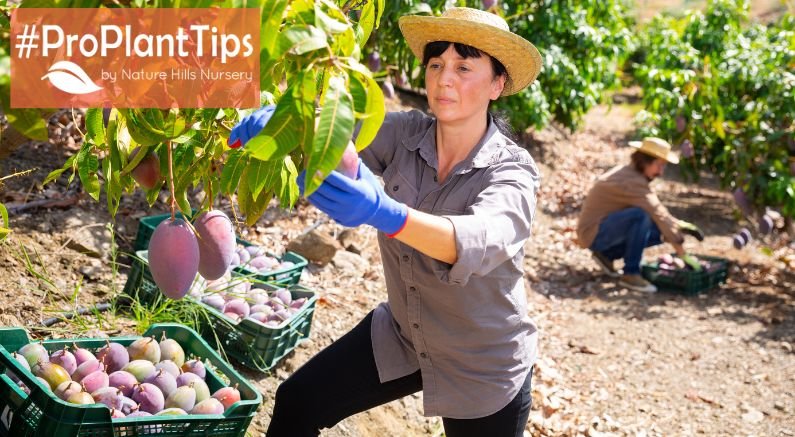
Typically a late summer fruit, the Keitt Mango tree has fruit that persists and ripens until September in warm regions!
Nectarine Trees
These juicy smooth-skinned Peach relatives are usually summer fruit, but a few are late-season Nectarine trees that ripen late in the season for the last taste of goodness in many growing zones!
- Flamekist
- Pink Diamond
- Red Gold
Nut Trees
September is the official start of autumn and that means the start of the nut harvest! Several varieties of fruiting Nut trees begin ripening this month!
- Almond trees - These flavorful fruits and healthy snacks can be harvested as soon as the hull has split open, you will see the shell inside, and the brown shell should be starting to split open, too. This crack indicates the almond kernel is ripe and ready for harvest. Look for the All-in-One-Almond and Hall's Hardy Almond starting to ripen this month.
- Hazelnuts (AKA Filberts) in some climates are beginning to ripen and if you can beat the squirrels to them, you’ll enjoy making your own desserts and candies.
- Pecan trees begin to ripen in September in many climates and continue through the early winter in growing zones with mild to no warm winters.
- Walnut trees - like Black Walnuts are starting to ripen, but even after they fall from the tree, these fruits need to continue to ripen and cure a while before you can eat them.
Olive Trees
In the hot, dry, and arid Mediterranean climates of the southern US, Olive trees are beginning to hang heavy with fruit. If you are looking to pick green Olives, now is the time to start preparing for the start of the Olive tree harvest!
Pawpaw Trees
Big sweet tropical-looking and tasting members of the Custard Apple tree family. Pawpaw trees are North American natives and along with their many cultivars, they are beginning to ripen in September for your late-season enjoyment!
Peaches Trees
Like their smooth-skinned cousins, Peaches are iconic fruit for summer, but a few stragglers are ripening in the later months of the year! Keep the summer vibe going with these late-season Peach tree varieties!
- Arctic Supreme
- Autumn Flame
- Bonfire
- Carnival
- Contender
- Elberta
- Flaming Fury
- O’Henry
Pear Trees
September is the start of the Pear season! Several varieties begin to ripen this month and continue through the winter months of many growing zones. Not all ripening on the tree, Pears can be picked and ripened on the counter or in storage. Pear butter, spiced canned pears and juice-running-down-your-chin goodness awaits you!

- Anjou and D Anjou
- Bartlett
- Bosc
- Fan-Stil
- Kieffer
- Korean Giant Asian
- Luscious
- Oriental Asian
- Seckel
Persimmon Trees
These American and Asian fruit trees are not as well known in some parts, but the fruit is highly sought after by those that are acquainted with them! September is the start of the native American Persimmon tree harvest and it continues through the fall! You are a lucky hiker or forager to find one of these natives growing in the wild! It’s also the start of the Asian Hachiya Persimmon tree harvest!
These trees are gorgeous all year and have unusual blossoms and branching structures for your enjoyment, so plant a few today!
Plump Plum Trees
Tasty gems with smooth skin and juicy sweetness! Several Plums are ripening this time of the season! Pick these smaller ornamental trees for year-round interest, lovely spring blooms, and of course, those delectable sweet-tart fruits that kids love!
- Beach
- Damson
- Emerald Beauty
- Honey Lightening
- Lavender Showers
- Native American
- Stanley Prune
- Toka
Pomegranate Trees
Generally thought of as a Christmastime treat, Pomegranates are considered high antioxidant super fruits and a welcome brilliant red treat around the holidays! September is the start of the Pomegranate harvest season in warmer climates, so prepare yourself for these unique juicy jewel-filled luxury treats!

- Ambrosia
- Desertnyi (Desert Pomegranate)
- Gissarskii Rozovyi
- Kazake
- Parfianka
- Purple Heart
- Red Silk
- Sweet
- Wonderful
Not ripening off the tree, be sure to pick them at peak ripeness!
Weather & Climate Variations
Keep in mind that the weather patterns, a late or early spring, summer temps barging in early and variants within your growing zone and elevation, all can greatly alter the precise time your fruit trees flower and fruit ripens!
Harvest dates can vary depending upon where you are growing your plants since less sun can slow things down and the location in your yard can create micro-climates around the trees. There is a tremendous amount of variation in ripening dates between zone 4 and zone 9 which can, and will, significantly affect harvest times. Plus the amount of sun available may have some impact on ripening too. Choose the very best location for your tree before planting!
You can always check with your local County Agricultural Extension office for information on the best trees for your area!

Check out our When to Harvest Garden Blog which explains how you know your fruit is ripe and ready for picking!
Double Duty Edible Landscape Plants!
All of these lovely trees offer spring blooms, shade, and sometimes fall color and all increase your property value while filling your pantry with fresh fruit, preserves, delicious baked goods, and sauces for all your favorite recipes.
Be sure to include Aronia (Chokeberry) bushes, Goji berry, and a host of floricane and everbearing Raspberries and Blackberries! You may also enjoy blueberry varieties for a late-season harvest too, such as the Sapphire Cascade and Elliot. Include these shrubs to encourage pollinators to stay in your garden and pollinate your fruit trees, as well as amp up your fresh fruit access and variety!
The edible landscaping craze is sweeping the nation! Secure your family's food access and self-sustainability, and increase your fresh food variety availability, regardless of the size of your landscape, with easy-to-grow fruit trees from Nature Hills! These double-duty trees and plants are not just healthy food for your pantry but also ornamental flowering landscape additions that provide shade and curb appeal as well!
Don’t forget to pick up a suitable pollinator for your fruit tree if they need a pollination buddy! And check out high-density planting to save space!
Happy Fall Season Harvest!
Fall is also the perfect time to get trees and shrubs planted! No longer contending with the heat and dry spells of summer, fall and spring are prime planting seasons! It’s also time to think about pruning your trees and shrubs as they begin to go dormant, so read more about pruning fruit trees here!
Tasty treats for the cooler season await you when you plant one or more of these delicious fruit trees at Nature Hills Nursery! Hurry and order yours so you too can enjoy fruit from spring, summer and fall fruit and beyond and get them delivered to your doorstep!
As always, head over to NatureHills.com #ProPlantTips for care for garden info and ideas anytime! We’ll be glad to help you select the perfect fruit trees, plant them and care for them, plus so much more!
Happy Planting!
