Free Shipping on Orders $199+

Growing Zone: | Garden in
Find your Growing Zone!

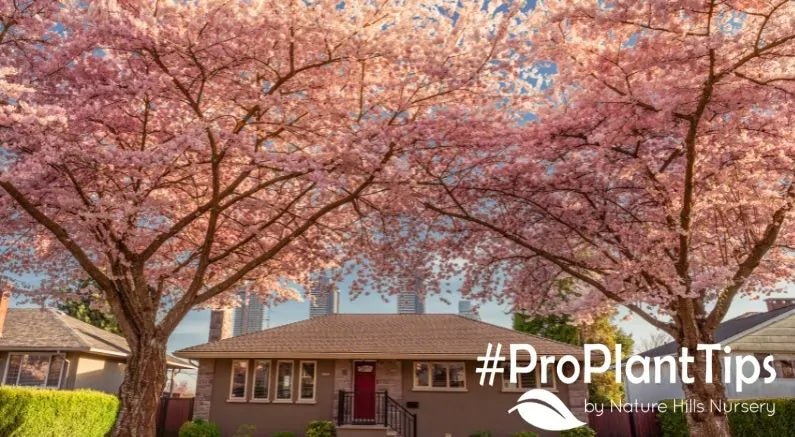
#ProPlantTips: Flowering Cherry Tree Care

#ProPlantTips: Flowering Cherry Tree Care - Nature Hills Nursery

Nature Hills Nursery |

Here at Nature Hills, we like to think of Flowering Cherries as the darlings of the garden world. We’re sure that they’re the prized possession of various home landscapes as well.

To keep those beautiful blossoms vibrant and prospering for years to come, it’s important to follow the correct care tips!

How To Plant Flowering Cherry Trees

So you’re wanting to plant a tree? Us too, all the time! Especially breath-taking ornamental specimens as these. Find an area that will receive full sun, flowering cherries enjoy basking in the warm rays from day to day.

They also ask you to pick a place where the soil drains well. A Royal Burgundy Flowering Cherry will pay you back in amounts of pink blossoms! If you can’t find such a location, try moving the native soil from another place to your yard. This will hopefully help build up the area to increase water drainage.

Have further questions on well-drained soil? Read our blog here!

You’ll want to dig a hole that is merely deep enough for the roots of the tree and then make it twice as wide. Trees like to stretch their limbs too! It also allows the surrounding soil to open up directions for the new roots to find sources of water and nutrients.

We suggest adding in some Nature Hills Root Booster so the roots can get a little extra help when it comes to establishing themselves in the fresh soil.

Fill the hole back up with the soil you dug up and completely saturate it immediately with water to eliminate any air pockets that could have formed near the roots. Be sure to check the moisture of the soil daily to see if the tree needs water or if it's fully damp.

Use your hose without any nozzle on it that's running about half rate to best keep the water at the roots. Always add water at the roots keeping the foliage dry to reduce the chances of foliar disease on your perfectly pretty cherry!

As we mentioned, the hole should only be deep enough to accommodate the roots. Rule #1 for tree planting: don’t plant them too deep. The widest part of the trunk flare should be above the soil line while the roots are just beneath.

It’s important to finish planting with the spreading of arborist wood chips only atop the roots while keeping it spaced from the trunk. This mulch should be laid about 3-4 inches thick! We know that an Akebono Flowering Cherry is best friends with mulch upon being planted.

The good news is that these trees are known for being hardy and easy to grow. Just keep in mind that plants always do better when they are stress free, like people!

When Should I Prune My Flowering Cherry?

There is nothing to rush when it comes to pruning flowering cherry trees. However, trimming your trees is necessary for allowing ample light penetration and air circulation. It also allows you to keep a maintained size and shape on your landscape!

For the best return of pink and white blossoms, trim after the blooms have disappeared. This ensures the best chance for new growth and flowering display.

Keep in mind that this time to prune should be on the lighter side. If you want to rid of large limbs, diseased branches, or thin any that are protruding outside the desired shape, wait until your cherry blossom tree has gone dormant for the winter in your growing zone.

Prune your young trees to eliminate any crossing branches, double leaders, or broken branches so you won't need to prune out large branches as they get older!

Prunning infographic

Types Of Flowering Cherry

Weeping Cherry

You’ll notice that some of these blossom trees like to hang their branches low. Their arms apparently just get tired, we understand! Lucky for landscapers, their ground-spilled limbs create an intricate floral display that makes anyone stop and stare.

Nature Hills likes to place our weeping cherries in the center of a mulched garden bed

Top Weeping Picks:

Japanese Flowering Cherry

As seen in Washington D.C., these floral specimens are known for their extraordinary pink flowers in a grouping stretching from one end of the National Mall to the other. Your yard can look the same way!

Extra bonus: when you visit D.C. with family & friends, you can explain all about the Yoshino cherry trees present and how to grow them!

The upright branches that engulf Japanese Cherries are covered with rosy pinks and pale pinks from head to toe. You won’t find any other flowering trees like them.

Top Japanese Picks:

Once you place a flowering cherry tree in your yard, there is no going back! With the correct care, it will easily become the queen of a landscape.

Happy gardening!

Shop Flowering Cherry Trees

Previous Next

Frequently Asked Questions

When to prune flowering cherry trees?

Prune flowering cherry trees immediately after they finish blooming in late spring to early summer, typically May through June depending on your zone. This timing allows the tree to set buds for next year's spectacular flower display while avoiding winter damage to fresh cuts. Focus on removing dead, damaged, or crossing branches, and limit pruning to no more than 25% of the canopy in a single year. Always use clean, sharp tools and make cuts just above outward-facing buds to promote healthy growth.

Can i plant a cherry blossom tree in my yard?

Yes, you can plant a flowering cherry tree in your yard if you have a location with full sun and well-draining soil. Dig a planting hole that's only as deep as the root ball but twice as wide to allow roots to establish properly. Choose from varieties like Royal Burgundy, Weeping Cherry, or Japanese Flowering Cherry depending on your landscape needs. Water daily at the root zone (not on leaves) and consider adding Nature Hills Root Booster during planting for best establishment results.

How to care for cherry blossom branches?

Cherry blossom branches require minimal direct care once the tree is established, but proper watering and pruning timing are essential. Water at the base of the tree rather than on the foliage to prevent disease, and prune immediately after flowering ends in late spring to avoid removing next year's buds. For cut branches brought indoors, place stems in clean water and trim the ends at an angle every few days. Monitor the overall tree health by ensuring full sun exposure and well-draining soil to promote strong branch development and abundant blooms.

Can cherry blossom trees grow in canada?

Cherry blossom trees can grow in Canada, with hardiness varying by species and cultivar. Most flowering cherries thrive in zones 5-8, making them suitable for southern and central Canadian regions, while cold-hardy varieties like Sargent Cherry can survive in zone 4. Northern areas may need to select specially bred cold-tolerant cultivars or consider container growing for winter protection. Check your specific hardiness zone and choose varieties rated for at least one zone colder than yours for best success.

Can i prune weeping cherry tree in summer?

Summer pruning of weeping cherry trees is not recommended, as it can stress the tree and reduce next year's bloom potential. The best time to prune weeping cherries is immediately after flowering ends in late spring (typically May-June), when the tree has energy reserves to heal cuts and set buds for the following season. Pruning during summer heat can also make the tree more susceptible to disease and pest issues. Wait until next spring's bloom period finishes, then prune within 4-6 weeks for optimal results.

Can cherry blossoms grow in canada?

Many flowering cherry varieties thrive in Canada, particularly in zones 4-8 depending on the specific cultivar. Hardy options like Shubert Choke Cherry and Evans Cherry perform well in colder Canadian climates, while Japanese varieties like Yoshino and Kwanzan cherries succeed in milder zones 5-6 regions of southern Ontario and British Columbia. Plant in full sun with well-draining soil and choose varieties rated for your specific hardiness zone to ensure reliable blooming each spring.

Are there pink cherries?

Yes, many flowering cherry varieties produce stunning pink blossoms, including the Royal Burgundy Cherry mentioned in our planting guide. Popular pink-flowering types include Kwanzan Cherry with double pink blooms, Okame Cherry with early pink flowers, and various weeping cherry cultivars. Most pink flowering cherries thrive in zones 5-8 and bloom in early to mid-spring. Plant yours in full sun with well-draining soil to ensure the most vibrant pink display each season.

Can you buy cherry blossom trees?

Yes, you can buy flowering cherry trees, also known as cherry blossom trees, from Nature Hills Nursery. Popular varieties include Weeping Cherry, Japanese Flowering Cherry, and Royal Burgundy Flowering Cherry, which produces stunning pink blossoms. These ornamental trees thrive in full sun locations with well-draining soil. Plant your flowering cherry in a hole twice as wide as the root ball and water daily at the base to establish strong roots.

How do I plant a flowering cherry tree correctly, including hole depth and soil preparation?

Dig a hole only as deep as the root ball but twice as wide to allow lateral root expansion, and select a full sun location with well-draining soil. Add Nature Hills Root Booster to the backfill soil, then water thoroughly at planting to eliminate air pockets around the roots. Check soil moisture daily and water at the base using a hose at half pressure, keeping foliage dry to prevent disease.

When is the best time to plant a flowering cherry tree?

The best time to plant flowering cherry trees is in early spring after the last frost or in fall, 6-8 weeks before the ground freezes. This timing allows the roots to establish before facing summer heat stress or winter dormancy. In zones 4-8 where most flowering cherries thrive, aim for March-April or September-October planting windows. Choose a location with full sun and well-draining soil, then dig your hole twice as wide as the root ball for optimal establishment.

Find Your Garden's Growing Zone!

Your Current Growing Zone:

Zone

ZIP Code:

✓ Growing Zone Set Successfully!

Your zone has been saved and will be used throughout the site.

⚠ Unable to locate a growing zone for that ZIP code.

Please check your ZIP code and try again.

Looking up your growing zone...

When ordering a tree or plant, make sure to know your planting zone.

You can determine your garden's USDA hardiness zone by entering your Zip Code below.