Shop With Confidence: FREE Growing & Glowing Promise

Free Shipping on Orders $199+

Fall Planting and a Few Reminders for Fall!

Fall Planting and a Few Reminders for Fall! - Nature Hills Nursery

Nature Hills Nursery |

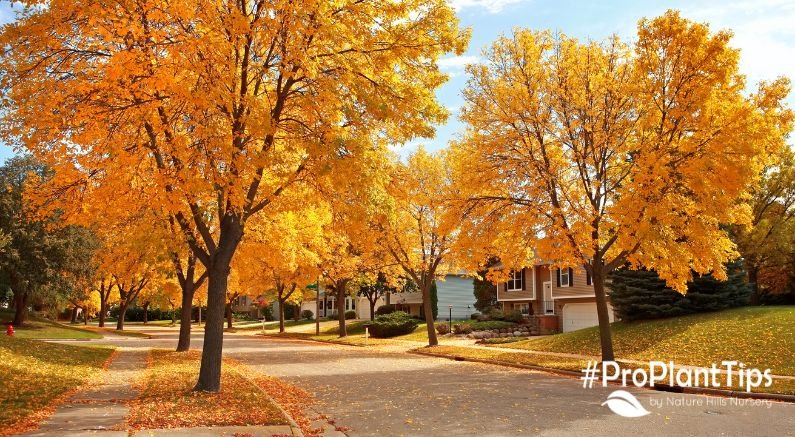
autumn blaze maple

Fall planting is one of the best-kept secrets in gardening. The combination of warm soil, cooler air, and increased moisture creates the perfect environment for new roots to develop quickly. While spring is often considered the prime planting season, planting in fall gives your plants a head start for next spring, allowing them to settle in before winter and emerge stronger than ever when temperatures rise.

If you’ve been thinking about adding trees, shrubs, perennials, or even bare root plants to your landscape, now is the time! Let’s explore why fall planting is so beneficial and how you can set your garden up for long-term success.

Why is Fall the Perfect Time for Planting?

  1. Warm Soil Encourages Rapid Root Growth

Throughout summer, the soil absorbs heat from the sun, creating optimal conditions for root development. Unlike in spring, when soil is still cold from winter, fall planting allows plants to form roots almost immediately. These new roots continue to grow well into late fall and even early winter before the soil eventually cools.

  1. Cooler Air Reduces Plant Stress

In spring and summer, newly planted trees and shrubs have to balance top growth and root establishment, which can be stressful—especially in hot weather. In fall, plants focus more on root growth rather than producing leaves, flowers, or fruit. Less stress = stronger, healthier plants!

  1. Moisture is More Readily Available

Many regions experience increased rainfall in fall, and cooler temperatures mean plants use less water. This natural hydration helps plants establish their root systems before winter, making them more resilient when spring arrives.

  1. Mulch Extends the Root-Growing Season

A 3-4 inch layer of shredded bark or arborist mulch over the root zone helps insulate the soil, slowing the rate at which it cools. Mulch prevents moisture loss, suppresses weeds, and extends the period of root development before winter dormancy.

  1. Plants Will Be Ready to Grow in Spring

Fall-planted trees and shrubs act as if they’ve been in the ground for a full year when they wake up in spring. That means faster growth, healthier foliage, and better blooms compared to plants planted in early spring.

Bareroot Planting in Fall – A Smart, Cost-Effective Option

Planting bareroot tree

At Nature Hills Nursery, we partner with top growers to offer bareroot plants, which are an economical and easy-to-plant alternative to potted plants.

What are Bareroot Plants?

Bare root plants are harvested from fields with their soil removed. They are then stored in cool, humid environments to keep them dormant until planting. Fall-planted bare root trees and shrubs will establish new roots quickly, just like container-grown plants, giving them a head start in spring.

Why Choose Bareroot Plants at Nature Hills?

  • More affordable than potted plants
  • Lighter and easier to plant
  • Fast root development when planted in fall
  • Stronger establishment before spring growth

Check with our Nature Hills Nursery team or visit our website for availability and shipping schedules for bareroot plants.

Watering New Plants in Fall – Don’t Put Away That Hose Yet!

Anything planted this year—whether in spring, summer, or fall—needs consistent watering to ensure successful establishment before winter. This last deep watering significantly helps plants survive winters, and it especially helps broadleaf evergreen plants resist wind burn and frost burn.

Key Watering Tips for Fall

  • Water deeply until plants go dormant in late fall.
  • Focus on deep-rooted trees and shrubs, especially those planted this year.
  • Evergreens and broadleaf evergreens (like Arborvitae and Viburnum) require extra moisture to prevent winter desiccation.

Certain tree species, including Ash, Birch, Larch, Red Maples, Black Walnut, Swamp White Oak, Pin Oak, Redbud, Sweet Gum, Tulip Tree, and Ginkgo, thrive in moist soil and will especially benefit from late-season watering.

Before putting your hose away, give your new plantings one last deep soak to help them withstand winter conditions.

What’s Left to Plant This Fall?

  • Spring Flowering Bulbs

Fall is the perfect time to plant spring-blooming bulbs like Tulips, Daffodils, Crocus, and Hyacinths.

  • Garlic for a Homegrown Harvest

If you love fresh garlic, now is the time to plant individual cloves about 2-3 inches deep in a sunny location. By next June, you’ll have a robust crop of flavorful, homegrown garlic. Avoid grocery store garlic and source untreated cloves from local markets or garden centers for best results.

  • Rose Care – Wait Before Winter Protection

While you may be tempted to winterize your Roses early, it’s best to let them experience cold temperatures and frosts first. This signals dormancy, preparing them for winter survival. We cover the best overwintering tips for Roses here!

  • Grass seed and Grass plugs
planting bulbs in the fall

Fall is an excellent time to plant grass seed and grass plugs, thanks to the warm soil, cooler temperatures, and increased moisture that promote strong root development. Whether you're repairing bare patches, overseeding an existing lawn, or establishing a new one, planting in early to mid-fall allows grass to grow deep roots before winter dormancy.

Leading to a thicker, healthier lawn in spring. Grass plugs, such as Zoysia or Blue Grama, also benefit from fall planting, as they have time to establish roots before extreme summer heat arrives. By planting now and keeping the soil moist and well-aerated, you’ll set your lawn up for lush, green success next year.

Read more about Planting Grass Plugs, and caring for Grass Plugs in our Garden Blog!

Get Ahead With Fall Planting!

Planting in fall is one of the best ways to establish healthy trees, shrubs, and perennials with minimal stress and maximum success. The warm soil, cool air, and natural moisture work together to encourage fast root development, ensuring your plants are ready to flourish in spring.

Check out our selection at Nature Hills Nursery today and give your garden the best possible start with fall planting!

Happy Planting!

Previous Next

Frequently Asked Questions

When is the best time to plant flowers in the fall in the Southeast?

In the Southeast, fall planting for flowers is best done between late September and mid-November, when temperatures begin to cool but the soil is still warm from summer. Gardeners in USDA Zones 7 through 9, which cover much of the Southeast, have a longer window to take advantage of these ideal conditions compared to northern regions. Apply 3 to 4 inches of mulch around your newly planted flowers to retain soil warmth, reduce moisture loss, and extend root development before winter. Head to naturehills.com now to browse our fall flower selection and get your plants in the ground while conditions are ideal.

When should I plant ground cover in autumn for the best root establishment?

Plant ground cover in early to mid-autumn, ideally 4 to 6 weeks before your first hard frost, giving roots time to establish while the soil is still warm. Warm soil encourages rapid root development even as air temperatures drop, and most zones benefit from planting between late August and October depending on your region. Apply a 3 to 4 inch layer of shredded bark mulch over the root zone to insulate the soil, retain moisture, and extend the root-growing season before winter dormancy sets in. Check your local frost dates and order early so your ground cover arrives with plenty of time to get established before the ground freezes.

How do I plant a pear tree in the ground in fall?

Plant your pear tree in fall after temperatures cool but at least 4 to 6 weeks before the ground freezes in your area, giving roots time to establish before winter dormancy. Dig a hole two to three times wider than the root ball and equal in depth, positioning the graft union about 2 inches above the soil line. Backfill with native soil, water deeply to settle the roots, and apply a 3 to 4 inch layer of shredded bark mulch over the root zone to insulate the soil and retain moisture through winter. Visit naturehills.com to browse our selection of pear trees and find the right variety for your hardiness zone.

When is the best time to plant shrubs and bushes in the fall?

The best time to plant shrubs and bushes in fall is typically between late September and mid-November, giving plants at least 6 to 8 weeks before the ground freezes to establish their root systems. Warm soil temperatures, cooler air, and increased rainfall create ideal conditions for rapid root development with minimal stress on the plant. After planting, apply a 3 to 4 inch layer of shredded bark or arborist mulch over the root zone to insulate the soil and extend the root-growing season well into late fall.

Is it too late to plant fall vegetables in my garden?

Whether it's too late depends on your USDA hardiness zone and what you're hoping to grow. Cool-season crops like kale, spinach, lettuce, and radishes can tolerate frost and may still be planted if you have 4 to 8 weeks before your first expected freeze, which varies widely from Zone 4 to Zone 9. Check your local frost date, count back from that date using the days-to-maturity on your seed packet, and focus on fast-maturing varieties to maximize your harvest window.

Should I cut back my perennials in the fall or wait until spring?

Whether to cut back perennials in fall or spring depends on the plant and your climate. In colder zones (3-5), leaving stems and seed heads standing through winter provides insulation for the crown and food for birds, and the debris can be cleared in early spring before new growth emerges. In milder zones (6-9), cutting back most perennials to about 3-4 inches in late October or November is perfectly fine and keeps beds tidy. As a general rule, leave ornamental grasses and late-blooming perennials like coneflowers and black-eyed Susans standing until spring, and cut back earlier-blooming perennials like hostas and daylilies in the fall after the first hard frost.

What should I do with annuals that are looking ragged at the end of the season?

When annuals start looking tired and worn out at the end of the season, it is time to pull them and clear the bed entirely. Remove spent plants, roots and all, to prevent disease and pest overwintering in your soil. This is the perfect opportunity to amend the bed with compost and transition to fall-planted perennials, shrubs, or spring-blooming bulbs that will reward you with stronger, more established growth next year.

How do I collect and store seeds in the fall to use next year?

Collecting seeds in fall is straightforward: wait until seed heads are fully mature and dry on the plant, which typically happens 4 to 6 weeks after flowering ends. Harvest on a dry day, then spread seeds on a paper towel or screen for 1 to 2 weeks to ensure complete drying before storage. Store seeds in labeled paper envelopes or glass jars in a cool, dark location at around 35 to 50 degrees Fahrenheit, such as a refrigerator or unheated basement, where they will remain viable through winter. Come spring, test germination rates by placing a few seeds between damp paper towels before committing to a full planting.

How often should I water my lawn in the fall?

Fall lawn watering depends on your climate and rainfall, but a general rule is to water deeply once or twice a week if natural rainfall is insufficient, providing about 1 inch of water total per week. As temperatures drop and grass growth slows, you can gradually reduce frequency, but continue watering until the ground freezes. In most USDA zones 5 through 7, this means maintaining a watering schedule through October or even into November. Monitor your soil moisture regularly and adjust based on rainfall, making sure to water during daylight hours so grass blades dry before nighttime temperatures drop.

Is fall a good time to aerate and fertilize my lawn?

Fall is an excellent time to aerate and fertilize your lawn, particularly in September through November depending on your climate zone. Aerating in fall relieves soil compaction and allows fertilizer, water, and oxygen to penetrate deeper into the root zone. Apply a slow-release, high-phosphorus fertilizer after aerating to support strong root development before winter dormancy. For best results, complete this process at least four to six weeks before your first expected hard freeze.