Free Shipping on Orders $199+

Growing Zone: | Garden in
Find your Growing Zone!

Cold-Hardy Plants For Rochester Yards!

Cold-Hardy Plants For Rochester Yards! - Nature Hills Nursery

Nature Hills Nursery |

Rochester skylineRochester, New York, affectionately known as the "Flower City" thanks to its floral heritage and deep gardening roots, is a haven for passionate plant lovers who don't shy away from a challenge!

Nestled in Northeastern USDA Hardiness Zone 6a, where winter temps can dip to -10°F or lower and Lake Ontario loves to flex with lake-effect snow, this northern New York gem needs plants that can take the cold and come back swinging every spring.

Let's dig into cold-hardy plant choices, local growing tips, and native picks that will make your New England landscape shine all year long, whether you're sprucing up a city lot in the South Wedge or tending raised beds near Irondequoit Bay.

Understanding Rochester's Climate and Landscape

Rochester sits on the southern shore of Lake Ontario, which means our weather’s got mood swings; balmy breezes one day, snow squalls the next. Winters bring heavy snowfall and frigid temps, while summers are short, warm, and sometimes humid.

The landscape was shaped by glacial activity, which left behind a mix of clay-heavy and loamy soils that can be challenging but rich in minerals!

Key factors to know:

  • Zone: USDA Hardiness Zone 6a
  • First/Last Frost: Expect frost as late as mid-May and as early as mid-October.
  • Soil: Often clay-heavy, so drainage is key! Raised beds or amended soils work wonders.
  • Microclimates: Urban areas, near fences, or beside buildings can stay warmer. Great for tucking in more tender plants.

Rochester Roots: Native and Cold-Hardy Plants

Ready to go local and cold-tough? These New York native plant picks are perfect for Rochester gardens and yards.

Native Trees for Rochester, NY

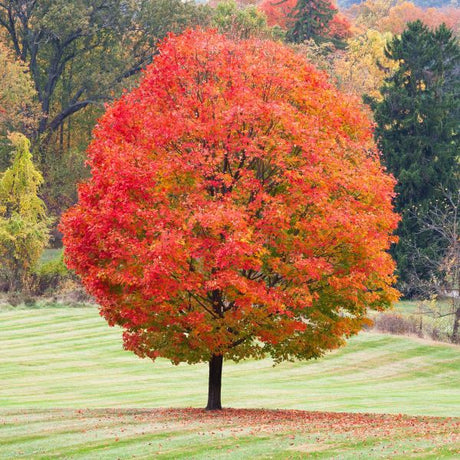
  1. Sugar Maple (Acer saccharum)
    New York's state tree, the Sugar Maple is a hardwood hero with blazing fall color, reds, oranges, and golds galore. It's cold-hardy, slow-growing, and makes sweet sap for syrup if you're the homesteading type.
  2. Eastern Redbud (Cercis canadensis)
    A charming understory tree with rosy-pink blooms in early spring, the Eastern Redbud brings the drama before the leaves show up. Native and ready for winter, it thrives in well-drained sites with dappled sun.
  3. American Hornbeam (Carpinus caroliniana)
    Nicknamed 'Musclewood' for its sinewy bark, this tree adds year-round interest. Compact and shade-tolerant, it's perfect for smaller city yards.
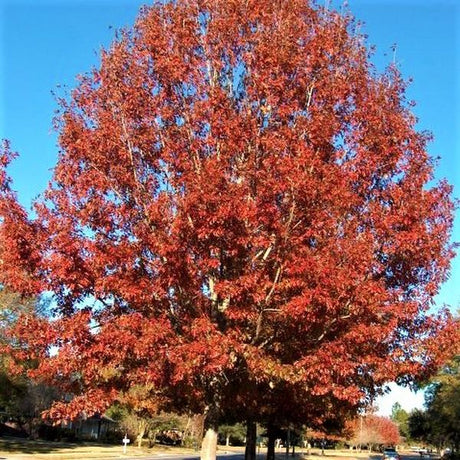
  4. Northern Red Oak (Quercus rubra)
    A majestic shade tree that grows fast and lives long, the Red Oak provides shelter and food for wildlife and shines in rich autumn reds.
  5. Serviceberry (Amelanchier canadensis)
    This tree is a multitasker! White spring flowers, edible summer berries, and glowing fall foliage. Bonus: It supports local pollinators and birds.

Native Shrubs for Rochester Landscapes

  1. Red Twig Dogwood (Cornus sericea)
    Showy red stems in winter? Yes, please! The Dogwood shrub adds vibrant structure to snowy gardens.
  2. Winterberry Holly (Ilex verticillata)
    A female-male pairing brings winter-bright red berries, perfect for festive color and hungry birds.
  3. New Jersey Tea (Ceanothus americanus)
    A compact shrub with fragrant white flowers. Loved by pollinators and easy to grow in sunny borders.
  4. Common Ninebark (Physocarpus opulifolius)
    A tough cookie with exfoliating bark and fluffy spring blooms. Ninebark are great for hedging and erosion control.
  5. Sweet Fern (Comptonia peregrina)
    Not a true Fern, but this aromatic shrub thrives in poor soils with a woodsy, herbal vibe.

Perennials That Keep Coming Back

The New York Fern (Thelypteris noveboracensis) is a namesake state native that has delicate fronds and thrives in moist woodlands and shaded gardens. Plus, you can choose from these lovely perennials that return year after year, bigger and better:

  1. Purple Coneflower (Echinacea purpurea)
    A classic pollinator magnet with long-lasting blooms and serious cold tolerance.
  2. Wild Bergamot (Monarda fistulosa)
    Bee Balm's fragrant, shaggy flowers are loved by pollinators and gardeners.
  3. Black-Eyed Susan (Rudbeckia hirta)
    Golden blooms light up beds and borders from summer into fall.
  4. Solomon's Seal (Polygonatum biflorum)
    An elegant shade-lover with arching stems and dangling bell flowers. Try the variegated form for unique contrast in the shade.
  5. Culver's Root (Veronicastrum virginicum)
    Tall, spiky blooms in white or lavender draw attention and bees alike.

Cold-Hardy Native Fruiting Trees

  1. Butternut (Juglans cinerea) - Rich, buttery nuts wrapped in rustic charm. Also known as the White Walnut.
  2. Red Mulberry (Morus rubra) - Juicy, staining, and oh-so-satisfying. A backyard berry bonanza.
  3. Pawpaw (Asimina triloba) - Native and exotic all at once, Pawpaw's bring a tropical twist to Upstate NY.
  4. American Plum (Prunus americana)
    Small and sweet with early spring flowers. Great for hedgerows and jams.
  5. American Persimmon (Diospyros virginiana) – Rich, sweet fruit after frost. Old-fashioned flavor, modern favorite.

Native Fruiting Bushes For Your Yard

  1. Highbush Blueberry (Vaccinium corymbosum) - Beautiful in every season, with sweet berries and fall foliage that glows. Try the Star Blueberry for an improved cultivar.
  2. American/Common Elderberry (Sambucus canadensis) - Hardy, productive, and pollinator-approved. Use berries for syrup or jelly.
  3. Concord Grape Vine - A Finger Lakes legend! Sweet purple grapes with serious cold tolerance.
  4. Black Raspberry (Rubus occidentalis) - Native and vigorous with deep, sweet fruit in early summer. The Bristol Black is a hardy improved cultivar.
  5. Gooseberry (Ribes uva-crispa) - Old-school flavor meets modern flair. Great for small spaces and cold climates.

Tips and Tricks for Successful Gardening in Rochester

Mulch Like a Pro: A thick layer of mulch helps insulate roots and conserve moisture. Bonus points for shredded leaves or pine needles!

Amend That Clay: If your soil's heavy, add compost, leaf litter, and sand for better drainage. Raised beds are your best friends.

Time Your Planting: Avoid rushing into spring planting. Wait until after the last frost—usually mid to late May. Know your last frost date in your area.

Watch for Frost Pockets: Low-lying areas may collect cold air. Stick tender plants in warmer microclimates near fences or walls.

Windbreak Wonders: Evergreens or fences can shield sensitive plants from icy gusts.

Water Wisely: Spring and fall can be wet, but summer can dry out fast. Drip irrigation helps you stay efficient. Broadleaf and coniferous evergreens need a good long drink before winter to prevent windburn.

Rochester neighborhoodFlower City Flair, Naturally!

Whether you're digging in over by Highland Park (home of Rochester's iconic Lilac Festival) or out near the shores of Lake Ontario, there's no shortage of beauty to plant and grow in the Flower City.

Stick with cold-hardy, native, and resilient plants, and your garden will thrive in snow, sun, and everything in between.

Happy Planting!
Previous Next

Compare Plants

Browse the features and specs side-by-side to find the best fit for your garden.

A table comparing the facets of 5 products
Facet
Sugar Maple
Sugar Maple Tree
View details
Eastern Redbud
Eastern Redbud
View details
Northern Red Oak
Northern Red Oak Tree
View details
New York Fern
New York Fern
View details
Variegated Solomon's Seal
View details
Rating
Rating
(1)
(14)
(5)
--
Type
TypeTreeTreeTreePerennialPerennial
By
ByNature Hills NurseryNature Hills NurseryNature Hills NurseryAmerican BeautiesNature Hills Nursery
Flower Color
Flower Color
  • Yellow
  • Purple
  • Pink
  • Yellow
  • Green
-
  • White
Growing Zone Range
Growing Zone Range
3-8
4-9
3-8
3-8
3-9
Mature Height
Mature Height
50-70 ft
20-30 ft
50-60 ft
1-2 ft
1-2 ft
Width
Width
30-45 ft
15-30 ft
50-60 ft
1-3 ft
1 ft
Price
Price
Regular price $9790
Regular price From $4992
Regular price $9790
Regular price $3817
Regular price $4093

Frequently Asked Questions

What is the USDA hardiness zone for Rochester, NY, and how does it affect plant choices?

Rochester, NY is located in USDA Hardiness Zone 6a, where winter temperatures can drop to -10°F or lower. This zone designation means plants must be able to survive these frigid temperatures and handle lake-effect snow from nearby Lake Ontario. The challenging climate limits plant choices to cold-hardy varieties that can withstand harsh winters and a shorter growing season with frost possible until mid-May and returning as early as mid-October. Choose plants rated for Zone 6a or lower to ensure they'll survive Rochester's winters and thrive in your landscape.

Which cold-hardy native plants like trees and shrubs thrive best in Rochester yards?

For Rochester's Zone 6a climate, Sugar Maple (Acer saccharum) and Eastern Redbud (Cercis canadensis) are excellent native tree choices that handle temperatures down to -10°F. Sugar Maples provide spectacular fall color and slow, steady growth, while Eastern Redbuds offer early spring blooms and work well as understory trees. Both species are well-adapted to Rochester's clay-heavy soils and lake-effect snow conditions. Plant these natives in fall or early spring, and consider adding amendments to improve drainage in heavy clay areas.

How can I improve drainage in Rochester's heavy clay soil for cold-hardy plants?

Rochester's glacial clay soils retain moisture and can suffocate plant roots, especially during freeze-thaw cycles in Zone 6a. Amend heavy clay by working in 2-3 inches of coarse compost, aged manure, or perlite to the top 12 inches of soil, or build raised beds 8-12 inches high for instant drainage improvement. Install these amendments in fall before ground freeze or early spring after soil workability returns in April. Test drainage by digging a 12-inch hole and filling with water - if it doesn't drain within 24 hours, your cold-hardy plants need raised beds or deeper amendments.

When are the typical first and last frost dates in Rochester for planting cold-hardy perennials?

In Rochester, New York (USDA Zone 6a), expect the last frost as late as mid-May and the first frost as early as mid-October. This gives you a growing season of approximately 5 months for cold-hardy perennials. Plant hardy perennials after the soil can be worked in spring, typically late April to early May, but wait until after mid-May for more tender varieties to avoid frost damage.

What mulching techniques help protect roots of cold-hardy plants during Rochester winters?

Apply 3-4 inches of organic mulch like shredded bark or leaves around cold-hardy plants in late fall, keeping mulch 2-3 inches away from tree trunks and plant stems to prevent rodent damage. In Rochester's Zone 6a climate, this insulation layer helps maintain consistent soil temperatures and protects roots from freeze-thaw cycles that can heave plants from the ground. Remove excess mulch in early spring once soil begins to thaw to allow proper air circulation and prevent crown rot.

Are raised beds necessary for growing cold-hardy plants in Rochester's clay-heavy soil?

Raised beds aren't strictly necessary for cold-hardy plants in Rochester's Zone 6a clay soil, but they solve critical drainage issues that can kill even the toughest plants during freeze-thaw cycles. Clay-heavy soils retain water and can suffocate roots or cause frost heaving damage to cold-hardy perennials and shrubs. You can either build raised beds 6-12 inches high or amend existing soil with compost and coarse sand to improve drainage. Test your drainage by digging a hole and filling it with water - if it doesn't drain within 24 hours, invest in raised beds or soil amendments.

How do microclimates in urban Rochester yards impact cold-hardy plant selection?

Urban areas in Rochester create beneficial microclimates that can be 5-10°F warmer than surrounding areas, particularly near buildings, fences, and south-facing walls that absorb and radiate heat. These protected spots allow you to successfully grow plants rated for Zone 6b or even 7a, expanding your options beyond the standard Zone 6a selections. The warmth extends your growing season by 1-2 weeks in spring and fall, giving you more flexibility with planting timing. Take advantage of these warmer microclimates by positioning slightly tender perennials and shrubs against south-facing structures while reserving fully exposed areas for your most cold-hardy Zone 6a plants.

Which cold-hardy plants are safe for Zone 6a if my yard is colder than average?

For yards that run colder than the typical Zone 6a range (which drops to -10°F), choose plants rated for Zone 5 or even Zone 4 to ensure reliable survival. Sugar Maple and other northern natives like Eastern White Pine handle extreme cold exceptionally well, while many Zone 6a borderline plants may struggle in your microclimate. Test your yard's actual winter lows with a min/max thermometer for two seasons to determine your true hardiness zone. Select plants rated at least one zone colder than your measurements show for guaranteed winter survival.

Should I choose plants rated for a zone colder than Rochester's 6a to play it safe?

Yes, choosing plants rated for zones 5 or even 4 provides excellent insurance against Rochester's unpredictable weather patterns and occasional temperature dips below the typical -10°F minimum. Rochester's location near Lake Ontario creates microclimates and weather swings that can stress plants rated exactly for zone 6a. Plants rated one zone colder will establish more reliably and bounce back stronger after harsh winters. Select zone 5 plants for your main garden backbone, then use true zone 6a plants in protected microclimates near buildings or fences.

What defines a plant as cold-hardy enough for Rochester's winter temperatures?

A plant is considered cold-hardy for Rochester when it can survive USDA Hardiness Zone 6a conditions, withstanding winter temperatures that drop to -10°F or lower. Cold-hardy plants have developed natural mechanisms like dormancy, antifreeze proteins, or protective bark that allow their root systems and above-ground structures to survive these frigid temperatures and heavy lake-effect snow. Look for plants specifically rated for zones 6a or lower, and consider that microclimates near buildings or fences can provide extra protection for borderline hardy specimens.

Find Your Garden's Growing Zone!

Your Current Growing Zone:

Zone

ZIP Code:

✓ Growing Zone Set Successfully!

Your zone has been saved and will be used throughout the site.

⚠ Unable to locate a growing zone for that ZIP code.

Please check your ZIP code and try again.

Looking up your growing zone...

When ordering a tree or plant, make sure to know your planting zone.

You can determine your garden's USDA hardiness zone by entering your Zip Code below.