Shop With Confidence: FREE Growing & Glowing Guarantee

Free Shipping on Orders $199+

Best Plants & Garden Success Tips For Knoxville, Tennessee!

Best Plants & Garden Success Tips For Knoxville, Tennessee! - Nature Hills Nursery

Nature Hills Nursery |

Best Plants For Knoxville, Tennessee!

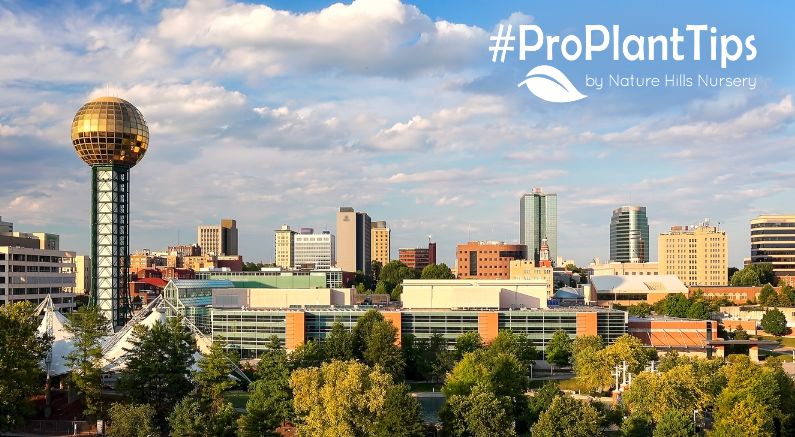
Knoxville skyline

Knoxville, Tennessee, lovingly nicknamed the Marble City and nestled in the heart of the Tennessee Valley, is a gardener's gem. With four vivid seasons, rolling foothills, and a rich cultural heritage, Knoxville serves up fertile ground for both old-school green thumbs and next-gen plant parents alike.

From spring's pastel showers to autumn's fiery hues, this area boasts some serious seasonal eye candy, but it also comes with some unique challenges.

Located in the Southeastern USDA Hardiness Zone 7a, Knoxville's gardening success starts with understanding its clay-heavy soil, humid summers, and unpredictable rainfall. But fret not! Whether you're working a slope near Fort Sanders, designing curb appeal in Sequoyah Hills, or planting a pollinator haven on the edges of the Smokies, we've got the right plants and the right plan to help you bloom where you're planted.

Let's dig in!

The Landscape, Soil & Weather of Knoxville

Knoxville landmark

Knoxville's natural terrain is marked by rolling hills, lush river valleys, and Appalachian foothills. The area sits in the Ridge-and-Valley region, with compact red clay soil that can easily become waterlogged without proper amendment. That's why soil preparation is your secret weapon.

Add plenty of organic compost or well-aged manure to improve drainage, enrich nutrients, and loosen things up. Raised beds or mounded planting areas help even more in heavy clay zones. Knoxville gets about 50 inches of rain annually, so your plants will enjoy deep, natural watering, but it also means proper grading and drainage are key to keeping roots happy, not soggy.

Summer temps can sizzle into the 90s, while winters rarely get extreme, dipping into the 20s. These moderate swings are perfect for a wide palette of plants, but the ones that truly thrive are those that can handle Tennessee's sticky humidity and shifting seasons.

Top 10 Resilient Plants For Knoxville At Nature Hills

These tried-and-true picks are all-stars in Marble City soil:

  1. Blue Chinese Wisteria Tree – Like a southern belle in full bloom, this tree brings drama with cascading violet-blue blossoms. Loves full sun and slightly amended clay soil.
  2. BiColor Butterfly Bush – A pollinator party machine! This shrub boasts multiple flushes of blooms—perfect for sunny borders and butterfly buffs.
  3. Ginkgo Tree – This prehistoric tree drops jaws each fall with golden fan-shaped leaves. It's low-maintenance and pollution-resistant, great for city lots.
  4. White Snow Fountains® Weeping Cherry – Like snow in springtime! This weeping wonder brings elegance to yards in Bearden and beyond.
  5. Chaste Tree (Vitex) – Heat-tolerant and pollinator-friendly, its fragrant blue blooms make this one a Knoxville favorite for long summer color.
  6. Zephirine Drouhin Climbing Rose – Thornless and shade-tolerant? Yes, please! Train this beaut on a trellis for maximum cottagecore charm.
  7. Honeycrisp Apple Tree – Tennessee volunteers and Honeycrisps make a sweet combo! Full sun, good air flow, and some disease watch keep this apple crisp and juicy.
  8. Frost Proof Gardenia – Don't let the name fool you, it thrives in Tennessee's sultry summer too, with glossy leaves and creamy, fragrant blooms.
  9. Creeping Thyme – Low, lush, and fragrant underfoot. This ground cover loves the sun and gives pollinators a snack station.
  10. Common Purple Lilac – For a nostalgic spring fragrance, nothing beats a Lilac. Best in full sun with room to breathe.

Top Native Plants For Knoxville Gardens

Tennessee Native Trees That Shine in Knoxville

Beat the heat by strategically planting shade trees around your backyard seating areas and around your home to reduce cooling costs. Or plant windbreaks to slow down the prevailing winds that can dry foliage.

  1. Tulip Poplar (Liriodendron tulipifera) – The State Tree of Tennessee! Majestic and fast-growing, with tulip-shaped blooms that support pollinators.
  2. Eastern Redbud (Cercis canadensis) – A springtime spectacle with magenta-pink flowers—native, charming, and great for small spaces.
  3. Southern Sugar Maple (Acer floridanum) – Not just pretty fall color—this maple thrives in Knoxville's soil and provides habitat for wildlife.
  4. Sourwood (Oxydendrum arboreum) – This tree brings summer bees with its fragrant white blooms and red-hot fall foliage.
  5. American Beech (Fagus grandifolia) – A graceful tree with smooth bark, golden fall color, and shelter for birds and critters.

Native Shrubs For Your Tennessee Garden

  1. Oakleaf Hydrangea (Hydrangea quercifolia) – Four-season beauty with cone-shaped blooms, peeling bark, and crimson fall color.
  2. Virginia Sweetspire (Itea virginica) – Fragrant white spikes in spring and dazzling red fall color, ideal for rain gardens.
  3. Bottlebrush Buckeye (Aesculus parviflora) – Big, bold, and shade-tolerant, this one's a pollinator magnet.
  4. Beautyberry (Callicarpa americana) – Bright purple berries in fall and birds go bananas for them!
  5. New Jersey Tea (Ceanothus americanus) – Drought-tolerant and nitrogen-fixing, plus those powdery white blooms in late spring.

Tennessee Native Perennials That Pop

Native plants and pollinator favorites increase habitat and biodiversity while reducing upkeep.

  1. Purple Coneflower (Echinacea purpurea) – Tough, drought-tolerant, and adored by pollinators.
  2. Black-Eyed Susan (Rudbeckia hirta) – Sunshine in a flower, thriving in Knoxville's sun-drenched plots.
  3. Wild Bergamot (Monarda fistulosa) – Bee Balm blooms with minty-scented leaves, add it for the hummingbirds!
  4. Columbine (Aquilegia canadensis) – Delicate nodding flowers, deer-resistant, and great in woodland edges.
  5. Tennessee Coneflower (Echinacea tennesseensis) – A rare native comeback kid! Loves well-drained soil and full sun.

Fruiting Trees That Love Knoxville

  1. American Persimmon – Sweet, late-season fruit loved by wildlife and people alike.
  2. Pawpaw – Custard-like native fruit with tropical flavor grown in shade.
  3. Wild/Native American Plum – Tart, juicy plums perfect for jelly and pollinator gardens.
  4. Black Cherry – Small, edible cherries on a stately native tree beloved by birds.
  5. Arkansas Black Apple – Dark, crisp, and tart, it's an old Southern heirloom.

Fruiting Bushes & Vines For Volunteer State Yards

  1. Rabbiteye Blueberry – Native, sweet, and bird-approved for Southern soils.
  2. Blackberry – Varieties like Natchez are thornless, heavy producer with juicy, deep flavor.
  3. American/Common Elderberry – Immune-boosting native loaded with wildlife value.
  4. Muscadine Grape – A Southern staple, it has big flavor, and high heat tolerance. Try the improved Southern Home Muscadine.
  5. Serviceberry (Amelanchier spp.) – Early-ripening native berries loved by birds and bakers. These are available as shrub and small tree-forms.

Tips and Tricks For Gardening In Knoxville's Climate

  • Soil Test First: Get a pH and nutrient analysis through your local UT Extension office.

  • Amend That Clay: Mix compost, pine fines, or even sand into the planting holes for better drainage.

  • Mulch It Up: Mulch helps conserve moisture and insulate roots during those summer sizzles and winter dips.

  • Watch the Slopes: For hilly yards, consider terracing or planting erosion-control groundcovers.

  • Water Smart: Install rain barrels and drip irrigation to take advantage of that generous Tennessee rainfall—without waterlogging your roots.

  • Go Native: Natives require less maintenance and thrive naturally.
  • Plant in Fall or Early Spring: Give your plants a head start before summer heat or winter chill sets in.

Blooms, Berries & Backyard Brilliance: Knoxville Style!

Knoxville map

Knoxville's got heart, hills, and horticultural potential in spades. Whether you're reviving a cottage garden in Fountain City or starting from scratch in West Hills, mother nature has given you all the ingredients for gardening success.

Pair the right plants with a little know-how, and your Marble City garden will grow into a sanctuary of blooms, birds, and backyard memories. So roll up those sleeves, get your hands dirty, and plant something that'll make Knoxville, and your neighbors, smile! Nature Hills is here to help you every step of the way!

Happy Planting!

Previous Next

Compare Plants

Browse the features and specs side-by-side to find the best fit for your garden.

A table comparing the facets of 5 products
Facet
A large, flourishing purple wisteria vine draped over a wooden arbor against a clear blue sky in a spring garden with pink tulips in the background.
Blue Chinese Wisteria
View details
BiColor Butterfly Bush (Buddleia x weyeriana 'Bicolor'), a shrub featuring purple, orange flowers and deciduous.
BiColor Butterfly Bush
View details
White  SNOW FOUNTAINS® Weeping Cherry
Snow Fountain® Weeping Cherry Tree
View details
Zephirine Drouhin Climbing Rose (Rosa 'Zephirine Drouhin'), a shrub featuring pink flowers and deciduous.
Zephirine Drouhin Climbing Rose
View details
Honeycrisp Apple Tree (Malus 'Honeycrisp'), a tree featuring white flowers and deciduous.
Honeycrisp Apple Tree
View details
Rating
Rating
(306)
(59)
(40)
(63)
(6)
Type
TypeTreeShrubTreeShrubTree
By
ByNature Hills NurseryNature Hills NurseryNature Hills NurseryNature Hills NurseryNature Hills Nursery
Flower Color
Flower Color
  • Blue
  • Purple
  • Lavender
  • Violet
  • Purple
  • Orange
  • White
  • Pink
  • White
Growing Zone Range
Growing Zone Range
5-9
5-9
5-8
5-9
3-7
Mature Height
Mature Height
10-15 ft
5-6 ft
8-15 ft
8-10 ft
12-18 ft
Width
Width
10-15 ft
4-5 ft
8-10 ft
4-6 ft
10-15 ft
Price
Price
Regular price From $11999
Regular price From $2533
Sale price $6894 Regular price $13787
Regular price From $5109
Regular price From $8999

Frequently Asked Questions

What planting zone is Knoxville, Tennessee, and how does it affect what I can grow?

Knoxville, Tennessee falls in USDA Hardiness Zone 7a, which means winter temperatures typically dip into the low 20s Fahrenheit but rarely get extreme. This moderate climate opens the door to a wide variety of plants, from cold-hardy perennials to heat-loving shrubs that thrive in the region's humid summers and sizzling 90-degree highs. The zone also means you can successfully grow plants that would struggle in harsher northern climates, including showstoppers like Blue Chinese Wisteria and Butterfly Bush. Use your zone as a starting point, then factor in Knoxville's clay-heavy soil and 50 inches of annual rainfall to choose plants that are truly built for long-term success in your garden.

When is the best time to plant flowers, shrubs, and trees in Knoxville, Tennessee?

In Knoxville, Tennessee (USDA Hardiness Zone 7a), the best planting windows are spring (March through May) and fall (September through November), when temperatures are mild and roots have time to establish before summer heat or winter cold sets in. Spring planting benefits from natural rainfall, as Knoxville receives around 50 inches annually, while fall planting allows shrubs and trees to develop strong root systems without the stress of 90-degree summers. Avoid planting during the peak of summer humidity and heat, which can shock new transplants. Shop for zone-appropriate trees, shrubs, and perennials at Nature Hills Nursery and aim to get them in the ground at least 6 to 8 weeks before your first expected frost in late October or early November.

Which trees and shrubs grow best in Knoxville's climate and soil conditions?

Knoxville's USDA Hardiness Zone 7a climate and clay-heavy soil are well-suited to tough, adaptable plants like the Blue Chinese Wisteria Tree, Ginkgo Tree, and BiColor Butterfly Bush, all of which thrive in full sun and tolerate the region's humid summers and mild winters. The Ginkgo is especially well-suited to urban lots thanks to its pollution resistance and stunning fall color, while the Butterfly Bush delivers multiple flushes of blooms that attract pollinators throughout the season. Before planting any tree or shrub, amend your clay soil with plenty of organic compost or well-aged manure to improve drainage and give roots a healthy start.

How do I improve clay soil in Knoxville before planting flowers or vegetables?

Knoxville's dense red clay soil in USDA Zone 7a drains poorly and can suffocate roots if left unamended, so soil preparation before planting is essential. Work in 3 to 4 inches of organic compost or well-aged manure and till it into the top 12 inches of soil to improve drainage, aeration, and nutrient availability. For vegetable gardens or flower beds in particularly heavy clay areas, consider building raised beds at least 8 to 12 inches high filled with a quality garden mix. Do this work in early spring or fall when the soil is workable, and plan to repeat compost additions each season to build long-term soil health.

What are the best low-maintenance plants for Knoxville gardens?

Knoxville's Zone 7a climate and clay-heavy soil call for plants that are both adaptable and resilient. Top low-maintenance picks include the Ginkgo Tree, which thrives in urban settings and delivers stunning golden fall color with minimal care, the BiColor Butterfly Bush for effortless multi-season blooms in sunny borders, and Blue Chinese Wisteria Tree for dramatic violet-blue flowers with little fuss once established. Amend your clay soil with organic compost before planting and consider mounded beds to improve drainage, since Knoxville averages 50 inches of rain annually. Browse Nature Hills' full selection of Zone 7a-rated plants at naturehills.com to find the best fit for your specific yard conditions.

Which vegetables grow best in Knoxville, Tennessee, and when should I plant them?

Knoxville's Zone 7a climate and long growing season make it ideal for a wide range of vegetables, including tomatoes, peppers, squash, beans, cucumbers, and sweet corn in summer, plus cool-season crops like kale, broccoli, lettuce, and spinach in spring and fall. Start warm-season vegetables after the last frost date around mid-April, and get cool-season crops in the ground by late February or early March for spring harvests, then again in late August for fall production. Because Knoxville's clay-heavy soil can compact and waterlogged easily, amend your beds with several inches of compost before planting to improve drainage and root development. Focus on raised beds or mounded rows for the best results, and visit naturehills.com to find vegetable-friendly companion plants that will support your kitchen garden all season long.

How do I protect Knoxville garden plants from summer heat and humidity?

Knoxville summers in Zone 7a can push into the 90s with high humidity, so plant selection and soil prep are your best defenses. Choose heat-tolerant, humidity-adapted plants like Butterfly Bush or Ginkgo, and mulch beds with 2 to 3 inches of organic material to retain moisture and regulate soil temperature. Water deeply and consistently, ideally in the early morning, to reduce fungal issues that thrive in humid conditions. Amend your clay soil with compost to improve drainage and keep roots from sitting in waterlogged ground during heavy summer rains.

How much sunlight do most vegetables and flowering plants need to thrive in Knoxville?

Most vegetables and flowering plants need a minimum of 6 to 8 hours of direct sunlight per day to thrive in Knoxville's Zone 7a climate. The good news is that Knoxville's long growing season and open valley terrain make it relatively easy to find full-sun spots in most yards. Before planting, observe your garden space throughout the day to identify where sunlight falls longest, then reserve those prime spots for sun-hungry crops like tomatoes, peppers, and zinnias.

What is the best way to control weeds in Knoxville garden beds without harming other plants?

In Knoxville's humid Zone 7a climate, weeds thrive alongside your garden plants, so a layered approach works best. Apply 2 to 3 inches of organic mulch such as shredded hardwood or pine bark around your plants to suppress weed germination, retain moisture, and improve the heavy clay soil over time. Pull any emerging weeds by hand when the soil is moist, ideally after rainfall, since Knoxville receives about 50 inches annually, giving you plenty of natural opportunities. For persistent weeds, use a targeted organic herbicide carefully around desirable plants, and refresh your mulch layer each spring to stay ahead of the growing season.

Should I mulch around plants in Knoxville, Tennessee, and how thick should the layer be?

Yes, mulching is highly recommended for Knoxville gardens in USDA Zone 7a, where it helps retain moisture during sizzling summer heat, moderates soil temperature, and suppresses weeds in the clay-heavy soil common to the area. Apply a 2 to 3 inch layer of organic mulch such as shredded hardwood, pine bark, or wood chips around your plants, keeping it pulled back about 2 inches from the base of stems and trunks to prevent rot. The best times to mulch are early spring before the heat sets in and again in late fall to protect roots from winter temperature swings. Refresh your mulch layer each season as it breaks down, since decomposing organic material also gradually improves Knoxville's dense clay soil over time.