


Windflower
Anemone canadensis


Plant Sentry™ Protected
Your order is protected by our compliance system that:
- Prevents restricted plants from shipping to your state
- Ensures plants meet your state's agricultural requirements
- Protects gardens from invasive pests and diseases
Specifications
| Hardiness Zone | 3a to 8b |
|---|---|
| Sunlight | Full sun, Partial shade |
| Height | |
| Width | |
| Growth Rate | Moderate |
| Watering Needs | Moderate |
| Preferred Soil | Clay, Loamy, Peaty, Sandy |
| Growth Habit | Compact |
| Blooms In | Summer, Fall |
| Flower Color | White |
| Foliage Color | Green |
| Plant Life Cycle | Perennial |
| Native | Yes |
| Native To |
Colorado,
Connecticut,
Illinois,
Indiana,
Iowa,
Kansas,
Kentucky,
Maine,
Maryland,
Massachusetts,
Michigan,
Minnesota,
Missouri,
Montana,
Nebraska,
New Hampshire,
New Jersey,
New Mexico,
New York,
North Dakota,
Ohio,
Pennsylvania,
Rhode Island,
South Dakota,
Tennessee,
Vermont,
Virginia,
West Virginia,
Wisconsin,
Wyoming
+24 moreshow less* Browse only. We cannot ship live plants to Montana. |
| Pet Safety | Toxic to pets |
| Plant Characteristics | Cold hardy, Low Maintenance, Flowering, Deer-resistant, Groundcover, Attracts pollinators, Container Friendly, Non-invasive |
| Botanical Name | |
| Does Not Ship To | AK, HI, ID, MT, PR, VI |
Description
Windflower – A Charming Native Wildflower!
The Windflower (Anemone canadensis) is a hardy, spreading perennial with delicate white blossoms. Also known as Canada Anemones, Windflowers are a vigorous, low-maintenance perennial that thrives in meadows, woodland edges, and naturalized landscapes!
With its graceful, white cup-shaped flowers blooming in late spring to early summer, this native wildflower adds delicate beauty and ecological value to any garden! The heavily lobed and pointed leaves are the perfect backdrop to the dainty white Buttercup-like blossoms!
Its ability to spread and form lush groundcover - due to politely spreading rhizomes - makes it an excellent choice for erosion control and wildlife-friendly plantings!
Key Features of Windflower
- Elegant White Blooms – Pure white, five-petaled flowers with golden centers appear in late spring to early summer.
- Spreading Ground Cover – Underground rhizomes form dense, green foliage mats that suppress weeds and prevent soil erosion.
- Native & Pollinator-Friendly – Attracts bees, butterflies, and beneficial insects while supporting native ecosystems.
- Deer and Rabbit Resistant – Unpalatable to deer and rabbits, making it ideal for naturalized landscapes.
- Thrives in Various Conditions – Adaptable to moist or dry soils, performing well in woodland gardens, meadows, and stream banks.
- Cold Hardy & Resilient – Tolerating harsh winters and variable climates.
- Low Maintenance – Once established, requires little care and naturalizes easily.
Landscaping with Windflower
This hardy, spreading perennial is ideal for various garden settings:
- Ground Cover for Naturalized Areas – Forms a lush, low-growing carpet in meadows, prairies, and open woodlands.
- Erosion Control – Perfect for stabilizing riverbanks, slopes, and wetland edges.
- Pollinator & Wildlife Gardens – Provides nectar for bees and butterflies while offering shelter for small wildlife.
- Shade & Woodland Gardens – Thrives under dappled light, adding texture and seasonal blooms.
- Companion Planting – Blends beautifully with Ferns, Wild Geraniums, and other native perennials. Especially good for New England and Eastern US climates.
- Low-Maintenance Borders – Works well along walkways, fences, and shaded garden edges.
Windflower Care & Maintenance
Once established, this hardy rhizomatous perennial requires minimal care!
Care Guide & Tips
- Sunlight: Prefers full sun to partial shade; performs well in woodland settings.
- Soil: Grows best in moist, well-draining soil, though it adapts to drier conditions once established.
- Watering: Requires consistent moisture in its first year; becomes drought-tolerant over time.
- Mulching: Apply a thin layer of mulch to retain moisture and reduce weed growth.
- Pruning: Cut back spent foliage in fall to encourage fresh spring growth.
- Fertilizing: Generally not needed; thrives in nutrient-rich, organic soil.
- Spreading Control: Can spread aggressively; divide plants every few years if containment is needed.
Add A Natural, Flowing Beauty To Your Garden
The Windflower is a resilient and beautiful native plant, offering delicate white blooms, lush ground cover, and valuable support for pollinators. Whether used for erosion control, naturalized plantings, or woodland gardens, this low-maintenance, deer-resistant wildflower brings timeless charm and ecological benefits to any landscape.
Order yours at Nature Hills Online Plant Nursery today and enjoy a flourishing, pollinator-friendly garden year after year.
Planting & Care
Delivery and Shipping
Shipping Rates
Ships in 3-5 business days • Tracking provided • Weather protected
| Under $50 | $9.99 |
| $50 - $99.99 | $14.99 |
| $100 - $149.99 | $16.99 |
| $150 - $198.99 | $24.99 |
| $199+ | FREE |
✓ Zone-specific timing • ✓ Professional packaging • ✓ Health guarantee
Find on Page
Type to search specs, description, care, FAQ, and shipping.
Other varieties
-

September Charm Japanese Anemone
Anemone x 'September Charm'
Regular price From $1999Unit price /Unavailable -

Fall in Love® Sweetly Japanese Anemone
Anemone x 'Sweetly'
Regular price $3562Unit price /Unavailable -
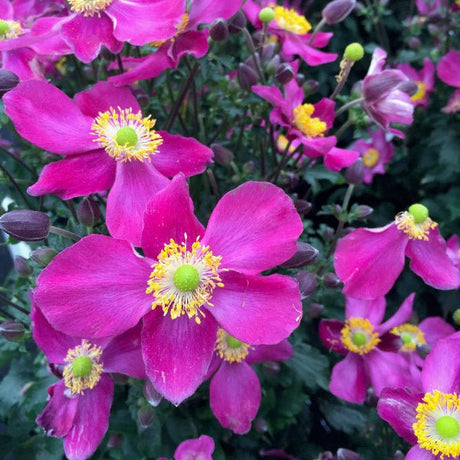
Fantasy™ Red Riding Hood Japanese Anemone
Anemone x hybrida 'Fantasy Red Riding Hood'
New arrivalRegular price $3554Unit price /Unavailable -

Curtain Call Pink Japanese Anemone
Anemone 'Curtain Call Pink'
Regular price $3543Unit price /Unavailable -

Honorine Jobert Japanese Anemone
Anemone x 'Honorine Jobert'
Regular price $3549Unit price /Unavailable


