


Swamp Milkweed Flower
Asclepias incarnata


Plant Sentry™ Protected
Your order is protected by our compliance system that:
- Prevents restricted plants from shipping to your state
- Ensures plants meet your state's agricultural requirements
- Protects gardens from invasive pests and diseases
Specifications
| Hardiness Zone | 3a to 6b |
|---|---|
| Sunlight | Full sun, Partial shade |
| Height | |
| Width | |
| Growth Rate | Moderate |
| Watering Needs | High |
| Preferred Soil | Clay, Loamy, Peaty |
| Landscape Use | Border, Slope Planting, Rain Garden |
| Growth Habit | Compact, Upright |
| Blooms In | Fall, Summer |
| Flower Color | Pink, White |
| Foliage Color | Green |
| Fragrant | Yes |
| Plant Life Cycle | Perennial |
| Native | Yes |
| Native To |
Alabama,
Arizona,
Arkansas,
Colorado,
Connecticut,
Delaware,
Florida,
Georgia,
Idaho,
Illinois,
Indiana,
Iowa,
Kansas,
Kentucky,
Louisiana,
Maine,
Maryland,
Massachusetts,
Michigan,
Minnesota,
Missouri,
Montana,
Nebraska,
Nevada,
New Hampshire,
New Jersey,
New Mexico,
New York,
North Carolina,
North Dakota,
Ohio,
Oklahoma,
Pennsylvania,
Rhode Island,
South Carolina,
South Dakota,
Tennessee,
Texas,
Utah,
Vermont,
Virginia,
Washington DC,
West Virginia,
Wisconsin,
Wyoming
+39 moreshow less* Browse only. We cannot ship live plants to Idaho or Montana. |
| Pet Safety | Toxic to pets, Toxic to horses |
| Plant Characteristics | Cold hardy, Low Maintenance, Native, Flowering, Fragrant, Deer-resistant, Wet Soils, Attracts pollinators, Attracts Butterflies, Non-invasive |
| Botanical Name | |
| Does Not Ship To | AK, HI, ID, MT, PR, VI |
Description
Showy Monarch Butterfly Host Plant, turn your plain landscape into a gorgeous habitat for butterflies! The Swamp Milkweed (Asclepias incarnata) is a native perennial that makes it easy! Milkweed's fragrant, bright pink, and white pom-pom blooms are composed of many dozens of small flowers.
You'll love the wildflower clusters in summer! Look closely to study each five-petaled true flower with its range of colors from pink to mauve into white. Smell their sweet and spicy honey-scented fragrance, too. They'll perfume your yard and boost your mood like "living aromatherapy"!
This native choice supports beneficial pollinators and butterflies with nutrient-rich nectar for several months as midsummer heats up. The garden will dance with these visitors, and every minute brings a rewarding experience for mindful watchers. Swamp Milkweed are very important host plants for Monarch caterpillars. Watch for Monarch chrysalis hanging below the undersides of the long, lance-shaped leaves.
Swamp Milkweed does take its time leafing out in spring, but once it gets going the six-inch, lance-leaf foliage will fill out your plant nicely. This native Milkweed is hardy throughout USDA growing zones 3 to 6 and grows up to 4-5 feet tall and 2-3 feet wide. There are no significant insect or disease issues with the Swamp Milkweed either! The white milky sap inside the leaves and stems is bitter and avoided by deer and rabbits, but loved by beneficial insects!
Planting and Application:
Swamp Milkweed is an attractive, herbaceous perennial that would be perfect for those difficult, low spots in your yard, as it thrives in moist conditions. You can easily incorporate this helpful plant as a lively addition to your perennial borders. Use them in planned Rain Gardens to help filter potentially polluted water runoff from roofs and streets.
This moisture-loving selection develops into a uniquely valuable "must-have '' for your Butterfly Garden! If you love butterflies, it's a great way to attract them, and Monarchs are especially fond of Milkweed. It is often planted specifically to encourage Monarchs in a region. Plant several in drifts through the center of your plantings.
Prepare to be thrilled and amazed at the amount of "flying flowers'' that you'll see working these tiny flowers over each day. Butterflies, moths, and beneficial pollinators cherish these nectar resources! Give kids and garden visitors a delightful tour through our natural world. Nature Hills is so pleased to offer this special clump-forming perennial...along with many other native wildflowers.
Milkweed contains natural compounds like cardenolides, which protect the baby caterpillars from being eaten by birds. You'll love seeing the cute black, white, and yellow caterpillars munching away on your plants!
If you grow your own food as part of an Edible Landscape, you'll definitely want to grow Swamp Milkweed near your Victory Garden to encourage pollinators to come explore your vegetables and orchards.
After the flowers have faded, Swamp Milkweed forms eye-catching four-inch pods that are a favorite of young and old alike. Once ripe, they'll split to release the brown seeds...using silky white plumes to catch the wind and reach new destinations.
These pretty blooming perennials shouldn't be considered weeds. Sticks and stones! Sure, they perform really well and can spread here and there in your yard, but you can control their self-seeding and spread by cutting off the pods before they split open. Dry them for gorgeous seasonal arrangements that last all winter long as an effective, charming method of size control!
Others encourage their growth and spend happy moments blowing their seeds to new parts of the yard. Your friends may beg you for some of the pods, too!
Wildcrafters and homesteaders can research an amazing variety of uses. In its various stages, Milkweed pods are used as a nematode insecticide, as an adhesive, and even as a poison ivy treatment.
- Bold Pink Flowers in Round Clusters
- Fragrant Blooms Last for Months!
- Excellent Host Plant for Monarch Butterfly Larvae
- Exceptional Nectar Resource
- Rugged Wildflower & Wetland Native
- Pollinator & Native Gardens, Naturalized & Prairie Plantings
#ProPlantTips for Care:
As its name implies, erect-branching perennial Swamp Milkweeds love moist, swampy conditions! They'll also adapt to well-drained areas with consistent moisture. You'll get the best performance with a planting site in full sun because Swamp Milkweed needs at least six hours of sunlight a day.
Ideally, they love a place that stays a bit damp. Why not decorate the area around your drain spout or create a Rain Garden with their help? This water lover needs a consistent schedule of water all season. Add a three-inch layer of mulch to cover the root system and reduce surface evaporation.
Please leave the stalks standing overwinter, as they provide valuable shelter, then cut down the stalks to an inch high in early spring.
- Full Sun
- Moderate to Moist Soil Conditions
- Valuable Plant Grows Almost Anywhere Well-Drained
- Very Cold Hardy!
- Deer Seldom Damage This Choice
You'll be proud to plant hardy native Swamp Milkweed plants, sourced from our native plant experts. Order this excellent addition for your landscape from Nature Hills today!
Planting & Care
Delivery and Shipping
Shipping Rates
Ships in 3-5 business days • Tracking provided • Weather protected
| Under $50 | $9.99 |
| $50 - $99.99 | $14.99 |
| $100 - $149.99 | $16.99 |
| $150 - $198.99 | $24.99 |
| $199+ | FREE |
✓ Zone-specific timing • ✓ Professional packaging • ✓ Health guarantee
Find on Page
Type to search specs, description, care, FAQ, and shipping.

The plants arrived looking very healthy. Looking forward to seeing them grow.
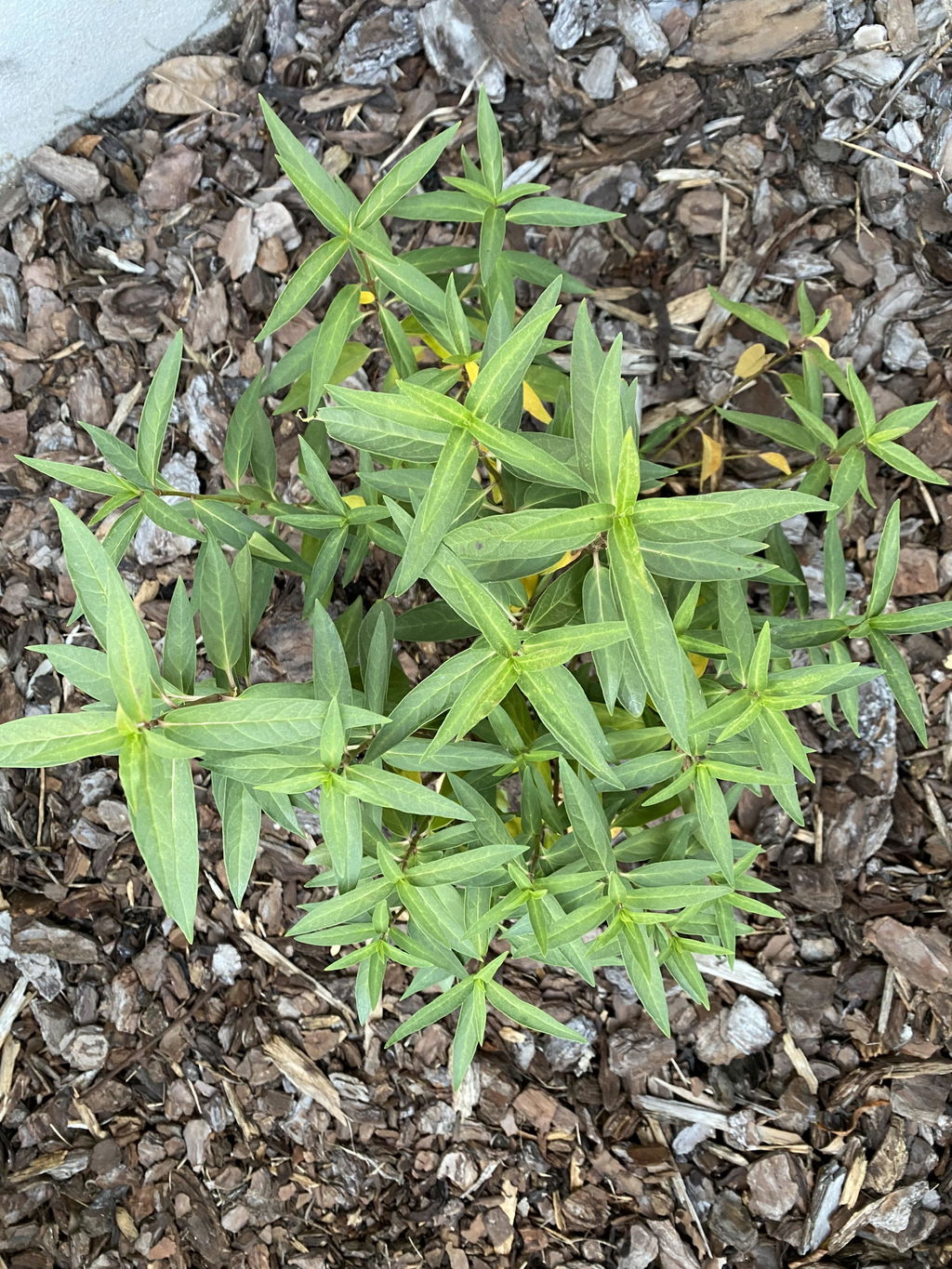
Healthy plants right out of the box is exactly how it should go. Swamp Milkweed settles in quickly once established, and if you have any monarchs in the area, they will find it. Thanks for planting it, Nancy, the Nature Hills Team
A little wilted when received but has responded and now isa healthy growing plant
Swamp milkweed can stress a bit in transit, so it's good to hear yours bounced back and is growing well. These plants tend to be resilient once they get their roots settled in the ground. Thanks for the update, Robert, and enjoy watching it fill in over the season.
Seems to be doing well with establishing in my garden
Only in ground about 2 weeks Appears healthy!!! Used root starter
Two weeks in and already looking healthy is a good sign, especially with root starter in the mix. Swamp milkweed can take a season to really hit its stride, so once it settles in you should start seeing strong growth. Thanks for growing it, the monarchs will find it.
Arrived in absolutely perfect shape! Not even wilted! She's gorgeous and perky and i cant wait for the monarchs to come visit.
My 3 pack of swamp milkweed plants arrived in great shape - undamaged and healthy, thanks in part to innovative packaging. A bit pricey, but the quality was well worth the money!
Hi Dave,
Thank you so much for taking the time to share your experience with our swamp milkweed plants! We’re thrilled to hear that they arrived healthy and undamaged—our packaging team works hard to ensure your plants travel safely. We completely understand that quality sometimes comes with a higher price, and we’re glad the care and vitality of your swamp milkweed made it well worth the investment. If you have any questions as you care for your new plants or need tips on creating the perfect environment for their growth, please don’t hesitate to reach out!
Bloom on,
The Nature Hills Plant Knowledge Team
My 3 pack of swamp milkweed plants arrived in great shape - undamaged and healthy, thanks in part to innovative packaging. A bit pricey, but the quality was well worth the money!
Hello Dave,
Thank you so much for taking the time to share your feedback! We're delighted to hear that your swamp milkweed plants arrived healthy and unharmed—our team takes great pride in crafting packaging that protects your plants during shipping. We understand that premium quality sometimes comes with a higher price, and we're thrilled to know that you feel the value matches what you received. If you ever have any questions about caring for your swamp milkweed or want tips to help them thrive, please don’t hesitate to reach out. We’re always here to support your garden’s success.
Rooting for your garden’s success,
Your Nature Hills Plant Care Team
