

Sunseekers™ Rainbow Coneflower
Echinacea 'Sunseekers Rainbow'


Plant Sentry™ Protected
Your order is protected by our compliance system that:
- Prevents restricted plants from shipping to your state
- Ensures plants meet your state's agricultural requirements
- Protects gardens from invasive pests and diseases
Specifications
| Plant Characteristics | Low Maintenance, Flowering, Deer-resistant, Drought resistant |
|---|---|
| Hardiness Zone | 3a to 8b |
| Sunlight | Full sun |
| Height | |
| Width | |
| Preferred Soil | Chalky, Clay, Loamy, Peaty, Sandy |
| Growth Rate | Moderate |
| Growth Habit | Upright |
| Plant Life Cycle | Perennial |
| Blooms In | Fall, Summer |
| Flower Color | Pink |
| Foliage Color | Green |
| Suitable Space | Outdoors |
| Plant Name | Echinacea |
| Botanical Name | |
| Species | |
| Cultivar | |
| Class | Magnoliopsida |
| Does Not Ship To | AK, HI, ID, MT, PR |
Description
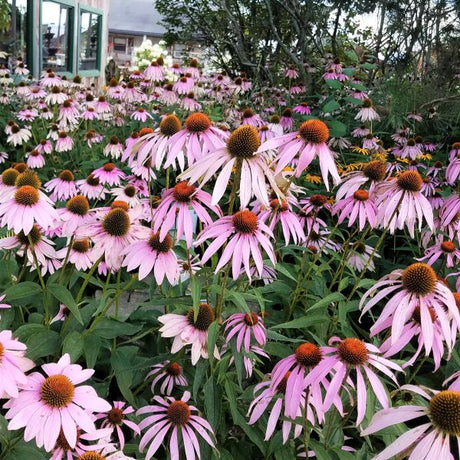
Sunseekers™ Rainbow Coneflower (Echinacea 'Sunseekers Rainbow') puts on a show unlike any other coneflower in your garden. Each bloom opens a warm coral-orange, then shifts through shades of rose, pink, and soft yellow as it matures. The result is a single plant that displays multiple colors at once, creating a watercolor effect that changes week to week throughout the summer.
Compact Size, Big Impact
This well-branched selection grows just 18-24 inches tall and wide, making it a natural fit for the front of borders, mixed containers, or small urban gardens. The sturdy stems hold flowers upright without staking, even after summer storms. Unlike some coneflower hybrids that get leggy or flop open, Sunseekers Rainbow maintains a tidy, mounded habit all season.
A Pollinator Powerhouse
Butterflies, bees, and other beneficial insects flock to the nectar-rich blooms from early summer well into fall. Leave spent flower heads standing in winter to feed goldfinches and other seed-eating birds. Despite its appeal to pollinators, deer and rabbits typically leave this plant alone thanks to its slightly rough foliage and stems.
Built for Real Gardens
Bred for improved performance, Sunseekers Rainbow tolerates heat, humidity, and drought once established. It thrives in average garden soil without pampering and returns reliably year after year. Plant it alongside ornamental grasses, black-eyed Susans, or salvia for a low-maintenance combination that delivers color from June through September.
Whether you're drawn to its ever-changing palette or its easygoing nature, Sunseekers Rainbow Coneflower earns its spot in sunny borders and pollinator gardens across zones 4-9.
Planting & Care
Delivery and Shipping
Shipping Rates
Ships in 3-5 business days • Tracking provided • Weather protected
| Under $50 | $9.99 |
| $50 - $99.99 | $14.99 |
| $100 - $149.99 | $16.99 |
| $150 - $198.99 | $24.99 |
| $199+ | FREE |
✓ Zone-specific timing • ✓ Professional packaging • ✓ Health guarantee
Find on Page
Type to search specs, description, care, FAQ, and shipping.
Other Echinacea varieties
-
Echinacea purpurea 'Magnus'
Regular price From $2961Unit price /Unavailable -

Echinacea purpurea 'Pas702917'
Regular price From $1999Unit price /Unavailable -

Echinacea purpurea 'PAS702918'
Regular price From $1999Unit price /Unavailable -

Sunseekers™ Golden Sun Coneflower
Echinacea × ‘Ifecssgold’ PP 35,962
Regular price From $1999Unit price /Unavailable -

Echinacea x 'Cheyenne Spirit'
Regular price From $1999Unit price /Unavailable


