

Starry Night Hardy Hibiscus
Hibiscus 'Starry Starry Night'


Plant Sentry™ Protected
Your order is protected by our compliance system that:
- Prevents restricted plants from shipping to your state
- Ensures plants meet your state's agricultural requirements
- Protects gardens from invasive pests and diseases
Specifications
| Plant Characteristics | Cold hardy, Fast-growing, Flowering, Clay Tolerant, Wet Soils, Heat Tolerant, Attracts pollinators, Container Friendly |
|---|---|
| Hardiness Zone | 4a to 9b |
| Sunlight | Full sun, Partial shade |
| Height | |
| Width | |
| Watering Needs | High |
| Preferred Soil | Loamy, Peaty, Sandy |
| Growth Rate | Moderate |
| Growth Habit | Upright |
| Blooms In | Fall, Summer |
| Flower Color | Pink |
| Foliage Color | Dark green, Purple |
| Suitable Space | Outdoors, Indoors |
| Plant Name | Hibiscus |
| Botanical Name | |
| Species | |
| Cultivar | |
| Class | Magnoliopsida |
| Does Not Ship To | AK, AZ, HI, ID, MT, PR |
Description
Not all stars are cold...some are actually red-hot! The Starry Night Hardy Hibiscus (Hibiscus x 'Starry Starry Night') delivers exceptional performance for your summer garden! Stellar pale-pink blooms develop from the top of the plant...all the way down to the bottom. Not all Hardy Hibiscus plants can do that, but that one trait takes a giant leap forward.
The blooms themselves are the size of dinner plates! Overlapping petals swirl open to reveal a rose-pink eye surrounding a tubular stamen. Over the long season of bloom, you'll be awestruck by the sheer floriferous nature of this improved native perennial. Beyond the bloom, the butterflies also offer a pretty display as they visit to gather nectar.
But that's not the only winning attribute of the top-rated Starry Night. After all, stars shine brightest against the dark backdrop of the night. These ethereal pink-blended blooms really "pop" against the dark purple leaves. Starry Night Hardy Hibiscus offers some of the very darkest foliage on the market...it's almost black!
The dark foliage color stays true in the hot climate of USDA Zone 9. But Starry Night is tough enough to handle the frigid winter temperatures of Zone 4. Growing into a neat and tidy 3-4 feet tall and wide upright mound, this herbaceous perennial
Planting and Application:
The upright, tight branch structure makes this superstar an incredible choice to place in large outdoor containers. Place them where you have full sun to partial shade for an eye-catching focal point. You aren't limited by small yards or land ownership either! Keep Hardy Hibiscus in containers on your balcony to rocket your Apartment Life into a new dimension!
The glorious pink blooms partner so well with just about any other flower color. Put them in a Bali-style subtropical landscape or around the pool deck with hot orange and red blooms. Add them for a deliciously dark layer in a Cottage Garden. Starry Nights embolden a mix of pastels and jewel-toned plants in a mixed perennial border.
Place them in front of larger Ornamental Grasses for an effective contrast around your entertainment area. Savor the long days spent outside with family and friends! Hummingbirds and Butterflies visit the blooms, too!
Use these as a draw to bring pollinators to your "Second Season" of planting in your annual Victory Garden. They make an exceptional low-growing flowering hedge to hide some of the more utilitarian aspects of growing vegetables. Plant them 30 inches apart for a solid screen that dazzles the eye!
Rain Gardens are another chance to make the most of the power of these plants due to their tolerance of moist soil. Use several in a mass planting on the berm to help control erosion and filter water runoff. Coastal gardeners won't need to worry either, and these salt-tolerant perennials thrive along salted streets or sidewalks too!
Of course, you can give this desirable plant as a gift! Beginners love them for their ease of care, and experienced gardeners can't get enough of the unique colorway. The maple-shaped leaves look beautiful, even when Starry Night Hardy Hibiscus isn't in bloom. They'll add an atmospheric visual impact to your borders, beds, and containers!
- Pale Pink Blooms 8- Inches Across
- Features Dark Red Eye & Dark Pink Veining
- Starts Blooming in Midsummer - Lasts Through Fall!
- Incredibly Dark Foliage & Compact, Upright Shape
- Long-Lasting Nectar for Pollinators & Hummingbirds
- Low Hedges, Specimens, Containers & Mass Plantings
#ProPlantTips for Care:
Provide full sun or partial shade for your Hardy Hibiscus. They'll flower best with more sun, but perform in at least four hours of sunlight. If possible, plant them in well-drained soil that quickly dries out after rainfall. Luckily, thank your Starry Night for their adaptability to occasionally wet and dry soils. Consistent watering will keep your plant stress-free. Apply a 3-4 inch layer of mulch over the top of the roots...pulling them back away from the roots.
As flowers are done, remove them for a more manicured look, then in early spring, trim down all the stems to the ground. Watch for the new growth to come up from the roots. Please be patient, as they are one of the last plants to start growing in spring.
- Full Sun & Partial Shade
- Widely Adaptable Moisture Needs
- Well-Drained Soil
- Deadhead After Flowers Fade
- Dies To The Ground Each Winter - Prune Early Spring
- Carefree Perennial - Very Cold-Hardy & Heat-Tolerant
How many stars are in the Milky Way? Not as many as there are flowers on a Starry Night Hardy Hibiscus! Starry Night Hardy Hibiscus is in fierce demand all across the country so order yours today at Nature Hills Nursery!
Planting & Care
Delivery and Shipping
Shipping Rates
Ships in 3-5 business days • Tracking provided • Weather protected
| Under $50 | $9.99 |
| $50 - $99.99 | $14.99 |
| $100 - $149.99 | $16.99 |
| $150 - $198.99 | $24.99 |
| $199+ | FREE |
✓ Zone-specific timing • ✓ Professional packaging • ✓ Health guarantee
Find on Page
Type to search specs, description, care, FAQ, and shipping.
Other Hibiscus varieties
-

SUMMERIFIC® Cherry Choco Latte Hardy Hibiscus
Hibiscus moscheutos 'Cherry Choco Latte'
Regular price From $4161Unit price /Unavailable -

Midnight Marvel Hardy Hibiscus
Hibiscus moscheutos 'Midnight Marvel'
Regular price From $5247Unit price /Unavailable -

Hibiscus syriacus 'Antong Two'
Regular price From $7293Unit price /Unavailable -

Hibiscus syriacus 'Notwoodthree'
Regular price From $8458Unit price /Unavailable -

Hibiscus syriacus 'White Chiffon'
Regular price From $4396Unit price /Unavailable -

Hibiscus syriacus 'Gandini Santiago'
Regular price From $4396Unit price /Unavailable -

Summerific® Valentine's Crush Hardy Hibiscus
Hibiscus x 'Valentine's Crush' PP35170
Regular price $5244Unit price /Unavailable -

Hibiscus syriacus 'Lil' Kim Red'
Regular price From $4396Unit price /Unavailable


The plant was well prepared and packaged for mailing.
It was very healthy looking and is growing well since
Planted. I’m excited to see it bloom!
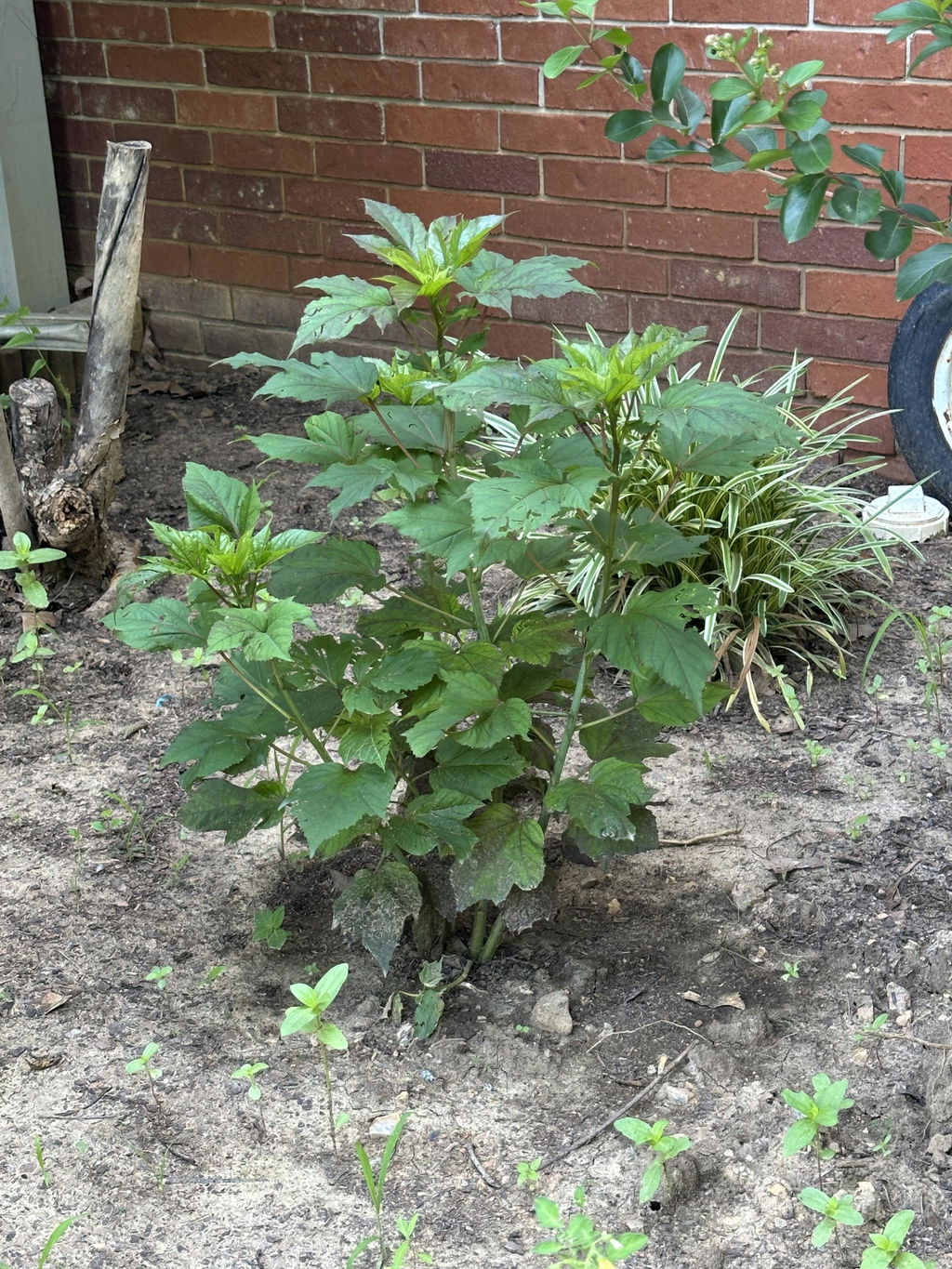
Hardy hibiscus are such a rewarding wait. The foliage comes in strong and then those big blooms just show up and deliver. Glad the plant arrived in good shape and is settling in well for you. It should put on quite a show once it hits its stride.
My wife and I were a little hesitant ordering plants through the mail. The Hibiscus arrived on time and in great shape. We planted it the next day in front of our house, it is doing great, can't wait to see the beautiful flowers. Thanks.
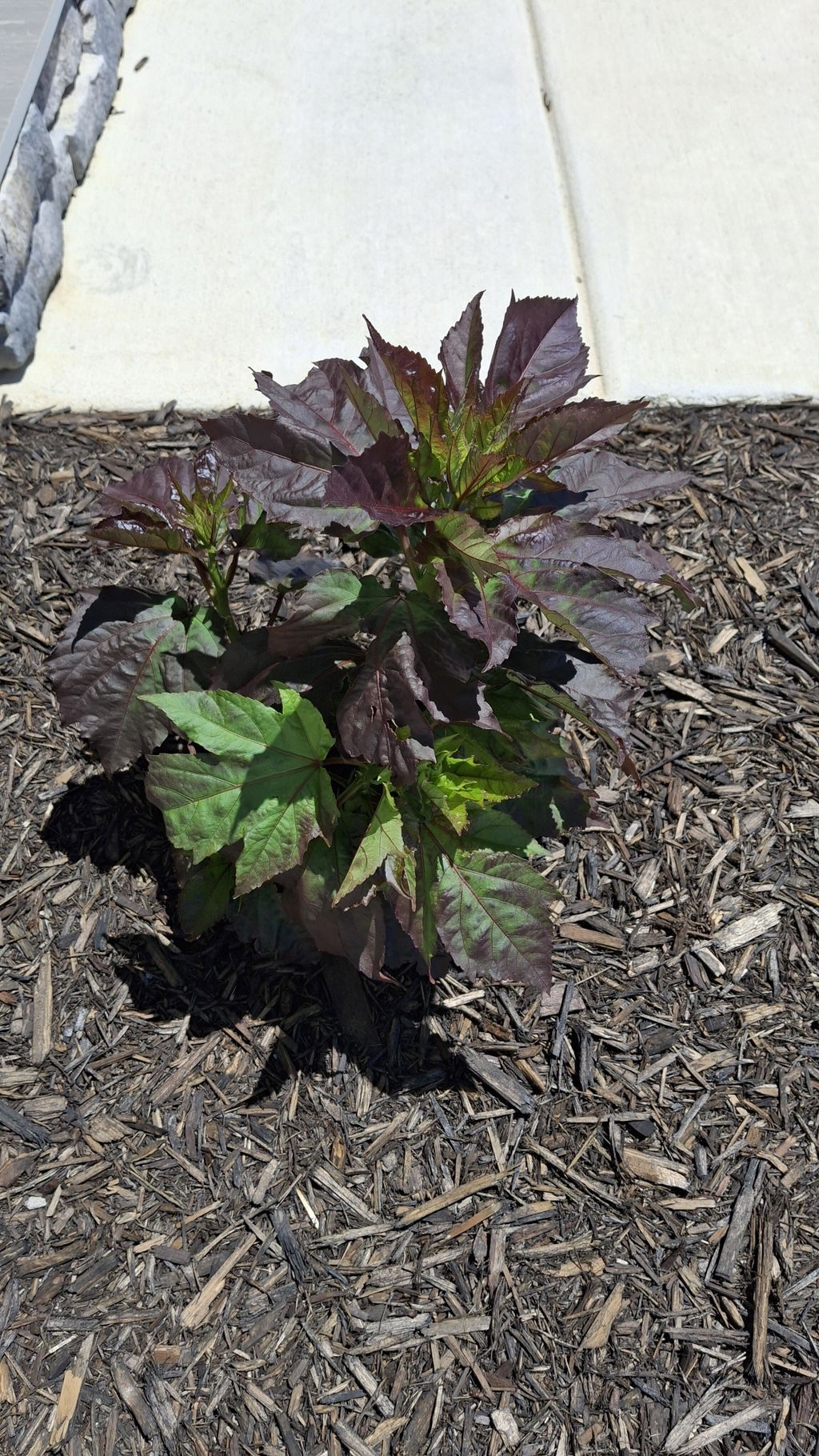
Hardy hibiscus are real showstoppers once they settle in, and Starry Night is especially worth the wait. It sounds like yours got off to a solid start, which is the most important part. One tip: hibiscus can be slow to break dormancy in spring, so don't give up on it if it's quiet for a while. Thanks to you and your wife for giving mail-order a shot.
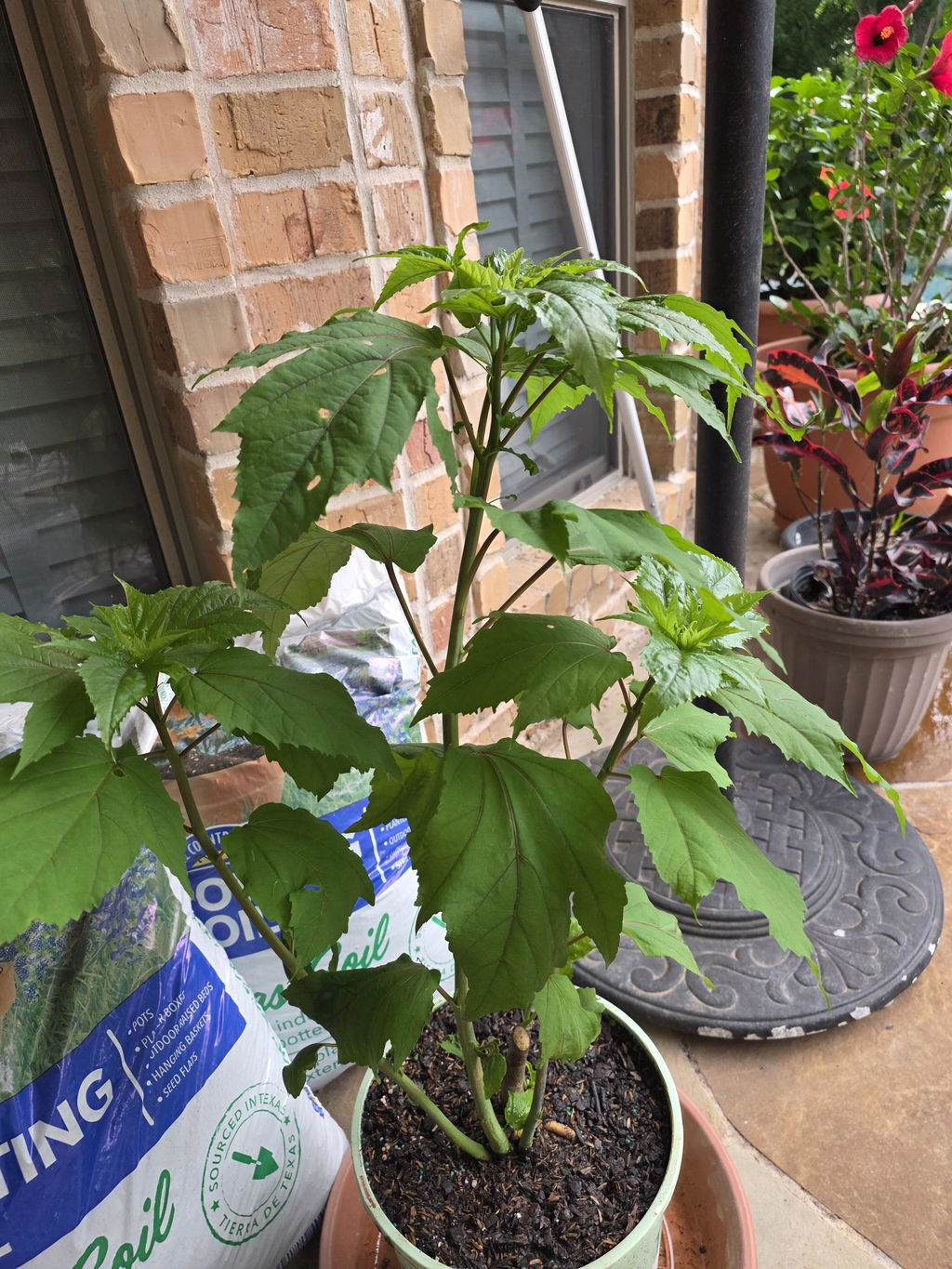
The hibiscus arrived with several branches broken off of it. Mind you it is not a large plant to begin with so those broken branches make a difference in the plants appearance. Not sure how the branches were broken because it seemed to be packaged well enough. From the size, I won’t likely see flowers for quite awhile.
It came as a stump with a root ball and zero change as of now
Delivered in excellent condition.
Hi Robert, Thank you for your glowing review! We are happy to hear that your Starry Night Hardy Hibiscus arrived in excellent condition. Be sure to send us some photos of those gorgeous blooms! Thank you - Nature Hills Customer Support
I bought this little plant in May. I’m was healthy but tiny. Now it is over four feet tall with hundreds of buds. I love it so much. Thank you
Dear Candice,
Thank you so much for sharing your experience with your Starry Starry Night Hibiscus! We’re thrilled to hear how wonderfully it has grown—from a tiny plant to a towering beauty with hundreds of buds. It truly sounds like it’s flourishing under your care, and your delight warms our hearts.
If you ever have questions about caring for it further—whether it’s pruning tips, ideal watering schedules, or enhancing bloom cycles—please don’t hesitate to reach out. We’re always here to support your gardening journey.
Wishing you happy planting,
The Nature Hills Plant Experts
I bought this little plant in May. I’m was healthy but tiny. Now it is over four feet tall with hundreds of buds. I love it so much. Thank you
Dear Candice,
Thank you so much for sharing your wonderful update about your starry starry night hibiscus! We’re thrilled to hear that your little plant has flourished into such a beautiful, tall specimen with so many buds—what a rewarding experience! It sounds like you’ve given it the perfect environment and care to bloom so admirably.
If you ever want tips on maintaining your hibiscus as it grows or need suggestions on next steps to enhance its blooming even further, we’re always here to help. Meanwhile, enjoy every stunning blossom and those dreamy starry nights you’ll have with it in your garden.
Bloom on,
The Nature Hills Plant Knowledge Team
