

Rose of Sharon (Mixed)
Hibiscus syriacus
This one's sold out. These are ready to ship
Other Hibiscus varieties
-

Starblast Chiffon® Rose of Sharon
Hibiscus syriacus 'Starblast Chiffon'
Regular price From $8458Unit price /Unavailable -
-

Hibiscus rosa-sinensis 'Hot Shot'
Regular price $7509Unit price /Unavailable -

Hollywood™ Hibiscus Chatty Cathy™
Hibiscus rosa-sinensis 'Chatty Cathy'
Regular price From $7509Unit price /Unavailable


Plant Sentry™ Protected
Your order is protected by our compliance system that:
- Prevents restricted plants from shipping to your state
- Ensures plants meet your state's agricultural requirements
- Protects gardens from invasive pests and diseases
Specifications
| Hardiness Zone | 5a to 8b |
|---|---|
| Sunlight | Full sun, Partial shade |
| Height | |
| Width | |
| Growth Rate | Fast |
| Landscape Use | Hedge & Privacy, Foundation, Mass Planting |
| Blooms In | Fall, Summer |
| Flower Color | Multicolor |
| Pet Safety | Non-toxic to pets, Non-toxic to horses |
| Plant Characteristics | Cold hardy, Low Maintenance, Flowering, Deer-resistant, Heat Tolerant, Drought resistant, Attracts Hummingbirds, Attracts pollinators, Container Friendly, Fast-growing |
| Botanical Name | |
| Does Not Ship To | AK, HI, ID, MT, PR, VI |
Description
When most flowering shrubs have called it quits for the season, Rose of Sharon keeps the show going. This easy-care deciduous shrub, known botanically as Hibiscus syriacus, delivers tropical-looking blooms from late summer straight through fall when your garden needs color most. Sometimes called Shrub Althea or Hardy Hibiscus, Rose of Sharon brings the exotic appeal of its tropical cousins with none of the fussiness, thriving in both steamy southern summers and cold northern winters.
A Rainbow of Late Season Color
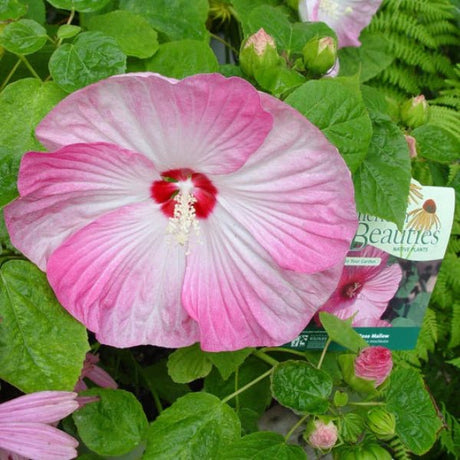
Our mixed collection showcases the incredible color range of Rose of Sharon in a single planting. Each 2 to 3 inch flower features five delicate petals arranged around a prominent central column of stamens, creating the classic hibiscus silhouette. Colors span the spectrum from pure white and soft pink to vibrant purple, deep red, and true blue, often with contrasting throats in burgundy or wine shades. Some flowers arrive in single forms with clean, simple lines that butterflies and hummingbirds prefer, while others show off semi-double or fully double blooms with layers of ruffled petals. Individual flowers last just a day, but the shrub produces them in such abundance that you'll never notice, with fresh blooms opening continuously for months.
Garden Performance Through the Seasons
Rose of Sharon enters spring fashionably late. Don't panic when other shrubs leaf out and yours still looks dormant. This habit actually protects it from late frosts. Once warm weather arrives, the plant puts on rapid growth, adding 1 to 2 feet per year until it reaches its mature height of 8 to 12 feet with a 6 to 10 foot spread. The medium green leaves create a dense backdrop by midsummer, just in time to showcase the first flowers. The upright, vase-shaped form works beautifully as a specimen plant, privacy screen, or flowering hedge. In fall, leaves drop cleanly to reveal the sculptural branching pattern that provides subtle winter interest.
Low Maintenance, High Impact
This is a shrub for busy gardeners. Rose of Sharon tolerates heat, humidity, drought, poor soil, and even urban air pollution without complaint. Deer and rabbits leave it alone. Once established, it rarely needs watering except during severe drought. It's not particular about soil pH or fertility and actually performs better in average garden soil than in heavily enriched beds. The biggest maintenance task is managing self-seeding if your plants produce viable seeds. Modern low-seed varieties are available, but you can also simply deadhead spent blooms or pull up unwanted seedlings in spring.
Attracting Wildlife When It Matters Most
Late summer and fall present a challenging time for pollinators as many nectar sources dwindle. Rose of Sharon fills this gap beautifully. Butterflies, including swallowtails and monarchs, work the flowers throughout the day. Hummingbirds make regular visits, especially to single-flowered forms where nectar is easier to access. Native bees appreciate the pollen. This late-season buffet makes Rose of Sharon an essential part of any pollinator garden.
Versatile Landscape Uses
The upright habit and reliable bloom season make Rose of Sharon incredibly useful in the landscape. Plant a row spaced 6 to 8 feet apart for a flowering hedge that doesn't require constant shearing. Use it as a tall backdrop in mixed borders where its late flowers complement fall-blooming perennials like asters and sedums. Single specimens make dramatic focal points near patios or in foundation plantings where the summer-to-fall bloom extends your enjoyment of outdoor spaces. The tolerance for urban conditions makes it an excellent choice for city gardens where other flowering shrubs struggle.
Rose of Sharon brings color, easy care, and pollinator value to gardens across a wide climate range. This mixed collection gives you the excitement of discovering which colors you'll get, creating a cottage garden feel that's both relaxed and abundant. Plant it where you need late-season flowers and minimal fuss, and this reliable performer will reward you for decades.
Planting & Care
Delivery and Shipping
Shipping Rates
Ships in 3-5 business days • Tracking provided • Weather protected
| Under $50 | $9.99 |
| $50 - $99.99 | $14.99 |
| $100 - $149.99 | $16.99 |
| $150 - $198.99 | $24.99 |
| $199+ | FREE |
✓ Zone-specific timing • ✓ Professional packaging • ✓ Health guarantee
Find on Page
Type to search specs, description, care, FAQ, and shipping.

