


Midnight Rose Coral Bells
Heuchera 'Midnight Rose'


Plant Sentry™ Protected
Your order is protected by our compliance system that:
- Prevents restricted plants from shipping to your state
- Ensures plants meet your state's agricultural requirements
- Protects gardens from invasive pests and diseases
Specifications
| Plant Characteristics | Cold hardy, Low Maintenance, Compact/Dwarf, Flowering, Attracts pollinators, Attracts Hummingbirds, Container Friendly, Heat Tolerant, Drought resistant, Groundcover |
|---|---|
| Hardiness Zone | 3a to 9b |
| Sunlight | Full sun, Partial shade |
| Height | |
| Width | |
| Watering Needs | Moderate |
| Preferred Soil | Peaty |
| Growth Rate | Moderate |
| Growth Habit | Compact |
| Plant Life Cycle | Perennial |
| Blooms In | Spring |
| Flower Color | White |
| Foliage Color | Green, Variegated |
| Fragrant | Yes |
| Suitable Space | Indoors, Outdoors |
| Botanical Name | |
| Species | |
| Cultivar | |
| Class | Saxifragales |
| Does Not Ship To | AK, HI, ID, MT, PR |
Description
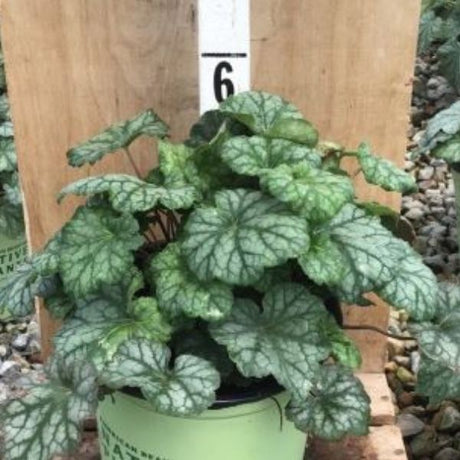
Midnight Rose Coral Bells, (Heuchera 'Midnight Rose'), has burnished black leaves that are speckled with hot pink in the spring. As the season progresses, the spots turn cream and green and the foliage becomes lighter. The toothy leaves have prominent veins and can remain semi to fully evergreen in mild winters for 3-4 seasons of color!
For additional color, Midnight Rose releases tall shoots of tiny pink flowers during the summer months. These spring blossoms attract beneficial pollinators and butterflies, so you'll be glad you planted a few extras for them! Even Hummingbirds will arrive to sip the nectar! Plus these graceful bell-shaped blooms are lovely in floral bouquets! These graceful flowers last all summer through fall. However, Coral Bells are not known for their flowers, but for their foliage!
Also known as Alumroot, easy-to-grow Heuchera holds its color throughout the summer heat and humidity, right until frost. If you live in a warmer climate, you might just see your Coral Bells maintain their foliage through the winter too! Heat and cold-hardy throughout USDA growing zones 4 to 9 and grow to a spreading mound 10-16 inches in height and 20-24 inches in width.
Planting and Application:
Midnight Rose looks especially good around the edge of borders, woodland edges, rock gardens, perennial borders, or in mass to form an attractive groundcover! The space-saving, spreading color lights up any area! Midnight Rose looks excellent in partly shaded garden borders, under trees, and even mixed into ornamental containers on shady patios. This Heuchera is also a fantastic spiller in container gardening and Balcony gardens too!
The speckled red-black foliage looks fantastic with plants that have red leaves and blooms, with variegated plants, among plants with dark foliage! Create the opposite of a moon garden by filling the landscape with these brilliant yet brooding foliage plants! Midnight Rose adds a bit of flavor to any Rock Garden and perennial garden with its texture, vigor, and vibrant color. Attracting butterflies and hummingbirds, Midnight Rose will surely become a must-have plant and looks fantastic with other Coral Bells!
- Black Leaves Turn Red
- Color Changing Speckles on Foliage
- Tons of Tiny Pink Flowers on Tall Slender Stems
- Pollinators & Lovely Cut Flower Filler
- Mounding Spreading Perennial
- Containers & Specimen, Great Groundcover En Masse
#ProPlantTips for Care:
Midnight Rose performs best in part shade, rich, humusy, medium moisture, and well-drained soil. In cooler climates, Heuchera can grow in full sun. Make sure the soil remains consistently moist or the foliage might decline. These Perennials also thrive in dry shade, once established. Cold and drought tolerant and withstanding heat and humidity, nothing seems to faze this plant. But to keep Midnight Rose looking its best, be sure to water in hot, dry weather, giving the plant about one inch of water per week.
In any situation, add a 3-4 inch thick layer of mulch to hold in moisture and keep the roots cool. Deadhead after the flowers fade and prune down the foliage in the early spring. Then every 3-5 years, divide clumps in the fall to keep the clumps growing vigorously.
- Morning Sun, Part Shade or Full Shade
- Adaptable to a Variety of Well-Drained Soils & Conditions
- Herbaceous Perennial - Semi-Evergreen in Warm Winters
- Prune Back in Early Spring
- Drought & Juglone Resistant
- Easy to Care For & Urban Environment Tolerant
- Cold, Drought, Heat & Humidity Tolerant
The dramatic speckles and dark foliage of Midnight Rose Coral Bells add an enticing new layer to your shade gardens! Add this attractive plant to your garden from our experts at Nature Hills!
Planting & Care
Delivery and Shipping
Shipping Rates
Ships in 3-5 business days • Tracking provided • Weather protected
| Under $50 | $9.99 |
| $50 - $99.99 | $14.99 |
| $100 - $149.99 | $16.99 |
| $150 - $198.99 | $24.99 |
| $199+ | FREE |
✓ Zone-specific timing • ✓ Professional packaging • ✓ Health guarantee
Find on Page
Type to search specs, description, care, FAQ, and shipping.
Other varieties
-

Heuchera micrantha 'Palace Purple'
Regular price From $1999Unit price /Unavailable -

Primo® Black Pearl Coral Bells
Heuchera x 'Black Pearl'
Regular price From $1999Unit price /Unavailable -

-

-

Northern Exposure™ Sienna Coral Bells
Heuchera x 'TNHEUNESI'
Regular price $4386Unit price /Unavailable -

-
-


