

Calgary Boxwood
Buxus x 'Calgary'
This one's sold out. These are ready to ship
Other Boxwood varieties
-
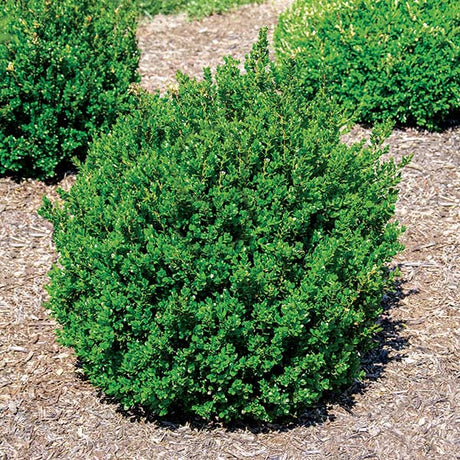
Buxus microphylla 'Little Missy'
Regular price From $7692Unit price /Unavailable -

-

-

Buxus x 'Cranberry Creek'
Regular price From $11888Unit price /Unavailable -

-

-
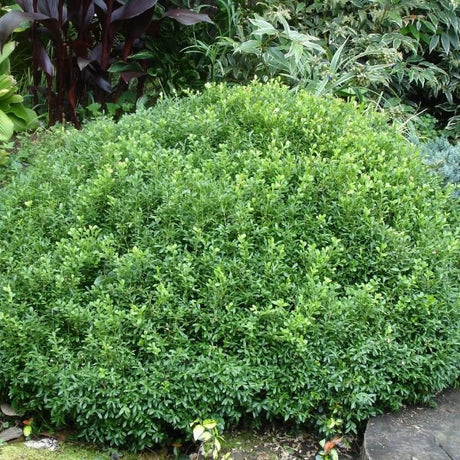
Buxus sinica var. insularis ‘RLH-BI’ PP 24,443
New arrivalRegular price From $9391Unit price /Unavailable -

Buxus microphylla var. japonica 'Winter Gem'
Regular price From $2489Unit price /Unavailable


Plants similar to Calgary Boxwood
-

Thuja occidentalis 'MR. BOWLING BALL'
Regular price $7709Unit price /Unavailable -

Ilex glabra 'ILEXFARROWTRACEY'
Regular price From $8741Unit price /Unavailable -

Thuja occidentalis 'SMNTOBAB' USPP30,761, Can PBRAF
Regular price From $7326Unit price /Unavailable -

Thuja occidentalis 'Hetz Midget'
Regular price $9324Unit price /Unavailable -

-

-

-


Plant Sentry™ Protected
Your order is protected by our compliance system that:
- Prevents restricted plants from shipping to your state
- Ensures plants meet your state's agricultural requirements
- Protects gardens from invasive pests and diseases
Specifications
| Plant Characteristics | Attracts pollinators, Cold hardy, Compact/Dwarf, Container Friendly, Deer-resistant, Evergreen, Fragrant, Full Sun, Hedge/Screen, Low Maintenance, Non-invasive, Rabbit Resistant, Shade Tolerant |
|---|---|
| Hardiness Zone | 5a to 9b |
| Sunlight | Full sun, Partial shade |
| Height | |
| Width | |
| Watering Needs | Moderate |
| Preferred Soil | Clay, Loamy, Sandy |
| Growth Rate | Moderate |
| Growth Habit | Bushy, Upright |
| Blooms In | Spring |
| Flower Color | White |
| Foliage Color | Green |
| Fragrant | Yes |
| Pet Safety | Toxic to pets, Toxic to horses |
| Suitable Space | Outdoors |
| Plant Name | Boxwood |
| Botanical Name | |
| Cultivar | |
| Class | Magnoliopsida |
| Does Not Ship To | AK, HI, ID, MT, PR |
Description
Calgary Boxwood: Compact Evergreen For Year-Round Beauty
Looking for a low-maintenance evergreen with a year-round appeal? The Calgary Boxwood (Buxus x 'Calgary') is a hardy, compact shrub perfect for hedges, borders, and container plantings.
Its dense, glossy broadleaf green foliage stays vibrant through every season, bringing structure and elegance to any landscape! The small, oval leaves are held densely along the upright branches from top to bottom.
Why Choose Calgary Boxwood?
Rely on broadleaf evergreen Calgary Boxwood to create a year-long structure in your sunny areas. You'll love the easy formality that works beautifully in many garden styles.
- Year-Round Evergreen: Stays lush and green in every season, even during winter.
- Compact Size: Grows 2–3 feet tall and wide, making it perfect for small gardens and tight spaces.
- Cold Hardy: Thrives in USDA Zones 4–9, tolerating harsh winters better than other boxwood varieties.
- Versatile: Ideal for hedges, borders, accent plantings, and containers.
- Low Maintenance: Naturally dense and rounded, requiring minimal pruning.
Best Uses For Calgary Boxwood
Construction of a tall building starts with the foundation, scaffolding, and framing. These same principles hold true in a great landscape design! The Calgary Boxwood is a fantastic small shrub that easily lends a formal air to your space!
- Hedges & Borders: Create tidy, low-maintenance borders along pathways, driveways, or garden beds. For a wonderfully high-end look, fill garden beds with a series of Boxwood hedges in a geometric planting pattern. Or, create a low hedge to define your space.
- Foundation Plantings: Add year-round greenery around your home's base.
- Containers: Perfect for patios, porches, or framing entryways. You'll never grow tired of these pretty container "Thrillers".
- Accent Plant: Use as a standalone specimen or in mixed borders for structure and texture. Try the "full and fluffy" natural look and see how many compliments you get.
- Winter Interest: Retains its vibrant green foliage for a striking winter landscape.
Boxwood Care & Maintenance
Planting:
- Choose a site with full sun to partial shade.
- Use well-drained soil; amend with organic matter if needed.
- Space plants 2–3 feet apart for seamless hedges.
Care:
- Water regularly during the first growing season to establish roots. Ensure that your shrubs receive adequate water in late fall. Moisture in their leaves will protect your evergreens against drying winter winds and windburn.
- Fertilize in early spring with a balanced fertilizer.
- Prune or shear lightly in late winter or early spring to shape and remove dead or damaged growth. These are naturally dwarfed shrubs that will remain small. They can be easily sheared into tight, upright ovals.
- Mulch around the base to retain moisture and regulate soil temperature.
Hardy & Versatile Greenery!
The Calgary Boxwood is a versatile, hardy shrub that delivers year-round beauty with minimal effort. Whether you need a polished hedge or a compact accent plant, Calgary Boxwood is the perfect choice for cold climates and beyond.
Order your Calgary Boxwood from Nature Hills Nursery today and enjoy its timeless elegance in your landscape!
Planting & Care
Delivery and Shipping
Shipping Rates
Ships in 3-5 business days • Tracking provided • Weather protected
| Under $50 | $9.99 |
| $50 - $99.99 | $14.99 |
| $100 - $149.99 | $16.99 |
| $150 - $198.99 | $24.99 |
| $199+ | FREE |
✓ Zone-specific timing • ✓ Professional packaging • ✓ Health guarantee
Find on Page
Type to search specs, description, care, FAQ, and shipping.

