

Flowering Trees

Redbud Trees

Unique Trees

Shade Trees

Oak Trees

Nut Trees

Cypress Trees

Evergreen Trees

Columnar Trees

Privacy Trees

Ginkgo Trees

Maple Tree

Banana Trees

Crabapple Trees

Pawpaw Trees

Magnolia Trees

Pine Trees

Spruce Trees

Birch Trees

Chaste Trees

Wisteria Trees

Cedar Trees

Poplar Trees

Buckeye Trees
-
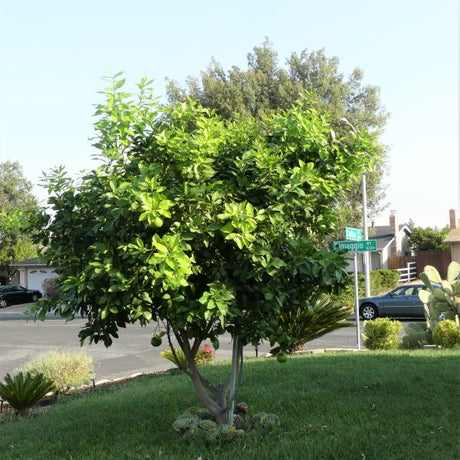
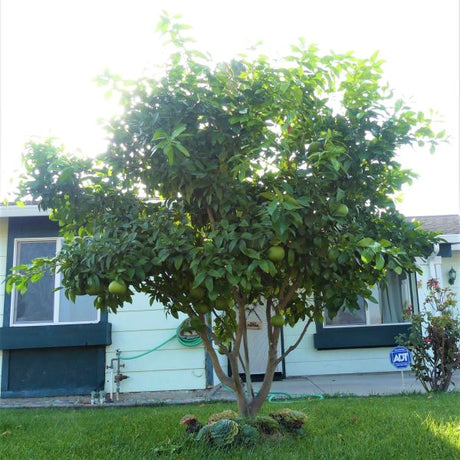
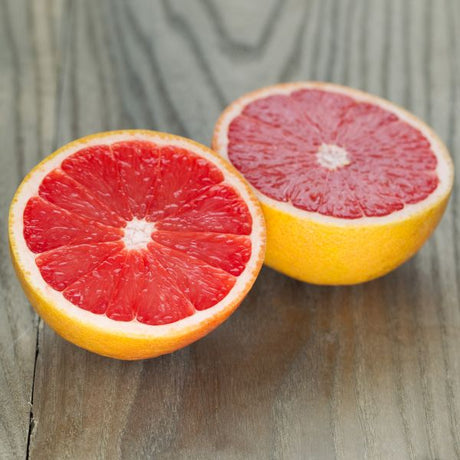
Citrus paradisi 'Ruby Red'
Sold outRegular price From $8966Unit price /Unavailable -
-
Robinia pseudoacacia 'Purple Robe'
Sold outRegular price $15970Unit price /Unavailable -
-
Prunus cerasifera 'Newport'
PreorderRegular price $10260Unit price /Unavailable -
-
-
-
Cupressus sempervirens 'Glauca'
Sold outUp to 17% offSale price From $4833 Regular price $5846Unit price /Unavailable -
-
-
-

-
-
-
x Cupressocyparis leylandii
Sold outRegular price From $6480Unit price /Unavailable -
-
Magnolia grandiflora 'Green Giant'
Sold outRegular price From $7502Unit price /Unavailable -
-
Wisteria frutescens 'Amethyst Falls'
Sold outRegular price From $5992Unit price /Unavailable -
-
-
-
-
-

Morus alba 'Fruitless'
Sold outRegular price From $9983Unit price /Unavailable -

Betula nigra 'BNMTF'
Sold outUp to 16% offRegular price From $6488Unit price /Unavailable -
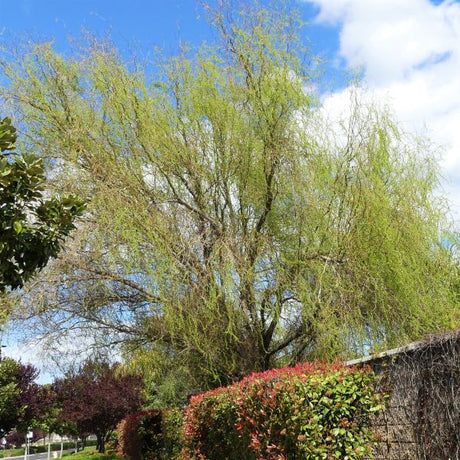
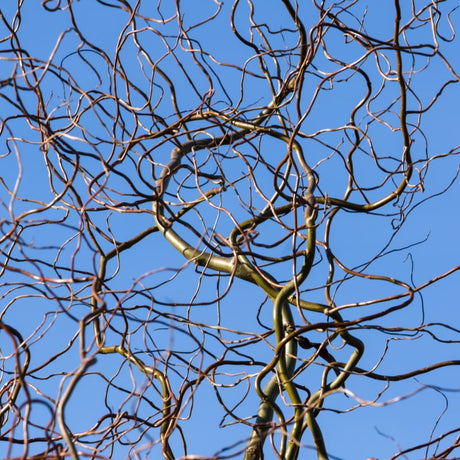
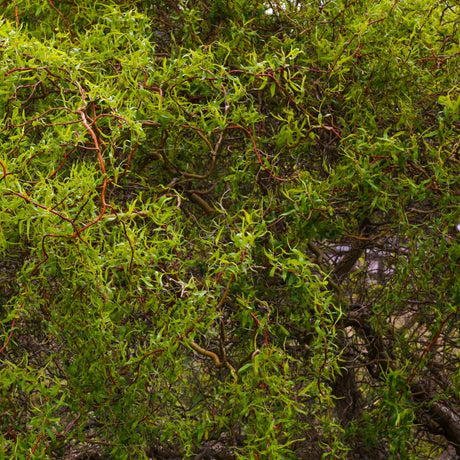
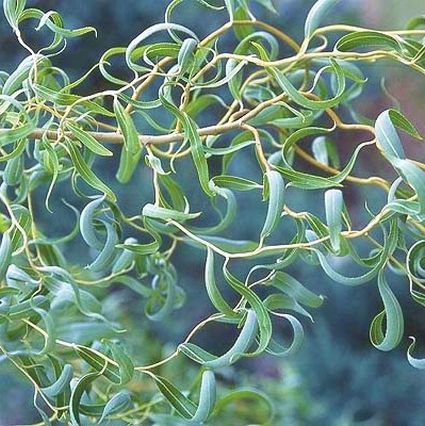
Salix matsudana 'Tortuosa'
Sold outRegular price From $4493Unit price /Unavailable -
-
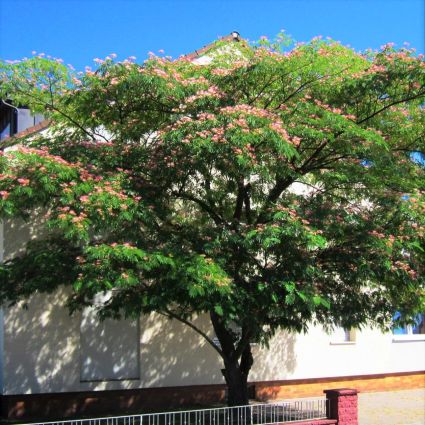
Albizia julibrissin 'Ernest Wilson'
Sold outRegular price From $6178Unit price /Unavailable -
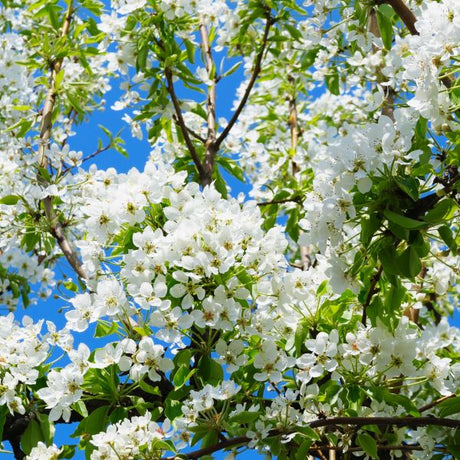
Pyrus calleryana 'Cleveland Select'
Sold outRegular price From $6475Unit price /Unavailable -
-
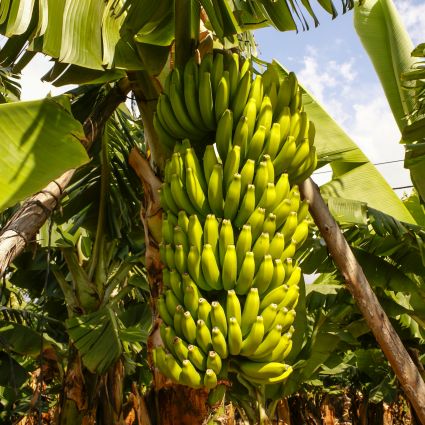
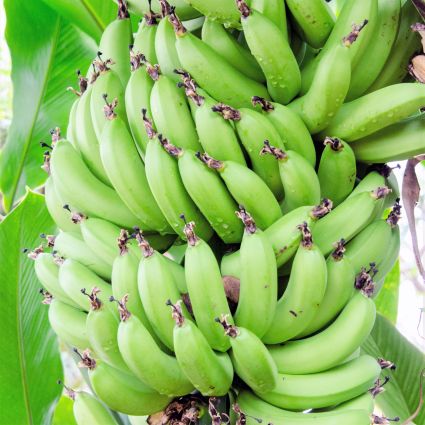
Musa acuminata 'Dwarf Cavendish'
Sold outRegular price $12976Unit price /Unavailable -
-
-
-
Adirondack Flowering Crabapple Tree
Malus 'Adirondack'
Sold outRegular price $000Unit price /Unavailable -
-
-
-

Ulmus davidiana var. japonica 'Morton'
Sold out9% offSale price $13547 Regular price $14931Unit price /Unavailable -
-
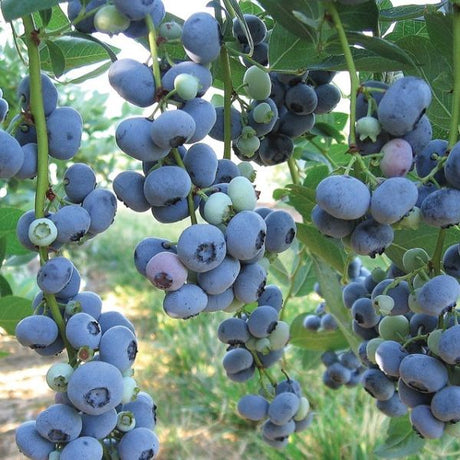
Vaccinium corymbosum `Liberty'
Sold outUp to 9% offSale price From $4040 Regular price $4457Unit price /Unavailable -

Ulmus americana 'Jefferson'
Sold outRegular price $15024Unit price /Unavailable -
Ulmus x 'New Horizon'
Sold out19% offSale price $13413 Regular price $16472Unit price /Unavailable -
-
-
-
Ulmus americana 'St Croix'
Sold outRegular price $000Unit price /Unavailable -
-
-














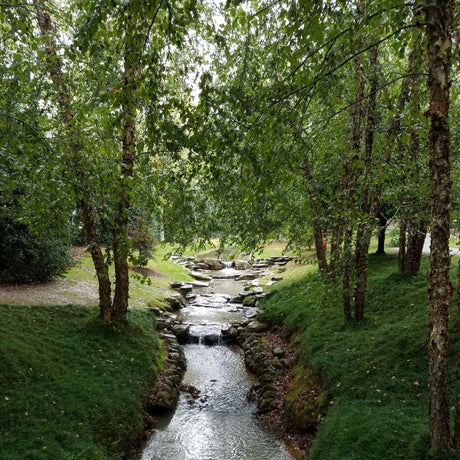


Trees
Trees for Sale at Nature Hills Nursery
What would this world be without the grace of trees? From the stately native eastern white pine to the majestic golden fall color of Autumn Gold ginkgo, trees help make the world go round. We're proud to help you enjoy their value and beauty with a wide range of trees for sale right here at Nature Hills Nursery.
We started as an online conifer nursery in 2001. Since then, we've grown, sold and shipped veritable forests across the United States.
We take this incredible responsibility seriously. NatureHills.com was the first online nursery to sign up with Plant Sentry™, an online shipping tool to protect local ecosystems.
We rely on Plant Sentry to block the shipment of regulated plant material. Some woody plants perform "too well" in certain areas, so we've done the right thing to support all federal and state plant regulations.
Selection and Care Tips for Your Trees
Today's evergreens and flowering plants offer richer color, cold hardiness, drought tolerance, reduced seed set, and bigger, better blooms. After all, modern plant scientists understand what today’s property owner is looking for.
Plants have a preference for optimal temperature, sunlight, climate and soil type. Study your landscape to Grow Healthy Plants >>
No matter where you live in the continental United States, we have varieties of trees for sale that thrive in your USDA Plant Hardiness Growing Zone.
Beautiful Flowering Ornamental Trees
Turn your landscape into a paradise with a lovely small tree. Choose your favorite flowering tree as an anchor for your patio planting bed or foundation planting, too.
Add nectar-rich flowers with our Blue Chinese Wisteria and fabulous selection of Crape Myrtles. Native Flowering Dogwood and White Fringe trees are an exceptional resource for butterflies and songbirds in your neighborhood.
Gardeners in warm winter temperate regions can enliven their plantings with clear blue Chaste trees. Don't forget about our cute Strawberry trees with their blooms, fruit, and rich cinnabar bark.
Gift the people in your world an outstanding spring flower display with a Flowering Cherry Blossoms. Use a single specimen, or start an incredible collection in your space.
Get spring blooms and fall fruit with Flowering Crabapples. Our modern cultivars are brimming with health and ornamental appeal. You can even harvest the fruit for homemade jellies and jams.
Shop the most beautiful trees for sale at NatureHills.com >>
For a very special focal point, don't forget about weeping plant forms. Lavender Twist Weeping Redbud trees and White Snow Fountains Weeping Cherry trees draw all eyes as a lyrical specimen.
Foliage is another way to add visual impact. The dark-colored foliage of Flowering Plum trees makes a showy splash all season-long — well beyond the incredible blooms.
Use Japanese Maple trees to jazz up a courtyard. Can you imagine anything prettier than their finely dissected leaves reflected in a water feature?
Fast-Growing Trees: Large Shade Trees
Tall trees add shade and depth to your landscape. Plant trees on the south or southwest side of your property to save on cooling costs, and they'll grow into a valuable asset for you.
Shop all Shade Trees for Sale >>
If you need shade fast, try our Royal Empress hardwood tree in purple or white flowers. Willow Hybrid also grows an astonishing 6 to 12 feet a year.
Maples — like Autumn Blaze Maple and Summer Red Maple — offer excellent shade and outstanding fall color. Our tree nursery brings new cultivars online all the time; these popular trees prove their worth day in and day out.
Oaks grow fast when young, delivering a classic look for your home and yard. You'll be proud of your choice to use these dignified natives.
Don't forget the symmetry of Elm trees. Modern efforts to rebirth this noble species are well underway. Our tree center is excited to offer so many options, including Valley Forge American Elm trees.
Get dappled shade with Shademaster Honeylocust. Add incredible flowers with a Mimosa tree.
Quaking Aspen and Birch trees have small leaves that allow a little sunlight to penetrate their canopy. You can easily install an underplanting of shrubs and perennials in a beautifully mulched planting bed at the same time you put in your tree.
Large, compound leaves and textured bark of native Shagbark Hickory give a fantastic tropical impression. Orchid-shaped spring flowers and huge leaves of native Northern Catalpa make this choice a breezy joy to live with.

Yard Trees to Resist Wind Damage
If you are in a blustery area, look for hardwoods that stand up to wind. American Beech is a tough tree that also offers gorgeous fall color.
Bald Cypress trees are a favorite with urban planners as a tall choice for large properties. This deciduous evergreen has very strong hardwood and tolerates damp soil.
Flowering D.D. Blanchard Southern Magnolia trees are a magnificent choice for rugged shade trees. Best kept in a mulched bed, you'll truly enjoy lemony fresh-scented blooms and incredible semi-evergreen foliage.
American Holly is also a durable selection. Their gorgeous, spined foliage is instantly recognizable for a formal yard. Plant three or more for holiday berry decorations.
Windbreaks should be planted perpendicularly to the prevailing winds on your property. Get more info at the #ProPlantTips Garden Blog >>
Privacy Trees for Sale: Best Evergreen Trees

Trees can do so much to shield your landscape into a private retreat. Densely branched varieties, like soft Arborvitae, offer privacy for the backyard and other parts of your landscape.
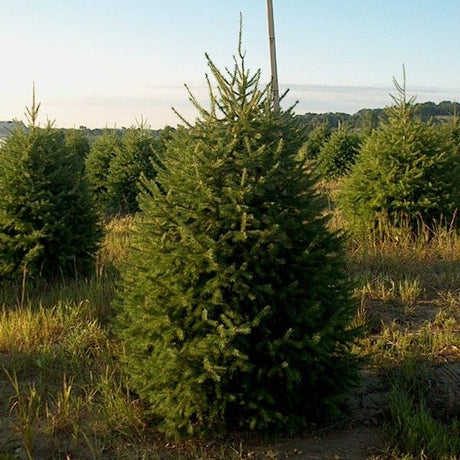
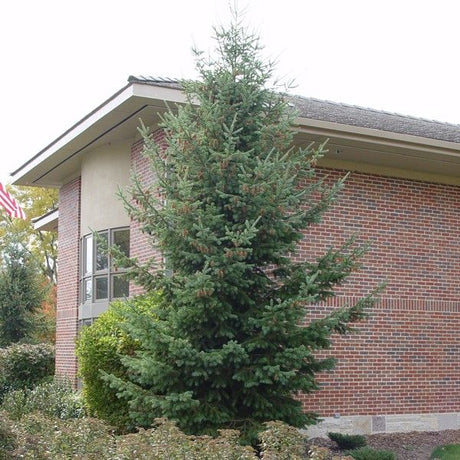
Hide a neighbor's window with a judiciously placed Baker's Colorado Blue Spruce. Use a short row of North Pole Arborvitae at the back of your barbeque.
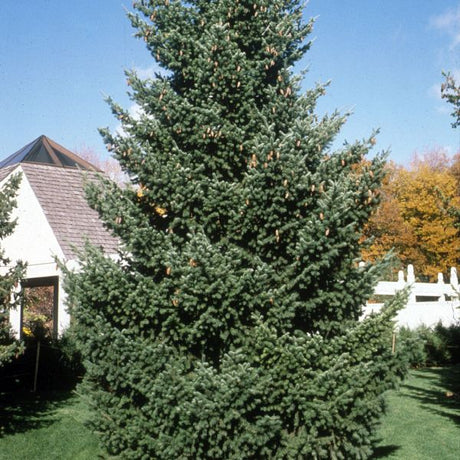
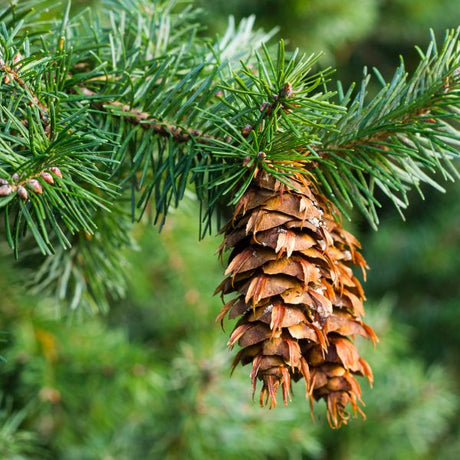
Add panache with your privacy with a series of stylish Serbian Spruce trees. Fill a wide, open area with an impeccable Douglas Fir.
Remove turf around evergreens and you won't have to climb up the lowest branches for mowing. Don't miss the enchanting effect of a statuesque evergreen tree that is full from top to bottom.
Flowering deciduous trees can also be used for privacy. Consider using Betty Magnolia trees or Royal Raindrops Crabapple trees as a large-scale hedge to make an incredibly private setting to let your hair down.
Love Weeping Willow trees? Put one or more to use as a privacy screen on large properties.
Read Almost Everything You Ever Wanted to Know About Privacy Plants>>
How to Plant Hedgerows or Windbreaks
Leave enough room for specimens to reach their mature height and spread. If you'll be planting a single tree as an accent, it's wise to plan for the largest number listed on the Plant Highlights.
For a solid hedgerow, you'll want the canopies to grow together and touch. Remember that plants grow out on either side of the trunk.
Plant fast-growing trees, like Theves Poplar, about 8 to 10 feet apart. Measure from trunk to trunk with on center planting.
Achieve a faster hedge with these tips:
- Always buy the largest container size we have in stock, as these are older trees with larger root systems. You'll still measure from trunk to trunk on center, but bigger plants give you a more immediate visual fill.
- Always use Nature Hills Root Booster during planting. This time-tested symbiotic formula really makes a big impact over the entire life of your new trees.
- Consider using a staggered, zigzagging planting pattern. You'll certainly appreciate the lush, natural look as they reach full size.
Native Trees for Birds, Honeybees and You

Trees are carbon sponges that play a critical role in our precious world. We're excited about the future, and so are many of the world's pre-eminent scientific minds.
From the rebirth of disease-resistant American elms to alkaline-tolerant Arizona ash, Nature Hills plant nursery is on the cutting edge of sound ecological practices. We've even introduced Audubon's USDA Organic White Oak.
With cute leaves shaped like mittens, endearing native Sassafras offers wonderful fragrance, flowers and fall color. The bark, leaves and even the roots of this special tree are fragrant.
Fall color display and unique, star-shaped leaves are the hallmarks of bird-friendly Sweet Gum trees. Birds love the seed balls, and so do little boys and girls.
Enjoy the regal silhouette of the Linden tree, the source of delicious Basswood honey. This honeybee favorite produces fragrant spring blooms.
The native Sourwood tree is a treat in landscapes with dry, acidic soil. The flowers are the source of excellent Tupelo honey.
Make the most of damp soils with the flowers and fruit of Nannyberry Viburnum. Grow this gorgeous, bird-friendly native as a tree-form or large shrub.
Oak trees are mainstays of food forests that support deer, turkey, grouse and many more species. We're proud of our extensive online catalog of these mast-producing forest trees. Our trees for sale in this category include Sawtooth Oak, one of the fastest to produce acorns.
Remember to think about your landscape in terms of layers. Use understory trees like Native American Plum trees and Eastern Redbud trees for interest under tall native Tulip Poplar.
Neighborhood birds rate popular Serviceberries high on their list of natural food resources. Autumn Brilliance Serviceberry trees offer incredibly ornamental features, like white flowers along with saturated fall color.
Buy Trees to Fit Small-Space Gardens
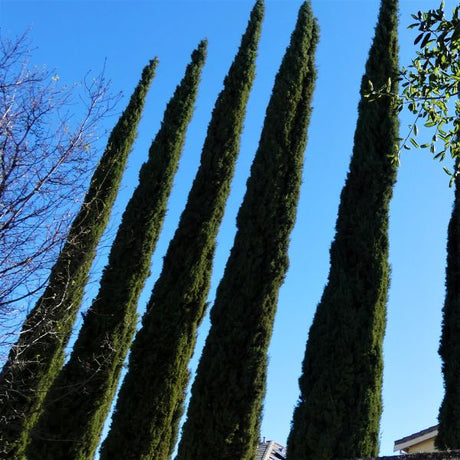
Some of the hottest trees for sale on our website are the slim and slender Columnar trees. As you can imagine, they sell out quickly.
Read more about how to use these right-sized trees, even in tight side yards
These popular selections feature fastigiate branches that grow upward at a steep angle. Who said small courtyards couldn't leverage Oak and Maple?
Nature Hills Nursery's Top-Selling Columnar trees include:
- Armstrong Maple trees
- Regal Prince Oak trees
- Slender Silhouette Sweet Gum trees
- Columnar Swedish Aspen
- Columnar Blue Spruce
Buy Trees to Boost Your Home's Value
Use trees with special features to dazzle your visitors. Flowering accents shine in their season, no matter what variety you choose. Opt for the showy flowers of Fort McNair Horse Chestnut trees or the fragrant Ivory Silk Lilac tree. Or go for the twice-yearly flower show of Autumn Blooming Flowering Cherry trees.
How to Use Accent Plants in a Landscape Design
Every accent plant offers a unique look and adds countless benefits to your garden. Who could forget the incredible fall-color trees for a spicy end to each growing season?
And why not give yourself one or more of our expertly crafted tree-form shrubs? Get the blooms you love from popular roses and shrubs, raised up to eye level.
Choose Nature Hills Nursery for Just the Right Trees
Shopping at Nature Hills Nursery delivers a bushel of benefits. Not only do you show off your responsible style, but you're choosing trees for sale from a company that cares. We truly appreciate your business, and hope we show it with our commitment to you.
Our online tree nursery makes sure all of your planting needs are delivered to your door, and we provide ample growing and planting information on our website.
Your commitment to us supports our ongoing efforts to be Green Industry leaders — while you enjoy high-quality trees that keep our planet beautiful and healthy. Shop the wide range of trees for sale at Nature Hills Nursery and place your order today.

FAQ's for Buying Trees Online
What is the best time of year to plant trees for long‑term survival and growth?
What is the best time of year to plant trees for long‑term survival and growth?
Tree roots grow whenever soil temperatures remain above 40 °F. Planting in early fall (six–eight weeks before ground freeze) or early spring (as soon as soil is workable) gives roots a cool, moist window to establish before summer heat or winter freeze. In hot summer climates, spring planting may outperform fall, while in regions with mild winters, fall offers the longest root‑building period. Aligning planting season with local soil‑temperature patterns maximizes root expansion before environmental stress hits, setting the tree up for vigorous top growth in its first full season.
How do I choose the right tree species for privacy, shade, or ornamental value?
How do I choose the right tree species for privacy, shade, or ornamental value?
Begin by listing the purpose—privacy screen, summer shade, or seasonal color—then cross‑reference local climate (USDA zone), mature size, and soil conditions. For privacy, fast‑growing evergreens like arborvitae or ‘Green Giant’ thuja create dense year‑round walls. For shade, broad‑crowned hardwoods such as red maple or bur oak cast the widest canopy without brittle limbs. For ornamental flair, flowering choices like crabapple or dogwood provide spring bloom plus fall color. Matching functional goal > climate fit > site constraints prevents costly removals and ensures the chosen tree meets expectations for decades.
What critical planting steps help newly installed trees establish quickly and avoid transplant shock?
What critical planting steps help newly installed trees establish quickly and avoid transplant shock?
1) Dig the hole twice the root‑ball width but no deeper than the root collar height; trees settle if planted too deep. 2) Tease or slice any circling roots so they radiate outward, preventing future girdling. 3) Back‑fill with the native soil, amending only if drainage is poor; over‑rich back‑fill can trap roots. 4) Water slowly until the entire root zone is saturated, then apply a 2‑in. mulch ring—keep mulch 3 in. away from the trunk. 5) Stake only if wind or root‑ball instability demands it, and remove stakes after one year. This sequence balances aeration, soil contact, and moisture, speeding root growth and reducing shock.
How far should I plant trees from buildings, utilities, and sidewalks to prevent future conflicts?
How far should I plant trees from buildings, utilities, and sidewalks to prevent future conflicts?
Use the mature canopy radius (half the eventual spread) plus a 5‑ft buffer as your minimum set‑back from structures. For example, a maple expected to spread 40 ft should be sited at least 25 ft from the house. Plant small‑mature trees (under 25 ft tall) at least 10 ft from utility lines and 5 ft from sidewalks; larger trees need 20 ft and 10 ft, respectively. Avoid planting directly over buried utilities—roots infiltrate joints seeking moisture. Calculating clearances from mature dimensions, not nursery pot size, prevents costly root pruning, foundation damage, and service interruptions later.
What care routine during the first three years ensures healthy, self‑sufficient trees?
What care routine during the first three years ensures healthy, self‑sufficient trees?
Year 1: Water deeply once a week (1 in. equivalent) if rainfall is lacking; inspect mulch to maintain a consistent 2‑in. layer. Year 2: Gradually lengthen irrigation intervals to every two weeks while doubling the water volume per soak; this drives roots outward and downward. Year 3: Transition to as‑needed watering during drought—deep, infrequent soaks train drought resilience. Each spring, top‑dress with 1 in. compost at the drip line; avoid high‑nitrogen fertilizer that can force weak shoots. Remove any broken branches promptly, and perform a light structural prune in late winter of Year 3 to set strong scaffold limbs. Following this graduated water‑and‑nutrition plan builds a broad, drought‑tolerant root system and stable canopy for the decades ahead.