


-
Gold Collection® Merlin Lenten Rose
Helleborus x 'Merlin'
40% offSale price $3017 Regular price $5028Unit price /Unavailable -
-
-
-
Miscanthus sinensis 'Lady in Red'
Regular price From $3567Unit price /Unavailable -
-

EverColor® Everest™ Variegated Sedge Grass
Carex oshimensis 'Carfit01'
Regular price From $1999Unit price /Unavailable -
-
-
-
-
Salvia yangii 'Blue Jean Baby'
Regular price From $1999Unit price /Unavailable -
-
SUMMERIFIC® Cherry Choco Latte Hardy Hibiscus
Hibiscus moscheutos 'Cherry Choco Latte'
Up to 30% offRegular price From $4161Unit price /Unavailable -
-
Asclepias incarnata
Up to 40% offSale price From $3290 Regular price $5484Unit price /Unavailable -
-
-
-
-
-
Lavandula x intermedia 'Niko'
Regular price From $1999Unit price /Unavailable -
-
Echinacea purpurea 'Magnus'
Regular price From $1999Unit price /Unavailable -
-
Salvia yangii 'Denim 'n Lace'
Regular price $3569Unit price /Unavailable -
-
All Gold Japanese Forest Grass
Hakonechloa macra 'All Gold'
Up to 20% offSale price From $3544 Regular price $4430Unit price /Unavailable -
-

Midnight Marvel Hardy Hibiscus
Hibiscus moscheutos 'Midnight Marvel'
Up to 20% offSale price From $4198 Regular price $5247Unit price /Unavailable -
-
-

Sedum rupestre 'Wildfire'
Regular price From $1999Unit price /Unavailable -
-
-
-
-
-
-
Ozark Beauty Everbearing Strawberry Plant
Fragaria x ananassa 'Ozark'
Regular price From $1999Unit price /Unavailable -
-
-
-
Artemisia ludoviciana 'G19123'
Regular price From $3039Unit price /Unavailable -
-
Hydrangea anomala subsp. petiolaris
Up to 25% offSale price From $7172 Regular price $9563Unit price /Unavailable -
-
Aster novae-angliae 'Purple Dome'
Regular price $2973Unit price /Unavailable -
-
-
-
-
-
Nepeta x faassenii 'Walker's Low'
Regular price From $1999Unit price /Unavailable -
-
Fall in Love® Sweetly Japanese Anemone
Anemone x 'Sweetly' PP31089
Regular price $3562Unit price /Unavailable -


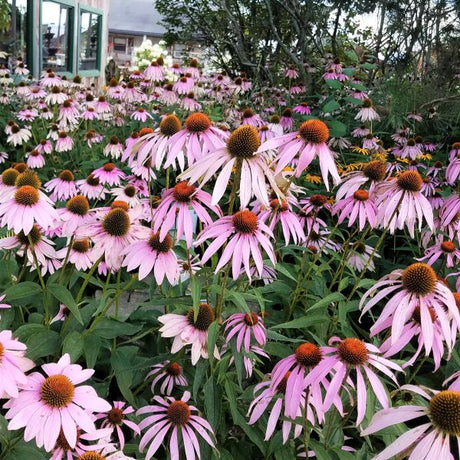


Perennials
Perennials For Sale at Nature Hills Nursery
Get your flower fix all season-long with the variety of perennials for sale at Nature Hills Nursery. Collect all your favorites for a personal landscape that makes you happy.
 Budget-conscious perennial plants come back year after year. You’ll be amazed at the new growth that comes back again in spring.
Because reliable perennial plants come back for you year after year, they make it possible to establish your dream garden in phases.
We have small perennials for hardy garden containers, along with extended bloom perennials that look great for most of the growing season.
During the first year, add trees, shrubs, and perennials to boost your curb appeal. When the second year comes, you can start working on the garden feature near your entertainment area.
Let's get started. Are you looking for drought-tolerant plants? Do you want showy flowers, lovely foliage, or both? You’ll find whatever your heart and garden desires in our stunning collection of perennial plants for sale.
Study Your Space to Determine Which Perennial Flowers Are Best
 Each perennial plant variety offers something amazing. All flourish in the right site conditions. Perennial plants like different amounts of sun and water. Even the soil type makes a big difference for long-term success.
Perennials produce the best flowers when their specific site requirements are met. Study the Plant Fact Highlights on each product page to make sure you’re choosing the right plant for your site.
Learn more about How to Keep Your Perennials Happy in our #ProPlantTips Garden Blog
Nature Hills Nursery offers perennial plants that prefer full sun, partial shade, and full shade, along with those suited for a number of other environmental conditions. Use the filters on our website to select options such as color, seasonal blooming, size, and deer resistance.
Choose perennial plants that are hardy in your USDA plant hardiness zone. Type your zip code into the zone finder above the Plant Highlights on every product page.
Some tender perennials will freeze in cold winters, while other perennial flowers really struggle in high heat. Choose the right plant for your area to have the best success.
Full-Sun Perennials Fill a Hot Spot with Bold Color
Dry, xeric landscapes must rely on tough, sun-loving perennials. What could be cheerier than Arizona Apricot Blanket Flower?
Balance out vivid tones with sultry blue flowering perennials. Try the exceptionally good looks of durable Denim 'n’ Lace Russian Sage as an airy backdrop or mass planting.
Don't forget to decorate the lower level of your plantings. Aromatic Creeping Thyme makes a pretty purple groundcover, and its thick growth also suppresses weeds.
Shade Perennials Expand Your Living Space
Shade is considered no more than two hours of sunlight a day. Partial shade means between two and four hours of sun a day.
Don't forget the dim, dusky areas of your yard with plants that live and thrive in shade. Sling up a hammock under the shade of a mature Oak tree, or decorate your forgotten north-facing side yard as a private Zen retreat.
People want to make the most of their investment in real estate. Use full-shade-loving perennials like big-leaved Empress Wu Hosta to set the stage.
Fill in with the fabulous foliage and flowers of Bicolor Barrenwort. Then soften the entire look with the intricate white flowers of Ghost Lamium ground covers.
Shade gardens can be brightened with the variegated foliage of woodland perennials. Try any combination you'd like. Jazz things up with garden sculpture and comfy outdoor seating, and you'll live large, no matter the size of your lot.
Expert Design Tips for Shade Gardens
Native Species Perennials for Naturalized Rain Gardens and Meadows
Nature Hills Nursery offers a wide range of easy-to-grow herbaceous perennial plants, including pollinator-friendly species plants like Cardinal Flower and Wild Bergamot Bee Balm.
Rain gardens are a great way to improve water quality using wet or moist soils. Read more about How to Install a Rain Garden.
Kick off your spring blooms with the specialized collection of plants in our Spring Rain Garden Pocket Pollinator Garden. Then follow up with the summer flowers of Summer Rain Garden Pocket Pollinator Garden.
Both collections make it incredibly easy to help the planet as you luxuriate in season-long color.
Perennial Plants Protected by Plant Sentry™
Because we sell plants across the country, we take extra precautions to protect local ecosystems. Plant Sentry is an online shipping management software that blocks shipments of regulated plant materials.
If a native species performs too well in a certain area, you'll see a message that we can't ship it to you. Plant Sentry helps Nature Hills Nursery follow all state and federal regulations.
Please shop for online plants responsibly. Responsible practices have always been at the backbone of our company, which has been helping gardeners grow since 2001. We're proud to be a leader in the green industry and appreciate your good stewardship of our beautiful planet.
Top Trends in Using Native Plants in Front Yard Gardens
Choose the Right Perennial Plants for Yearly Blooms
 Some perennials are fast-growing. Deer don’t care for the taste of some perennials. Some bloom in early spring, some in summer. If you want fall color, just select the right filter for blooming times.
Modern Cultivars Bring Color, Performance and Reblooms
Nature Hills Nursery has a wonderful selection of the hottest perennial flowers for sale. Have fun designing, mixing, matching and falling in love with our beautiful perennials. We certainly do.
Plant a Cutting Garden for Showy Cut Flower Arrangements
There are many new and improved varieties of old garden favorites on the market. Modern landscapes have different needs than the gardens of the past. Property owners are looking for reblooming, colorful perennial plants that will perform beautifully for them.
Perennials reward you with foliage and blooms every year. You'll get your money's worth with gorgeous plants from the expert growers at Nature Hills Nursery.
Want flowers and blooms that come back year after year? Select spring, summer and fall-blooming perennials to extend the beauty of your outdoor season.
Find Fabulous Perennial Plants for Sale at Nature Hills Nursery
Perennial plants reward you with flowers every year; examples include Hosta, Coneflower and Daylilies. Showy butterfly bush even behaves like a perennial shrub in cold winter USDA plant hardiness zones. Find your favorite perennial plants for sale by using our Shop by Variety tool.
Look across a broad spectrum of options if you have specific site requirements. Deer-resistant perennials or summer-blooming plants can all be found when you use the online Shop by Type tool.
Place your order any time of year. We'll hold it until the time is right for planting in your area. When you see the perfect perennials for sale, you don’t want to miss out. Place your order today.
