


Luna™ Red Hibiscus
Hibiscus moscheutos 'Luna Red'


Plant Sentry™ Protected
Your order is protected by our compliance system that:
- Prevents restricted plants from shipping to your state
- Ensures plants meet your state's agricultural requirements
- Protects gardens from invasive pests and diseases
Specifications
| Plant Characteristics | Cold hardy, Fast-growing, Flowering, Wet Soils, Clay Tolerant, Heat Tolerant, Attracts pollinators, Container Friendly, Deer-resistant |
|---|---|
| Hardiness Zone | 4a to 9b |
| Sunlight | Full sun, Partial shade |
| Height | |
| Width | |
| Watering Needs | High |
| Preferred Soil | Loamy, Peaty, Sandy |
| Growth Rate | Moderate |
| Growth Habit | Upright |
| Blooms In | Fall, Summer |
| Flower Color | Red |
| Foliage Color | Green |
| Native | Yes |
| Suitable Space | Indoors, Outdoors |
| Plant Name | Hibiscus |
| Botanical Name | |
| Species | |
| Cultivar | |
| Class | Magnoliopsida |
| Does Not Ship To | AK, AZ, HI, ID, MT, PR |
Description
The Luna™ Red Hibiscus (Hibiscus moscheutos 'Luna Red') is a wonderfully compact, bushy plant with gigantic 8", bright burgundy-red flowers! We're talking dinner plate-sized, five-petaled, Hollyhock-like blooms!
The Luna™ series produces big, bushy, well-branched plants without pinching. The typical leaves and flowers look just like their tropical cousins, only these are tender perennial shrubs that are very cold tolerant down to hardiness zone 4 and heat tolerant up to zone 9.
These plants will die back to ground level during the winter months, growing anew each year for a dense, compact and even flush of growth. Widely adaptable and hardy plants, these big colorful blossoms attract butterflies and bees galore! You may even see a hummingbird come to visit these red blooms which are their favorite color!
Planting and Application:
The shorter stature of Luna Red makes it an excellent choice for smaller gardens or large patio containers. This Hibiscus is suitable for very large planters, but pots must be protected over winter in colder climates. Porches and balconies, patios alike all become exotic getaways and destination spots with ease!
For low definition and screening, plant rows, and groupings for growing season privacy and color all summer! Tuck into perennial and cottage gardens, urban plantings and as colorful anchors around your garden! Great accents around poolside and seating areas, you'll enjoy a tropical feel to your landscape without moving to a tropical island!
- Huge Burgundy-Red Flowers
- Compact Bushy Plant
- Attracts Butterflies
- Hedges, Specimen, Anchors, Containers & Accents
- Low-Maintenance
#ProPlantTips for Care:
Deer-resistant, Luna™ Red grows well in any fertile, well-drained soil with ample moisture. Do not allow it to dry to the wilting point. Be patient, Hibiscus can be slow to emerge in spring, sometimes the last to show before summer. However, their fast growth more than makes up for it. Be careful to not over-water until plants show signs of growth! For best performance, plant in full sun in moist soil before the heat of the summer.
- Full Sun & Partial Shade
- Widely Adaptable to Soil & Climate
- Moderate Moisture
- Prune Off Dead Shoots in Late Autumn
- Deer Resistant
Hibiscus needs little care once established, attracts butterflies, with the largest flowers of any perennial! Order your own huge exotic blooms for your landscape today with the Luna™ series Red Hibiscus from NatureHills.com!
Planting & Care
Delivery and Shipping
Shipping Rates
Ships in 7-10 business days • Tracking provided • Weather protected
| Under $50 | $9.99 |
| $50 - $99.99 | $14.99 |
| $100 - $149.99 | $16.99 |
| $150 - $198.99 | $24.99 |
| $199+ | FREE |
✓ Zone-specific timing • ✓ Professional packaging • ✓ Health guarantee
Find on Page
Type to search specs, description, care, FAQ, and shipping.

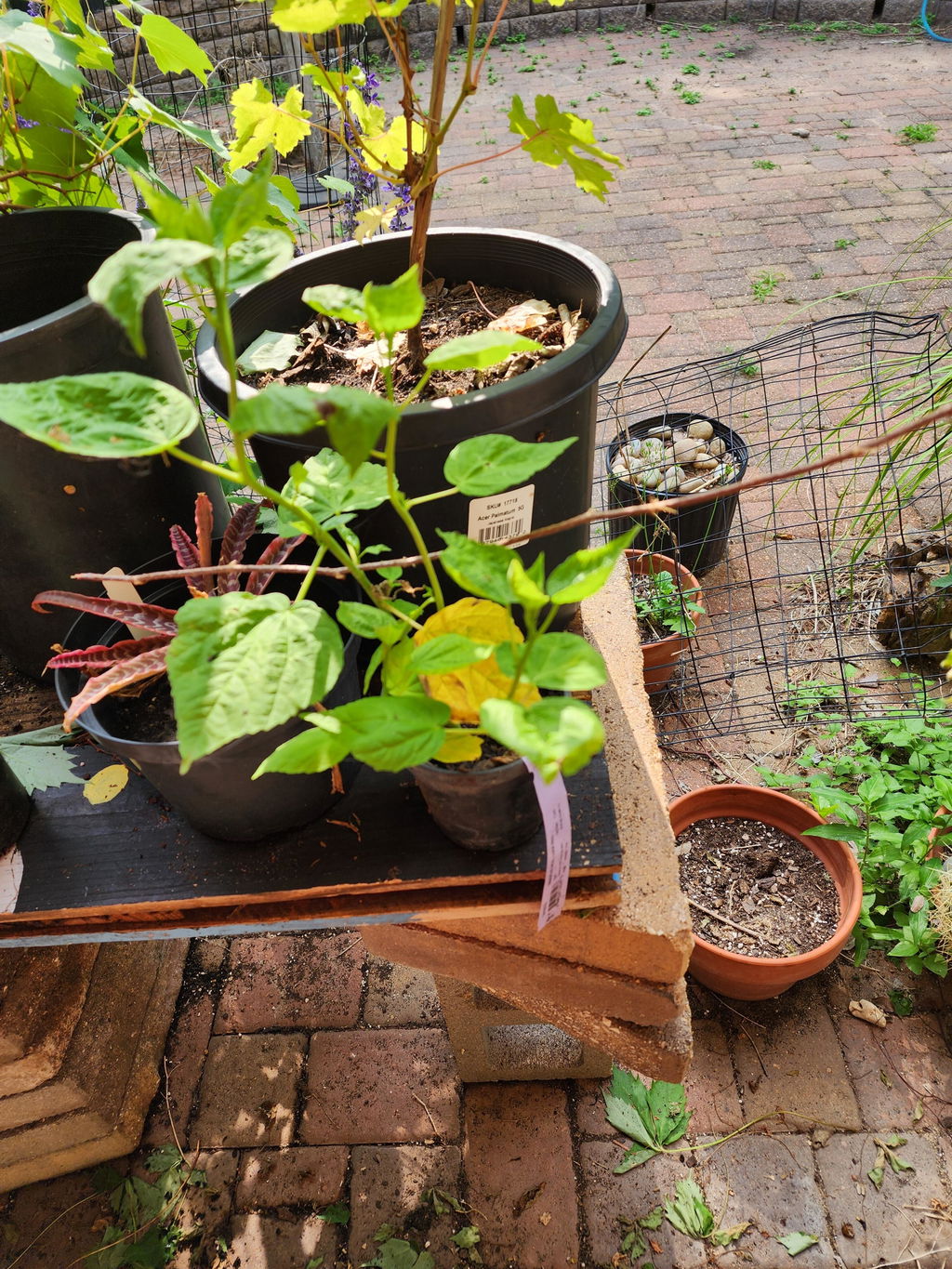
I received a message it and White Luna were delivered but not here. 2 days later I received notice they were delivered again. They arrived, however, they were in the same package dry and no longer in their pots. Red was slightly better but with some yellow leaves and droopy. I have tried to revive it. But for $9 each shipping I should not have to.
Arrive on time, package securely, and in a caring manner will continue to order, growing very fine.
Hearing that the Luna Red arrived on time and well-packaged is exactly what we aim for. It's a heavy bloomer once it settles in, so you have a lot of color to look forward to. Thanks for coming back to order with us, Shirley.
It is blooming.
A blooming hibiscus is always a good sign, Betty. Luna Red puts on quite a show once it gets going, and it should keep producing those bold flowers right through summer. Thanks for the quick update!
This looked like it was dying when i got it. BUT woke this morning to this beauty blooming!! I love it and will be buying more!!!
So happy to have found you and this variety hibiscus. I ordered from another nursery and only 2 out of 3 made it, so, this fit the bill. It should have plently of time to establish itself.
Luna Red is a great choice for filling that gap, and you're right that giving it time to establish before the season gets going makes a real difference. Hibiscus in general rewards a little patience early on, and this variety tends to put on a solid show once it settles in. Thanks for choosing us, Lisa, and we hope it thrives for you.
The plant arrived neatly packaged so as to stay intact upon delivery. I appreciate that. The hibiscus is doing well so far. I planted and now waiting on more growth. It’s still early in the spring and early stages of growth. I’m looking forward to the big red flowers.
Careful packaging really does make a difference, and we're glad the plant arrived in good shape. Luna Red is worth the wait. Once it settles in and the temperatures warm up, it tends to put on a strong flush of those big, bold blooms. Keep us posted on how it goes this season.
one plant shot right up ,the other isn't doing to well both were planted in the same soil, pot and area
So far so good, arrived nice and healthy. I already planted them in large pots.
Hibiscus in large pots is a great move. They respond well to that setup and tend to put on a good show when they have room to root out. Hope yours settles in quickly and blooms well for you this season.
