


Red Chokeberry Bush
Aronia arbutifolia 'Brilliantissima'


Plant Sentry™ Protected
Your order is protected by our compliance system that:
- Prevents restricted plants from shipping to your state
- Ensures plants meet your state's agricultural requirements
- Protects gardens from invasive pests and diseases
Specifications
| Hardiness Zone | 4a to 9b |
|---|---|
| Sunlight | Full sun, Partial shade |
| Height | |
| Width | |
| Growth Rate | Slow |
| Watering Needs | High |
| Preferred Soil | Clay, Loamy |
| Landscape Use | Hedge & Privacy, Foundation, Border, Mass Planting, Woodland Garden, Rain Garden |
| Growth Habit | Spreading, Upright |
| Blooms In | Spring, Summer |
| Flower Color | White |
| Foliage Color | Green |
| Native | Yes |
| Native To |
Alabama,
Arkansas,
Connecticut,
Delaware,
Florida,
Georgia,
Kansas,
Kentucky,
Louisiana,
Maine,
Maryland,
Massachusetts,
Michigan,
Mississippi,
New Hampshire,
New Jersey,
New York,
North Carolina,
Ohio,
Oklahoma,
Pennsylvania,
Rhode Island,
South Carolina,
Tennessee,
Texas,
Virginia,
Washington DC,
West Virginia
+22 moreshow less |
| Plant Characteristics | Cold hardy, Native, Fall Color/Interest, Flowering, Clay Tolerant, Wet Soils, Deer-resistant, Drought resistant, Ornamental Berries/Fruit, Edible, Hedge/Screen, Attracts pollinators, Self-pollinating, Fragrant, Disease resistant |
| Botanical Name | |
| Does Not Ship To | AK, HI, ID, MT, PR, VI |
Description
Red Chokeberry (Aronia arbutifolia 'Brilliantissima') puts on a show in every season, starting with clusters of small white flowers in late spring that draw bees and butterflies. By late summer, those blooms transform into masses of glossy red berries that hang in heavy clusters and persist well into winter. But the real showstopper comes in autumn when the foliage ignites into shades of brilliant scarlet, orange, and crimson that rival any ornamental shrub in the landscape.
A Native Shrub with Four-Season Appeal
This improved selection of our native red chokeberry was chosen for its exceptionally bright fall color and heavy berry production. The 'Brilliantissima' cultivar delivers more intense reds and oranges than seedling-grown plants, making it a standout in fall gardens.
Spring brings delicate clusters of five-petaled white flowers with prominent pink anthers. These blooms are not only attractive but serve as an important early nectar source for native bees, honeybees, and early butterflies emerging from winter dormancy. The glossy dark green foliage fills in quickly, creating a dense, upright habit that reaches 6 to 10 feet tall and 4 to 6 feet wide at maturity.
Berries That Feed the Birds
The bright red berries that develop by late summer are technically edible for humans, though extremely tart and astringent when raw (hence the name "chokeberry"). Birds seem to find them more palatable, and songbirds like cedar waxwings, robins, and mockingbirds will descend on the shrub once other food sources become scarce in late winter. The berries often persist from September through February, providing critical nutrition when wildlife needs it most.
Thrives Where Others Struggle
Red Chokeberry evolved in the swamps, bogs, and low woodlands of eastern North America. This heritage means it handles wet feet, clay soil, and poor drainage better than almost any ornamental shrub. Rain gardens, bioswales, and that perpetually soggy corner of your yard are all fair game. It also tolerates drought once established, making it one of the most adaptable native shrubs available.
Landscape Uses
Plant Red Chokeberry in mass plantings for a stunning fall display, or use it as a wildlife hedge along property lines. The upright growth habit works well as a screen or backdrop for perennial borders. It naturalizes beautifully at the edge of woodlands, along streams, or in meadow plantings. Because it suckers slowly to form colonies, you can plant a few specimens and let them fill in over time, or remove suckers annually to maintain individual plants.
This native shrub requires almost no care once established. Deer typically leave it alone, and it has few pest or disease issues. For a low-maintenance plant that delivers spring flowers, summer berries, spectacular fall color, and winter bird activity, Red Chokeberry is hard to beat.
Planting & Care
Delivery and Shipping
Shipping Rates
Ships in 3-5 business days • Tracking provided • Weather protected
| Under $50 | $9.99 |
| $50 - $99.99 | $14.99 |
| $100 - $149.99 | $16.99 |
| $150 - $198.99 | $24.99 |
| $199+ | FREE |
✓ Zone-specific timing • ✓ Professional packaging • ✓ Health guarantee
Find on Page
Type to search specs, description, care, FAQ, and shipping.

I am very pleased with the red chokeberry bushes. They arrived in excellent condition, very promptly, and are growing well. This is the best experience I have had with ordering from a nursery online. I would recommend them to others.
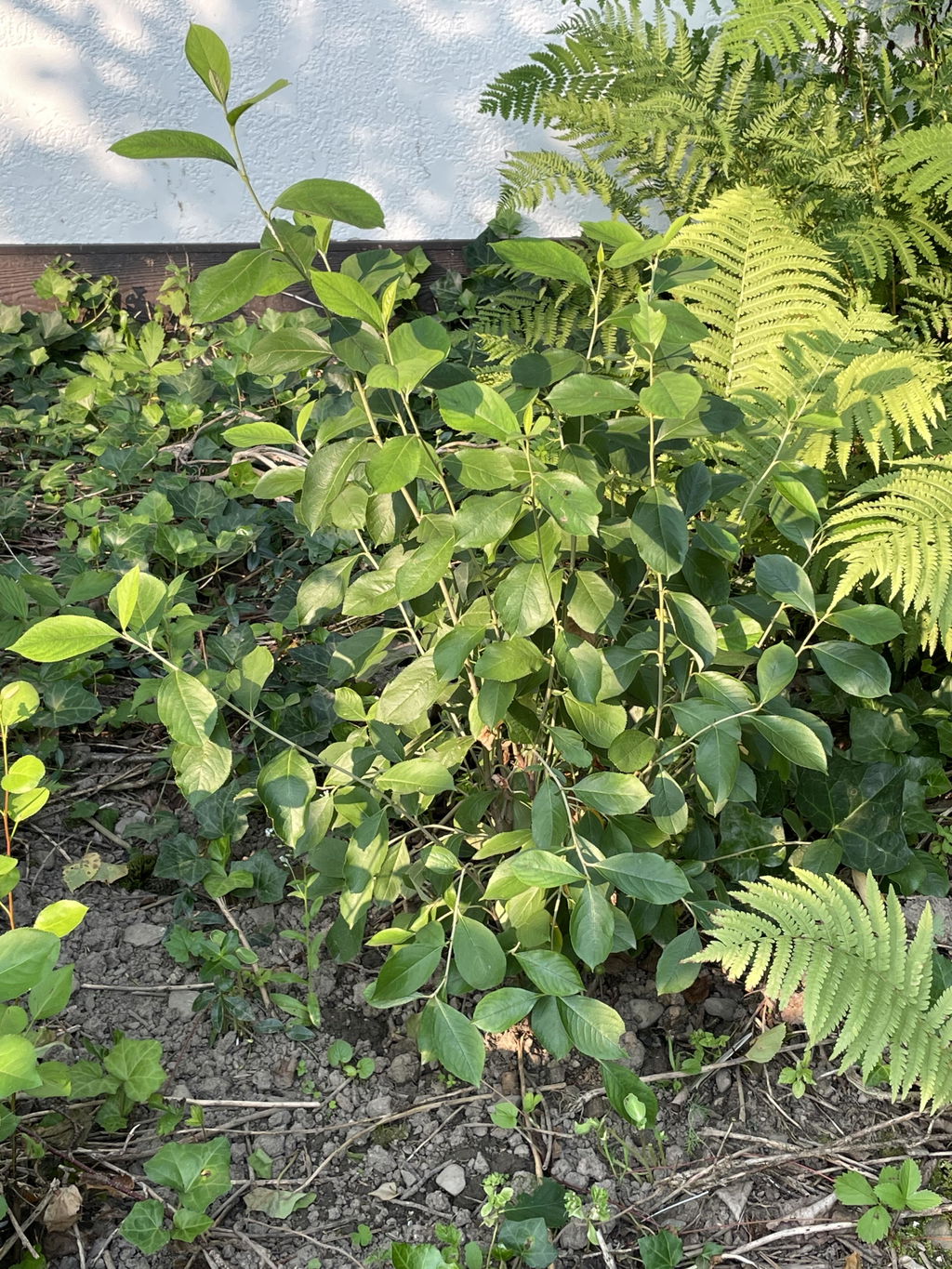
Red chokeberry gets off to a strong start when it arrives in good shape, so it's great to hear yours made the trip well and are already putting on growth. They'll reward you with a nice show of berries come fall, and the birds tend to find them before long. Thanks for the recommendation, Mary Beth. We appreciate you choosing us.
Bushes came well packed and very healthy! I was very impressed! I will order again. Thank you
Red chokeberry is a tough, rewarding shrub, and it always helps to start with healthy stock straight out of the box. Glad the plants arrived in good shape, Orville. They tend to put on a nice show come fall with both the berries and the leaf color, so you have that to look forward to. Thanks for the order, and welcome back whenever you are ready for more.
I ordered them while on vacation and they had them to my house in 2 days. They look very healthy and seem to be doing well!
Two days is a quick turnaround, and it sounds like the plants arrived in good shape ready to get in the ground. Red Chokeberry is a tough, adaptable shrub, so with a decent start like that it should settle in well. Thanks for sharing the update!
Started slow, but appears healthy. Arrived in timely fashion and looked really healthy. Have had bad luck with other online nurseries with plants arriving half dead or dying. Looking forward to more purchases
Red Chokeberry can take a little time to settle in after transplanting, so it is good to hear yours is looking healthy and picking up steam. We are glad the shipping experience was a step up from what you have dealt with elsewhere. That means a lot to us, and we look forward to growing your garden with you.
A beautiful woody shrub. After minor structural pruning, it was ready to install at my client’s property.
Dear Louise,
Thank you so much for sharing your experience with the Red Chokeberry! We're delighted to hear that after your careful structural pruning, the shrub was perfectly ready for your client’s property. It sounds like you’ve got a great eye for preparing plants to thrive in their new homes. If you ever need tips on seasonal pruning schedules or care to ensure the chokeberry continues to flourish, please don’t hesitate to reach out. We’re happy to provide resources or guidance to support your landscaping projects.
Wishing you happy planting,
The Nature Hills Plant Experts
A beautiful woody shrub. After minor structural pruning, it was ready to install at my client’s property.
Dear Louise,
Thank you so much for sharing your experience with our Red Chokeberry! We’re delighted to hear that the shrub suited your needs so well and was ready for installation after just a bit of structural pruning. Its beautiful woody form certainly makes it a versatile choice for many landscapes. If you ever need tips on ongoing care or seasonal pruning to keep it thriving for years to come, we’re always here to help.
Wishing you happy planting,
The Nature Hills Plant Experts
Great plant for naturalizing-May have to control suckering-Great fall color and berries!While many folks say the berries are not popular with birds and should last into winter, mine arestripped clean by birds ( especialy mockingbirds)One tough plant!
Hi Native B.,
Thank you so much for sharing your wonderful experience with your Red Chokeberry Bush! It’s fantastic to hear that it’s thriving well in your naturalized area and showcasing its stunning fall color and berries. You’re absolutely right—while this plant can be a hearty one and may require some suckering control to keep it looking its best, it’s rewarding to see nature doing its work right in your yard!
We also appreciate your insight about the birds, especially mockingbirds, enjoying those berries. Bird preferences can vary by region and species, so it’s great to learn that your chokeberries are a popular snack gift through the winter months. If you’re ever looking to encourage birds further, planting a variety of native berry-producing shrubs within your landscape can help provide diverse feeding options when one source runs low.
Thank you again for your feedback and for choosing Nature Hills to bring such beauty and wildlife enjoyment to your home. Please don’t hesitate to reach out if you have any questions about pruning or caring for your Red Chokeberry or other garden companions.
Wishing you happy planting,
The Nature Hills Plant Experts
This is the most beautiful shrub at Villanova University, Pennsylvania, where I work... all winter it has bright red berries. Planted one at home recently.
Hi Joan,
Thank you so much for sharing your wonderful experience with the Red Chokeberry Bush! We’re thrilled to hear it brightens the winter days at Villanova University with its stunning red berries—and even more excited that you’ve brought that beauty home too. These shrubs are indeed remarkable for their winter interest and low-maintenance appeal.
To help your new sign of winter delight thrive, be sure to plant it in well-drained soil with plenty of sunlight, and prune after flowering if needed to maintain its shape. If you’re interested, we also have helpful guides available on our website about caring for Red Chokeberry to keep it vibrant through the seasons.
Thank you again for choosing Nature Hills for your gardening journey!
Other success stories are just a seed away,
Wishing you happy planting,
The Nature Hills Plant Experts
We moved into this home a year ago not knowing what was planted. I just discovered that what I have at the corner is Red Chokeberry! I, too, read that birds dont like this plant, but a couple of days ago I saw at least 40 robins...and a few other birds feasting on my plant! Meanwhile, there were at least 15 other robins waiting their turn in another tree!
Dear Garnetta,
Thank you so much for sharing your wonderful experience with your Red Chokeberry Bush! We’re thrilled to hear that your feathered friends are loving the fruits—it’s always a joy to see nature so alive and thriving in your own backyard. While it’s true that bird preference can vary, your observation is a great reminder that wildlife can surprise us, and it sounds like your chokeberry is a real hotspot for robins and other birds alike.
If you want to encourage even more visits, consider planting a mix of native shrubs and mulching around the base to keep your plants healthy and inviting year-round. Fresh water sources and some bird feeders nearby can also help create a complete environment where birds feel comfortable stopping by.
Thanks again for your thoughtful feedback—it helps us and others discover the many joys of nurturing these plants. Wishing you many more delightful visits from those feathery guests!
To greener days ahead,
Nature Hills Customer Care & Plant Support
My red chokeberry is just about mature now and it seems to not grow much taller than 7 feet. I wish it got a little taller, well maybe it will, probably should be more patient.
Hi Harley,
Thank you so much for sharing your experience with your Red Chokeberry Bush! You’re right—these lovely shrubs typically max out around 6 to 8 feet tall, so your bush sounds right on track. Patience is key with many plants, and with time, your chokeberry may fill out more even if it doesn’t grow much taller. Providing it with proper sunlight, well-drained soil, and occasional fertilizing can also encourage healthy growth. If you’re interested in fostering more volume or fullness, light pruning in early spring can stimulate bushier growth, too.
We appreciate you trusting Nature Hills with your garden—and we’re here if you ever have questions or need tips to help your plants thrive!
Bloom on,
The Nature Hills Plant Knowledge Team
My red chokeberry is just about mature now and it seems to not grow much taller than 7 feet. I wish it got a little taller, well maybe it will, probably should be more patient.
Hi Harley,
Thank you so much for sharing your experience with your red chokeberry bush! You’re right—these lovely shrubs typically cap out around 6 to 9 feet tall, so your plant at about 7 feet is right in that expected mature height range. Patience is certainly a gardener’s best friend, and with time and good care, your chokeberry will continue to thrive and fill out beautifully.
To help encourage the healthiest growth, ensure it has full sun to partial shade and well-drained soil, which these shrubs love. Mulching around the base can also help retain moisture and keep roots happy. If interested, thinning soon after flowering in early summer can promote robust, evenly shaped growth.
Thanks again for your thoughtful review—we’re thrilled to be a part of your gardening journey! Feel free to reach out anytime for tips or insight on how your plants are doing.
Wishing you happy planting,
The Nature Hills Plant Experts
The red chokeberry is a totally wonderful plant based on its fall color only.
Hi Kilty,
Thank you so much for sharing your thoughts on the Red Chokeberry! We're thrilled to hear that its stunning fall color has made such an impression—it truly is a standout feature of this hardy and versatile plant. If you’re ever interested, the red chokeberry also offers attractive spring flowers and berry clusters that attract birds, which can add even more interest to your garden throughout the seasons.
For the best fall color, ensure the plant is in full to partial sun with well-drained soil, as these conditions help enhance vibrant leaf pigments. If you’d like any tips on companion plants or care techniques to keep your chokeberry thriving year-round, we're always here to help!
Bloom on,
The Nature Hills Plant Knowledge Team
The red chokeberry is a totally wonderful plant based on its fall color only.
Hello Kilty,
Thank you so much for sharing your thoughts about your red chokeberry bush! We’re thrilled to hear that you’re enjoying its stunning fall color—it truly is one of those plants that adds vibrant beauty to any landscape as the seasons change. If you’re interested, these bushes also provide lovely berries that attract birds and wildlife, making your garden even more lively.
For an even more dazzling fall display and healthy growth, be sure to keep your chokeberry well-watered during dry spells and consider mulching to retain moisture and regulate soil temperature. If you ever want to explore companion plants that highlight those fiery reds even further, feel free to reach out—we’re here to help your garden thrive in every season.
Bloom on,
The Nature Hills Plant Knowledge Team
The red chokeberry provides all season interest and it is very easy to grow and care for. From my experience I would recommend this plant whole heartedly.
Hello Blissful,
Thank you so much for sharing your wonderful experience with the red chokeberry bush! We're delighted to hear that it has brought you year-round enjoyment and proved to be easy to grow and care for. Your wholehearted recommendation means a lot to us and to other gardeners considering this versatile plant.
If you ever want to enhance your chokeberry's bloom or berries, ensuring it gets plenty of sunlight and well-drained soil can make a big difference. Also, occasional pruning helps maintain its shape and encourages healthy growth throughout the seasons. Feel free to reach out anytime if you'd like tips on pruning or companion planting—we're always here to help!
Rooting for your garden’s success,
Your Nature Hills Plant Care Team
The red chokeberry provides all season interest and it is very easy to grow and care for. From my experience I would recommend this plant whole heartedly.
Dear Blissful,
Thank you so much for sharing your wonderful experience with the Red Chokeberry bush! We're delighted to hear that it provides beautiful all-season interest and that you’ve found it easy to grow and care for. Your wholehearted recommendation means a lot to us and will surely inspire other gardeners to add this versatile shrub to their landscapes.
If you ever want to enhance your chokeberry’s growing conditions, don’t forget that they thrive best in well-drained soil with full sun to partial shade. And as a bonus, their brilliant fall foliage is truly a showstopper! Should you have any questions or want tips on complementary plants that pair well with red chokeberry for extended seasonal interest, feel free to reach out.
Wishing you happy planting,
The Nature Hills Plant Experts
Great plant for naturalizing-May have to control suckering-Great fall color and berries!While many folks say the berries are not popular with birds and should last into winter, mine arestripped clean by birds ( especialy mockingbirds)One tough plant!
Hi NativeBoy,
Thank you so much for taking the time to share your experience with your Red Chokeberry Bush! We're delighted to hear that it’s proving such a resilient and colorful addition to your garden. You brought up a great point about controlling suckering—these hardworking plants do tend to send up new shoots, so careful pruning can definitely keep them looking neat and thriving over the long term.
Your observation about the berries being enthusiastically devoured by mockingbirds is fantastic to hear! While Red Chokeberry berries are often considered less popular with wildlife, it sounds like yours are performing wonderfully as a natural bird feeder especially for those clever local crow-sounders. For others looking to encourage bird activity, placing chokeberry bushes near favorite bird hangouts and incorporating a variety of native plants can help sustain local wildlife throughout the seasons.
If you’d like a few tips on managing suckering or extending the enjoyment of your Red Chokeberry berry display, please don't hesitate to reach out! Our online resources offer handy pruning guides tailored to this incredible shrub.
Thanks again for sharing your naturalizing success story with us — it’s great inspiration!
Rooting for your garden’s success,
Your Nature Hills Plant Care Team
We moved into this home a year ago not knowing what was planted. I just discovered that what I have at the corner is Red Chokeberry! I, too, read that birds dont like this plant, but a couple of days ago I saw at least 40 robins...and a few other birds feasting on my plant! Meanwhile, there were at least 15 other robins waiting their turn in another tree!
Hi Garnetta,
Thank you so much for sharing your wonderful experience with your Red Chokeberry Bush! It’s always such a delightful surprise when nature shows us something unexpected—how amazing that it’s attracting so many robins and other birds to your corner of the garden. While it’s true that opinions vary about birds’ preferences, your observation perfectly highlights how wildlife can differently respond to plants depending on their location and the season.
If you’re interested in encouraging even more feathered friends, you might consider planting additional native shrubs and berry-bearing plants nearby to create a welcoming bird habitat. Providing fresh water nearby can also help keep them visiting your yard regularly. There are great resources on our blog about bird-friendly gardening that you might find inspiring.
Thanks again for your thoughtful feedback—your story brings a little extra joy to the Nature Hills community!
Growing with you,
Nature Hills Nursery – Your Trusted Plant Specialists
This is the most beautiful shrub at Villanova University, Pennsylvania, where I work... all winter it has bright red berries. Planted one at home recently.
Dear Joan,
Thank you so much for sharing your delightful experience with the Red Chokeberry Bush! We are thrilled to hear that it’s such a standout beauty at Villanova University, especially with its vibrant red berries brightening up the winter season. It’s wonderful that you’ve brought a piece of that charm home too!
These resilient shrubs truly shine with minimal fuss, but for best results we recommend ensuring they have well-draining soil and receive full sun to partial shade. Winter interest like those berries is a natural bonus, attracting birds and adding year-round color. If you ever want additional care tips or native plant companions that thrive in Pennsylvania’s climate, just let us know—we’re here to help!
Thank you again for your kind feedback and for trusting Nature Hills with your garden. We wish your new Red Chokeberry at home looks just as striking as the university’s!
Wishing you happy planting,
The Nature Hills Plant Experts
