


September Charm Japanese Anemone
Anemone x 'September Charm'


Plant Sentry™ Protected
Your order is protected by our compliance system that:
- Prevents restricted plants from shipping to your state
- Ensures plants meet your state's agricultural requirements
- Protects gardens from invasive pests and diseases
Specifications
| Hardiness Zone | 4a to 8b |
|---|---|
| Sunlight | Full sun |
| Height | |
| Width | |
| Growth Rate | Moderate |
| Watering Needs | Moderate |
| Preferred Soil | Peaty |
| Landscape Use | Border, Woodland Garden |
| Growth Habit | Compact, Spreading, Upright |
| Blooms In | Fall, Summer |
| Flower Color | Red, Pink |
| Foliage Color | Green |
| Plant Life Cycle | Perennial |
| Plant Characteristics | Cold hardy, Low Maintenance, Flowering, Deer-resistant, Attracts pollinators, Container Friendly |
| Botanical Name | |
| Does Not Ship To | AK, HI, ID, MT, PR, VI |
Description
Easy Breezy Pink September Charm Windflower
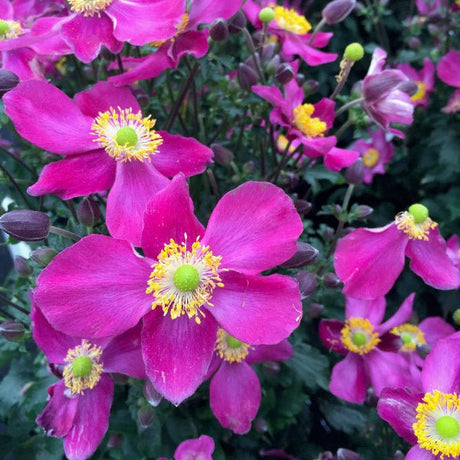
A long-lasting pink Anemone that adds fall magic to the garden, the beloved September Charm Windflower (Anemone x 'September Charm') brings a dreamy, late-summer-to-fall bloom display that carries your garden right into the golden days of autumn. These graceful, silvery-pink single flowers blush deep rose at their bases, and each bloom boasts cheerful golden-yellow centers.
A prolific bloomer with long, wiry stems and fine-textured foliage, this herbaceous perennial spreads over time to form a lush groundcover. Also known as Japanese Anemone, it is a favorite for its movement in the breeze and reliable flower power. Held atop wiry stems, this hardy Windflower makes a charming addition to pollinator-friendly gardens and cut flower arrangements alike. The foliage is rich, dark green, deeply lobed, and attractive from spring through fall.
Key Features
- Silvery-pink, rose-blushed blooms with sunny yellow centers
- Long bloom period from late summer through fall
- Lovely in cut flower arrangements
- Supports pollinators and beneficial insects
- Fine-textured, lobed dark green foliage
- Great groundcover and naturalizer
- Cold-hardy, deer and rabbit 4sistant
- Powdery mildew and leaf spot resistant
- Performs in full sun
Landscaping Uses
These tall, wind-tossed blooms hover above the foliage, dancing in the breeze and adding a romantic, naturalistic flair to beds, borders, and containers. This 3 to 4-foot-tall perennial spreads up to 3-4 feet wide with time, making it ideal for mid-border plantings or en masse for a stunning sea of soft pink.
Loved by butterflies but avoided by deer and rabbits, September Charm Japanese Anemone is as tough as it is beautiful. It thrives in full sun in cooler climates or partial shade where summers scorch, and makes a beautiful filler in large containers or along borders, paths, and naturalized areas.
- Plant in drifts along borders or foundation plantings
- Use as filler under open-branched trees like Redbuds or Japanese Maples
- Mass plant near evergreens for a pop of motion and color
- Ideal for a modern perennial strip or "lasagna" bed with compost layers
- Accent a cottage garden bed with its romantic blooms
- Plant along walkways, side yards, or near downspouts and septic fields
- Use in Rain Gardens
- Grow in wide patio pots or deck containers for balcony beauty
Care and Maintenance
Cold-hardy, mildew-resistant, and adaptable to a variety of soil types, it's a staple for landscapes in USDA zones 4 through 8. This herbaceous perennial returns yearly, bigger and better. It's sun-loving but adaptable, and offers superb cold-hardiness and pest resistance.
- Planting Time: Spring or fall planting preferred. See how to plant perennials here.
- Sun Needs: Full sun (needs afternoon shade in hot summers)
- Soil Needs: Well-drained soil; tolerates average to rich garden soil. Does not like poor drainage or standing water
- Moisture Needs: Keep evenly moist, especially in the first year
- Arborist Mulch: Add a 3-4-inch layer of bark mulch; compost improves vigor
- Fertilization Needs: Feed in early spring with slow-release fertilizer for flowering plants
- Pruning Info: Cut back dead foliage in early spring to make way for new growth
- Renewal Pruning: Not needed, but may divide and rejuvenate clumps
- Division Info: Divide every few years in spring or fall to rejuvenate and spread
- Special Needs/Perks/Growing Tips and Tricks For Success:
- Deer and rabbit resistant
- Cold-hardy
- Powdery mildew-resistant
- Tolerates light clay or sandy soils,
- Prefers slightly acidic to neutral soil
Fall in Love with September Charm!
September Charm Windflower is your secret to ending summer on a high note! With a name that says it all and a performance that keeps going into fall, this perennial adds breeze-blown beauty, butterfly magic, and low-maintenance delight to your landscape. Let it be your garden’s encore this season!
Buy yours now, and Nature Hills will ship at the appropriate planting time for your growing zone.
Planting & Care
Delivery and Shipping
Shipping Rates
Ships in 3-5 business days • Tracking provided • Weather protected
| Under $50 | $9.99 |
| $50 - $99.99 | $14.99 |
| $100 - $149.99 | $16.99 |
| $150 - $198.99 | $24.99 |
| $199+ | FREE |
✓ Zone-specific timing • ✓ Professional packaging • ✓ Health guarantee
Find on Page
Type to search specs, description, care, FAQ, and shipping.
Other varieties
-

Fall in Love® Sweetly Japanese Anemone
Anemone x 'Sweetly'
Regular price $3562Unit price /Unavailable -
Fantasy™ Red Riding Hood Japanese Anemone
Anemone x hybrida 'Fantasy Red Riding Hood'
New arrivalRegular price $3554Unit price /Unavailable -

Curtain Call Pink Japanese Anemone
Anemone 'Curtain Call Pink'
Regular price $3543Unit price /Unavailable -

Honorine Jobert Japanese Anemone
Anemone x 'Honorine Jobert'
Regular price $3549Unit price /Unavailable -


