


Forest Pansy Redbud Tree
Cercis canadensis 'Forest Pansy'


Plant Sentry™ Protected
Your order is protected by our compliance system that:
- Prevents restricted plants from shipping to your state
- Ensures plants meet your state's agricultural requirements
- Protects gardens from invasive pests and diseases
Specifications
| Plant Characteristics | Cold hardy, Native, Flowering, Fall Color/Interest, Attracts pollinators, Drought resistant, Thornless, Fragrant, Evergreen |
|---|---|
| Hardiness Zone | 5a to 9b |
| Sunlight | Full sun, Partial shade |
| Height | |
| Width | |
| Watering Needs | Moderate |
| Preferred Soil | Clay, Loamy, Sandy |
| Growth Rate | Fast |
| Blooms In | Spring |
| Flower Color | Purple, Red |
| Suitable Space | Outdoors |
| Botanical Name | |
| Species | |
| Cultivar | |
| Class | Magnoliopsida |
| Does Not Ship To | AK, HI, ID, MT, PR |
Description
Ornamental Native Forest Pansy Redbud
- Very Ornamental Tree
- Early Spring Color
- Brilliant Fall Color
- Year-Round Appeal
- Hardy Native Plant Brings Butterflies
- Versatile in the Landscape
What a perfect name for an excellent tree! Early spring flowers and fall colors are the hallmarks of the Forest Pansy Redbud Tree (Cercis canadensis 'Forest Pansy').
You'll be thrilled to begin your growing season with a blast of electric reddish-purple flowers. The flower display can last for weeks long for you to enjoy. Think about it! Weeks of blooms to end the dreary winter season.
This hardy native tree is related to the Eastern Redbud. The common name of Redbud comes from those small reddish-purple buds that grow along the stems, bringing the plant to life after winter. Forest Pansy is a cultivar of the wildly popular Redbud tree. This variety has the stellar qualities of the original, but the leaves are a more intensely red-purple hue.
You'll know spring has arrived when your Redbud blooms. While much of your landscape still lies dormant, Forest Pansy Redbud will be covered with a profusion of flowering clusters. Early butterflies really appreciate this native nectar source.
The bright flowers are almost fluorescent when they bloom all along the smooth gray branches before any leaves emerge. You'll be amazed by how they seem to emerge directly from the woody bark. You'll get to really enjoy the wonderful presentation of rosy pink flowers.
The color is darkest at the start, and as they age, they'll finish to pink just as the foliage begins to unfurl. Snip a few of the fragrant blossoms to bring a little of that spring excitement indoors!
Let's talk about those leaves. The tiny leaves grow into deep, shiny, leathery-looking purple-colored, heart-shaped leaves. What a special gift to give someone you love!
The shiny red-purple color of the new foliage darkens to an incredible maroon. As the season progresses, the dark, leathery, purple leaves will pick up a slight green overcast, yet still hold on to the overall purple color. It's a strikingly modern display that works so well with all the vibrant perennials and shrubs available now.
The heart-shaped leaves introduce the next dramatic foliage color display in fall. Autumn arrives with the same intensity as spring, as your Redbud's leaves transform to a profusion of reds, purples, and yellows.
This native accent tree has it all: spring, summer, and fall colors in one easy-to-care-for ornamental tree. Order today!
How to Use Forest Pansy Redbud in the Landscape
This makes a spectacular spring accent tree near your home's entrance or along a walkway or patio. Be sure to site it where you can see it from a window to maximize its positive impact on you. You'll love seeing those blooms, even on a cool day in early spring.
Give it room to reach its mature height and arching spread. The spread of the wide, flat canopy is graceful and impactful. This makes it a perfect choice for use anchoring a garden bed.
Hang birdhouses on the lower branches and place feeders nearby. Use it to highlight a really special garden sculpture. Place a low-slung hammock, a magnificent large rock, or a child's garden table and chair underneath it.
It will work beautifully in naturalized landscapes in informal groups. For this application, it looks best to choose an odd number of trees. 3, 5, or 7 planted in a gentle curve in an island garden bed make a spectacular "vista" or view from a deck. Use them to give a precious sense of open, airy privacy near your patio.
They will look so beautiful planted at the edge of the woods. After all, that's where you'd find them in nature! Make sure they receive sun for the best foliage color.
How about Forest Pansy Redbud used as a perfect single specimen plant? Its beautiful form and lovely ornamental features would be a welcome addition just about anywhere. Create a special retreat or Meditation Garden to gift yourself with time "communing" with this special tree. This would be a successful focal point in an Asian-inspired Japanese Garden, as well.
#ProPlantTips for Care
Overall, this Redbud is easy to care for and tolerates many different soil conditions. However, all Redbud will enjoy careful watering as the roots are getting established. While they are relatively drought-tolerant after they are established, you'll want to provide additional water as needed during the extreme drought.
They love well-drained soil, so don't plant these too deep. Instead, make sure they grow at the same soil level they grew in at the nursery. If you have heavy clay soil, it's better to "plant high" and mulch over their roots.
Mulch keeps the soil evenly moist and keeps the weeds at bay. Be careful not to put any mulch up against the trunk.
We highly recommend Nature Hills Root Booster placed in the bottom of the planting hole. This solution helps roots grow quickly into the native soil.
Prune to "limb up" old wood as needed to keep the lines clean and the interior of the plant nice and open for great air circulation.
What a wonderfully ornamental native cultivar tree. You'll cherish this choice! Order your Forest Pansy Redbud Tree today.
Explore More from Nature Hills
The Forest Pansy Redbud is just one of many beautiful redbud trees that make excellent additions to any landscape, joining other popular flowering trees and native plants in creating four-season interest. For comprehensive growing tips and variety comparisons, check out our #ProPlantTips: Best Redbud Tree Varieties & Care Guide. Browse our full selection of trees to find the perfect companions for your Forest Pansy Redbud.
Planting & Care
Delivery and Shipping
Shipping Rates
Ships in 3-5 business days • Tracking provided • Weather protected
| Under $50 | $9.99 |
| $50 - $99.99 | $14.99 |
| $100 - $149.99 | $16.99 |
| $150 - $198.99 | $24.99 |
| $199+ | FREE |
✓ Zone-specific timing • ✓ Professional packaging • ✓ Health guarantee
Find on Page
Type to search specs, description, care, FAQ, and shipping.
Other varieties
-

-

-

Cercis canadensis 'NC2016-2'
Regular price $10999Unit price /Unavailable -

Carolina Sweetheart® Redbud Tree
Cercis canadensis 'NCCC1'
Regular price $9973Unit price /Unavailable


They were very helpful and very kind. The first tree I received wasn’t holding up too well and I was planting it for my father who just passed away so they sent a replacement right away for free. After talking with customer service about the first trees condition and how to make it better it appears to be my fault it wasn’t doing well. I have since gotten them in the ground for my late father and both trees are doing very well.
I’m very happy and would but from them again.
Thank you!
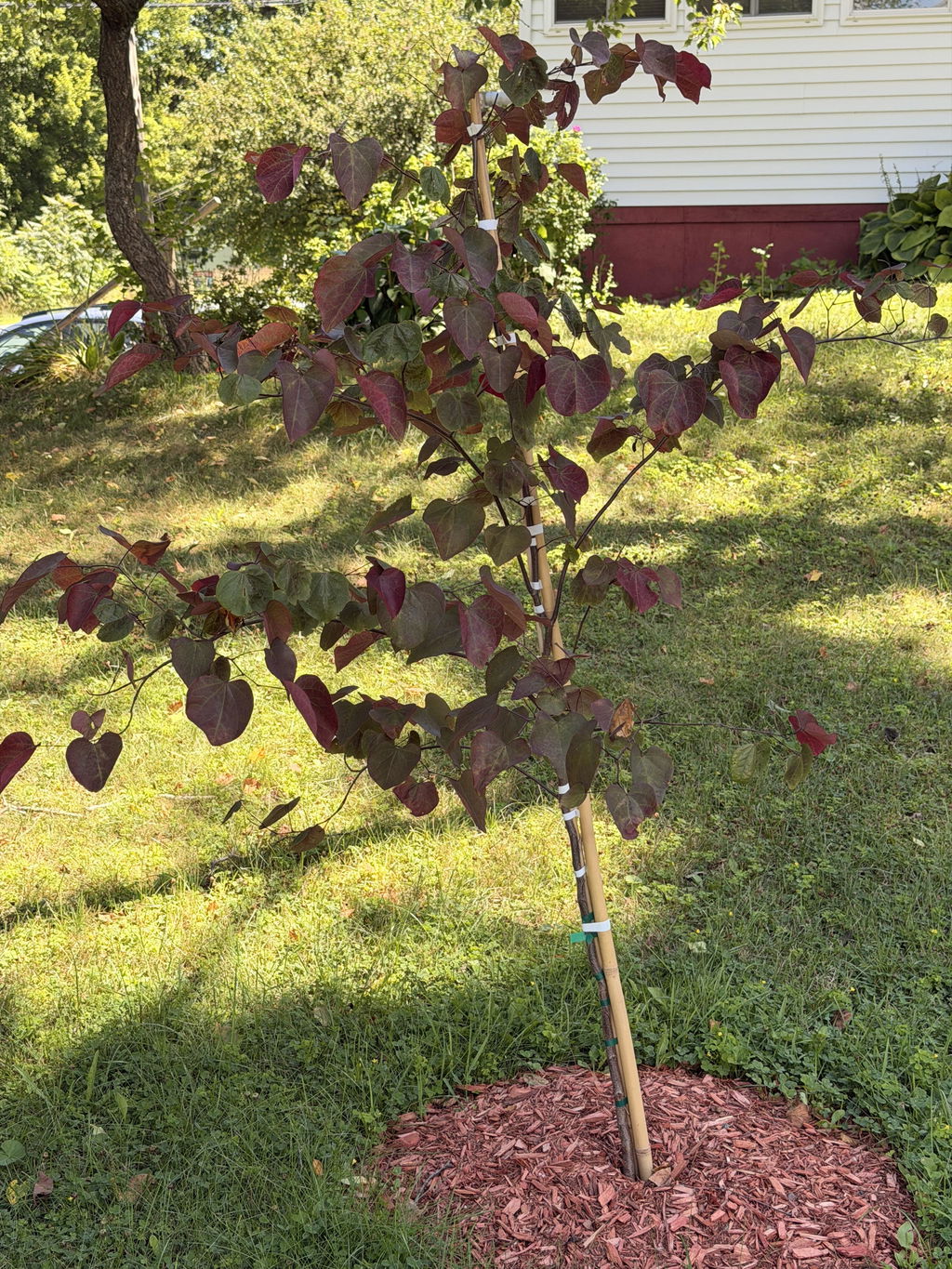
Planting trees in memory of your father is a meaningful thing to do, and we are glad both Forest Pansy Redbuds are settling in well for you. The Forest Pansy is a beautiful choice. Its rosy spring blooms and deep purple foliage will put on a good show for years to come. Thank you for sharing this with us, and for giving the first tree another chance after working through the care questions with our team.
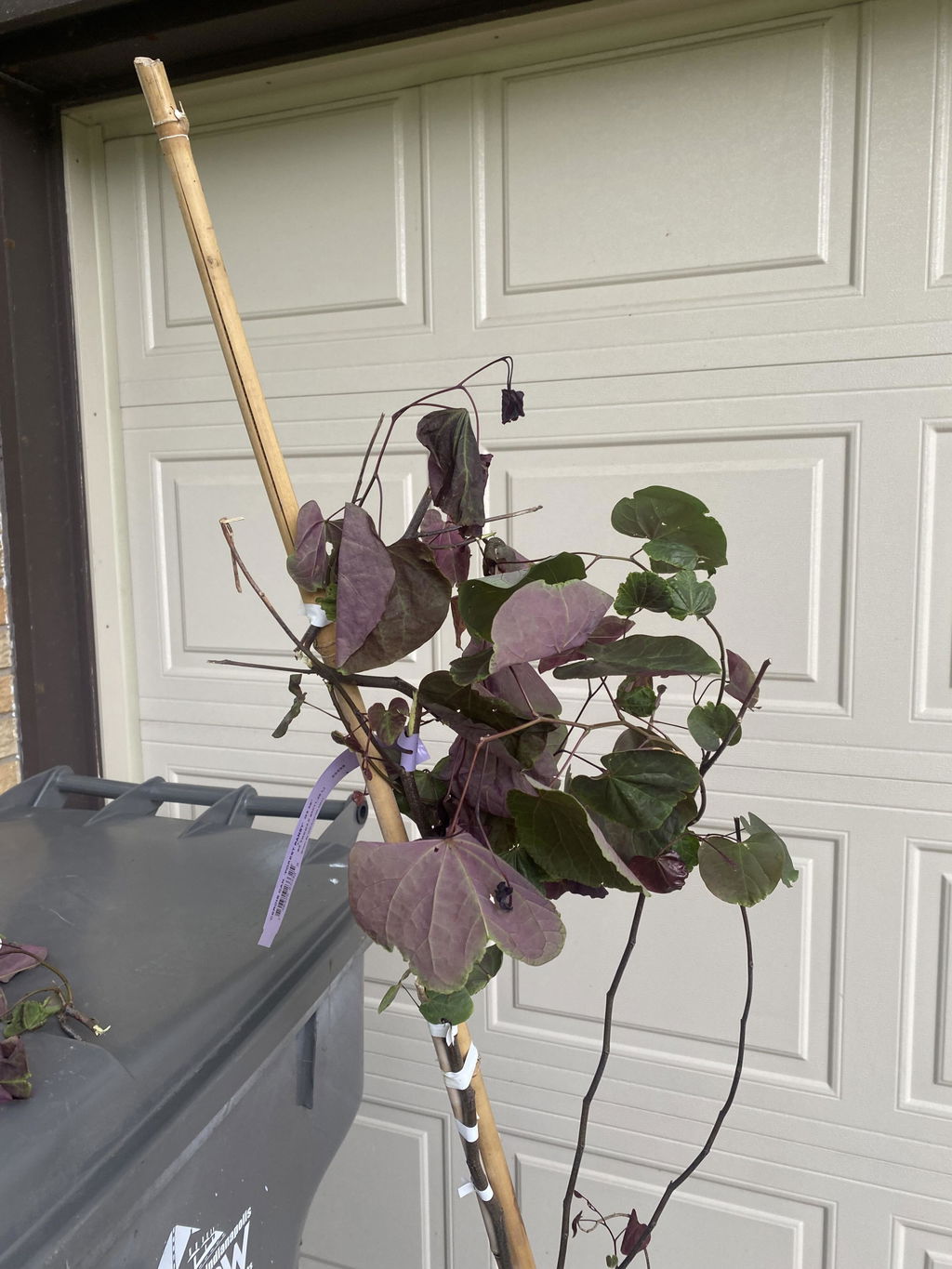
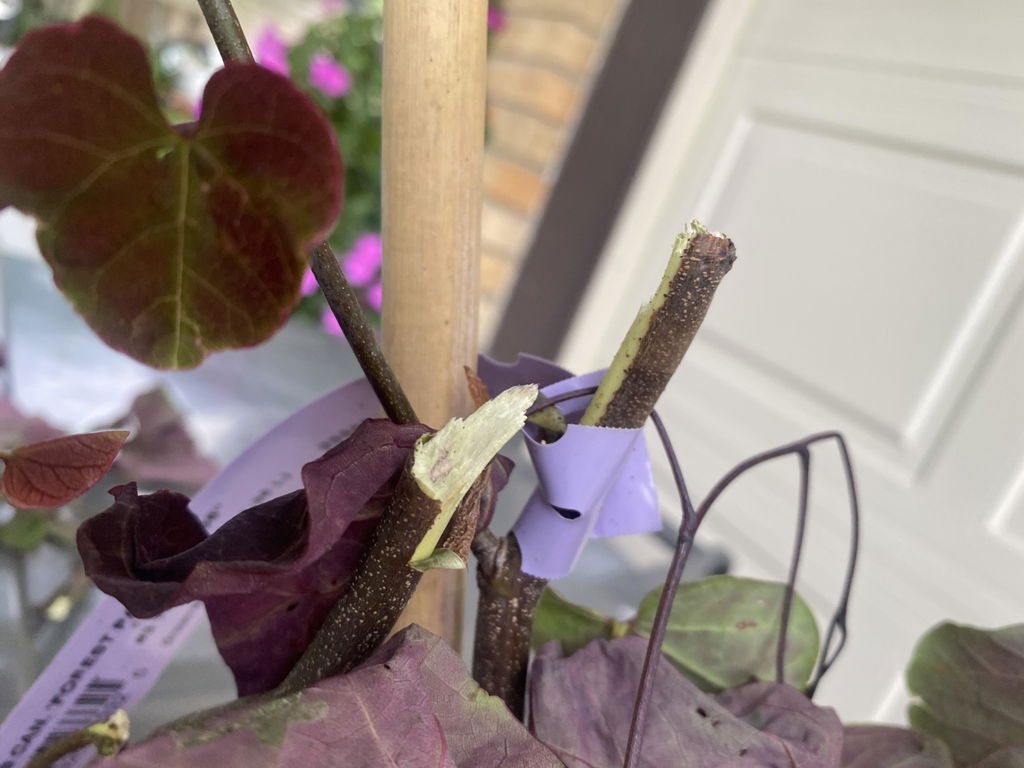
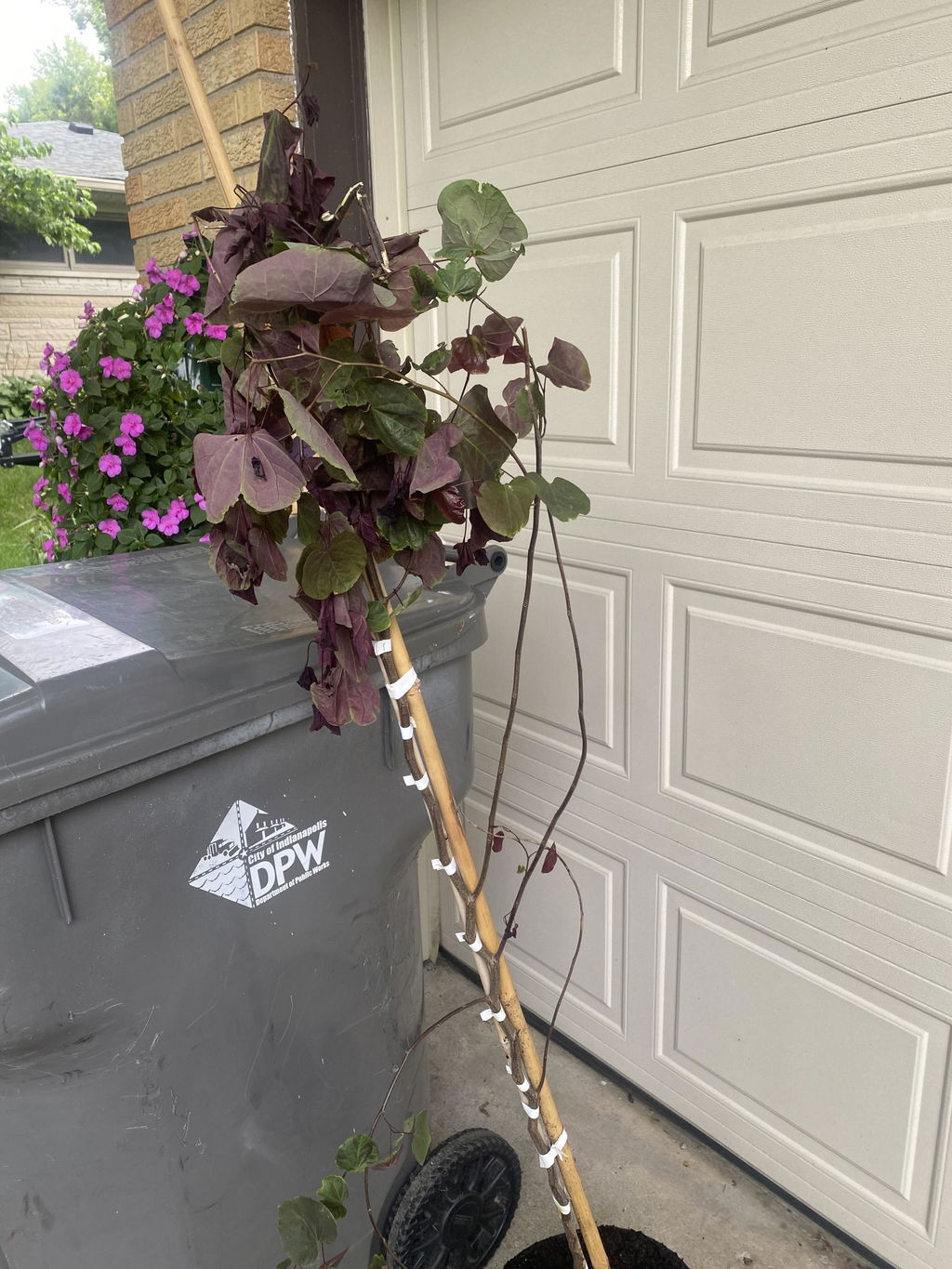
I wouldn’t use UPS to deliver trees, when I received my tree, it had been open at the bottom dirt every where, the branches were broke , I only had 2 branches on it. I had bought a tree before this one and it was delivered in one piece nothing broke. I’m having baby this recent tree I just got because of the conditions I received it!
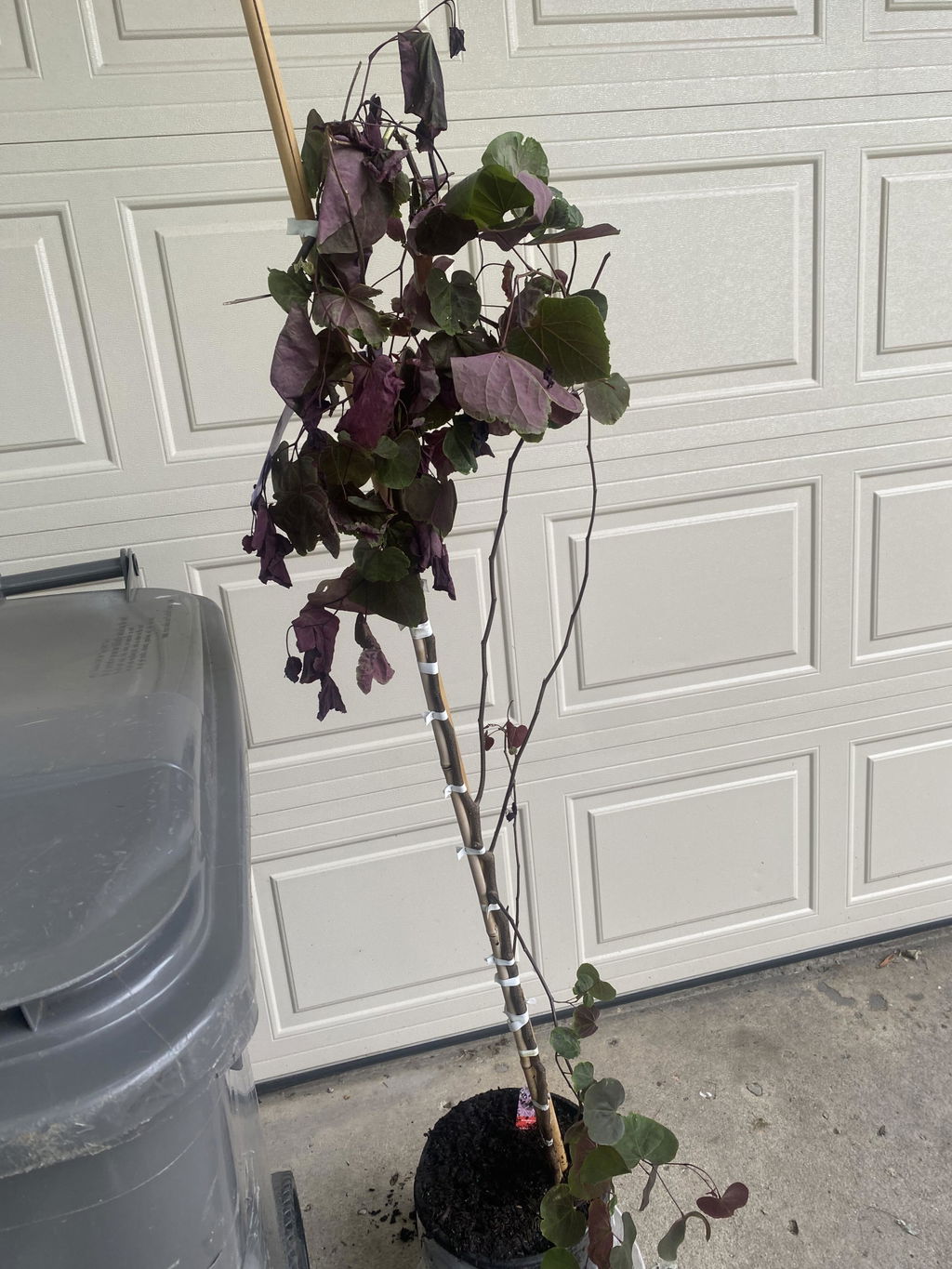
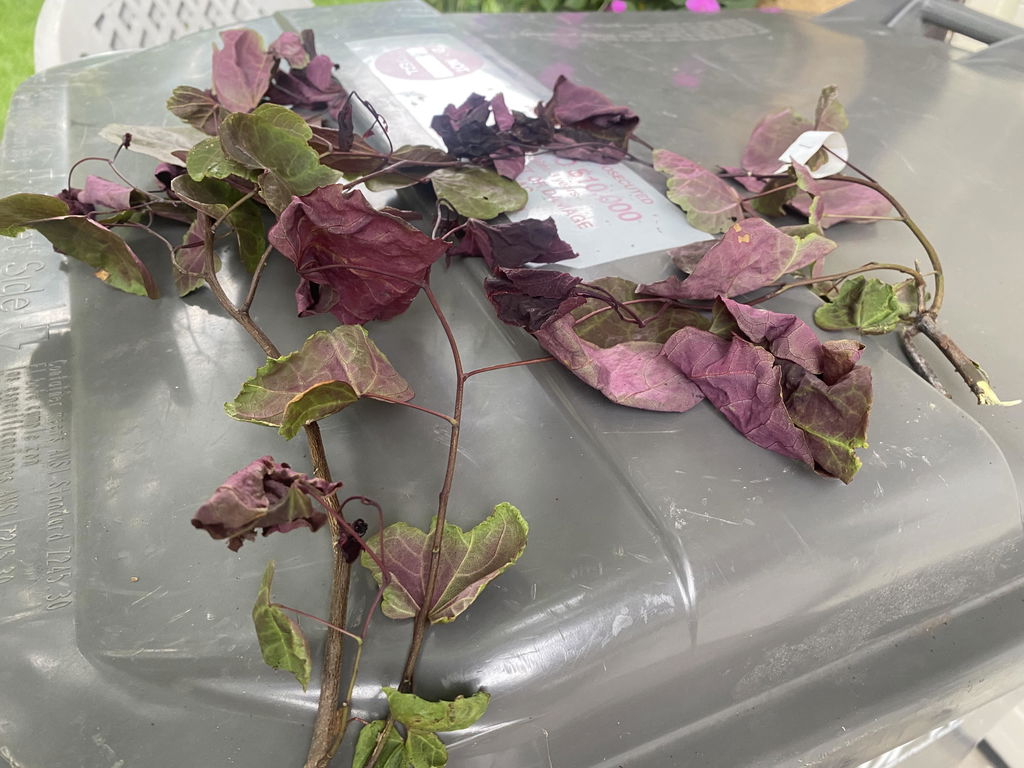
Black forest pansy tree: arrived in good condition planted in the ground next day and waiting to see results. Will keep you updated up-to-date on growth.
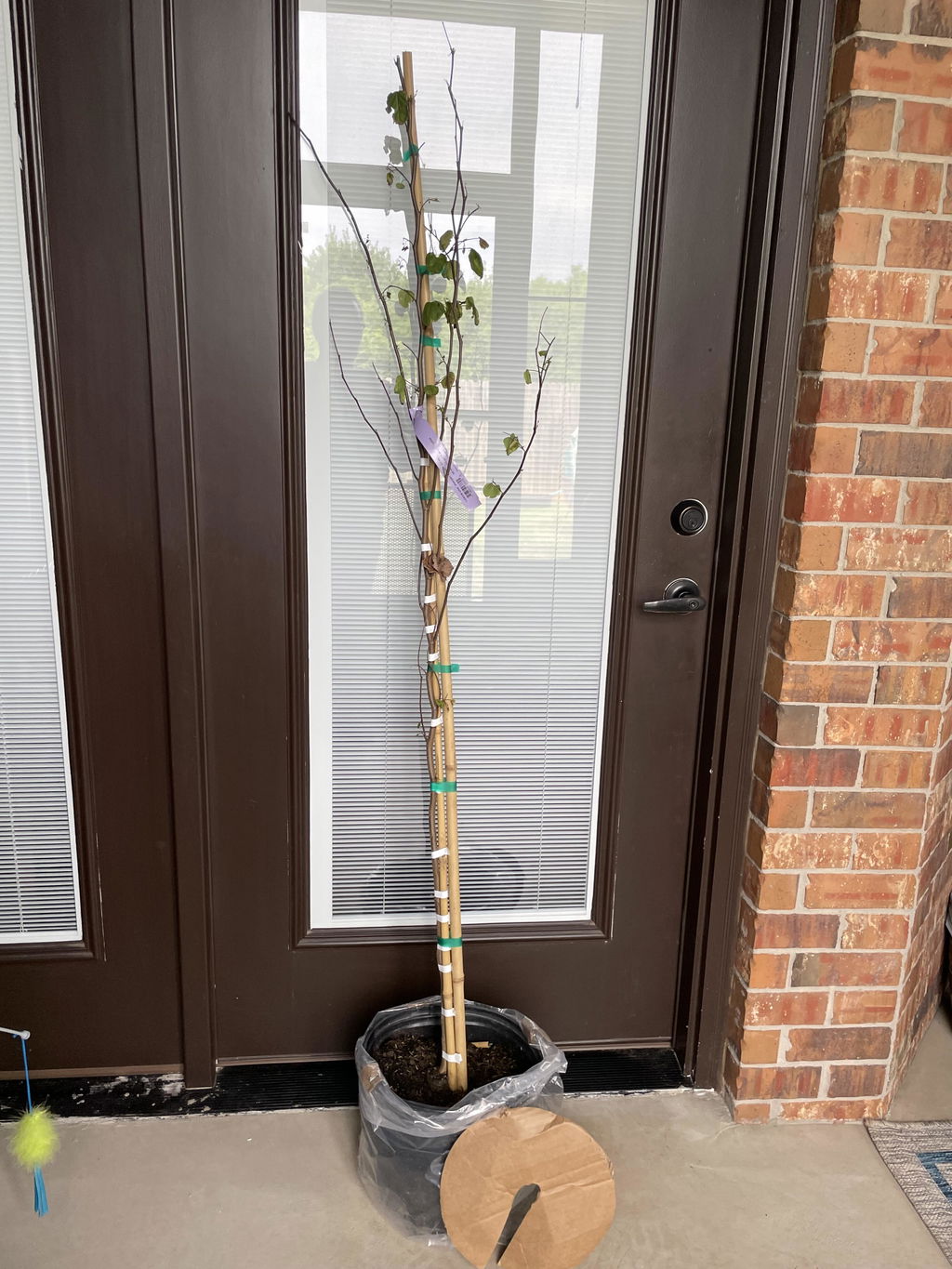
Ordered 2 trees and they arrived within the stated timeframe. One of the packages was torn open but there was no damage to the tree. The container was wrapped nicely in a bag keeping all of the still damp soil intact. 3 weeks since their arrival and many leaves have formed and are turning the signature red color, very happy so far.
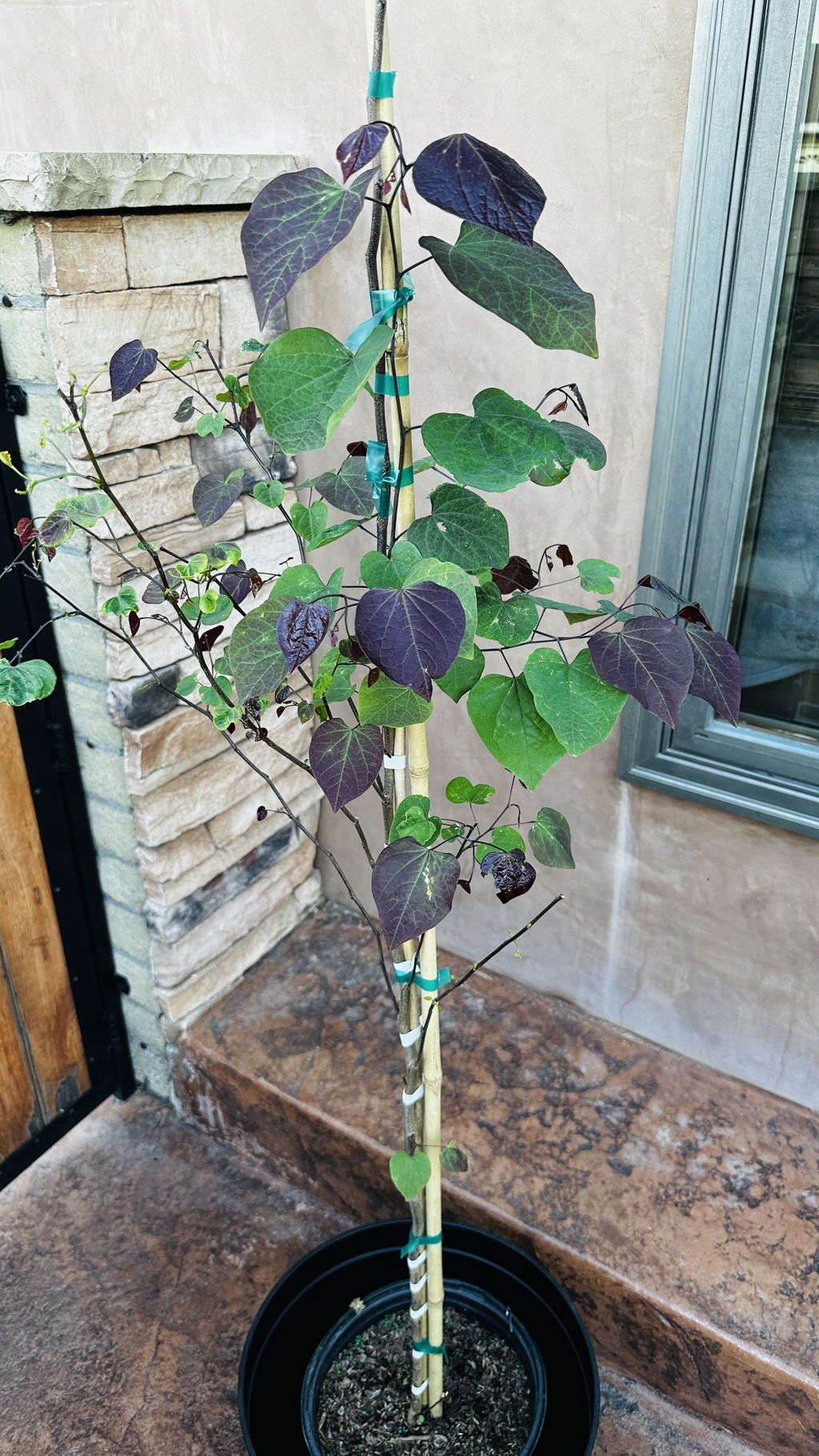
Seeing those leaves push out and shift to that deep burgundy is one of the best parts of growing Forest Pansy. It sounds like both trees settled in well despite the rough packaging on one end. Thanks for the update at the three-week mark. We hope they put on a great show for you this season and for many years ahead.
it’s beautiful! My neighbor stopped by to ask where ai got it. It did start to lean after a few days and we had to tie it to a support.
Forest Pansy is hard to miss when it leafs out. that deep burgundy foliage tends to stop people in their tracks. Staking during the first season is actually pretty common with young redbuds, especially while the root system is getting established, so you did exactly the right thing. Thanks for sharing the note about the leaning, and we hope it settles in and puts on a great show for years to come!- the Nature Hills team
Tree arrived bigger than expected which was a nice surprise. It was in great shape and so far is doing well
Bigger than expected is always a good start. Redbuds establish well when they arrive with a solid root system, so keep an eye on moisture through the first growing season, especially if you hit a dry stretch. Thanks for sharing the update, Terry.
tree is doing well
Hi,
Thank you so much for taking the time to share your positive feedback! We're delighted to hear that your tree is doing well—that’s always wonderful news. If you ever have questions about care or need tips to keep your tree thriving, please don’t hesitate to reach out. We’re here to support you every step of the way.
Bloom on,
The Nature Hills Plant Knowledge Team
tree is doing well
Hi,
Thank you so much for taking the time to share that your tree is doing well! We're thrilled to hear that it's thriving, and your satisfaction means a lot to us. If you ever have any questions about your tree’s care or need tips on helping it grow even stronger, please don’t hesitate to reach out. We’re always here to support your green thumb journey!
To greener days ahead,
Nature Hills Customer Care & Plant Support
Forest Pansy took a little longer to arrive than expected. Was concerned it would dry out before it got here. Once I planted it as instructed it took about 3 weeks and it began to Bud. It is now coming along beautifully. Very satisfied.
Hi,
Thank you so much for sharing your experience with the Forest Pansy! We truly appreciate your patience with the shipping time and completely understand your concern about keeping it healthy before planting. We're delighted to hear that, following the planting instructions, it began budding after a few weeks and is now thriving beautifully in your garden. Watching a new plant grow can be so rewarding, and we're so glad your Forest Pansy is doing well.
If you ever have questions about care or want tips on nurturing your new addition, please don’t hesitate to reach out. We’re always here to help your garden flourish!
Rooting for your garden’s success,
Your Nature Hills Plant Care Team
Forest Pansy took a little longer to arrive than expected. Was concerned it would dry out before it got here. Once I planted it as instructed it took about 3 weeks and it began to Bud. It is now coming along beautifully. Very satisfied.
Hi,
Thank you so much for sharing your experience with the Forest Pansy! We truly appreciate your patience during the delivery and understand how important it is to receive your plants in the best condition possible. It’s wonderful to hear that after planting, your tree began to bud and is now thriving beautifully. Following the care instructions truly makes all the difference!
If you ever need additional guidance or care tips as your Forest Pansy continues to grow, please don’t hesitate to reach out. We’re always here to assist and support your garden’s flourishing journey.
Rooting for your garden’s success,
Your Nature Hills Plant Care Team
Tree was well packed and larger than i expected. Looking forward to watching it grow and the spring displays!
Hi,
Thank you so much for sharing your wonderful feedback! We're delighted to hear that your Redbud arrived in great condition and sized beyond your expectations. Watching a tree grow and thrive over the seasons truly brings joy, and we're excited for you to enjoy the beautiful spring displays ahead.
If you ever have questions about caring for your Redbud or want tips on nurturing its growth, please don’t hesitate to reach out. Our resources and expert team are here to support you every step of the way.
Bloom on,
The Nature Hills Plant Knowledge Team
Tree was well packed and larger than i expected. Looking forward to watching it grow and the spring displays!
Hi,
Thank you so much for sharing your wonderful feedback! We’re delighted to hear that your Redbud arrived in great condition and even exceeded your expectations size-wise. It’s always so exciting to anticipate the beautiful springtime blooms that these lovely trees provide, and we’re happy to be part of your gardening journey.
If you ever have questions about caring for your Redbud or want tips on how to help it thrive for seasons to come, please don’t hesitate to reach out. We also have detailed planting and care guides available on our website that might be helpful as your tree continues to grow.
Wishing you happy planting,
The Nature Hills Plant Experts
My tree arrived healthy and beautiful, just as promised. It was wrapped and had plenty of moisture. It has proved to be a beautiful addition to my garden. Thank you Nature Hills!
Hi,
Thank you so much for sharing your wonderful experience with us! We’re thrilled to hear that your tree arrived healthy, well-moisturized, and beautifully wrapped—exactly as we strive to deliver. Knowing it has become a cherished addition to your garden truly makes our day.
If you ever have any questions about care or seasonal maintenance to help your tree thrive even more, please don’t hesitate to reach out. We’re always here with tips and guidance to support your growing journey.
Wishing you happy planting,
The Nature Hills Plant Experts
I’m pleased with my tree. I put her in her forever home in my back yard next to my yard swing. Albeit she is small there are times that as I sit in the swing and enjoy the sunset her bright purple leaves provide welcome shade from the Georgia evening sun.I’m doing all I can do, It’s up to God now Thank you for prompt shipment and a beautiful 6 ft tree.
Hi,
Thank you so much for sharing your heartfelt experience with your Forest Pansy tree! We’re delighted to hear that your 6-foot tree has found a special spot next to your yard swing and that its bright purple leaves bring you shade and joy during those peaceful Georgia sunsets. Your dedication to caring for the tree shows with how well it’s thriving, and we’re honored to have been part of this lovely moment in your garden journey.
Please remember, young trees need consistent watering, mulching to retain moisture, and occasional pruning to encourage healthy growth. Since the Forest Pansy enjoys partial to full sunlight and well-drained soil, these little touches can help your tree flourish even further. If you ever have questions or want tips as your tree grows, don’t hesitate to reach out to us!
We’re so glad our prompt shipment and quality tree met your expectations. Wishing you many relaxing moments swinging by your bright and beautiful Forest Pansy.
Rooting for your garden’s success,
Your Nature Hills Plant Care Team
I’m pleased with my tree. I put her in her forever home in my back yard next to my yard swing. Albeit she is small there are times that as I sit in the swing and enjoy the sunset her bright purple leaves provide welcome shade from the Georgia evening sun.I’m doing all I can do, It’s up to God now Thank you for prompt shipment and a beautiful 6 ft tree.
Hi,
Thank you so much for sharing your beautiful experience with your Forest Pansy! We’re delighted to hear that she has found her “forever home” beside your yard swing and that her vibrant purple leaves offer you some shade during those peaceful Georgia sunsets. It’s wonderful to know that your thoughtful planting adds such special moments to your outdoor space.
You’re absolutely right—nurturing your tree and giving it love and care sets a wonderful foundation, and trusting in God’s watchful care makes the experience all the more meaningful. If you ever have questions about how to best support her growth, from watering tips to seasonal care, please don’t hesitate to reach out. We’re always here to help make sure your adopted tree thrives for years to come.
Wishing you many serene nights next to your beautiful tree and swing!
Wishing you happy planting,
The Nature Hills Plant Experts
My tree arrived healthy and beautiful, just as promised. It was wrapped and had plenty of moisture. It has proved to be a beautiful addition to my garden. Thank you Nature Hills!
Dear Joanne,
Thank you so much for your wonderful feedback! We’re thrilled to hear that your tree arrived healthy, beautifully wrapped, and well-moisturized, just as promised. Knowing it’s become a lovely addition to your garden brings us great joy. If you ever need tips on seasonal care, watering schedules, or pruning, feel free to reach out—we’re always here to help your garden thrive.
Wishing you happy planting,
The Nature Hills Plant Experts
The baby tree was a gift to my daughter. It is doing very well this spring and added an attractive red color contrast to her garden which she likes very much.
Dear Barbara,
Thank you so much for sharing this lovely update about the Forest Pansy Redbud Tree! We’re delighted to hear that the baby tree is thriving this spring and adding that beautiful red contrast your daughter enjoys in her garden. It’s always wonderful when a special gift like this can bring such joy and color to a garden space.
As the tree matures, it will continue to display its vibrant foliage and graceful canopy—but if you’d ever like tips on watering, fertilizing, or pruning to keep it at its best, please feel free to reach out. We’re here to help ensure it flourishes for years to come.
Wishing you happy planting,
The Nature Hills Plant Experts
The baby tree was a gift to my daughter. It is doing very well this spring and added an attractive red color contrast to her garden which she likes very much.
Dear Barbara V.,
Thank you so much for sharing this wonderful update about the Forest Pansy Redbud Tree you gifted to your daughter! We’re thrilled to hear that it’s thriving this spring and adding such a lovely splash of red to her garden. The vibrant contrast these trees provide truly makes gardens come alive, and it sounds like it’s doing just that for her outdoor space.
If you or your daughter ever want some tips on how to keep the tree healthy and vibrant through the seasons, please don’t hesitate to reach out. Ensuring it has well-draining soil and plenty of sunlight will help maintain those beautiful colorful leaves year after year.
We appreciate you trusting Nature Hills to be part of that special gift, and we’re here whenever you need us.
Growing with you,
Nature Hills Nursery – Your Trusted Plant Specialists
Love this tree. Beautiful in every stage from flowers to leaves. Beautiful canopy form.
Dear Nana,
Thank you so much for sharing your wonderful experience with your Forest Pansy Redbud Tree! We're thrilled to hear how much you love its beauty at every stage—from those charming flowers to the elegant canopy form. It's such a special tree that brings vibrant color and unique texture to any landscape.
If you ever need tips on seasonal care to keep your tree thriving (like mulching in spring or monitoring moisture during hotter months), we’re always here to help! The Forest Pansy Redbud truly shines with a little extra attention through its growing season, and we’d love to support you in getting the most out of your lovely tree.
Thanks again for your thoughtful review, Nana, and happy gardening!
Bloom on,
The Nature Hills Plant Knowledge Team
Love this tree. Beautiful in every stage from flowers to leaves. Beautiful canopy form.
Dear Nana,
Thank you so much for sharing your wonderful experience with your Forest Pansy Redbud Tree! We’re thrilled to hear how much you love its beautiful progression from the flowering stage to its lovely canopy form. It truly is a stunning tree that adds charm and elegance throughout the seasons.
If you ever want tips on how to keep it flourishing or suggestions for complementary plants to enhance your garden’s beauty, please don’t hesitate to reach out. Remember, giving it plenty of well-drained soil and adequate water during the early stages helps the forest pansy thrive and develop that distinctive shape you enjoy so much.
Wishing you happy planting,
The Nature Hills Plant Experts
I have a neighbor with an eastern redbud that is probably close to 40 feet tall. It's pretty but it's got 3 primary trunks & I worry a strong storm could bring some of the overhanging branches down pretty easily. I have a forest pansy and I LOVE how it keeps a nice, neat rounded form and doesn't get too tall.
Hi Buddy,
Thank you so much for sharing your wonderful experience with your Forest Pansy Redbud Tree! We’re delighted to hear you appreciate its neat, rounded form and manageable height. You’re absolutely right—while the classic eastern redbud can become quite tall and sometimes a bit unwieldy with multi-trunk growth, the Forest Pansy’s single-trunk habit and compact shape make it a great option especially for those looking for a tidier, storm-resilient tree.
If you haven’t already, regular pruning to remove any crossing or weak branches will also help keep your tree healthy and strong against storms. Plus, the stunning purple-hued leaves of the Forest Pansy provide a beautiful pop of color throughout the growing season—no wonder you love it!
Feel free to reach out anytime if you want tips on tips on care or pruning to keep your tree thriving.
Wishing you happy planting,
The Nature Hills Plant Experts
