


-

Malus zumi 'Calocarpa'
New arrivalRegular price $6943Unit price /Unavailable -
Prairifire Flowering Crabapple Tree
Malus x 'Prairifire'
Regular price $9314Unit price /Unavailable -
-
Sargent Flowering Crabapple Tree
Malus sargentii
Sold outRegular price $8944Unit price /Unavailable -




Crabapple Trees
Flowering Crabapple Trees For Sale at Nature Hills Nursery

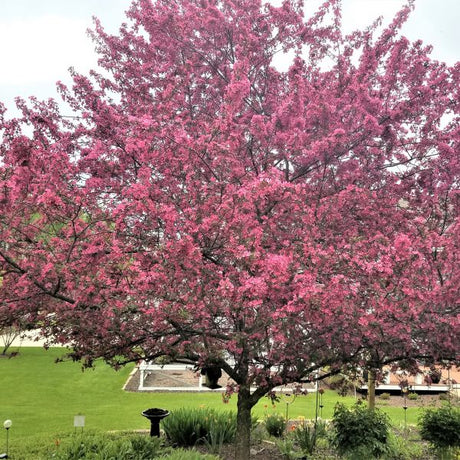
Flowering crabapple trees deliver four seasons of beauty with stunning spring blooms, vibrant fall color, and colorful winter fruit that feeds songbirds all season long. These hardy ornamental trees thrive in zones 4-8 and offer exceptional disease resistance for low-maintenance landscaping.
Choose from over 20 varieties including top performers like disease-resistant Prairifire, purple-leaved Royal Raindrops, and clean fruitless Spring Snow. Whether you need a compact 10-foot dwarf variety or a stunning 25-foot specimen tree, you'll find the perfect crabapple for your landscape.
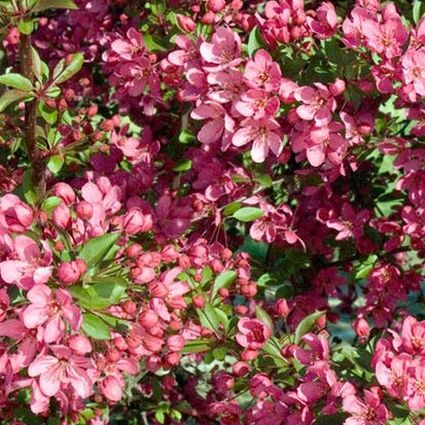
Why gardeners love crabapple trees: These members of the Malus genus (which includes all apple relatives) bloom for 2-3 weeks each April through May with fragrant flowers in white, pink, coral, and near-red shades. They're exceptional pollinator magnets that support early-season bees, and their persistent fruit feeds overwintering songbirds like robins and cedar waxwings through the coldest months.
Best Crabapple Varieties for Your Landscape
Not all crabapples are created equal. Modern disease-resistant varieties eliminate the maintenance headaches of older cultivars while delivering superior beauty:
- Prairifire Crabapple - Most disease-resistant variety with wine-red spring blooms and burgundy foliage
- Royal Raindrops Crabapple - Stunning purple cutleaf foliage makes this variety a year-round standout
- Spring Snow Crabapple - Fruitless variety means zero mess, perfect for patios and driveways
- Dolgo Crabapple - Large edible fruit, excellent pollinator for apple orchards, cold-hardy to zone 3
- Coralburst® Crabapple - Dwarf habit with coral-pink double blooms, ideal for small yards
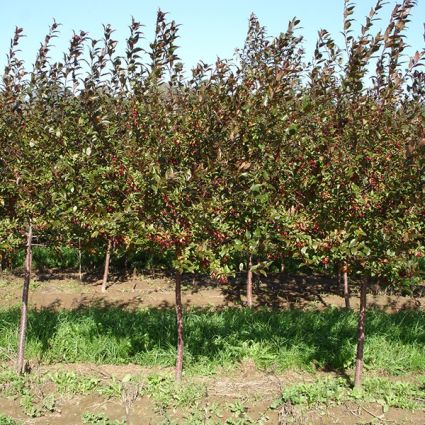
- Pink Sparkles® Crabapple - Shiny red persistent fruit that songbirds adore all winter long

Clean vs. Messy Crabapples: How to Choose
Worried about messy fruit drop? Choose wisely and you won't have cleanup concerns. Fruitless varieties like Spring Snow produce zero fruit, while persistent-fruit varieties hold their small ornamental fruits well into winter, meaning birds clean them up for you. Avoid older varieties with large fruit that drops and creates maintenance issues.
Modern crabapples resist common diseases like apple scab, fire blight, and powdery mildew. This means less spraying, less leaf drop mess, and healthier trees that look beautiful all season.
Using Crabapple Trees in Your Landscape
Crabapples are remarkably versatile landscape trees. Their spring flower display rivals any ornamental, blooming for weeks in April and May. These fragrant blossoms attract pollinators to your garden and even help set fruit on nearby apple trees.
Crabapples shine in multiple landscape roles:
- Specimen trees - Make a statement as a focal point in your front yard
- Street trees - Columnar and upright varieties fit narrow planting strips perfectly
- Small yards - Dwarf varieties like Lollipop® stay under 12 feet
- Wildlife gardens - Persistent fruit feeds 20+ bird species through winter
- Foundation plantings - Weeping varieties like April Showers™ add architectural interest
- Orchard companions - Excellent pollinators that extend bloom time for apple harvests

Beyond Beauty: Edible Uses for Crabapples
Many crabapples are edible, though they're tart rather than sweet. Early American settlers used them for hard cider production, and they remain excellent for that purpose today. Their high pectin content makes them perfect for jellies, jams, and apple butter. The Dolgo, Chestnut, and Hyslop varieties produce larger, more palatable fruit ideal for preserving.
Growing Crabapple Trees: Care Guide
Hardiness: Most varieties thrive in USDA zones 4-8, with some hardy to zone 3
Mature Size: Ranges from 8-foot dwarfs to 25-foot trees, most reach 15-20 feet
Lifespan: 40-70 years with proper care
Growth Rate: Moderate, 12-24 inches per year
Sunlight: Plant in full sun (minimum 6 hours daily) for best flowering and fruiting. Less sun means fewer blooms and sparse fruit.
Soil: Adaptable to most well-drained soils with a pH between 5.0-7.5. Add organic compost at planting time for best establishment.
Spacing: Space standard varieties 15-25 feet apart, dwarf varieties 10-15 feet apart.
Watering: Use the Finger Test method to water new trees regularly during their first year. Established trees need supplemental water during fruiting and extended drought periods.
Mulching: Apply 3-4 inches of organic mulch around the root zone for moisture retention and temperature protection.
Pruning: Best done in late winter before spring growth. Remove crossing branches and maintain an open center for air circulation and disease prevention.
When to Plant Crabapple Trees
Spring and fall are ideal planting times. Spring planting (March-May) allows trees to establish before summer heat, while fall planting (September-November) lets roots grow during cool weather before winter dormancy. Get the complete planting guide for timing specific to your zone.
Buy Flowering Crabapple Trees Online
Nature Hills Nursery ships healthy, container-grown crabapple trees backed by our guarantee. Every tree arrives in excellent condition, properly sized for easy establishment. Order your crabapples today and enjoy decades of four-season beauty, wildlife habitat, and low-maintenance color in your landscape!
