


-
Petunia x atkinsiana 'Firefly White'
Sold outRegular price $5796Unit price /Unavailable -
-
-
-
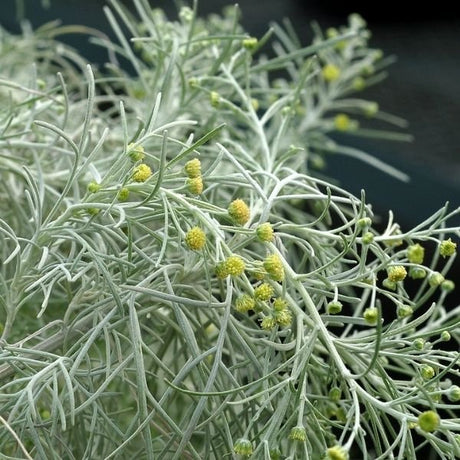
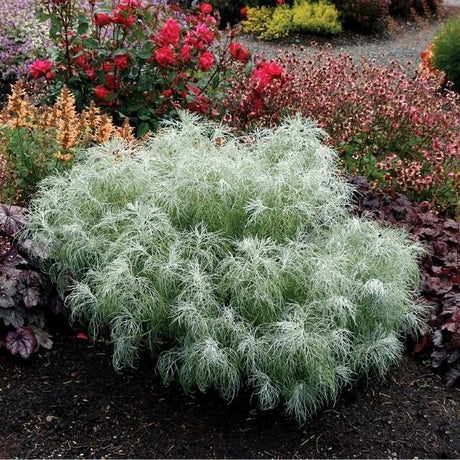
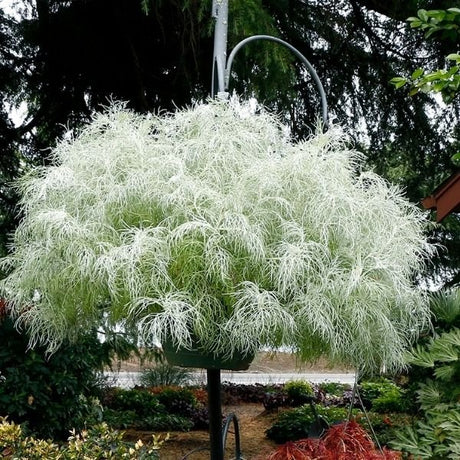
Artemisia makana 'TNARTMS'
Sold outRegular price $4471Unit price /Unavailable -
-

Allium ampeloprasum 'Elephant'
Sold outUp to 7% offRegular price From $267Unit price /Unavailable -

Dahlia pinnata 'Pulp Fiction'
Sold outRegular price $000Unit price /Unavailable -
Snowstorm® Giant Snowflake® Bacopa
Sutera cordata 'Danova906'
Sold out16% offSale price $4833 Regular price $5776Unit price /Unavailable -
-

Anemone blanda (Mix)
Sold outUp to 17% offRegular price From $294Unit price /Unavailable -

-

Double Blooming Yellow Freesia
Freesia x hybrida 'Yellow'
Sold outRegular price $2988Unit price /Unavailable -
Narcissus 'Apricot Whirl'
Sold out8% offSale price $5753 Regular price $6249Unit price /Unavailable -
-
Begonia DRAGON WING 'Red'
Sold outRegular price $000Unit price /Unavailable -
-
-
-
Angelonia ANGELFACE WHITE 'Anwhitim'
Sold outRegular price $000Unit price /Unavailable -
-
Bright Lights Swiss Chard Plant
Beta vulgaris 'Bright Lights'
Sold outRegular price $000Unit price /Unavailable -
-

-
-
-
Allium 'Purple Sensation'
Sold outUp to 15% offSale price From $3180 Regular price $3737Unit price /Unavailable -
-
English Thyme, Parsley, and Oregano 3 Pack
Thymus vulgaris, Petroselinum crispum, Origanum x majoricum
Sold outRegular price $4995Unit price /Unavailable -
-
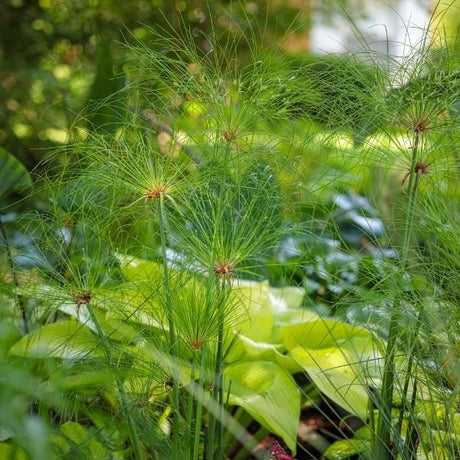
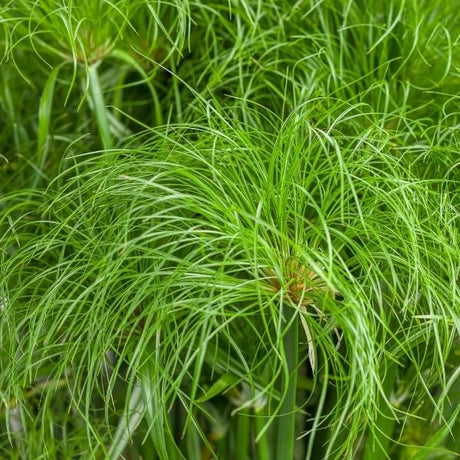
Graceful Grasses® Prince Tut™ Dwarf Egyptian Papyrus
Cyperus papyrus 'Prince Tut'
Sold outRegular price $16967Unit price /Unavailable -
-
Xerochrysum 'Sundaze Flame'
Sold outRegular price $000Unit price /Unavailable -
-

Narcissus 'Rip Van Winkle'
Sold out13% offSale price $3943 Regular price $4545Unit price /Unavailable






Bulbs
Flower Bulbs for Sale at Nature Hills Nursery
If you’re looking to create a garden that starts to wake up during the first signs of spring, you’re in the right place. You’ll find a range of designer-quality flower bulbs for sale right here at Nature Hills Nursery. Our superior collection of spring flowers includes all-time favorites like tulips, daffodils and hyacinth. We also have carefully chosen combinations of mixed bulbs that work together like a dream. What makes our spring bulbs so fantastic?

- Many different colors and shapes available
- Easy to plant and grow
- Spring-blooming bulbs that get planted in fall
- We ship to your door at just the right time for planting
- Spring flowering bulbs make your garden complete
There is nothing more welcoming than the sight of new life peeking up out of the ground after a long, hard winter. Bulbs make your spring a joyful experience. With careful planning, you can extend your bulb flowering season from very early spring all the way through fall.
We ship your bulbs directly to your door at just the right time for you to plant. Some bulbs should be planted in fall, and others should be planted in spring. We'll hold your order until it's the perfect planting time for your area.
If you've never planted bulbs before, we're here to help. Read on for tips and tricks for successfully growing those amazing spring flowers that everyone just loves.
Plan A Gorgeous Spring with Flower Bulbs to Plant in Fall
Flowering bulbs each bloom in their own season. If you plant a variety of bulbs, you'll love the extended display of flower power in your landscape.
Snowdrop flower bulbs and Crocus flowers come first. These tiny beacons tell you that spring is on the way. Don't be surprised to see them peeking their head up through the snow.

Next, come the hardy Daffodils (Narcissus). These cheerful flowers are easy care and long-lived. They love well-drained soil and full sun. They'll come back for you every year.
Fragrant Hyacinth are some of the most popular bulbs to plant in fall. These beauties perfume the air and delight the eye. Available in a wide range of pretty colors, we know you'll fall in love with these charming flowers.
Gorgeous Tulips are next on the list, and they can overlap with Daffodils with their flowering seasons. With a wild assortment of colors and forms, these sexy flowers make a tremendous impact on your landscape.
It's no wonder these valuable bulbs caused the first economic bubble — nicknamed "Tulip Mania" — in the Netherlands during the winter of 1637. We totally understand why people might lose all restraint around Tulips.
Types of Daffodils
There are Daffodil varieties for early season, mid-season and late season. If you choose bulbs from each of those seasons, you'll extend the blooms.
Trumpet Daffodils always have one large flower per stem. They will naturalize and multiply for you if fertilizer is applied every year. Trumpet daffodils are wonderful when used for large displays. These huge flowers can be seen from a distance. Our daffodil bulbs for sale include improved selections that resist pests and diseases and are great for cut flower arrangements.
Small Cupped Daffodils feature one small flower to a stem. To qualify for this petite range, the corona or cup can't be more than one-third the length of the petals. These little cuties are great for perennial beds. Be sure to include some in any cutting garden. They make the sweetest little cut flower arrangements.
Large Cupped Daffodils are the perfect choice if you want to design an impressive mass display. They are also wonderful when you are plantings in clumps. With one flower per stem, they can be used for landscaping and forcing and cut flowers. These make a great combination with early Tulips.
Double Daffodils are unusual for the fact that they have no center cup. These fragrant spring flowers instead have a double, ruffled center. These draw the eye in formal plantings. You'll love the look and the incredible scent.
Split Corona Daffodils have a split cup. They are best used as a special focal point in the garden. You'll want to give these spring-flowering bulbs a chance to shine in a place where the unique flower shape can be studied and enjoyed.
Daffodil Narcissus Paperwhite are the classic, fragrant forcing bulbs for use indoors during winter. They make fabulous tablescapes for New Year's Eve, but you need to plan ahead.
Start Paperwhite bulbs in containers without drainage holes 4 to 6 weeks before your event. Use shallow bowls or even oversized cocktail glasses. You can grow them in either decorative rock or soil. Plant them pointed side up and cover the bulb about halfway up. To keep the plants shorter, give them a mixture of 5% clear vodka and water.
Deer don't usually like Daffodils. Be sure to look for the deer-resistant varieties if you live in deer country.

Types of Tulips
Single Early Tulips are excellent early blooming varieties that can combine beautifully with Daffodils and Hyacinths. The flowers are well-shaped, and they feature nice, strong stems. They can also be forced indoors for a visual treat in wintertime. Some varieties are fragrant.
Double Early Tulips look like Peonies or Roses. Large, flat flower heads make a spectacular display when mass-planted. Give them protection from areas that may be impacted by high winds. Try these in large containers. What a wonderful spring welcome when planted on either side of your front door.
Single Late Tulips grow tall and can be used in combination with partner perennials. They feature long, strong stems. Plant these with earlier blooming varieties to extend your tulip season of flowers. Plant plenty of them. You'll want to snip some to bring indoors for sophisticated cut flower arrangements.
Double Late Tulips are long-lasting flowers that look like large Peonies. Cut them early to use in cut flower arrangements. Give them protection from wind and rain.
Darwin Hybrid Tulips are the most popular landscape varieties, and they come in a rainbow of gorgeous colors. These spring flowers open in mid-season, and many varieties come back year after year. With tall, sturdy stems, they make excellent cut flowers.
Fringed Tulips are very elegant. They'll bloom in mid to late season and make an incredible focal point in the spring garden. They are long-lasting and a beautiful sight to behold with their fringed-edged petals.
Viridiflora Tulips are exotic, late-flowering Tulips that are a wonderful addition to flower arrangements. These spring-flowering bulbs will add color to any combination in the garden, effortlessly amping up the charm. Not many people are familiar with these, so using them will help your garden stand out from the rest.
Lily Flowering Tulips are cute, brightly colored and have an unusual shape with pointed tips. Tall, slender stems make them an excellent choice for cut flowers.
Kaufmanniana Tulips are short, so they work beautifully to naturalize at the edge of a bed or in a rock garden. You'll love the bright colors and early flowering. With striped foliage and star-shaped blooms, these darling plants are a treasure.
Fosteriana Tulips are loved by landscapers. They'll bloom early and complete their maturing cycle just in time to plant annuals. Use these in commercial applications, or when you'll be replanting a bed with colorful annual flowers.
Check out the full range of tulip bulbs for sale to start your own personal collection of favorites.
#ProPlantTips for Planting Flower Bulbs

Flower bulbs need well-drained soil. If you notice puddles long after a rain, you'll need to improve the drainage in your soil. Add organic matter like compost to the surrounding soil, or mound up by adding soil to the top of your native soil. Plant directly in the mound.
To plant bulbs, use a trowel or a bulb planter. For large drifts, it may be easier to dig the entire section out to the recommended depth.
Set the bulb in the hole with the pointed side up, and the roots pointing down. After you've placed the bulb in the hole, cover it back up with soil and water well.
You can feed your spring bulbs with a granular slow-release fertilizer after planting in fall. Sprinkle the fertilizer on top of the ground, following instructions on the label. It's fine to give your bulbs an annual feed every fall using the same method.
In spring, you'll love watching your bulbs flower and bloom. While your spring bulbs are blooming, give them supplemental water, up to one inch per week. After their bloom is done, keep bulbs on the dry side.
About eight weeks after they bloom, you'll notice the foliage start to go yellow and go dormant. Flowering bulbs shine in spring, then sleep the rest of the year.
Therefore, it's a good idea to add other perennial plants like Coral Bells, Hosta, Roses or Russian Sage to your spring bulb garden. As the spring turns to summer, these other plants start to flourish. Their growing foliage helps to cover the curing yellow foliage of the now-dormant bulbs.
Please don't mow, cut, braid or fold-under any leaves until they are completely yellow, as the bulb needs them to store energy from the sun for next year. Instead, hide them by using partner plants. Once the leaves are completely yellow, you can trim them off.
How to Use Spring Flowering Bulbs in the Landscape
You can use spring bulbs in several ways in your landscape. Read the planting instructions to see how deep to plant each bulb variety. A good rule of thumb is to bury it three times as deep as the maximum width.
In terms of planting design, there are two schools of thought. Some people prefer to space out their bulbs in tidy, even rows. Simply use an equal measurement from bulb to bulb following the planting directions on the package.
Others prefer to create natural-looking clusters or drifts. The space between each bulb will be varied, but don't allow any bare spots for a lush display.
Plant at least 10 of the same variety to create a cluster. Drifts are created by using a long, skinny oval. No need to be perfect; irregular is better. Keep the planting plan narrower at either end and wider in the middle. Vary the number of bulbs used. Go for one or two spring bulbs on the ends, and five or six deep at the widest point.
Try edging a garden border with your spring-flowering bulbs. You can stick with your favorite variety, or try a mix of two, three or more varieties. It's so easy to tuck bulbs into your existing planting beds.
You can underplant spring-blooming trees like blue Chinese Wisteria Tree, Flowering Dogwood or Crabapples with bulbs for a tremendous boost of visual interest.

No cutting garden would be complete without spring bulbs. Plant clusters of bulbs together for an easy harvest.
Take that idea to the next level with a mass planting. For mass plantings, it may be easier to dig out a section, or plan to mound more dirt over the bulbs. This is where you can achieve a marvelous look with regular spacing to create precise rows. Perhaps you've seen patterns used, where massed bulbs in different colors are placed side by side to create an eye-catching geometric display.
Naturalize spring bulbs in the landscape by allowing them to spread out and multiply. Over time, you can even transplant them to lengthen the size of the planting. There is nothing like a naturalized meadow or field with daffodils happily spreading cheer to all who view them.
It's easy, fun and rewarding to try your hand at forcing Daffodils and Hyacinth bulbs indoors over winter. Paperwhite Daffodil Narcissus, Darwin Hybrid Tulips, Amaryllis and Hyacinth can all be forced.
Rock gardens are a great place to showcase shorter spring-flowering bulbs. Give your bulbs a place of honor to showcase their fantastic color and style. This is especially true of the more flamboyant varieties, such as Parrot Tulips.
Of course, container gardens make a wonderful impact. For large containers, plant the bulbs at the recommended planting depth. For small containers, divide the recommended planting depth in half.
More Facts About Our Flowering Bulbs for Sale
Spring bulbs are diverse, with more than 3,000 species and many more thousands of varieties. All bulbous plants share the common traits of having self-contained food storage and being adapted to live underground.
True bulbs like Tulips and Daffodils contain a complete embryo packed inside their fleshy layers of tissue. There are also different kinds of bulbs: corms like Crocus, tubers like Anemone, rhizomes like Lily of the Valley, and tuberous-rooted plants like Dahlias.
Their leaves gather energy from the sun and store it in their fleshy tissue. This marvelous adaptation makes bulbs very easy to grow. Like a turtle with its shell, bulbs have enough nutrients to carry the plant through bloom and beyond.
Many popular spring-blooming bulbs originated in areas that include North Africa and Southern Europe, stretching through Southwestern Russia. Spring flowering bulbs flourished in moderately sandy soil with sharp drainage. There was plenty of spring rainfall and hot, dry summers.
Some gardeners prefer to try new bulbs each year. With all the colors, shapes and sizes, that is a tempting option, especially for seasonal container gardens. No matter how you decide to add spring-flowering bulbs to your garden, you’ll find the best flower bulbs for sale right here at Nature Hills Nursery. Place your order today.

FAQ's for Buying Bulbs Online
Which flowering bulbs are the most reliable for beginners and why?
Which flowering bulbs are the most reliable for beginners and why?
First, look for species that tolerate a wide range of soils, shrug off pests, and naturalize (multiply) without fuss. Daffodils contain alkaloids deer and rodents dislike, so they rarely get eaten. Crocus and grape hyacinth push early color yet require almost no care once planted. Alliums deter browsers with onion‑scented foliage while adding dramatic globes later in spring. Because these bulbs store their own energy reserves, they bloom the very first season; their built‑in food supply and pest resistance eliminate two major failure points for new gardeners, turning early success into long‑term confidence.
When should I plant spring‑ and summer‑flowering bulbs, and how deep should they go?
When should I plant spring‑ and summer‑flowering bulbs, and how deep should they go?
Start by matching planting time to each bulb’s natural growth cycle. Spring‑bloomers (tulip, daffodil, hyacinth) need cold to trigger buds, so plant them in fall—when soil cools to 55 °F but before it freezes—to give roots 4–6 weeks of growth. Summer‑bloomers (dahlia, gladiolus, canna) are frost‑tender; plant after soil warms above 60 °F in mid‑ to late spring. Depth matters next: a simple rule is two to three times the bulb’s height—e.g., a 2‑in. tulip bulb sits 4–6 in. deep. Planting too shallow risks frost heave and animal damage; too deep can exhaust stored energy before shoots reach light. By aligning season and depth, you satisfy both chilling or warmth requirements and secure sturdy stems come bloom time.
How do I “layer” bulbs to create continuous blooms from early spring into summer?
How do I “layer” bulbs to create continuous blooms from early spring into summer?
Think of the planting hole as a lasagna pan: bottom layer—late‑bloomers like alliums or late tulips 8 in. deep; middle layer—mid‑season tulips or daffodils 6 in. deep; top layer—early crocus or miniature iris 3 in. deep. Staggering bloom times vertically lets each layer emerge after the previous one fades, giving six to ten weeks of color from a single spot. Add a sprinkle of bulb fertilizer between layers, back‑fill soil, and water well. Because bulbs occupy different soil strata and active periods, they don’t compete heavily for nutrients or light, yet they share the same planting effort—maximum floral return for one dig.
How can I protect bulbs from squirrels, deer, and other wildlife?
How can I protect bulbs from squirrels, deer, and other wildlife?
Begin with plant choice: daffodils, alliums, fritillaries, and snowdrops contain compounds most mammals avoid. For tasty bulbs like tulips or crocus, install a ½‑in. galvanized hardware‑cloth cage over the planting hole, then back‑fill; roots and shoots pass through, but rodents cannot dig down. Sprinkle crushed oyster shell or sharp gravel around the hole—gnawing animals dislike digging through abrasive material. Finish with a 2‑in. mulch layer to hide freshly disturbed soil (a visual cue for squirrels). Above‑ground, spray a rotating scent‑based repellent every two weeks while shoots emerge; combining resistant genetics, physical barriers, and scent confusion closes the loopholes wildlife exploit.
Can I grow bulbs successfully in containers, and what special care do they need?
Can I grow bulbs successfully in containers, and what special care do they need?
Yes—containers let you force early blooms or add portable color. Choose a pot at least 10 in. deep with drainage holes. Fill with a loose, peat‑based mix amended with 20 % sharp sand for drainage. Plant bulbs at the same depth rule (2–3 × their height), crowding them slightly closer than in beds for a fuller show. Chill requirement: most spring bulbs need 12–16 weeks at 35–45 °F; place the pot in an unheated garage or refrigerator, keeping soil just moist. After chilling, move it to 50–55 °F light for shoot emergence, then into bright sun. Water when the top inch dries and feed with half‑strength liquid fertilizer once shoots are 2 in. tall. For summer bulbs, skip chilling but provide consistent warmth and weekly feeding. With the right pot, mix, and temperature sequence, container bulbs flower as reliably as those in the ground while adding flexibility to decks, patios, or indoor displays.