
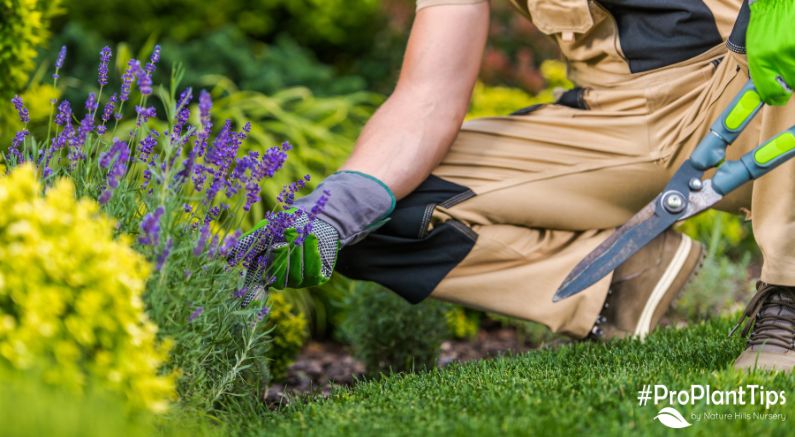
The snow is melting, the soil is softening, and your garden is calling. Spring is the season that sets the tone for everything that follows, and the gardeners who invest a few weekends in prep work now spend the rest of the year enjoying the results instead of playing catch-up.
This month-by-month checklist breaks your spring garden tasks into manageable pieces. Work through March, April, and May at a pace that matches your zone and your weather, and you will head into summer with a yard that practically takes care of itself.
Looking for what to plant this spring? Our companion guide, Spring Planting Checklist by Zone, covers zone-by-zone planting timelines for trees, shrubs, and perennials.
March: Plan, Prune, and Prep While It Is Still Cold
March is your strategy month. The ground may still be frozen in northern zones, but there is plenty of productive work to do indoors and out. Use these early weeks to get organized so you are ready to hit the ground running when temperatures climb.
Indoor Planning Tasks
- Start a garden journal or update last year's notes with what worked and what did not
- Sketch your garden bed layout and flag any spots that need new plants, more color, or better structure
- Order container-grown trees and shrubs from Nature Hills so they arrive at the right planting time for your zone
- Inventory your tools, gloves, stakes, ties, and supplies; replace anything worn out
- Calculate square footage for mulch, compost, and soil amendments so you can order in bulk
Early Outdoor Tasks (Weather Permitting)
- Sharpen pruners, loppers, and hedge shears; clean and oil all metal tool heads
- Prune summer-flowering shrubs and trees while they are still dormant (do NOT prune spring bloomers now, or you will cut off this year's flower buds)
- Cut back ornamental grasses to 4 to 6 inches above the crown before new growth emerges
- Apply dormant oil sprays to fruit trees to smother overwintering pest eggs
- Check stakes, ties, and supports on young trees; adjust anything that is rubbing or too tight
- Spray deer repellent on frequently browsed evergreen shrubs and repeat per label directions
April: Clean Up, Soil Prep, and Bed Work
April is when the real hands-in-the-dirt work begins. Daytime temperatures are climbing, the soil is drying out, and your perennials are starting to push new growth. This is the month to get beds, borders, and containers ready for the growing season.
Garden Bed Cleanup
- Rake leaves and debris from beds, borders, and the base of shrubs
- Pull early weeds by hand while they are small and the soil is loose
- Cut back last year's perennial stems if you left them standing for winter interest
- Pile clean, disease-free leaf debris in a back corner of the yard for a few weeks so beneficial insect eggs and cocoons can hatch before you bag it
- Wait until you have had several days above 50 degrees F before applying pre-emergent weed control, so early pollinators can forage without pesticide exposure
Soil Preparation
Good soil is the foundation of every healthy garden. A simple soil test from your local county extension office tells you exactly what your beds need, so you are not guessing with fertilizer.
- Test soil pH and nutrient levels in beds where you plan to add new plants
- Work 2 to 3 inches of compost into the top 6 to 8 inches of existing beds
- Spread a balanced slow-release fertilizer according to soil test results
- Top-dress all beds with 3 to 4 inches of arborist mulch, keeping mulch 3 to 4 inches away from trunks and stems
- Set up drip irrigation or soaker hoses while plants are still small or dormant
Container and Raised Bed Prep
- Scrub containers with a diluted bleach solution (1 part bleach to 9 parts water) to kill disease spores
- Refresh potting mix entirely or replace the top 30 to 50 percent with fresh mix; old potting soil compacts and loses drainage
- Check drainage holes and add pot feet or risers to prevent waterlogging
- Replenish raised bed soil with a 50/50 blend of compost and quality garden mix
Best Pruning Practices for Spring
Pruning at the right time makes all the difference. The general rule: prune summer-flowering plants in late winter or early spring before new growth starts, and prune spring-flowering plants immediately after they finish blooming. Getting this backward means cutting off an entire season of flowers.
Prune Now (Late Winter to Early Spring)
- Rose bushes: remove winter-damaged canes and shape the plant once forsythia starts blooming in your area
- Panicle and smooth hydrangeas (Hydrangea paniculata and H. arborescens): cut back to 12 to 18 inches
- Summer-flowering spirea, butterfly bush, and bluebeard: cut back hard to encourage vigorous new flowering wood
- Ornamental grasses: tie bundles with twine and cut 4 to 6 inches above the crown
- Fruit tree shaping cuts and dead wood removal
Wait to Prune (After Spring Bloom)
- Spring-flowering shrubs like forsythia, lilac, azalea, and rhododendron
- Bigleaf and oakleaf hydrangeas (H. macrophylla and H. quercifolia), which bloom on old wood
- Spring-blooming trees like redbud, dogwood, and flowering cherry
Important: If you live in an area affected by oak wilt, check with your county extension office before pruning oak trees. Many regions restrict oak pruning to the dormant season only.
May: Lawn Care, Final Planting Prep, and Finishing Touches
By May, your garden should be buzzing. Perennials are filling in, trees are leafing out, and your lawn is actively growing. This is your month to button up the last tasks and transition from spring prep mode to enjoy your garden mode.
Lawn Prep and Maintenance
- Make your first mow of the season at a lower setting to remove brown winter leaf tips, then raise the mower deck to 3 inches for the rest of the season
- Apply slow-release lawn fertilizer once cool-season grasses are actively growing
- Treat bare spots with patch seed to prevent weeds from colonizing open ground
- Dethatch and core aerate compacted lawns; spring is ideal for cool-season turf
- Apply pre-emergent crabgrass preventer if you did not in April (timing varies by zone)
- Sharpen mower blades; dull cuts leave ragged tips that turn brown and invite disease
- Treat for grubs if you saw damage last fall; preventive grub control goes down in late spring
Hardscape and Structure Maintenance
- Repair garden edging, paths, and borders before plants grow over them
- Refresh paint or stain on arbors, trellises, and raised bed frames on a dry day
- Clean gutters, bird baths, and water features; sanitize bird feeders
- Survey landscape lighting and replace burned-out bulbs
- Take garden art, outdoor seating, and grills out of storage
Plant Check-In
- Use the scratch test on dormant deciduous trees and shrubs: scrape a small section of bark with your thumbnail and look for green tissue underneath; brown or dry means that branch is dead
- Reposition any perennials or groundcovers that frost heave pushed out of the soil
- Divide overgrown perennials and ornamental grasses now while new growth is just a few inches tall
- Train clematis and other flowering vines onto supports and refresh ties
- Water newly planted trees and shrubs deeply (1 to 2 times per week) if spring rainfall has been light
Spring Garden Task Calendar at a Glance
| Month | Focus Area | Key Tasks |
|---|---|---|
| March | Plan and Prune | Garden journal, tool maintenance, dormant pruning, order plants, calculate mulch and compost needs |
| April | Clean and Prep | Bed cleanup, soil testing, compost and mulch application, container prep, irrigation setup |
| May | Grow and Maintain | Lawn care, hardscape repairs, plant dividing, vine training, deep watering schedule |
#ProPlantTip: The Mulch Rule That Saves Plants
Mulch is your garden's best friend, but piling it against tree trunks and shrub stems (the dreaded mulch volcano) traps moisture against the bark and invites rot, disease, and rodent damage. Spread mulch 3 to 4 inches deep across the root zone, but pull it back 3 to 4 inches from trunks and stems to create a donut shape, not a volcano. This one habit prevents more plant losses than almost any other spring task.
Frequently Asked Questions
When should I start spring garden cleanup?
Wait until you have had a stretch of days consistently above 50 degrees F before doing a full cleanup. That timing lets overwintering beneficial insects (native bees, lacewings, ladybugs) emerge from leaf litter and hollow stems first. In zones 5 and 6 that usually lands in mid to late April. In zones 7 to 9 you can start as early as mid-March. If you cannot wait, do a light cleanup of pathways and high-visibility beds, and pile the leaf debris in a back corner for a few weeks so the insects can finish hatching.
Is it too late to plant trees and shrubs in May?
Not at all. May is one of the best months to plant container-grown trees and shrubs because the soil is warm, rainfall is usually steady, and roots have months of warm weather ahead to establish before winter. Nature Hills only ships container-grown nursery stock, so unlike bare-root plants you are not racing a narrow dormant-season window. The key is to water deeply once or twice a week through the first growing season.
How do I fix a mulch volcano on an established tree?
Pull the mulch back from the trunk with a hand rake or your gloved hands until you can see the root flare (the spot where the trunk widens before going underground). Aim for a 3 to 4 inch gap of bare soil around the trunk, then redistribute the mulch in a flat donut shape across the root zone, no more than 3 to 4 inches deep. If the bark looks rotten, soft, or chewed, prune off any damaged tissue and monitor the tree for the rest of the season.
What should I prune in early spring versus wait on?
Prune now: summer-flowering shrubs (panicle hydrangea, smooth hydrangea, spirea, butterfly bush, bluebeard), roses, ornamental grasses, and dormant fruit trees. Wait until after bloom: spring-flowering shrubs (forsythia, lilac, azalea, rhododendron), bigleaf and oakleaf hydrangeas, and spring-blooming trees like dogwood and redbud. The rule of thumb: if it blooms before June, prune it after it flowers. If it blooms after June, prune it in late winter or early spring.
When can I fertilize newly planted trees and shrubs?
Hold off on fertilizer for the first growing season after planting. New transplants need to focus on root establishment, and a heavy nitrogen push forces leafy top growth before the root system can support it. Top-dress with 2 to 3 inches of compost at planting time for slow, gentle nutrients, and start a balanced slow-release fertilizer the following spring once you see strong new growth.
How early can I apply pre-emergent weed control?
Apply pre-emergent crabgrass preventer when soil temperatures hit 55 degrees F at a 4 inch depth, which is roughly when forsythia is in full bloom in your area. Going down too early wastes the product because it breaks down before crabgrass germinates. Going down too late lets weeds get established. If you missed the spring window, you can usually still get partial control with a second application 6 to 8 weeks later.
Get Your Garden Ready for Its Best Year
A few weekends of focused prep work in March, April, and May sets the stage for months of lower-maintenance enjoyment. Clean beds, healthy soil, proper mulching, and timely pruning give your plants the head start they need to perform all season long.
Ready to add new flowering shrubs, shade trees, or spring-blooming perennials to your landscape? Browse our full selection and we will ship container-grown plants to your door at the right time for your zone. Check out our Spring Planting Checklist by Zone for a zone-by-zone guide to what to plant and when.
Happy planting!
