Why Knock Out Roses Changed Home Gardening Forever
If you've ever wished for a rose that blooms all season, shrugs off disease, and doesn't demand weekly spraying, Knock Out® Roses are exactly what you're looking for. Since their introduction in 2000, knock out roses have transformed home landscapes across the country. Bred by Wisconsin rosarian William Radler, these remarkable shrub roses combine nonstop color with the kind of easy-going care that makes any gardener look like a pro.
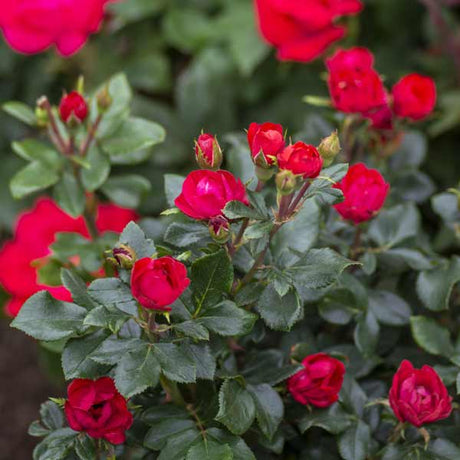
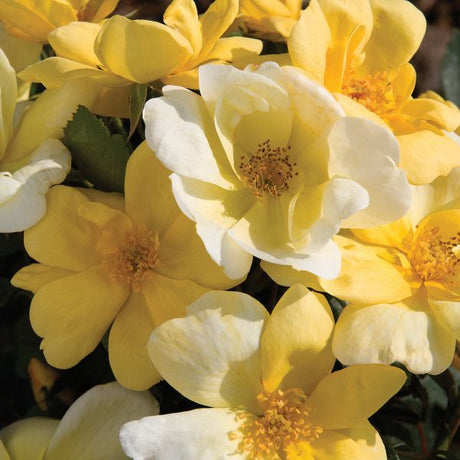
Today, the family includes 12 distinct varieties — covering all the types of knock out roses you could want — in knock out rose colors ranging from classic cherry red to sunny yellow and even orange. Whether you're planning a colorful foundation border, a low-maintenance flowering hedge, or a bright container display on the patio, there's a Knock Out Rose that fits the bill. Let's explore the full lineup, learn how to plant and care for them through every season, and discover the best ways to use them in your landscape.
Knock Out Rose Varieties Compared
One of the best things about knock out rose varieties is the range of colors and forms available. Here's a quick-reference guide to help you choose the right ones for your garden:
Looking for the classic rose look? The double varieties like the Red Double Knock Out® Rose and Pink Double Knock Out® Shrub Rose feature full, multi-petaled blooms. Prefer fragrance? The Sunny Knock Out® Shrub Rose and the newer Easy Bee-zy™ offer pleasant scents along with their gorgeous blooms.
Short on space? The Petite™ Knock Out® Miniature Rose tops out at just 18 inches, making it perfect for containers, small garden beds, and edging walkways. For something bold and new, the Orange Glow™ Knock Out® brings a stunning orange-yellow color combination to the family. With so many types of knock out roses available, there's a perfect match for every garden. Learn more about choosing the right rose bushes for your landscape.

How to Plant Knock Out Roses
Getting your knock out roses off to a strong start is simple when you follow a few key guidelines. Plant in spring after your last frost date, or in fall at least six weeks before the first hard freeze. Either timing gives roots plenty of time to establish.
Choose the Right Spot
Knock Out Roses perform best in full sun with 6 to 8 hours of direct sunlight daily. More sun means more blooms. They can tolerate a bit of afternoon shade, but flower production will decrease noticeably. Look for a location with well-drained soil and good air circulation.
Step-by-Step Planting
- Prepare the soil. Knock Out Roses prefer slightly acidic soil with a pH between 6.0 and 6.5. Amend heavy clay or sandy soils with compost or organic matter.
- Dig the hole. Make it the same depth as the root ball and about twice as wide.
- Remove from the container and gently loosen the roots at the bottom.
- Place the plant so the base sits level with the surrounding soil. Backfill with crumbled, aerated soil.
- Mulch 2 to 4 inches around the base, keeping mulch away from the stem to prevent rot.
- Water deeply at the base. Continue regular watering for the first few weeks until your rose is established.
#ProPlantTip: Space your Knock Out Roses at least 3 feet apart for healthy air circulation. Planning a flowering hedge? Plant them 25 to 36 inches apart in a zigzag pattern for a full, continuous look within the first growing season.
Knock Out Rose Care: A Seasonal Calendar
One reason gardeners love Knock Out rose care is how straightforward it is compared to traditional roses. Here's what to do each season to keep your plants thriving.
Spring Care
In late winter or early spring, watch for new shoots emerging from the canes. That's your signal to prune. Cut plants back to 12 to 18 inches tall using hedge shears or hand pruners. Remove any dead or broken canes. For Petite Knock Out, trim to about 4 to 6 inches.
Hold off on fertilizer for newly planted roses until after their first bloom cycle. For established plants, apply a balanced rose fertilizer once blooming begins and repeat monthly through the growing season.
Summer Care
Water deeply at the base when the top 2 to 3 inches of soil feel dry. Knock Out Roses are drought tolerant once established, but consistent moisture during extended dry spells keeps blooms coming strong. Always water at the base rather than overhead to discourage fungal issues.
While Knock Out Roses are self-cleaning and don't require deadheading, removing spent blooms weekly encourages more continuous flowering and keeps the shrub looking tidy.
Fall and Winter Care
Stop fertilizing about four weeks before your first expected frost. Do not prune in fall, as cutting stimulates tender new growth that winter will damage. Let rose hips form naturally to signal the plant to prepare for dormancy.
In Zones 5 through 11, Knock Out Roses generally need no winter protection. In Zone 4 and colder, add 2 to 3 inches of mulch, leaves, or pine boughs around the base. Container roses should be moved to a cool, protected area like a garage after the first few frosts.

Best Landscaping Uses for Knock Out Roses
The compact, mounding habit and season-long color of knock out roses make them incredibly versatile in the landscape. Here are some of the most popular ways to use them.
Foundation Plantings
Plant Knock Out Roses at least 3 feet from your house foundation for adequate air circulation. They make a vibrant, low-maintenance alternative to traditional foundation shrubs. Try mixing knock out rose colors for visual interest, such as alternating pink and white varieties along a front bed.
Mass Plantings and Hedges
Group 5 or more of the same variety for a stunning sweep of continuous color. Knock Out Roses work beautifully as informal flowering hedges along driveways, property lines, and walkways. Their natural shape requires minimal trimming to maintain a neat appearance.
Container Gardens
The Petite Knock Out® Rose was made for containers and small-space gardens. Standard varieties also thrive in pots, but plan on an 18- to 24-inch container at maturity. Place containers where they'll receive full sun, and water twice weekly in summer.
Companion Planting Ideas
Knock Out Roses pair beautifully with lavender, catmint, black-eyed Susans, and ornamental grasses. These companions provide textural contrast and extended seasonal interest. For a romantic cottage garden effect, try growing clematis alongside your roses for a gorgeous layered display.
Common Knock Out Rose Problems and Solutions
While Knock Out Roses are far more resilient than traditional varieties, they aren't completely bulletproof. Here's what to watch for and how to handle it.
Black Spot
Knock Out Roses are highly resistant to black spot, but not entirely immune. In humid regions, you may see occasional leaf spotting. The plant may drop some affected leaves, but this won't harm overall health. Prevent issues by watering at the base, maintaining good spacing for air circulation, and removing fallen leaves and debris seasonally.
Japanese Beetles
These metallic green pests emerge in late spring and feed on flowers and foliage for 4 to 6 weeks. The most effective immediate solution is to hand-pick beetles into a bucket of soapy water. Apply grub control to your lawn in late spring to reduce next year's population. Avoid beetle traps, as they attract more beetles to your yard than they capture.
Rose Rosette Disease
Rose Rosette Disease (RRD) is the most serious threat facing all landscape roses, including Knock Outs. Spread by microscopic eriophyid mites, this virus has no cure. Watch for symptoms such as excessive red new growth that doesn't turn green, clusters of deformed branches (called "witches' broom"), and unusually thorny stems.
If you spot these signs, remove the entire plant immediately, including roots. Bag the plant for disposal and do not compost it. Space your roses so they don't touch, and consider planting non-rose plants between bushes as barriers to slow mite movement.
Aphids
Small, soft-bodied insects that cluster on new growth. A strong blast of water from the garden hose usually knocks them off. Companion plantings of lavender and marigolds help deter aphids naturally, and beneficial insects like ladybugs are excellent allies.
Bring Home Knock Out Roses from Nature Hills
Ready to add season-long color and effortless beauty to your landscape? Explore the different types of roses available at Nature Hills, or jump straight to our most popular picks. The Red Double Knock Out® Rose delivers classic red blooms all season long, while the Pink Double Knock Out® offers soft pink charm with outstanding drought tolerance. Looking for something compact? The Petite Knock Out® is perfect for containers and small spaces.
Browse our full selection of fragrant roses and Drift® Roses for even more low-maintenance rose options. Happy Planting!