Free Shipping on Orders $199+

Growing Zone: | Garden in
Find your Growing Zone!

You Can Change the Color of Some Hydrangeas

You Can Change the Color of Some Hydrangeas - Nature Hills Nursery

Nature Hills Nursery |

Change the Color of Bigleaf Hydrangeas

Want blue or purple blooms instead of pink? You can change the color of Bigleaf Hydrangeas with a few simple soil tweaks. All it takes is understanding your soil pH, choosing the right Hydrangea macrophylla variety, and following a steady care schedule.

Whether you're going for bold blue or passionate pink, here’s how to control your Hydrangea color game like a pro!

Hydrangeas Have Come a Long Way—So Have Their Colors

There are many kinds of Hydrangeas available today. Maybe plant breeders got a little color-happy in recent years, but we’re not complaining! Thanks to a breakthrough in cold-climate breeding, these beauties now bloom in more gardens than ever.

Nature Hills offers a curated collection of some of the newest and best Hydrangea varieties on the market—think more flower power, compact habits, and dreamy new shades of pinks, reds, purples, and blues!

Which Hydrangeas Can Change Flower Color?

Not all Hydrangeas can color-shift. Only Bigleaf Hydrangeas (Hydrangea macrophylla)—including both Mophead and Lacecap types—respond to changes in soil pH.

  • Mophead varieties have bold, rounded clusters of flowers.
  • Lacecap types display delicate, flat-topped blooms with a ring of open flowers surrounding tiny fertile florets.

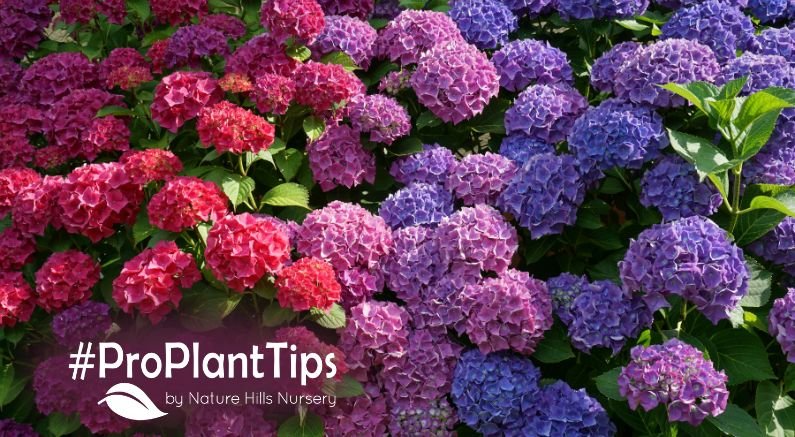
When grown in lower pH (acidic) soil, Bigleaf Hydrangeas produce lavender, purple, or blue flowers. In higher pH (alkaline) soils, they bloom in pink or red tones.

Other Hydrangea Types Don’t Respond to Soil pH:

  • Hydrangea arborescens (like the classic Annabelle)
  • Hydrangea paniculata (like Limelight or Pinky Winky)
  • Hydrangea quercifolia (Oakleaf Hydrangea)

These types will not change flower color based on pH, though their blooms may naturally age to soft pink or antique tones over time.

Blue Hydrangeas

Blue Hydrangea Color Change Cheat Sheet: Step-by-Step

If your Bigleaf Hydrangea is blooming pink but you want moody blues, here’s how to change things up and keep them that way:

Step-by-Step Schedule for Turning Hydrangeas Blue:

  1. Test Your Soil First
    • Use a pH test kit or contact your local County Extension Office to test your soil’s pH and fertility.
    • For blue or purple blooms, aim for pH 5.0 to 5.5.

  2. Choose the Right Amendment
    • Use Aluminum Sulfate or Elemental Soil Sulfur to lower pH.
    • Aluminum sulfate also provides the key element—aluminum—that makes blue flowers possible.

  3. Apply Aluminum Sulfate Solution
    • Mix 1 tablespoon aluminum sulfate per 1 gallon of water.
    • Water your Hydrangeas with this solution every 2–3 weeks throughout the growing season.
    • Important: Always water the soil well before applying the solution to avoid burning roots.

  4. Mulch With Acidic Materials
    • Add pine bark, pine needles, or peat moss as mulch.
    • These materials help maintain low pH naturally while enriching your soil.

  5. Use a Fertilizer for Acid-Loving Plants
    • Apply a fertilizer that’s low in phosphorus and high in potassium (like 25-5-30).
    • Avoid high-phosphorus fertilizers (like 10-30-10) as phosphorus ties up aluminum in the soil.

  6. Repeat Annually
    • Continue treatment each year as soil pH naturally shifts back over time.
    • Keep testing soil pH and adjust applications as needed.

How To Keep Hydrangea Flowers Pink or Red

Pink or Red Hydrangeas

Prefer pretty in pink? You’ll want to raise your soil pH slightly and avoid aluminum uptake:

  • Apply garden lime (Dolomitic Lime) to the soil.
  • Aim for a pH between 6.0 and 6.5.
  • Avoid using aluminum sulfate or sulfur.
  • Use fertilizers high in phosphorus (like 15-30-15) to block aluminum absorption.

Plum in the Middle: Growing Gorgeous Lavender and Purple Hydrangeas

Purple or lavender hydrangeas

If you're swooning over the dreamy lavender or soft violet blooms that straddle the line between pink and blue, you're in luck—you can absolutely grow Hydrangeas in this sweet spot. The trick? Keep your soil pH neutral to slightly acidic, where both pink and blue pigments blend together beautifully.

Target pH for Purple Hydrangeas:

  • Aim for a pH between 5.5 and 6.0
  • This range allows the plant to absorb just enough aluminum for a mix of red and blue pigments to show up in the blooms

Tips to Keep Your Hydrangeas Lavender or Purple:

  1. Test and Monitor Regularly
    • Use a soil pH test kit every few weeks during the growing season
    • Adjust slowly—drastic changes in pH can swing the color too far in one direction

  2. Apply Small Amounts of Aluminum Sulfate
    • Mix ½ tablespoon aluminum sulfate with 1 gallon of water
    • Apply monthly for a gentle shift without overpowering the pink tones

  3. Use Acidifying Mulch
    • Pine needle or peat moss mulch helps nudge your pH just enough while keeping the soil healthy

  4. Avoid Excess Lime or Phosphorus
    • These will push your blooms toward pink or red and can prevent aluminum uptake

  5. Choose A Purple Variety
    Some Hydrangea macrophylla cultivars naturally lean more purple in the right conditions (like 'Twist-n-Shout®', Let's Dance Lovable®, Froggie™, and Cityline® Rio))

General Hydrangea Care For Colorful Success

No matter what shade you're going for, keep these basics in mind for healthy, happy blooms:

  • Slightly acidic, well-drained soil
  • High organic matter content
  • Mulch over the root zone to maintain moisture
  • Protection from harsh afternoon sun
  • Consistent watering during dry spells

Learn how to plant your Hydrangea bushes in our Garden Blog Here!

Let Soil pH Paint Your Hydrangea’s

Changing your Hydrangea macrophylla flower color is like garden alchemy—you’re playing with the pH to create your perfect bloom hue. With a little effort and a simple treatment schedule, your shrubs can switch from pretty pinks to bold blues, or stay right in that luscious lavender lane.

And remember—this magic only works on Bigleaf Hydrangeas, so choose your plants wisely. Whether you're aiming for a classic cottage garden feel or modern curb appeal, your Hydrangeas are ready to make a colorful splash. Just grab your soil tester and start changing the landscape—literally!

Happy Planting!

Shop for hydrangeas now at Nature Hills
Previous Next

Compare Plants

Browse the features and specs side-by-side to find the best fit for your garden.

A table comparing the facets of 1 products
Facet
Proven Winners® Let's Dance Lovable® Bigleaf Hydrangea
Let's Dance Lovable® Bigleaf Hydrangea
View details
Rating
Rating
(510)
Type
TypeShrub
By
ByProven Winners
Flower Color
Flower Color
  • Blue
  • Pink
Growing Zone Range
Growing Zone Range
5-9
Mature Height
Mature Height
3-4 ft
Width
Width
3-4 ft
Price
Price
Regular price From $2614

Frequently Asked Questions

How to change hydrangea color?

Only Bigleaf Hydrangeas (Hydrangea macrophylla) can change color based on soil pH adjustments. Lower your soil pH below 6.0 with aluminum sulfate or sulfur to produce blue and purple blooms, or raise pH above 7.0 with lime to create pink and red flowers. Test your soil first, then apply amendments in early spring before the growing season begins. Monitor pH levels regularly and maintain consistent soil conditions for best color results.

How many colors of hydrangeas are there?

Hydrangeas bloom in a wide spectrum of colors including white, pink, red, purple, blue, lavender, and lime green, with many varieties offering multiple shades within those color families. Bigleaf Hydrangeas (Hydrangea macrophylla) can shift between blues, purples, pinks, and reds depending on soil pH, while other types like paniculata and arborescens maintain their bred colors regardless of soil conditions. For the widest color selection, plant different Hydrangea species rather than relying solely on pH manipulation of Bigleaf varieties.

Can hydrangeas change color?

Yes, but only Bigleaf Hydrangeas (Hydrangea macrophylla) can change color based on soil pH. In acidic soil (lower pH), they produce blue, purple, or lavender blooms, while alkaline soil (higher pH) creates pink or red flowers. Other hydrangea types like paniculata, arborescens, and quercifolia maintain their original flower colors regardless of soil conditions. Test your soil pH and adjust it accordingly to achieve your desired bloom color.

Can you change the colour of hydrangeas?

Yes, you can change the color of Bigleaf Hydrangeas (Hydrangea macrophylla) by adjusting your soil pH. Acidic soil with a pH below 7.0 produces blue and purple blooms, while alkaline soil above 7.0 creates pink and red flowers. Other hydrangea types like Annabelle, Limelight, and Oakleaf varieties will not change color regardless of soil pH. Test your soil first, then amend with sulfur to lower pH for blues or lime to raise pH for pinks.

Where to buy hydrangeas?

You can buy hydrangeas from reputable online nurseries like Nature Hills Nursery, which offers a curated collection of the newest and best hydrangea varieties including compact habits and improved cold-climate breeding. Local garden centers and nurseries also carry hydrangeas, though selection may be more limited than specialized online retailers. For best results, purchase hydrangeas in early spring for planting after your last frost date, ensuring you select varieties suited to your hardiness zone. Choose your source based on the specific varieties you want and whether you need expert guidance on soil pH requirements for color-changing Bigleaf types.

How to change soil ph for hydrangeas?

To change hydrangea flower color, adjust your soil pH using aluminum sulfate to lower pH for blue blooms or lime to raise pH for pink flowers. Apply aluminum sulfate at 1 tablespoon per gallon of water monthly during the growing season to achieve acidic soil (pH 5.0-5.5), or work granulated lime into the soil in early spring to create alkaline conditions (pH 6.5-7.0). Test your soil pH first using a digital meter or test kit to determine your starting point. Begin treatments in early spring and maintain consistency throughout the season for best color results.

Can pink hydrangeas turn blue?

Yes, pink hydrangeas can turn blue, but only if they're Bigleaf Hydrangeas (Hydrangea macrophylla). These varieties change color based on soil pH—acidic soil (lower pH) produces blue blooms, while alkaline soil (higher pH) creates pink flowers. Other hydrangea types like Annabelle, Limelight, or Oakleaf varieties will not change color regardless of soil conditions. Test your soil pH and amend with sulfur or aluminum sulfate to lower it for blue blooms.

Can you change hydrangea color after they bloom?

You cannot change hydrangea color after the flowers have already bloomed that season, but you can adjust soil pH to influence next year's blooms. Only Bigleaf Hydrangeas (Hydrangea macrophylla) respond to pH changes - acidic soil (pH below 7) produces blue/purple flowers while alkaline soil (pH above 7) creates pink/red blooms. Start soil amendments in fall or early spring before bud formation, as it takes several months for pH changes to affect the plant's aluminum uptake. Test your soil pH first, then add aluminum sulfate for blue blooms or lime for pink flowers.

Where to purchase hydrangeas?

You can purchase high-quality hydrangeas directly from Nature Hills Nursery at naturehills.com, which offers a curated collection of the newest and best hydrangea varieties on the market. Our selection includes cold-hardy options that thrive in more climate zones than ever before, featuring compact habits and enhanced flower power in stunning shades of pink, red, purple, and blue. Choose from Bigleaf varieties (Hydrangea macrophylla) if you want color-changing blooms, or select from Panicle, Smooth, or Oakleaf types for consistent colors. Browse our online catalog to find the perfect hydrangea variety for your growing zone and garden space.

Where can i buy limelight hydrangeas?

You can buy Limelight Hydrangeas directly from Nature Hills Nursery at naturehills.com. Limelight is a popular Hydrangea paniculata variety known for its large, cone-shaped flower clusters that start creamy white and age to pink. These hardy shrubs thrive in USDA zones 3-8 and typically reach 6-8 feet tall and wide at maturity. Browse Nature Hills' curated collection of Hydrangeas to find Limelight and other premium varieties available for shipping to your area.

Find Your Garden's Growing Zone!

Your Current Growing Zone:

Zone

ZIP Code:

✓ Growing Zone Set Successfully!

Your zone has been saved and will be used throughout the site.

⚠ Unable to locate a growing zone for that ZIP code.

Please check your ZIP code and try again.

Looking up your growing zone...

When ordering a tree or plant, make sure to know your planting zone.

You can determine your garden's USDA hardiness zone by entering your Zip Code below.