
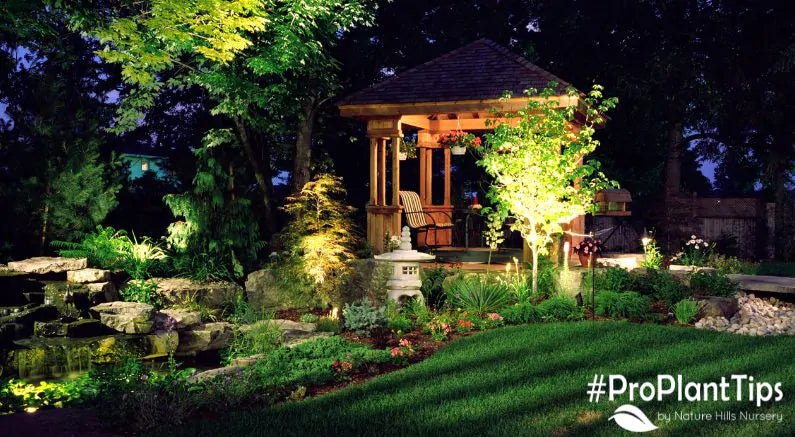
“I stopped for a moment and stood in the garden of life with earth-stained feet and a moon-stained soil, realizing we are like flowers chasing the light…” -TC
Planting by the Moon is a garden method that goes in tune with the ebb and flow of the Moon's phases. Its effect is duly noted on our tides, and arguably our moods, so does the Moon really have an effect on our plants?
Generally applied to vegetable gardening, can we apply this method to our lawn? Or landscape in tune with the Moon? Do the Roses and Pansies care they were planted when it was a Full Moon?
It's no debate that the Moon has a profound impact on our oceans and on our natural circadian rhythms. Ask any Teacher or Hospital worker and you’ll have eyes roll at the mention of a Full Moon! It’s captivated literature and our imaginations and is earth's largest, brightest satellite. So why wouldn’t the garden be affected as well?
Read on to find out more!
Planting By The Moon - Folklore & Science
You may have heard of the Moon Garden, filling a garden bed with lovely white or night-blooming plants that reflect or embody the Moon, and a place to spend cooler summer evenings gazing at the stars. But Gardening by the Moon is a bit different.
For thousands of years, the Romans, the Maori peoples, First Americans, and the Celts believed that there were optimal times to plant certain plants during particular Moon phases. The folk methodology of planting in tune with the Moon's cycles is an age-old tradition of gardening and for some believers, it even governs when they perform certain everyday tasks!
This theory suggests that different Moon phases, divided over a 28-day cycle, have different effects on the type of growth a plant engages in. Believed that since the Moon governs the tides and ebb and flow of the oceans, and has a gravitational impact on all life on earth, therefore all moisture and water - even moisture in soil and plant foliage - is also impacted by the lunar pull.
The gentle tug of the Moon is thought to have an effect on soil moisture and the water table, as well as having an impact on water’s movement through the earth and through a plant's vascular system. While nowhere’s near as drastic as the tide, there is some science behind the idea!
Proponents of Lunar Phase Gardening also believe that the amount of light reflected from the Lunar surface has an impact on plants and plant growth as well! The Moons effect on gravity may also affect plant roots as they grow in the ground.
While this sounds pretty far-fetched, it's a fun way to feel more in tune with the daily, weekly, and monthly rhythms and cycles of our world and find a connection between the seasons. And it doesn’t cost you a thing!
Full Moon Gardening

The theory suggests that during a Full Moon and in the days leading up to it (known as the waxing of the Moon), moisture is being pulled closer to the surface of the soil by the lunar gravitational pull. The soil is more fertile and moist at this time. Full Moons are considered prime times for plant reproduction and growth during this more powerful Moon phase.
There is increased light at night during this time which also can have an impact on many plants. Some theories suggest that plants absorb more water during Full Moons, and studies in Italy found plant sap flows more during waxing Moons as well.
The Full Moon is supposed to encourage bigger, better, and healthier plants. This may also be in part due to the increased light at night, reflected from the Moons surface.
What The Full Moon Means For The Garden
Tradition dictates that the waxing days of the Moon are ideal for planting your above-ground crops or landscaping plants. It is recommended that you plant your annual flowers, fruit, and vegetables during these days when the nights are awash with light.
Considered an ideal time to snip cut flowers for bouquets, and harvest fruit, vegetables, and greens because the moisture content in their tissues is higher.
Plants are more active as growth is being pulled out of stems and out of the ground by the Full Moon and its additional light, (leaves are full of moisture too!). The additional light means more pests and critters are active throughout the night with that big nightlight in the sky and many animals navigate by the Moon.
The increased light at night is supposed to draw seeds out of the ground faster, leading to increased germination. Increased moisture is drawn to the soil surface also benefits newly planted seeds and seedlings!

- Best time to sow seeds - veggie, flowers, fruit, and turfgrass seeds
- Plant above-ground crops/plants
- Regarded as the best time for planting annuals
- Best time to harvest fruit, vegetables and harvest cut flowers for bouquets
- Considered a time of upward or increased flow of energy and moisture
- A time of increased vigor and growth
New Moon Gardening
During the waning portion of the Moons phase, and during the actual New Moon, the topsoil is drier because the soil moisture is getting pulled deeper into the earth. The light availability is also decreased at night. Therefore, folklore says that New Moons are the best time to plant root crops.
Tradition dictates that the New Moon's impact on root growth would also indicate that any new landscaping and gardening plants that you are trying to get newly established, will put down new roots faster when planted during this Moon phase.
These two weeks of reducing light at night as the Moon wanes are also referred to as the ‘maintenance’ phase. Studies found plant sap moves less through the plant during waning Moons and uses less moisture. This is when there is regarded to be less growth above ground and pests are sleeping due to the darkness.
What The New Moon Means For The Garden
It is recommended you plant flowering and ephemeral bulbs, biennials, and perennial plants during the waning days of the Lunar cycle, as well as root vegetable crops like potatoes and carrots, etc…
The maintenance Moon phase is when it is best to pull weeds and perform pest control. The reduced light at night also means it's a great time to till new garden beds, with some studies showing fewer weed seeds germinating as a result.
Therefore, it is considered the best time to prune plants and trees for optimal growth and vigor since there is less sap flowing. The reduced sap means trees cut for firewood and lumber took less time to dry out.
The downward drawn, or decreasing flow of moisture and energy also means the waning Moon is considered a great time to topdress with compost and fertilizers, indicating they will be pulled into the soil faster.
- Best time to plant root crops and stimulate root growth
- Ideal for pruning plants
- Weed gardens
- Till new garden beds to reduce weed seed growth
- The ideal time to fertilize and topdress with compost/manure
- Perform pest control
- Considered a time of downward or decreased flow of energy and moisture
- A rest phase for plants and a maintenance phase for gardeners
Timing is Everything!
We don’t recommend trying to actually do any gardening literally at night. You will get some odd looks from the neighbors. It’s perfectly fine to plant and do your normal garden maintenance during the day like a normal person!
Gardening based on cycles of the Moon may sound like something pretty far out there, and it certainly goes even further than just plants! Others go so far as to designate tasks according to what astrological sign the Moon phase is in, further designating what and when you should plant in the garden. There are even further beliefs that the apogee/perigee of the Moon has an effect as well.
Some beliefs even factor in the morning/evening cycle to determine when you perform certain gardening tasks. Afternoons and evenings are a time when the earth breaths in, oxygen levels are higher and things are drawn deeper into the soil. Meaning it is a good time to plant or transplant, sow seeds, spread compost and fertilizer, water your plants and dig in the garden. While mornings are a great time to harvest fruit and vegetables when their nutrients and medicinal benefits are higher.
In nature, it’s found that Coral spawns in sync with the Moons cycle and the aptly named Werewolf plant (Ephedra foeminea) releases pollen during the Full Moon! There are some Phytoplankton that requires moonlight for photosynthesis and Moonlight helps baby fish grow in the open ocean.
So is it a Bunch of Hooey?

Biodynamic calendars and Moon Gardening calendars are widely available for you to use in order to stay on top of certain tasks. Whether you believe in the Moons effect on your garden or not, it’s a fun way to remember common garden and landscaping tasks. At the very least, you’ll not feel so lost in the rigors of the day-to-day.
Whether you believe in Lunar Gardening or not, having a system that schedules out these garden chores and routines for you may be just the nudge you need to get outdoors. So add the Moons phases to your garden journal and get an added reason to weed, prune, plant, harvest, or simply to better enjoy the natural cycles of our world - even if just a little bit better!
Happy Planting!

