Free Shipping on Orders $199+

Growing Zone: | Garden in
Find your Growing Zone!

The Best Plants for Richmond: A Virginia Gardener’s Guide

The Best Plants for Richmond: A Virginia Gardener’s Guide - Nature Hills Nursery

Nature Hills Nursery |

Welcome to The River City, Richmond, Virginia, where gardening isn't just a hobby; it's a way of life! Nestled between USDA Hardiness Zones 7a and 7b, Richmond's unique blend of Southern charm, colonial roots, and modern energy makes it the perfect backdrop for native gardening.

Whether you're strolling the cobblestones of Shockoe Bottom or taking in the views from Libby Hill Park, one thing's for sure, mother nature sure knows how to put on a show here! To make the most of your backyard or front stoop, choose native plants that thrive in our hot, humid summers, occasional droughts, and diverse soils.

Let's dig in!

Richmond's Climate and Soil: What To Know

Richmond curb appeal with urban gardens

Weather Wonders: Richmond's Southeastern US weather can be a real mixed bag—mild winters, sizzling summers, and enough humidity to make your hair do tricks. July often brings that sticky Southern heat, with average highs in the upper 80s and low 90s.

Winters? Think cool and damp, but rarely bone-chilling. Snow is a treat, not a guarantee.

Soil Savvy: Richmond's soil types range from sandy loam along the James River floodplains to heavy clay common in suburbs like Midlothian and Mechanicsville. Clay-rich soils hold nutrients well but drain poorly and compact easily. Work in compost, shredded leaves, or well-rotted manure to build better structure and encourage root growth.

State Tree Spotlight: Virginia's official state tree (and flower!) is the Flowering Dogwood (Cornus florida), a true Southern belle with showy white spring blossoms and rich red fall foliage. It's a native showstopper that deserves a spot in every Richmond garden.

5 Native Trees Perfect For Richmond Gardens

Native trees are the backbone of any Richmond landscape, providing shade, beauty, wildlife support, and deep-rooted history. Plus, those steamy summers need trees that shade backyards and offer cooling (and money-saving) relief to your home! These trees are born and bred for the River City's soils, making them resilient anchors in your yard.

  1. Flowering Dogwood (Cornus florida) - The Belle of the Backyard Ball! This understory tree lights up spring with delicate, petal-like bracts, followed by red berries that birds go wild for. Prefers part shade and moist, well-drained soil. Try the Pink Flowering form here!
  1. American Hornbeam (Carpinus caroliniana) - Also called Musclewood for its smooth, sinewy bark. This tree thrives in moist soils and provides brilliant yellow-orange foliage in the fall.
  1. Tulip Poplar (Liriodendron tulipifera) - The tallest Eastern hardwood, nicknamed the Apollo of the Woods. Virginia-native and fast-growing, with tulip-shaped flowers in spring and buttery fall color.
  1. Sourwood (Oxydendrum arboreum) - Bring on the bees! This tree's fragrant summer blooms attract pollinators, and its fiery fall foliage steals the show. Loves acidic, well-drained soil.
  1. Black Cherry (Prunus serotina) - This fast-growing native offers spring flowers, edible fruits for birds, and a strong vertical shape that fits tight urban spaces.

5 Native Shrubs to Ground Your Garden

Shrubs are your garden's reliable workhorses, offering structure, seasonal flair, and food for local critters. From colorful blooms to glossy foliage, these Virginia natives will keep your beds looking polished and popping all year.

  1. Virginia Sweetspire (Itea virginica)- -A fragrant firecracker! Arching white flower spikes burst in early summer, and fall color turns a rich burgundy.
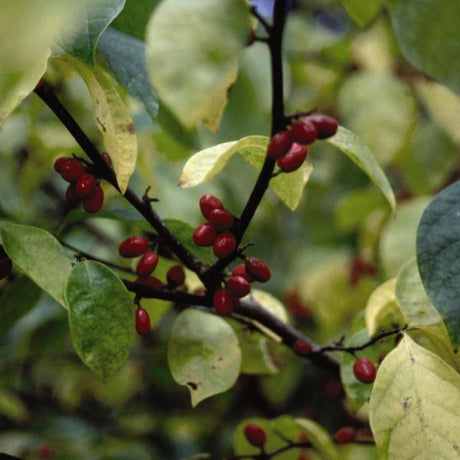
  1. Chokeberry (Aronia arbutifolia) - Red berries feed the birds, while white spring flowers and blazing fall color make it a year-round favorite.
  1. Spice Bush (Lindera benzoin) - This spicy character is a host plant for the Swallowtail butterfly. Its lemony-scented leaves and early spring blooms are a sensory delight.
  1. Inkberry Holly (Ilex glabra) - A native evergreen alternative to Boxwood, Inkberry Holly are tough, tidy, and drought-tolerant once established.
  1. New Jersey Tea (Ceanothus americanus) - Don't let the name fool you, it's a Virginia native! Pollinators love the white pom-pom blooms, and it thrives in sandy or rocky soils.

5 Perennials That Pop!

Perennials are like the local legends of the plant world, coming back stronger every year with more color, character, and charisma. These native bloomers are drought-tough and pollinator-approved for Richmond's long, warm growing seasons.

  1. Purple Coneflower (Echinacea purpurea) - A pollinator magnet that brings bold color and serious drought tolerance. Bees, butterflies, and birds love it.
  1. Bee Balm (Monarda didyma) - Fragrant and fiery! This Mint-family member brings drama to the border and nectar to hummingbirds.
  1. Blue Wild Indigo (Baptisia australis) - The Southern sapphire, its tall spires of blue flowers are followed by quirky black seed pods.
  1. Goldenrod (Solidago spp.) - Unjustly blamed for allergies, this sunny bloomer supports late-season pollinators in droves. Choose varieties like Stiff and Showy.
  1. Columbine (Aquilegia canadensis) - Elegant red and yellow flowers dance above delicate foliage in spring. A nod to the wild woodlands of central Virginia. Find the Wild Columbine here.

5 Fruiting Trees For Richmond Orchards

Why not make your landscape edible and ornamental? These native fruiting trees bring beauty and bounty, producing delicious treats while supporting birds, bugs, and backyard snacking.

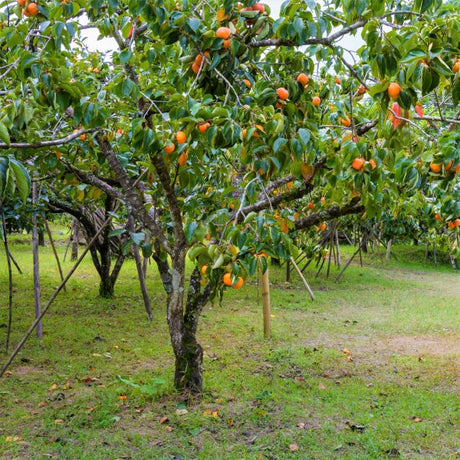
  1. American Persimmon (Diospyros virginiana) - Rich, honeyed fruit once soft, and beloved by opossums and old-timers alike.
  1. Serviceberry (Amelanchier canadensis) - Juneberry joy! Early spring flowers, edible fruit, and fall color in one tidy tree.
  1. Pawpaw (Asimina triloba) - The Appalachian banana! Custard-like fruit with a tropical twist, and it's native!
  1. Crabapple (Malus angustifolia) - Our Southeastern native Crabapple is compact and ornamental with tart little fruits that support wildlife.
  1. Blackhaw Viburnum (Viburnum prunifolium) - Shrubby or small-tree form with edible fruits that make jelly-worthy preserves.

5 Fruiting Shrubs & Vines That Love Richmond

Add some sweetness to your space with native berries and vines! These plants are not only gorgeous but also great for fresh eating, preserves, and attracting wildlife to your Richmond haven.

  1. Elderberry (Sambucus canadensis) - Medicinal and magical, white blooms in spring, dark berries by summer. Grow two for better yields.
  1. Highbush Blueberry (Vaccinium corymbosum) - This native shrub boasts bell-shaped blooms and mouthwatering berries, plus red fall color!
  1. Muscadine Grapes (Vitis rotundifolia) - Southern-fried and sun-loving, these grapes love our heat and humidity.
  1. Passionflower (Passiflora incarnata) - Maypop madness! Exotic blooms and edible fruit. Vines up a trellis with flair.
  1. Raspberry (Rubus occidentalis) - Black Raspberries are native, wild, and wicked good. Let them sprawl in a sunny patch.

Gardening Tips & Tricks For Richmond Success

Mulch Like a Pro: Use shredded bark or pine needles to regulate soil moisture and temperature, especially in our steamy summers.

Compost is Queen: Richmond clay benefits from organic amendments. Mix compost into planting holes and top-dress beds annually to improve your soil.

Plant for the Pollinators: Native Milkweed like Common for Monarchs and Swamp for those soggy areas, Joe-Pye Weed, and Coreopsis attract butterflies, bees, and beneficial insects.

Mind The Timing:

  • Spring: Plant trees, shrubs, and cool-season veggies in March-April.
  • Fall: The golden window for planting trees and perennials is September-November.
  • Summer: Stick to watering and maintenance. Avoid planting unless you really have to. Here's how to have summer-planting success.
Richmond Virginia map

Water Smart: Early morning watering reduces evaporation. Consider soaker hoses or drip irrigation to beat the heat.

Deer-Resistant Options: Try Fothergilla, Inkberry Holly, Yarrow, and Lavender to keep your garden off their menu.

Successful Gardening In The River City

Gardening in Richmond means embracing both heritage and innovation!

From the stately Dogwood to the quirky Maypop, every plant in your garden tells a story. So whether you're a front-porch sipper or a backyard digger, make your Richmond landscape sing with the native plants that love calling this place home.

Happy Planting!

Previous Next

Compare Plants

Browse the features and specs side-by-side to find the best fit for your garden.

A table comparing the facets of 5 products
Facet
White Flowering Dogwood
View details
Tulip Poplar
Tulip Poplar
View details
Sourwood
Sourwood Tree
View details
Spice Bush
Spice Bush
View details
American Persimmon Tree
View details
Rating
Rating
(27)
-
(10)
--
Type
TypeTreeTreeTreeShrubTree
By
ByNature Hills NurseryNature Hills NurseryNature Hills NurseryAmerican BeautiesNature Hills Nursery
Flower Color
Flower Color
  • White
  • Orange
  • Yellow
  • White
  • Yellow
  • Green
  • White
  • Yellow
Growing Zone Range
Growing Zone Range
5-9
4-9
5-8
4-9
4-9
Mature Height
Mature Height
15-30 ft
60-90 ft
20-30 ft
12 ft
30-60 ft
Width
Width
15-20 ft
30-50 ft
10-15 ft
12 ft
20-40 ft
Price
Price
Regular price From $4988
Regular price $9790
Regular price $10995
Regular price From $6696
Regular price $9790

Frequently Asked Questions

What plants grow best in Richmond, VA's Zone 7a climate, especially for a long growing season?

In Richmond's Zone 7a climate, native plants like Flowering Dogwood (Cornus florida) and other southeastern natives thrive best during the long growing season that extends from mild winters through hot, humid summers with highs in the upper 80s to low 90s. These plants are naturally adapted to handle Richmond's occasional droughts, diverse soil types ranging from sandy loam to heavy clay, and the region's sticky summer heat. Focus on native trees and shrubs that provide cooling shade while supporting local wildlife, and improve clay-heavy soils with compost before planting to ensure strong root establishment.

When should I plant cool-weather crops versus warm-weather crops like tomatoes, peppers, squash, cabbage, and melons in Richmond?

In Richmond's USDA zones 7a-7b, plant cool-weather crops like cabbage in early spring (mid-March to early April) and again in late summer (August) for fall harvest. Wait until after the last frost date (typically mid-April) and soil temperatures reach 60°F before planting warm-weather crops like tomatoes, peppers, squash, and melons. Cool-season crops thrive in Richmond's mild winters and can often be grown through December with protection. Check your local extension office for specific frost dates in your microclimate and use soil thermometers to confirm planting conditions.

What native plants or perennials thrive in tough spots like south-facing slopes with poor soil and partial shade in Richmond gardens?

For Richmond's challenging south-facing slopes with poor soil and partial shade (zones 7a-7b), native perennials like Wild Bergamot, Purple Coneflower, and Little Bluestem grass excel in these tough conditions. These drought-tolerant natives handle Richmond's clay soils and summer heat while requiring minimal maintenance once established. Virginia Native Plant Society also recommends Coral Honeysuckle and Wild Columbine for similar challenging sites. Plant these natives in fall or early spring, amend clay soil with compost, and water deeply but infrequently the first year to encourage strong root development.

How do I grow elderberries successfully in an urban Richmond yard, including spacing for fruit production and care tips?

Plant elderberries in Richmond's Zone 7a-7b climate during early spring, spacing them 6-8 feet apart in full sun to partial shade with well-draining soil. These native shrubs thrive in Richmond's humid summers and tolerate both sandy loam and clay soils when amended with compost. Water regularly the first year, then they become quite drought tolerant once established. Prune in late winter to remove dead canes and maintain shape, and expect fruit production in the second or third year.

What native grasses, like poverty oatgrass, are best for converting a lawn to a low-maintenance, biodiversity-supporting yard in Richmond?

For Richmond's zones 7a-7b, native grasses like Little Bluestem, Virginia Wild Rye, and Broomsedge create stunning low-maintenance alternatives to traditional turf. These warm-season grasses thrive in Richmond's clay soils and humid summers while providing crucial habitat for native birds and beneficial insects. Plant plugs or seed in late spring (April-May) when soil temperatures reach 65°F consistently. Start with small sections to test establishment, then gradually expand your native grass areas over 2-3 seasons for best results.

Which plants form good guilds or grow well together in a permaculture hugelkultur bed in Richmond for food, herbs, and pollinators?

In Richmond's zones 7a-7b, create productive hugelkultur guilds by combining native persimmons or pawpaws as canopy trees with elderberries and spicebush in the understory. Plant native herbs like wild bergamot, yarrow, and wild ginger around the base, along with ramps and wild leeks in shadier spots. Add pollinator magnets like purple coneflower, black-eyed Susan, and native asters throughout the system. Build your hugelkultur bed 3-4 feet high in fall, then plant in early spring after the wood core begins decomposing.

What native species should I prioritize for edible consumables, wildlife habitat, and pollinators on a low budget in a Richmond permaculture garden?

For a budget-friendly Richmond permaculture garden in zones 7a-7b, prioritize native elderberry (Sambucus canadensis) for edible berries and pollinator support, wild bergamot (Monarda fistulosa) as a multipurpose herb that feeds native bees, and native persimmon trees (Diospyros virginiana) for fall fruit and wildlife habitat. Add native milkweed species like common milkweed (Asclepias speciosa) to support monarch butterflies while providing emergency food sources. Start with these four species from seed or small plants in early spring, spacing trees 15-20 feet apart and herbs 2-3 feet apart to establish your foundation plantings affordably.

How can I control erosion on slopes in Richmond using natives like golden ragwort or little bluestem?

Golden ragwort and little bluestem are excellent erosion fighters for Richmond's slopes, thriving in zones 7a-7b while developing deep root systems that stabilize soil. Plant golden ragwort 12-18 inches apart in partial shade areas for quick spring coverage, and space little bluestem clumps 18-24 inches apart in sunny spots for year-round structure. Install both in fall or early spring when Richmond's cooler, damper conditions help establishment before summer heat arrives. Combine these natives with other slope stabilizers like wild ginger or coral honeysuckle for maximum erosion control and seasonal interest.

How do I test and amend Richmond's heavy red clay soil for better plant drainage and health?

Test your Richmond clay soil's pH using a digital meter or soil test kit, aiming for 6.0-7.0 for most plants. Amend heavy clay by working in 2-3 inches of compost, aged manure, or coarse sand in fall or early spring when soil isn't waterlogged. Create raised beds 6-8 inches high for immediate drainage improvement in problem areas. Start soil amendments gradually over 2-3 seasons rather than attempting to transform your entire garden at once.

Where can I find planting charts or schedules specific to Richmond, VA for starting seeds and transplants?

For Richmond's USDA Hardiness Zones 7a and 7b, your last spring frost typically occurs in mid to late April, while your first fall frost arrives in late October to early November. The Virginia Cooperative Extension offers detailed planting calendars specific to central Virginia, and many seed packets include zone-specific timing charts that align with Richmond's growing season. Start cool-season crops like lettuce and peas 2-4 weeks before your last frost date, and wait until soil temperatures reach 60°F consistently before planting warm-season vegetables like tomatoes and peppers.

Find Your Garden's Growing Zone!

Your Current Growing Zone:

Zone

ZIP Code:

✓ Growing Zone Set Successfully!

Your zone has been saved and will be used throughout the site.

⚠ Unable to locate a growing zone for that ZIP code.

Please check your ZIP code and try again.

Looking up your growing zone...

When ordering a tree or plant, make sure to know your planting zone.

You can determine your garden's USDA hardiness zone by entering your Zip Code below.