Free Shipping on Orders $199+

Growing Zone: | Garden in
Find your Growing Zone!

Tropical & Carefree Heavenly Bamboo Bushes

Tropical & Carefree Heavenly Bamboo Bushes - Nature Hills Nursery

Charlotte Weidner |

Enjoy the colorful new growth and tropical texture of the easy-care Heavenly Bamboo (Nandina) at Nature Hills Nursery!

Nandina, also known as Sacred Bamboo, these broadleaf evergreens may be named Bamboo, but they are not related to the kind of Clumping Bamboo (Fargesia) that Pandas eat.

Find a diverse category of Bamboo bushes for sale right here at Nature Hills Nursery, learn how to use them to their fullest in your garden, and how to care for them!

When you want a well-behaved Bamboo shrub to decorate your landscape without worry, look no further than Heavenly Bamboo!

All About Nandina Heavenly Bamboo

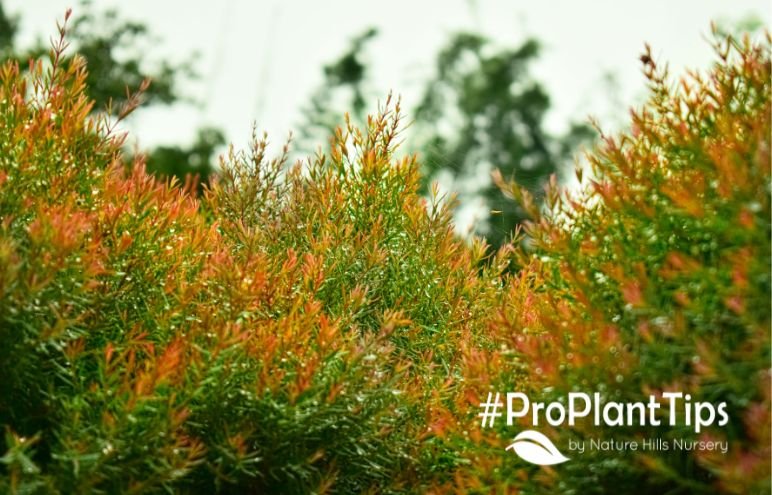
Although a Nandina shrub isn't a true Bamboo plant, it looks quite similar! It's also extremely attractive, thanks to its thin stems and incredible coloration in its new foliage and then dramatic fall color!

bush

Handling sun and shade, and growing in a wide range of climates and conditions, Nandina was introduced to American gardeners in the 1800s from Asia and India.

These broadleaf evergreen shrubs have beautiful spring flowers that are rich in pollen and nectar for your bees and butterflies! These become showy red berries that are persistent through winter for a dramatic show. The birds love to eat these berries and you’ll love snipping both the flowers and fruit with some of the foliage to add to your vase arrangements indoors!

Modern Nandina domestica cultivars have a compact growth habit. In mild winters, the evergreen foliage can take on some showy fall tones! The palmate leaves are delicate but stay lush year-round! In cooler climates, Nandina is semi-evergreen in some climates, and in the coldest winter snaps you will see Nandina act as deciduous shrubs and lose their foliage in the winter.

Using Nandina In Your Landscape

One of these lacy tropical-looking shrubs would do well near your entryway or as a foundation plant or garden accent. Use Nandina to fire up your planting beds and containers for a brilliant display.

Line all the beds in your landscape with a ribbon of color. This design secret helps tie together the look of the entire design. You should also consider adding these as perfectly poised "facer" plants to hide the bare, leggy stems of taller shrubs.

Ideal for your home's foundation plantings, low hedges, mid-sized backdrops to your mixed perennial gardens, and vibrant color for your mixed shrub borders!

Consider these as an en masse groundcover to fill bare areas with color. Low-maintenance and easy to grow, a mass planting will light up even the harshest commercial site or trickiest landscape!

Grow them in the ground, or add them to your outdoor containers. Dwarf Nandina looks great no matter where you place them! In containers, they'll make a wonderful study of a single species all by themselves, or use Dwarf Heavenly Bamboo as a "Thriller" in the center of mixed planters!

Add Nandina's year-round colorful presence throughout the Rock Garden, bring a tropical flair to poolside plantings, or your Xeric plantings where these shrubs really shine! Nandina are also on many 'Fire-scaping or Firewise' plant lists!

Pump up the appeal of your existing landscaping...or start over fresh with marvelously modern cultivars Heavenly Bamboo! Check out these great options!

nandina


    Is Heavenly Bamboo Invasive?

    In some areas, birds eat the bright red berries and spread the seeds to locations where these plants can grow without anything keeping them in check. But with NatureHills.com, you'll never need to worry!

    birds

    That's because we follow all state and local regulations we are the very first online plant nursery to use Plant Sentry™ to block the shipment of regulated plant material into areas where any plants can potentially be problematic.

    Enter your Zip Code in the Plant Highlights section to find your Hardiness Zone on this page and you'll see if Nature Hills can ship Nandina safely into your area.

    Other Nandina Concerns

    Nandina is loved by birds, and birds can spread the seeds into sensitive areas, but the fruit can also be toxic to many animals if ingested, especially at high doses. A concern for cows, horses, dogs, cats, and even some birds.

    Caring For Heavenly Bamboo


    Heavenly Bamboo is an incredibly easy-to-grow flowering shrub! The care of this disease and pest-resistant plant is blessedly easy to grow!

    • These rugged plants grow in full sun or shaded conditions.
    • In very hot areas, please give them shade in the afternoon.
    • Nandina needs well-drained soil.
    • Regular water to establish, and supplemental water during long periods of drought.
    • Add 3-4 inches of arborist mulch over the root system to keep it cool.
    • Prune to shape once a year in late winter before new growth appears.
    infographic


      Tropical Beauty & Carefree Ease!

      They love sun to shade, handle any kind of well-drained soil, and only need regular watering their first year in the ground in order to become established and grow fast to fill in!

      Urban pollution-tolerant, disease, and pest-resistant plants, this Nandina has an upright, compact nature, far smaller than that of other varieties. Plus it won't require any special care from you, and it's even drought-tolerant once established! Prune these shrubs after they flower, but these shrubs are naturally neat and tidy, and shouldn't need much in the way of maintenance!

      High-performance and great year-round appeal, Nandina is a spectacular modern choice from that will transform your landscape with its natural beauty!

      Check out all the Heavenly Bamboo available at NatureHills.com and add their exotic flair to your landscape today!

      Happy Planting!

      banner
      Previous Next

      Compare Plants

      Browse the features and specs side-by-side to find the best fit for your garden.

      A table comparing the facets of 1 products
      Facet
      Lemon Lime Nandina
      Lemon Lime Heavenly Bamboo
      View details
      Rating
      Rating-
      Type
      TypeShrub
      By
      ByNature Hills Nursery
      Flower Color
      Flower Color
      • White
      Growing Zone Range
      Growing Zone Range
      6-9
      Mature Height
      Mature Height
      3-4 ft
      Width
      Width
      3-4 ft
      Price
      Price
      Regular price $9907

      Frequently Asked Questions

      Is heavenly bamboo evergreen?

      Heavenly bamboo (Nandina) is a broadleaf evergreen that maintains its foliage year-round in mild climates, though it becomes semi-evergreen or deciduous in colder zones during harsh winter snaps. In mild winters, the evergreen leaves develop attractive fall coloration while staying on the plant. The palmate leaves remain lush throughout most of the year in temperate growing zones. Plant Nandina in a protected location if you're in a colder climate to maximize its evergreen characteristics.

      What USDA hardiness zones are best for heavenly bamboo?

      Heavenly bamboo (Nandina domestica) thrives in USDA hardiness zones 6-9, with some cultivars tolerating zone 5 with winter protection. In zones 6-7, the foliage may die back to the ground during harsh winters but will regrow from the roots in spring. For best year-round performance and reliable evergreen foliage, plant in zones 7-9 where temperatures rarely drop below 0°F.

      When is the best time to plant heavenly bamboo?

      The best time to plant heavenly bamboo is in spring after the last frost date or in early fall, 6-8 weeks before the first expected frost in zones 6-10. Spring planting allows the roots to establish during the growing season, while fall planting takes advantage of cooler temperatures and natural rainfall. In warmer zones 8-10, you can plant almost year-round except during extreme summer heat. Choose a location with partial shade to full sun and ensure the soil drains well before planting.

      How to care for heavenly bamboo?

      Heavenly bamboo (Nandina) thrives in both sun and shade with minimal care, making it ideal for zones 6-9. These drought-tolerant shrubs require well-draining soil and benefit from annual pruning in late winter to maintain their compact shape and encourage colorful new growth. Water regularly during the first year to establish roots, then reduce to occasional deep watering during dry spells. Apply a balanced fertilizer in early spring and mulch around the base to retain moisture and suppress weeds.

      What type of soil does heavenly bamboo prefer?

      Heavenly bamboo (Nandina domestica) thrives in well-draining soil with a pH between 6.0-7.0, though it tolerates a wide range of soil conditions from sandy to clay. This adaptable shrub performs best in zones 6-9 with consistent moisture but will survive periods of drought once established. Poor drainage can lead to root rot, so avoid heavy clay areas that stay waterlogged. Amend heavy soils with compost before planting and water deeply once weekly during the first growing season.

      Does heavenly bamboo spread?

      Heavenly bamboo (Nandina) has a well-behaved, clumping growth habit and does not spread aggressively like running bamboos. Modern cultivars are specifically bred to be compact and stay where you plant them, typically reaching 3-6 feet tall and wide depending on the variety. Unlike true bamboos, Nandina grows from a central root system and won't send out runners to colonize your yard. Plant with confidence knowing it will maintain its size and shape with minimal pruning in zones 6-10.

      How much sun does heavenly bamboo need?

      Heavenly bamboo thrives in partial shade to full sun conditions, requiring at least 4-6 hours of direct sunlight daily for optimal growth and berry production. In zones 6-9, plants perform best with morning sun and afternoon shade in hot climates, while cooler regions can tolerate full sun exposure throughout the day. Too much shade will result in leggy growth and reduced flowering. Plant your heavenly bamboo where it receives consistent morning sunlight for the healthiest, most compact growth habit.

      How much water?

      Heavenly Bamboo is drought tolerant once established but performs best with consistent moisture during its first growing season. Water deeply once or twice weekly, providing about 1 inch of water including rainfall. In zones 6-9, reduce watering frequency in fall to help plants prepare for winter dormancy. Check soil moisture 2-3 inches deep and water when dry to maintain steady growth without overwatering.

      How do you prune heavenly bamboo?

      Prune heavenly bamboo in late winter or early spring before new growth begins, typically February through March in zones 6-10. Remove any dead, damaged, or crossing branches first, then selectively cut older canes back to 6-12 inches from the ground to encourage fresh growth and maintain the plant's natural arching form. Avoid shearing or cutting all canes to the same height, as this destroys the graceful structure. Focus on removing no more than one-third of the oldest canes each year to keep your nandina looking full and healthy.

      Can heavenly bamboo be grown in containers?

      Yes, heavenly bamboo (Nandina domestica) grows excellently in containers and is actually one of the best shrubs for pot culture. Choose a container at least 18-24 inches wide and deep with drainage holes, and use a high-quality potting mix. Container-grown heavenly bamboo will stay more compact than ground-planted specimens, typically reaching 3-4 feet tall versus 6-8 feet in the landscape. Water regularly during growing season and move containers to a protected location in zones 5-6 during winter.

      Find Your Garden's Growing Zone!

      Your Current Growing Zone:

      Zone

      ZIP Code:

      ✓ Growing Zone Set Successfully!

      Your zone has been saved and will be used throughout the site.

      ⚠ Unable to locate a growing zone for that ZIP code.

      Please check your ZIP code and try again.

      Looking up your growing zone...

      When ordering a tree or plant, make sure to know your planting zone.

      You can determine your garden's USDA hardiness zone by entering your Zip Code below.