
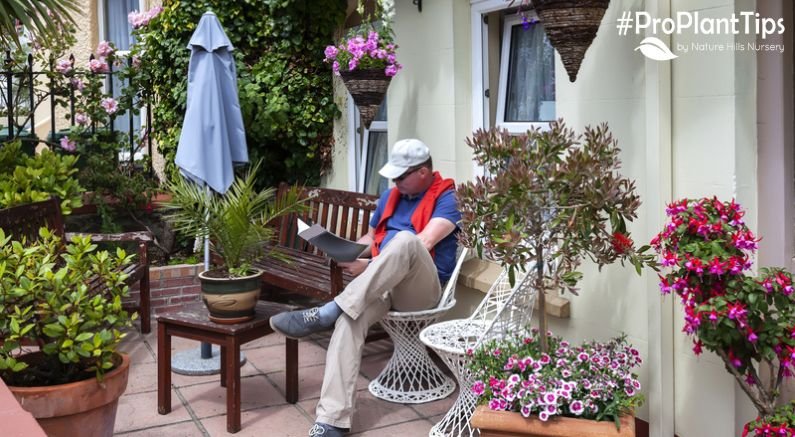
Ok…cue the old-timer's voice, but back in my day, gardening magazines were the first inspiration boards! Arriving via the mail, they’d be a highlight of our month, especially when mixed in among the bills and piles of junk mail. We’d snip out articles for our scrapbooks and proudly decorate the coffee table; there may or may not be an element of gardener hoarding involved as well.
Some of us have accumulated years' worth of them! Stacked in a corner or taking up entire bookcase shelves, all with good intentions to go through them for that article we’ve been meaning to find again…one day.
Despite everything going virtual these days (It is so searchable, convenient, and at our fingertips after all!) - there’s something incredibly exciting about the moment those seed catalogs and gardening magazines arrive in the mail! Thumbing through dog-eared pages of new plants and ogling at new flower colors, big shiny, new gadgets, and gizmos, plus colorful pages of professional garden photos and gardens of our dreams!
Some of us are a bit old-fashioned and still crave that sense of nostalgia! So to help you get your creative juices flowing in the garden and give seasoned gardeners and newbies alike the same sense of sentimentality…Here are Nature Hills Nursery's Top 6 Gardening Magazines you should look into subscribing to today!
Top 6 Gardening and Landscaping Enthusiast Magazines
In the low-tech days before the Pinterest rabbit hole, gardeners poured over their favorite magazines, seed and plant catalogs that arrived in the mail for all their garden daydreaming! Nothing instills a sense of hope or provides a burst of creativity quite like it!
#6 Southern Living Magazine

Describing themselves as “the ultimate insiders' guide to Southern culture, recipes, travel, and events.”. Southern Living Magazine is packed with recipes, decorating tips, entertaining ideas, and travel guides. The first issue of Southern Living was published in February 1966 and has been inspiring ever since, and it has been constantly evolving to embrace progressive Southern living and lifestyles.
You’ll find endless amounts of inspiration about food, Southern hospitality, and ideas for making your home as beautiful and welcoming as possible. All while keeping in stride with the seasons and holidays! Your subscription gives you 13 publications a year and has a substantial online presence and an informative, frequently updated website.
#5 Garden Gate Magazine

All gardening information and no ads! Not many websites can say that! Garden Gate arrives in your mailbox as a bi-monthly publication just brimming with information and gorgeous visuals. Pages filled with tips, inspirational gardens, expert advice, and quality information in print, while also retaining a strong social media presence! In-depth information on plants and their various species, garden plans and designs, DIY ideas, and incredible seasonal information is waiting for you at Garden Gate Magazine.
#4 The Old Farmers' Almanac

Since 1792, Yankee Publishing has been keeping gardeners and weather enthusiasts very well informed. Providing hours of incredible information on plants, gardening techniques, weather predictions, healthy living, and delicious recipes! While the Almanac only comes out once a year, the pages are jam-packed with all kinds of useful and curious information, as well as statistical information! Focusing on the US and Canada, Old Farmers' Almanac doesn't stop with just plants either! They have something for everyone, including sports, astronomy, folklore, and predictions on trends in fashion, food, home, technology, and living for the upcoming year!
What’s more, the Almanac has past and present moon phases, full moon dates and times, sunrise and sunset times, temperature and precipitation averages and estimations, and so much more! Plus, you can extend your enjoyment online so you can get your fix any time of the year, not just that one time a year!
#3 Horticulture Magazine

This venerable magazine has been around for over 100 years, so you know the editors are doing something right. Horticulture Magazine excels at product reviews for the gardener. Go more in-depth with gardening, plant science, botany, and detailed information. Since 1904, Horticulture Magazine has gone beyond the average gardening magazine! Geared towards professionals, beginners, and avid gardeners alike, you’ll find a wealth of info that does more than scratch the surface. Highlighting noteworthy gardeners and plant people, both famous and gorgeous new gardens, as well as showcasing the nurseries and the latest plants being grown around the world.
Featuring a bi-monthly publication as well as a strong online presence, Horticulture Magazine covers gardening, woodworking, cooking, home building, writing, collectibles, healthy living, outdoor pursuits, and more!
#2 Better Homes & Gardens Magazine

My default favorite magazine is because my kids always had school fundraisers, so I’d often find myself renewing this monthly standard! Focusing on the latest trends, colorful inspiration, and beautiful garden layouts and design, plus gorgeous garden-inspired photography, incredible recipes showing how to use fresh produce, plus fresh and new interior design ideas. Better Homes & Gardens Magazine has loads of ideas for your outdoor landscape, indoor and outdoor room décor and design, and how to bring that garden style indoors for your home!
Launched in 1922 in Des Moines, Iowa, this magazine is as much a page-turner as it is highly present in online social media, and even features kid-friendly crafts, DIYs, and printables. Better Homes & Gardens Magazine has been inspiring and informing gardeners of all ages on all platforms imaginable.
#1 Fine Gardening Magazine

This magazine has been the gold standard of gardening magazines for years. Fine Gardening Magazine not only has bi-monthly publications, but it has also been around since 1988, and is also found everywhere online. They even have their own Podcast for you to listen to on the go! Gorgeous photographs, drool-worthy gardens, and enough attitude to make you feel like you're better than other gardeners just because you have it on your coffee table. Knowing what's important at the moment and staying at the forefront of modern gardening and landscaping trends, the latest plant varieties, and the most up-to-date information.
With gardening breakdowns per region around the country, in-depth plant guides and information, a full archive of past issues and publications, and also info for gardeners of all skill levels! Focusing on ornamental plants and home landscaping, cool and unusual plant highlights, plant problem diagnostics, and even info about indoor gardening!
Get Inspired!
Make that trip to the mailbox so much more enjoyable! Once you subscribe to one of these inspiring periodicals, you may just have something other than junk mail and bills waiting for you there!
So make a cup of tea and find a comfy chair - then let your fingers walk you through the pages of your new favorite Gardening Magazine!
Next time you are online, don’t forget to check out what sales and new plants Nature Hills has to offer! And always check out our #ProPlantTips and Garden Blog to help educate and inspire you as well!
Happy Planting!
