Free Shipping on Orders $199+

Growing Zone: | Garden in
Find your Growing Zone!

Top 10 Rose of Sharon Shrubs For Show-Stopping Gardens

shop rose of sharon at nature hills

Charlotte Weidner |

buy althea at nature hills

Few flowering bushes can rival the charm, resilience, and sheer flower power of Rose of Sharon, also known as Althea. Unlike Hardy Hibiscus, which flaunts dinner-plate-sized blooms only for a short summer stretch, or Tropical Hibiscus that thrives only in warm, frost-free climates, Rose of Sharon (also known as Althea) gives gardeners across much of the U.S. months of reliable, late-summer blooms.

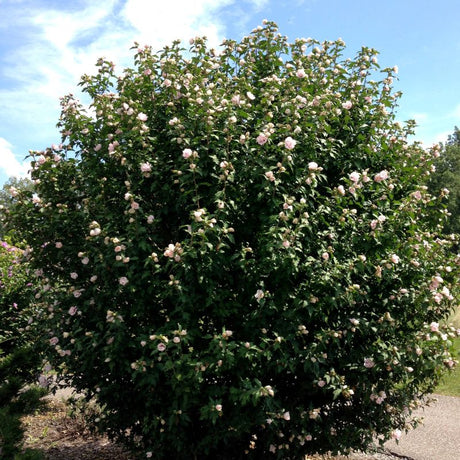
With woody stems, glossy green leaves, and endless waves of trumpet-shaped flowers in shades of blue, lavender, pink, red, and white, Althea shrubs and trees provide a long-lasting show when many other plants are winding down!

Beloved for their drought-tolerant nature, easy care, and versatility, Rose of Sharon plants bring wildlife benefits as well! Their nectar-rich flowers are magnets for hummingbirds, butterflies, and bees, while their upright form makes them ideal for hedges, specimen plantings, or even flowering privacy screens. These beauties offer something for every landscape style!

A Blossoming History & Fascinating Facts

shop rose of sharon at nature hills

Rose of Sharon (Hibiscus syriacus) belongs to the Mallow family and has been cherished in Asian gardens for centuries, where it's a symbol of perseverance and gentle beauty. In Korea, it's the national flower, called mugunghwa, representing immortality. Unlike its tropical cousins, this cold-hardy shrub thrives in zones 5-9, standing up to chilly winters with grace.

Historically, its flowers were even brewed into teas and used in folk remedies. Gardeners prize it today not only for cultural significance but for its outstanding performance as a low-maintenance flowering shrub.

Landscaping With Althea

Rose of Sharon truly shines as a multipurpose shrub. Here's how you can make the most of these summer stunners:

  • Flowering Privacy Screens: Plant several in a row for a living hedge. Taller varieties like Purple Pillar® or Blue Chiffon® create vertical interest and block views beautifully.

  • Specimen Showpieces: A single White Chiffon® or Dark Lavender Chiffon® can anchor a front yard bed or highlight an entryway with dazzling flowers.

  • Compact Accents: Smaller selections like Lil' Kim® Red fit neatly into urban gardens, patios, mixed perennial borders.

  • Formal or Cottage Gardens: Blushing Bride and Lucy bring classic pink charm to softer, romantic cottage garden designs, while Paraplu Violet® and Paraplu Rouge® dazzle with bold jewel tones.

  • Tree Forms for Elegance: A Lavender Chiffon® Rose of Sharon and its matching Tree Form adds height and drama, perfect as a centerpiece in a sunny border or as a patio accent in a decorative container garden.

  • Pollinator Hotspots: Group several varieties together for a pollinator garden, attracting hummingbirds, bees, and butterflies all season long!

Mix them with companion perennials like Catmint, Russian Sage, or Ornamental Grasses for layers of texture and nonstop color. Pair them with flowering annuals like Zinnias or Lantana to keep the pollinator party going.

Top 10 Rose of Sharon at Nature Hills

  1. Dark Lavender Chiffon® Rose of Sharon: Large, ruffled lavender blooms with rich centers.

  2. Paraplu Violet® Rose of Sharon: Electric violet-purple flowers with a luminous glow.

  3. Purple Pillar® Rose of Sharon: Narrow and upright, perfect for tight spaces and privacy hedges.

  4. Blushing Bride Rose of Sharon: Soft pink flowers with a romantic, delicate look.

  5. Lavender Chiffon® Rose of Sharon Tree: A graceful tree form with nonstop lavender blooms.

  6. Blue Chiffon® Rose of Sharon Shrub: Classic blue flowers with frilly centers, beloved by pollinators.

  7. Lucy Rose of Sharon: Vibrant double pink blooms, lush and eye-catching.

  8. White Chiffon® Rose of Sharon Shrub: Crisp white blossoms with semi-double petals for elegant charm.

  9. Lil' Kim® Red Rose of Sharon: Compact grower with deep red blooms and tidy form.

  10. Paraplu Rouge® Rose of Sharon: Bold crimson petals with an almost tropical look.
shop althea rose of sharon at nature hills

Althea Care Made Simple

Rose of Sharon is delightfully easygoing. Plant in full sun for the best flowering, though it tolerates light shade. It thrives in well-drained soil, and once established, it's drought-tolerant. Prune in late winter or early spring to shape and encourage new growth, since flowers appear on new wood. Apply arborist mulch around the base to conserve moisture.

Water young plants well until established, and use the Finger Test watering method to avoid overwatering. Beyond that, just sit back and enjoy their summer-long flower power.

A Rose By Any Other Name...

Call it Rose of Sharon, call it Althea, but every gardener can agree it's a showstopper! With colors that glow, forms that fit every garden size, and blooms that roll out when you need them most, this plant earns its spot as a must-have flowering shrub.

Plant one or plant ten, and you'll be rewarded with a garden that sings all summer!

Happy Planting!

buy rose of sharon (althea) bushes at nature hills
Previous Next

Compare Plants

Browse the features and specs side-by-side to find the best fit for your garden.

A table comparing the facets of 5 products
Facet
Purple Pillar® Rose of Sharon
View details
Blue Chiffon® Rose of Sharon Shrub
View details
Proven Winners® ColorChoice® Lil' Kim® Red Rose of Sharon
Lil' Kim® Red Rose of Sharon
View details
Blushing Bride Rose of Sharon
View details
Lucy Rose of Sharon
Lucy Rose of Sharon
View details
Rating
Rating-
(17)
-
(8)
(12)
Type
TypeShrubShrubShrubShrubShrub
By
ByProven WinnersProven WinnersProven WinnersNature Hills NurseryNature Hills Nursery
Flower Color
Flower Color
  • Purple
  • Pink
  • Blue
  • Purple
  • Red
  • Pink
  • Pink
  • Red
  • Pink
Growing Zone Range
Growing Zone Range
5-9
5-9
5-9
5-9
5-9
Mature Height
Mature Height
10-15 ft
8-12 ft
3-4 ft
8-10 ft
8-12 ft
Width
Width
2-3 ft
5-6 ft
3-4 ft
5-6 ft
6-8 ft
Price
Price
Regular price From $2689
Regular price From $8458
Regular price From $4396
Regular price From $3230
Regular price From $4490

Frequently Asked Questions

What does a rose of sharon bush look like?

Rose of Sharon shrubs feature woody stems, glossy green leaves, and abundant trumpet-shaped flowers in shades of blue, lavender, pink, red, and white. These upright-growing plants bloom continuously from late summer into fall when many other shrubs have finished flowering. Hardy in zones 5-9, they develop into substantial specimens that work beautifully as hedges, privacy screens, or standalone focal points. Choose a sunny location with well-draining soil to showcase their full flowering potential.

Do hummingbirds like rose of sharon?

Yes, hummingbirds are strongly attracted to Rose of Sharon's nectar-rich, trumpet-shaped flowers. These shrubs bloom from late summer into fall when many other nectar sources are declining, making them particularly valuable for migrating hummingbirds. The flowers also attract butterflies and bees, creating a pollinator haven in your garden. Plant Rose of Sharon in zones 5-9 for reliable blooms that will keep hummingbirds visiting your landscape for months.

How tall do rose of sharon get?

Rose of Sharon shrubs typically reach 8-12 feet tall and 6-10 feet wide at maturity, though some varieties can grow even larger if left unpruned. These hardy shrubs grow at a moderate pace of 1-2 feet per year in zones 5-9, developing their full size over 5-7 years. Their upright, vase-shaped growth habit makes them excellent choices for hedging or specimen plantings. Choose compact cultivars like 'Lil' Kim' (4-5 feet) for smaller spaces, or standard varieties for maximum impact as privacy screens.

Can rose of sharon grow in shade?

Rose of Sharon performs best in full sun (6+ hours of direct sunlight daily) but can tolerate partial shade, though flowering will be reduced in shadier conditions. In zones 5-9, plants grown in partial shade may produce fewer blooms and have a more open growth habit compared to those in full sun. For optimal flower production and compact growth, choose the sunniest location available in your landscape.

Are rose of sharon and hibiscus the same?

Rose of Sharon (Hibiscus syriacus) is actually a type of hibiscus, but it differs significantly from its cousins. Unlike tropical hibiscus that requires frost-free climates or hardy hibiscus with short-lived dinner-plate blooms, Rose of Sharon is cold-hardy in zones 5-9 and produces months of reliable late-summer flowers. This woody shrub offers greater durability and extended bloom time compared to other hibiscus varieties. Choose Rose of Sharon for consistent, long-lasting color in temperate climates where tropical varieties won't survive winter.

Do deer eat rose of sharon plants?

Rose of Sharon plants are generally deer resistant due to their tough, woody stems and less palatable foliage. While deer may occasionally browse young shoots or flowers during harsh winters or drought conditions when preferred food sources are scarce, mature Rose of Sharon shrubs typically remain untouched. For added protection in areas with heavy deer pressure, apply deer repellent spray during the growing season or plant them behind more deer-preferred plants as a natural deterrent.

How much is a sharon?

Rose of Sharon shrubs at Nature Hills typically range from $30-80 depending on size and variety, with standard 2-3 foot plants averaging $40-60. Prices vary based on the specific cultivar, container size, and whether you choose single or double-flowering varieties. These hardy shrubs (zones 5-9) provide exceptional value given their 15-20 year lifespan and months of late-summer blooms. Check naturehills.com for current pricing on specific varieties and take advantage of bulk discounts when planting hedges or privacy screens.

How tall does rose of sharon grow?

Rose of Sharon typically grows 8-12 feet tall and 6-10 feet wide at maturity, though compact varieties stay smaller at 4-6 feet. These hardy shrubs (zones 5-9) reach their full size in 5-7 years with moderate growth rates of 12-24 inches per year. For smaller spaces, choose dwarf cultivars like 'Lil' Kim' or 'Sugar Tip', or prune annually in late winter to maintain your desired height.

What is the best time to plant Rose of Sharon shrubs?

The best time to plant Rose of Sharon shrubs is in early spring after the last frost date or in early fall, 6-8 weeks before your first expected frost. This timing allows the roots to establish before facing summer heat stress or winter dormancy. Since Rose of Sharon thrives in zones 5-9, spring planting is generally preferred in colder zones while fall planting works well in warmer areas. Choose a location with well-draining soil and full to partial sun for optimal blooming performance.

How much sun does Rose of Sharon need for optimal blooming?

Rose of Sharon thrives in full sun to partial shade, requiring at least 6 hours of direct sunlight daily for optimal blooming. While these adaptable shrubs can tolerate some shade, reduced sunlight typically results in fewer flowers and a more open growth habit. In zones 5-9, morning sun with some afternoon protection can be beneficial in extremely hot climates. For maximum flower production, choose the sunniest location available in your landscape.

Find Your Garden's Growing Zone!

Your Current Growing Zone:

Zone

ZIP Code:

✓ Growing Zone Set Successfully!

Your zone has been saved and will be used throughout the site.

⚠ Unable to locate a growing zone for that ZIP code.

Please check your ZIP code and try again.

Looking up your growing zone...

When ordering a tree or plant, make sure to know your planting zone.

You can determine your garden's USDA hardiness zone by entering your Zip Code below.